
Medical Ideas in the Medieval Period
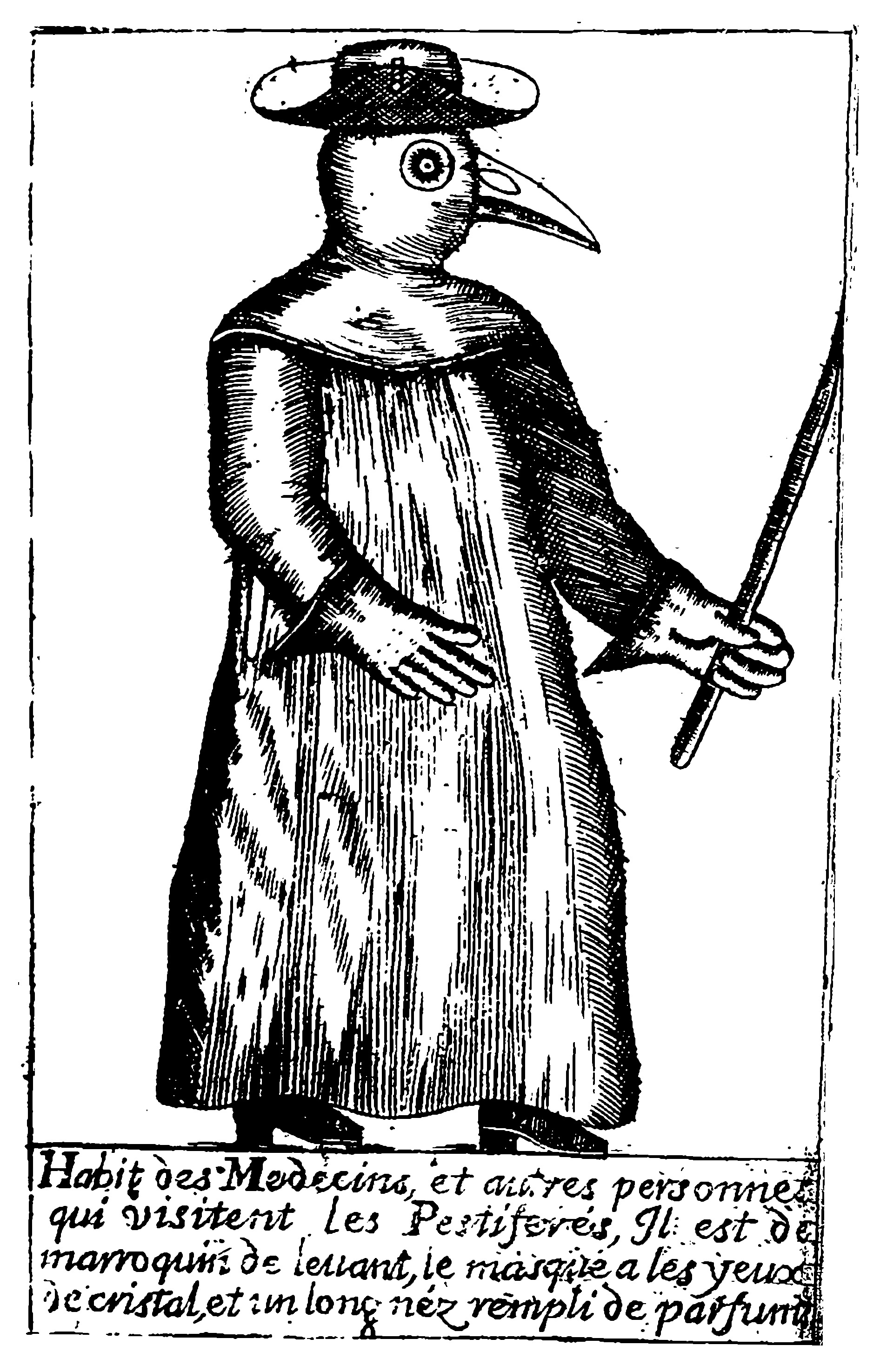
Slides in this set (3)
-
Medical Ideas in the Medieval Period
- Successful medical ideas go back to times of Ancient Egypt, Greece and Rome
- Bald's Leechbook is an Anglo-Saxon medical text full of remedies and medicines, which has plausible applications for modern medical research
- Muslim writers demonstrated that Arabic medicine in this period was more advanced that that of Western Europe
-
Hippocratic and Galenic Explanations
- Hippocrates:
- The Ancient Greeks had some understanding about the prevention of disease
- Hippocrates born in 406 BC was perhaps the first physician to treat and regard the body as a whole
- He based his thinking and writing around the theory of the four humours
- To prevent yourself from disease and illness you had to keep the four humours of blood, phlegm, yellow bile and black bile in balance
- Hippocrates argued 'health is primarily the state in which these constituent substances (the four humours) are in correct proportion to each other, both in strength and quantity, and are well mixed'.
- Galen:
- Galen was born in A.D.130
- He studied medicine in Egypt before he moved to Rome
- He expanded on the the ideas of Hippocrates, this was mainly through dissecting animals
- This allowed him to gain a better understanding of the practical ways the body worked
- Galen placed emphasis on listening to a patient's pulse as a diagnostic tool
- Galen's works arrived in Europe via Islamic texts and beliefs
- After his works were translated, they became accepted as university medical texts
- Church leaders accepted the ideas of Galen
- His ideas spread rapidly in Europe becoming accepted as medical orthodoxy
-
- Alchemy:
- Often little difference between scientists and alchemists in medieval and early modern times
- Alchemists were generally secretive about their own work, and many searched for the 'Elixir of Life'
- This new medicine made from repeatedly distilling vinegar was meant to remove all impurities from the body
- Sometimes medicines were made with strong poisons to make a patient violently sick, thus being seen to prevent disease
- Gullible people were prepared to pay large sums of money to alchemists in order to achieve longer life
- Soothsayers:
- With very few qualified doctors in medieval England people often depended on a local 'wise woman'
- These women would build up knowledge over generations regarding sickness and disease
- They would collect plants, herbs, special stones and anything that might help to protect against evil
- At the time, most people believed illness and disease was caused by evil
- Medieval doctors:
- Monks, before Henry VIII abolished monasteries, acted as apothecaries who made their own herbal remedies to provide simple medical care
- Barber-surgeons might pull out a tooth or set a broken arm
- Bloodletting (or blood-letting) is the withdrawal of blood from a patient to cure or prevent illness and disease
- While many physicians knew little about prevention of disease, because little was known about the causes
Information
- Description
- User has deleted their subject information Slide Set on Medical Ideas in the Medieval Period, created by Deleted user on 18/07/2017.
- Created by
- Deleted user
- Views
- 23
- History
-
- Created by Andrew Burke · Jun 28, 2017
- Copied by Andrew Burke · Jul 18, 2017
- Rating