
Treating and Curing Illness and Disease - 20th Century
Slides in this set (5)
-
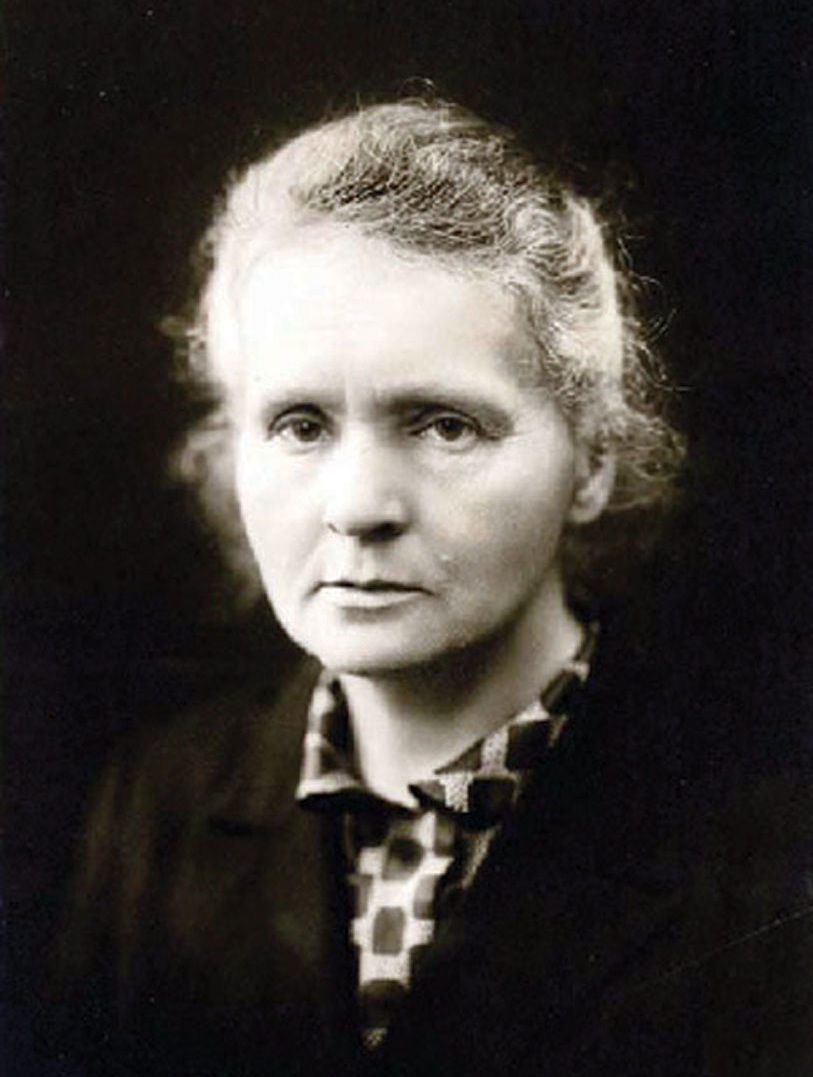
- Marie Curie and radiation:
- Won the Nobel Prize for Physics in 1903 and for Chemistry in 1911 (first woman to win a Nobel Prize for science)
- Born in Poland
- Eventually attended university in Paris while living with her sister
- Curie and her husband were the first to discover and isolate radium and polonium
- These radioactive elements played a role in destroying tissue and opened up a means for treating cancer
- Played a role in developing the first mobile X-ray units during the First World War
- Died in 1934 as a result of excessive exposure to radiation
- Caption: Marie Curie (1867-1934)
-
- Alexander Fleming (1881-1955):
- Served as a doctor in the Army Medical Corps.
- Eventually becoming a professor of his medical school in 1928.
- He published multiple papers on bacteriology and immunology.
- Jointly awarded for his work with penicillin in 1945 with a Nobel Prize.
- During the war, Fleming noticed that antiseptics appeared unable to prevent infection. He wanted to find something to kill the microbes that resulted in infection. In 1928, upon returning from holidays he noticed a mould (penicillin) that had grown in a petri dish. He noticed the deadly bacteria staphylococci around the mould had died. He called the mould an antibiotic ('destructive of life'). Fleming published his results in 1929, but did not have the funds to produce the drug.
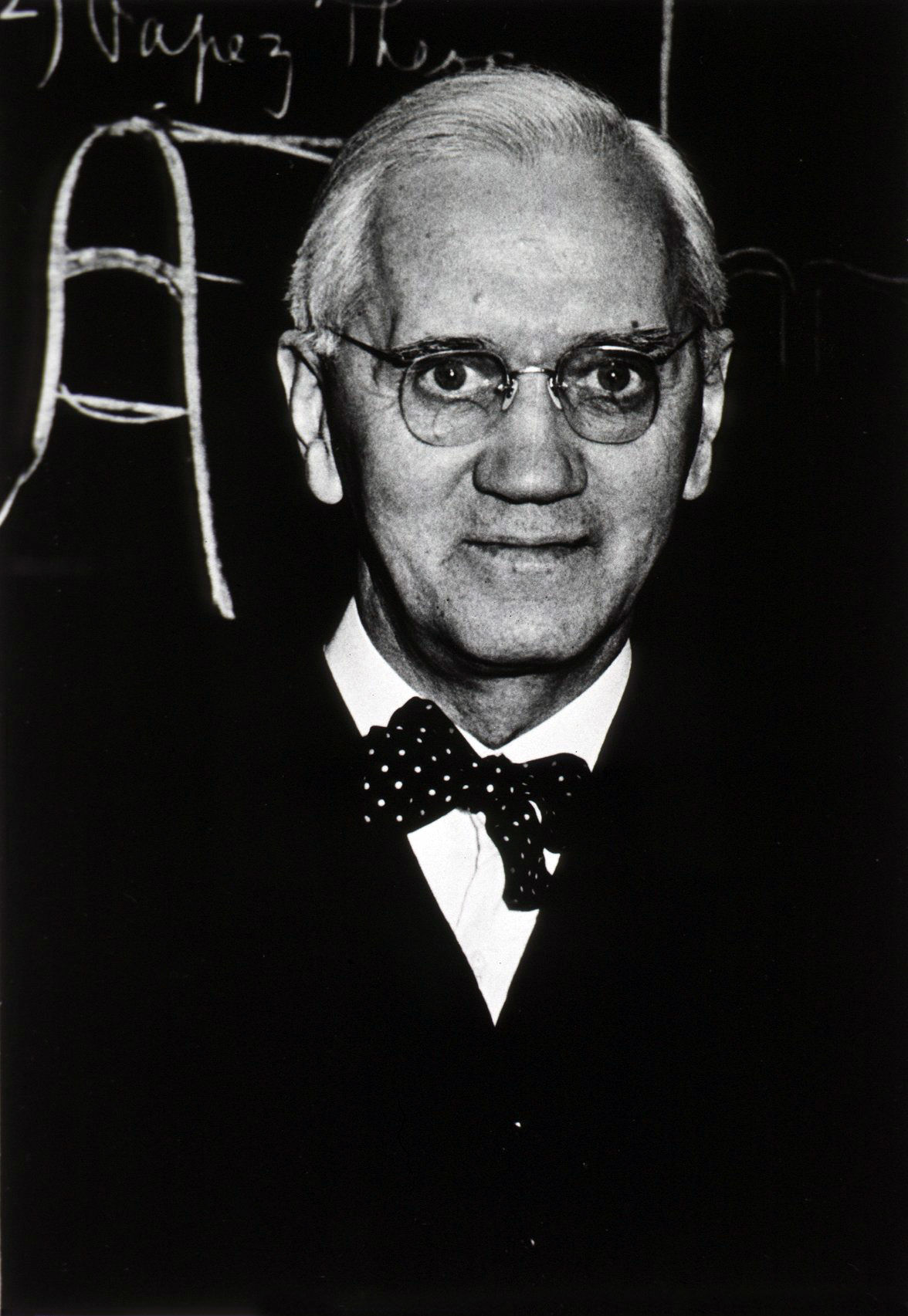
- Caption: Alexander Fleming (1881-1955)
-
- 1937 - Howard Florey and Ernst Chain at Oxford University began researching penicillin after reading Fleming's articles
- Florey and Chain produced enough of the drug and first experimented on mice in 1940
- 1941 - the first human trial came, the patient died when the drug ran out, but the trial demonstrated the effectiveness of penicillin
- Second World War pushed for development of the drug
- 1943 - it was used on Allied troops in North Africa and proved a huge success
- America and Britain began jointly producing vast quantities of penicillin
- It treated multiple diseases e.g. bronchitis, pneumonia, meningitis
- Led to the development of other antibiotics
- 1945 - Florey, Chain and Fleming receive the Nobel Prize for Medicine
-
- Dr Christian Barnard and transplant surgery:
- 1952 - the first kidney transplant surgery
- 1961 - the first British implanted heart pacemaker (an electrical device to pump blood around the body) was developed
- 1967 - the world's first heart transplant surgery occurred, performed by Dr Chris Barnard in South Africa
- The patient lived for 18 days following the transplant
- Two problems with the treatment were the availability of replacement organs and the rejection of the transplant
- Immunosupressive drugs have helped the body accept replacement organs
- 2014 - 181 heart transplants occurred in England
- 1972 - hip replacements were first introduced
- Keyhole surgery has also been a huge advancement in reducing the intrusiveness of operating on someone
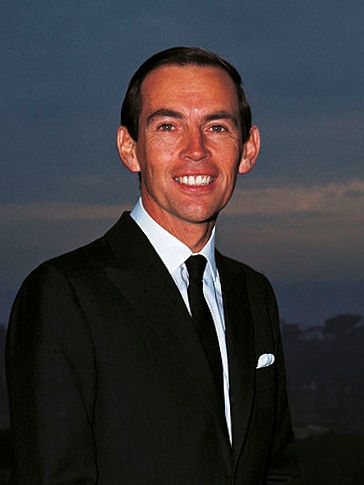
- Caption: Christian Barnard (1922-2001)
-
- Advances in cancer treatment and surgery:
- Radiation therapy has developed alongside technology for more efficient cancer treatment
- Supplemented by chemotherapy - the use of powerful drugs to kill cancerous cells
- Cancer is still a major killer, but more types of cancer are being cured and controlled by these treatments
- The key to cancer treatment is early diagnosis
- Surgery is also used to remove cancerous growths, whether that be mastectomy or lung transplants (most common forms of cancer surgery)
- With technology available today (scans and fibre-optic cameras) doctors can spot cancer without having to operate
- Alternative treatments:
- For a lot of history many people could not afford to go visit a doctor or chose not too
- Controversies, such as the thalidomide case (prescribed medicine for pregnant women resulted in babies missing limbs) led people to develop an interest in alternative medicine
- e.g. treatment such as hydrotherapy and acupuncture
- Many of these treatments are based on older, traditional treatments using herbs and 'pure' remedies
- The British Medical Association has described homeopathy (a system of alternative medicine) as 'witchcraft', while other scientists argue it is complete nonsense
Information
- Description
- User has deleted their subject information Slide Set on Treating and Curing Illness and Disease - 20th Century , created by Deleted user on 18/07/2017.
- Created by
- Deleted user
- Views
- 22
- History
-
- Created by Andrew Burke · Jul 14, 2017
- Copied by Andrew Burke · Jul 18, 2017
- Rating