
Advances in Medical Knowledge 20th Century
Slides in this set (3)
-
- Scanning techniques have altered medical knowledge drastically in the 20th century. They are a safe form of non-invasive technology that allow medical staff to: detect disease earlier, understand better how disease spreads, and improve medical care.
- X-rays:
- Discovered by German scientist Wilhelm Röntgen in 1895
- He found radiation would pass through the body at different rates, depending on whether it came across bone or flesh
- This resulted in him being able to photograph bones; X-rays were used to investigate broken bones then
- During the First World War, mobile X-ray units were used to detect bullets, shrapnel and other items inside the bodies of wounded soldiers
- X-rays allowed for quicker and safer surgery and have saved many lives
- Ultrasound:
- In World War Two, sound waves were used to identify German submarines
- The British called this ASDIC, while the Americans labelled it Sonar
- After the war, medical personnel realised sound could be used to 'see' inside the human body via high frequency sound waves
- This avoided the need to use radiation and allowed for the production of 3-D images
- Has been used to obtain images of organs in the body as well as checking the development of unborn babies
-
- MRI:
- MRI (magnetic resonance imaging) uses radio waves to develop a detailed picture of organs and tissues found in the body
- MRI scans are often used to see how effective previous medical care has been
- Since the 1980s MRI has become increasingly useful for medical practitioners in fighting diseases
- PET scans and CET scans:
- Positron emission tomography (PET) involves injecting a slightly radioactive tracer into the patient's bloodstream
- This allows 3D colour images of tissues and bones to be produced, and is utilised often in investigating cancers and heart problems
- Computed tomography (CT) involves many X-ray images from various angles to form a cross-section of an area of the body
- This can be used to diagnose various diseases and locate them accurately in the body
-
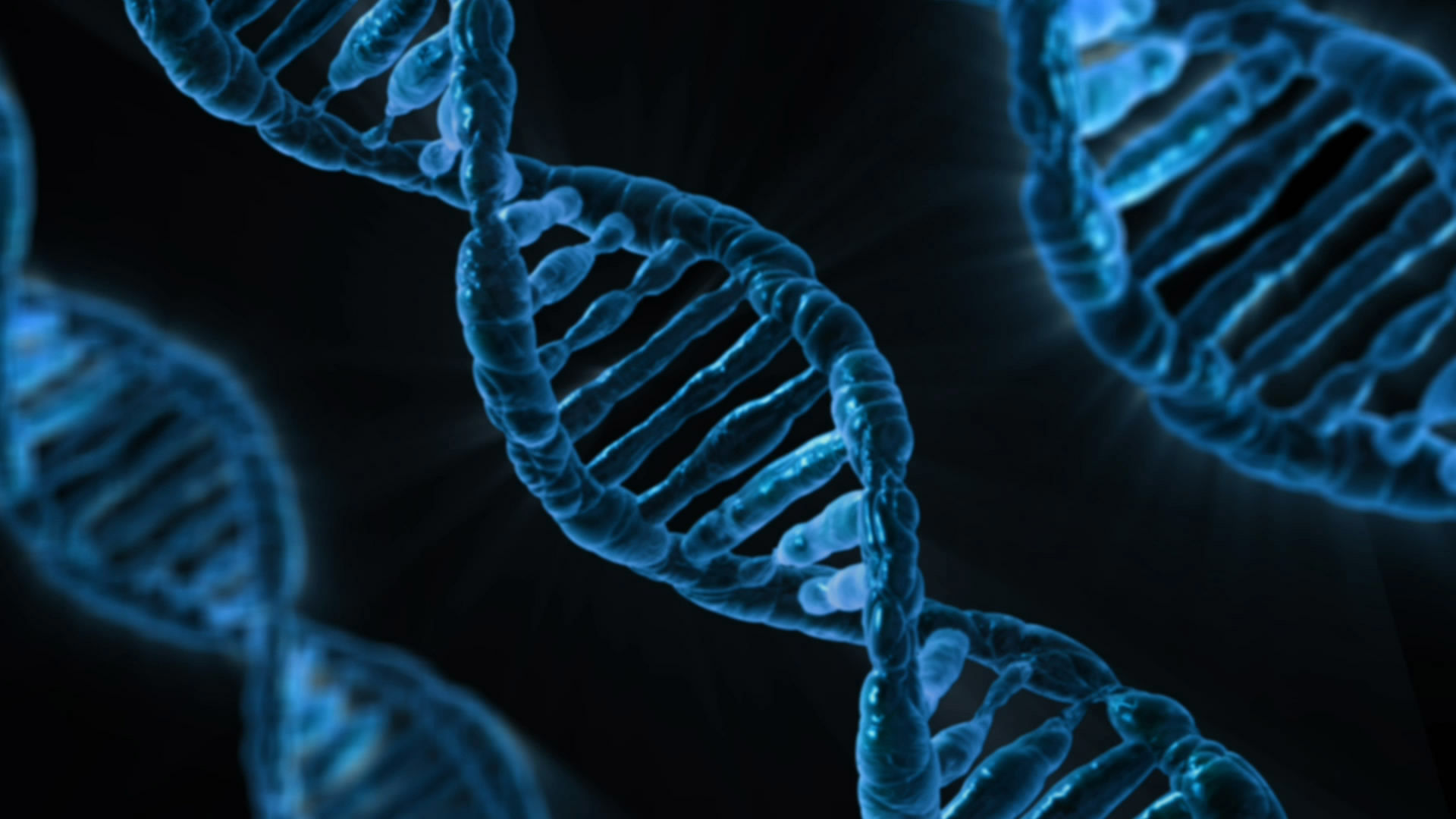
- In 1953, Crick, Watson and Franklin published a paper on DNA (deoxyribonucleic acid). DNA carries genetic information regarding hereditary materials in humans. This is essential to human reproduction.
- In 1990, the Human Genome Project began the task of building a complete genetic blueprint of human beings. This task ended in 2003. Studying DNA had huge implications for the medical world. In 1996, researchers managed to clone Dolly the sheep in an attempt to 'produce' medicines for humans in sheep's milk. Researchers began modifying DNA in order to eliminate genetic diseases.
- Genetic engineering has been used to: reverse mutations that cause blindness, prevent the multiplication of cancer cells and make some cells resistant to AIDS. DNA has also allowed for the screening of inherited diseases in humans and ensure babies are born without life-threatening diseases.
Information
- Description
- User has deleted their subject information Slide Set on Advances in Medical Knowledge 20th Century, created by Deleted user on 24/07/2017.
- Created by
- Deleted user
- Views
- 42
- History
-
- Created by Andrew Burke · Jul 14, 2017
- Copied by Andrew Burke · Jul 24, 2017
- Copied by Andrew Burke · Jul 24, 2017
- Rating