
Quiz
Ancient Egypt Study Guide
Dieses Quiz enthält Fragetypen, die sich im gewohnten Player öffnen.
Fragen in diesem Quiz (28)
1A large waterfall.
- ADelta
- BCataract
- CDynasty
- DPapyrus
- EHieroglyphics
- FDiety
- GPharaoh
- HTribute
- IAfterlife
- JEmbalming
2A triangular tract of sediment deposited at the mouth of a river, typically where it diverges into several outlets.
- ADelta
- BCataract
- CDynasty
- DHieroglyphics
- EPapyrus
- FDiety
- GParaoh
- HTribute
- IAfterlife
- JEmbalming
3A material prepared in ancient Egypt from the pithy stem of a water plant, used in sheets throughout the ancient Mediterranean world for writing or painting on and also for making rope, sandals, and boats.
- APapyrus
- BHieroglyphics
- CDelta
- DDynasty
- ECataract
- FDiety
- GPahraoh
- HTribute
- IAfterlife
- JEmbalming
4Enigmatic or incomprehensible symbols or writing.
- AHieroglyphics
- BDynasty
- CDelta
- DCataracts
- EPapyrus
- FDiety
- GPharaoh
- HTribute
- IAfterlife
- JEmbalming
5A line of hereditary rulers of a country.
- ADynasty
- BHieroglyphics
- CDelta
- DCataract
- EPapyrus
- FDiety
- GPharaoh
- HTribute
- IAfterlife
- JEmbalming
6A god or goddess (in a polytheistic religion).
- ADiety
- BPharaoh
- CTribute
- DAfterlife
- EEmbalming
- FCataracts
- GDelta
- HPapyrus
- IHieroglyphics
- JDynasty
7A ruler in ancient Egypt.
- ACataract
- BDelta
- CPapyrus
- DHieroglyphics
- EDynasty
- FDiety
- GPharaoh
- HTribute
- IAfterlife
- JEmbalming
8A payment made periodically by one state or ruler to another, especially as a sign of dependence.
- ACataract
- BDelta
- CPapyrus
- DHieroglyphics
- EDynasty
- FDiety
- GPharaoh
- HTribute
- IAfterlife
- JEmbalming
9(In some religions) life after death.
- ACataract
- BDelta
- CPapyrus
- DHieroglyphics
- EDynasty
- FDiety
- GPharaoh
- HTribute
- IAfterlife
- JEmbalming
10To preserve (a corpse) from decay, originally with spices and now usually by arterial injection of a preservative.
- ACataract
- BDelta
- CPapyrus
- DHieroglyphics
- EDynasty
- FDiety
- GPharaoh
- HTribute
- IAfterlife
- JEmbalming
11Pharaoh Kufu (select 3)
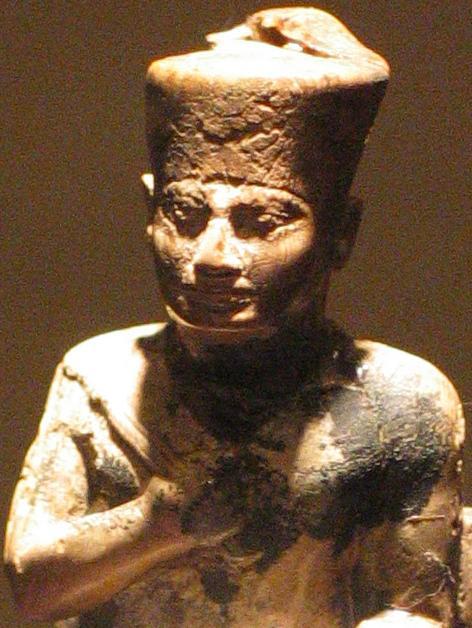
- ADeclared himself a god
- BControlled the food supply
- COld kingdom pharaoh
- DMade a white chapel of albaster
- EGreat military leader
- FMade the world's first peace treaty
- G"Patron of Arts"
- H1473-1458 B.C.E.
- IHad many mines for gold, gems, and copper
- JHe made the Dayr al-Bahri temple
12Pharaoh Kufu (select 3)
- AHe made the Great Pyramid of Giza
- B"The Pyramid Builder"
- C2551-2528 B.C.E
- DMiddle kingdom pharaoh
- E1290-1224 B.C.E.
- FHe built many monuments
- GHe ruled for over 60 years
- HHe made the temple Abu Sinbel
- IHe made religious architecture
- J1971-1926 B.C.E.
13Pharaoh Senusret (select 3)
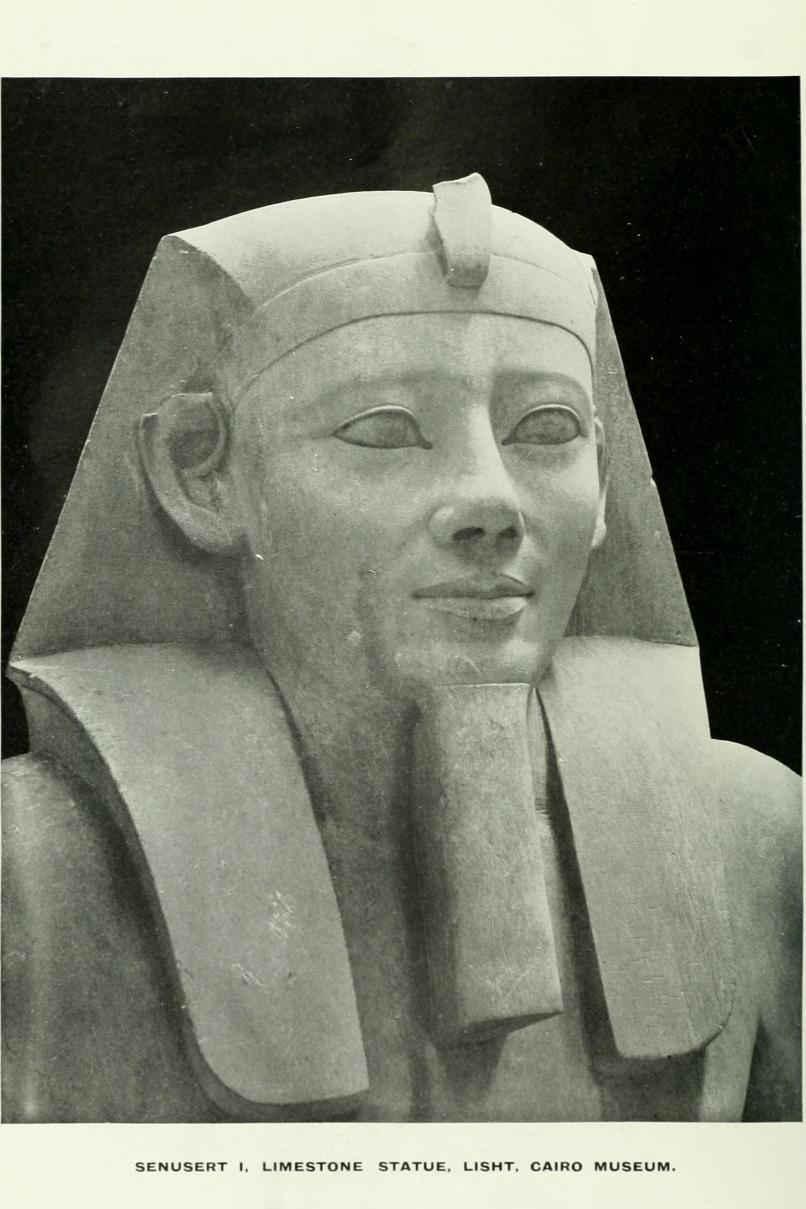
- A"Patron of Arts"
- B"Story of Sinhue" a great Egyptian literature.
- CMiddle Kingdom pharaoh
- DMade the Great Pyramid of Giza
- E1473-1458 B.C.E.
- FMade the world's first peace treaty
- GOld kingdom pharaoh
- HWent on trade expeditions to promote trade
- IBuilt the Abu Sinbel
- JRuled over 60 years
14Pharaoh Senusret (select 3)
- A1971-1926 B.C.E.
- BHe had mines of gold, copper, and gems
- CHe built a white chapel out of alabaster
- DHe declared himself a god
- E1290-1224 B.C.E.
- FNew kingdom pharaoh
- GHe controlled the food supply
- H"The Pyramid Builder"
- IHe built many monuments
- J2551-2528 B.C.E.
15Pharaoh Hatshepsut (select 3)
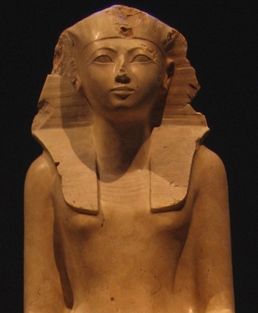
- A"Promoter of Trade"
- B1st female pharaoh
- CNew kingdom pharaoh
- D"The Pyramid Builder"
- EBuilt a white chapel out of alabaster
- F1290-1224 B.C.E.
- GMiddle kingdom pharaoh
- HShe controlled the food supply
- IShe was a great military leader
- JShe ruled over 60 years
16Pharaoh Hatshepsut (select 3)
- A1473-1458 B.C.E.
- BShe went on trade expeditions to encourage trade
- CShe built the Dayr Al-Bahri temple
- DShe declared herself a god
- EShe built the Abu Sinbel temple
- F1971-1926 B.C.E.
- GShe had mines of gold, copper, and gems
- HOld Kingdom pharaoh
- I"Patron of Arts"
- JShe created the Great Pyramid of Giza
17Pharaoh Ramses II (select 3)
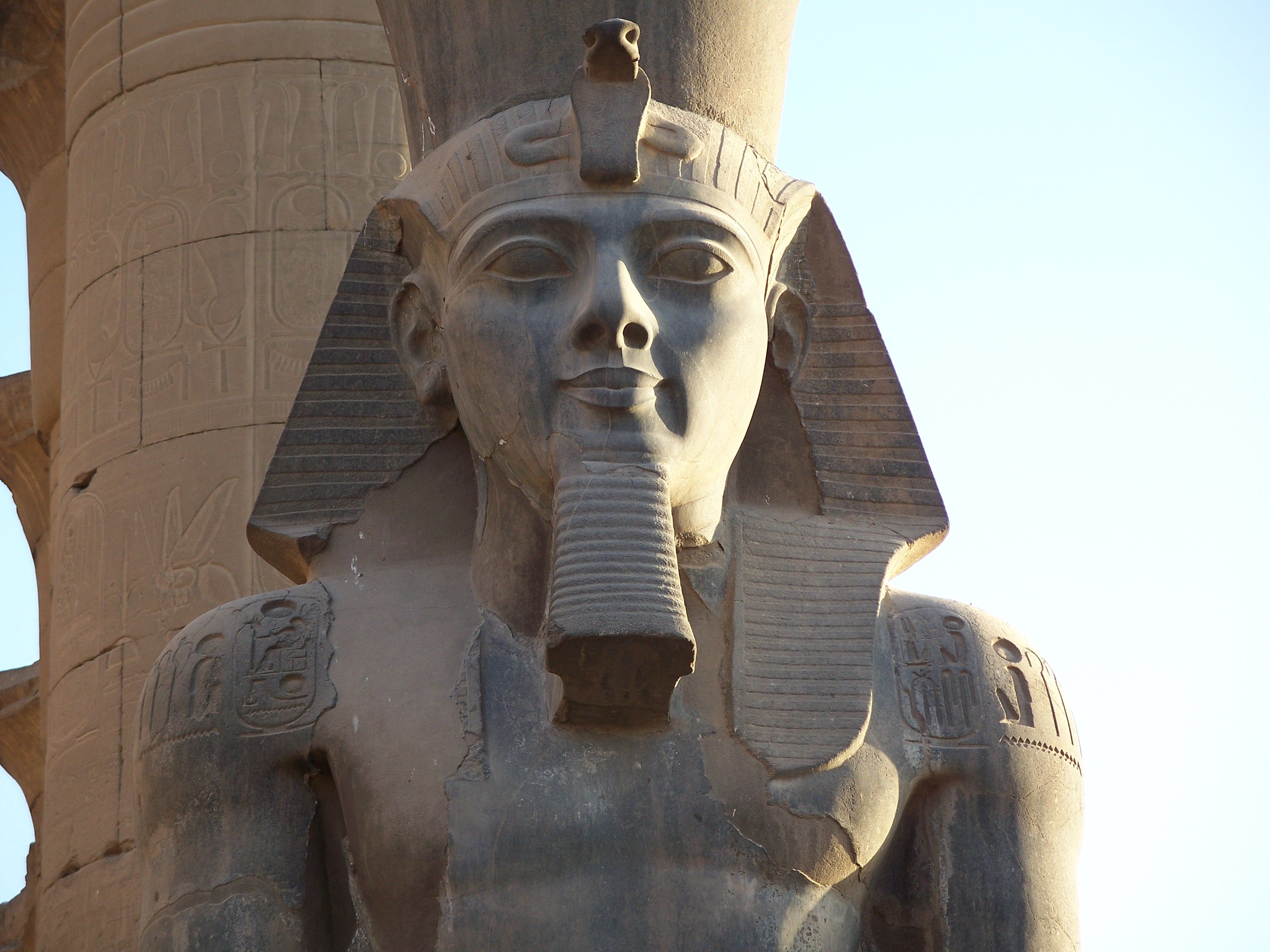
- AMilitary leader and master builder
- BHe built many monuments
- CNew kingdom pharaoh
- DOld kingdom pharaoh
- E"Patron of Arts"
- FHe built the Dayr Al-Bahri temple
- GHe declared himself a god
- HMiddle kingdom pharaoh
- I"Promoter of Trade"
18Pharaoh Ramses II (select 3)
- A1290-1224 B.C.E.
- BHe made the world's first peace treaty
- CHe built the temple Abu Sinbel
- D"The Pyramid Builder"
- E2551-2528 B.C.E.
- FHe had mines of gold, copper, and gems
- GHe built a white chapel out of alabaster
- HHe went on trade expeditions to encourage trade
- I1473-1458 B.C.E.
- JHe built the Great Pyramid of Giza
19Old Kingdom (select 3)
- A"Age of Pyramids"
- B2700-2200 B.C.E.
- CStrong central government
- D2000-1800 B.C.E.
- E1600-1100 B.C.E.
- FChaos and disunity
- GAchievements in art, literature, and architecture
- H"Golden Age"
- IPeaceful and an increase in trade
- JHeight of Egypt's power
20Middle Kingdom (select 3)
- A2000-1800 B.C.E.
- BAchievements in art, literature, and architecture
- CChaos and disunity
- D2700-2200 B.C.E.
- E1600-1100 B.C.E.
- F"Age of Pyramids"
- GStrong central government
- H"Golden Age"
- IPeaceful and an increase in trade
- JHeight of the Egyptian power
21New Kingdom (select 4)
- A1600-1100 B.C.E.
- BPeaceful and an increase in trade
- C"Golden Age"
- DHeight of the Egyptian power
- E2700-2200 B.C.E.
- F2000-1800 B.C.E.
- GStrong central government
- H"Age of Pyramids"
- IAchievements in art, literature, and architecture
- Jchaos and disunity
22What role did the Nile play in the Egyptian empire?
- AIt provided fish and other seafood for the Egyptians.
- BIt blocked out invaders from the north and the south.
- CIt created fertile farm land.
- DIt provided transportation.
- EIt created the desert.
- FIt provided mud to build with
- GIt gave them water to drink and bathe in.
- HIt was a place to admire the gods.
23Which of the following did the Egyptians believe about the afterlife?
- AAll of your guts except the heart were useless.
- BThe gods weighed your soul with your heart.
- CYou needed a spell book to defeat or trick monsters.
- DThe afterlife was just like real life.
- EYou are tortured.
- FYou became a god.
- GYour "ka" must reunite with your body.
- HYou reincarnate as the pharaoh.
- IIf you lived a bad life you are fed to a crocodile/hippo/lion creature.
24What are the basic steps of mummification?

- ATake out the organs and put them in jars
- BPour salt into the body
- CWrap the body in linen cloth
- DPut magical amulets onto the body
- EPut the body in the sarcophagus and bury
25Label the levels of the social pyramid
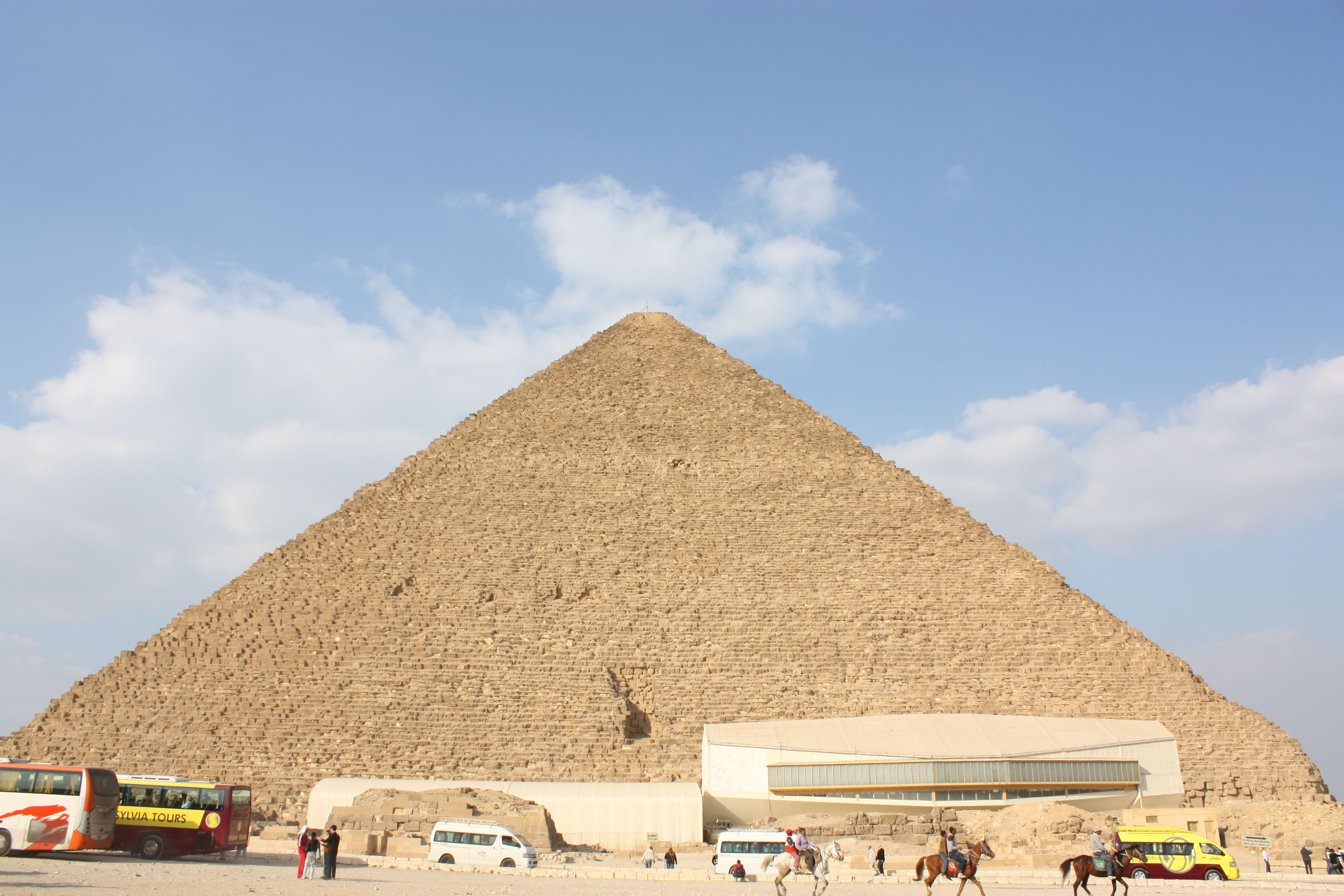
- APheasants
- BArtisans
- CScribes
- DPriests
- EGovernment Officials
- FPharaoh
26Why were scribes high up on the social ladder?
- ABecause they were the only ones who knew how to write
- BBecause no one else wanted to go to scribe school
- CBecause writing is hard
- DBecause they were the children of pharaohs and government officials
- EBecause they own vast properties
27Why were river valleys important?
- ABecause the air is cooler there
- BBecause they have more fertile soil
- CBecause they hid them from attackers
- DBecause they were pretty
- EBecause I don't know
28Label this map.
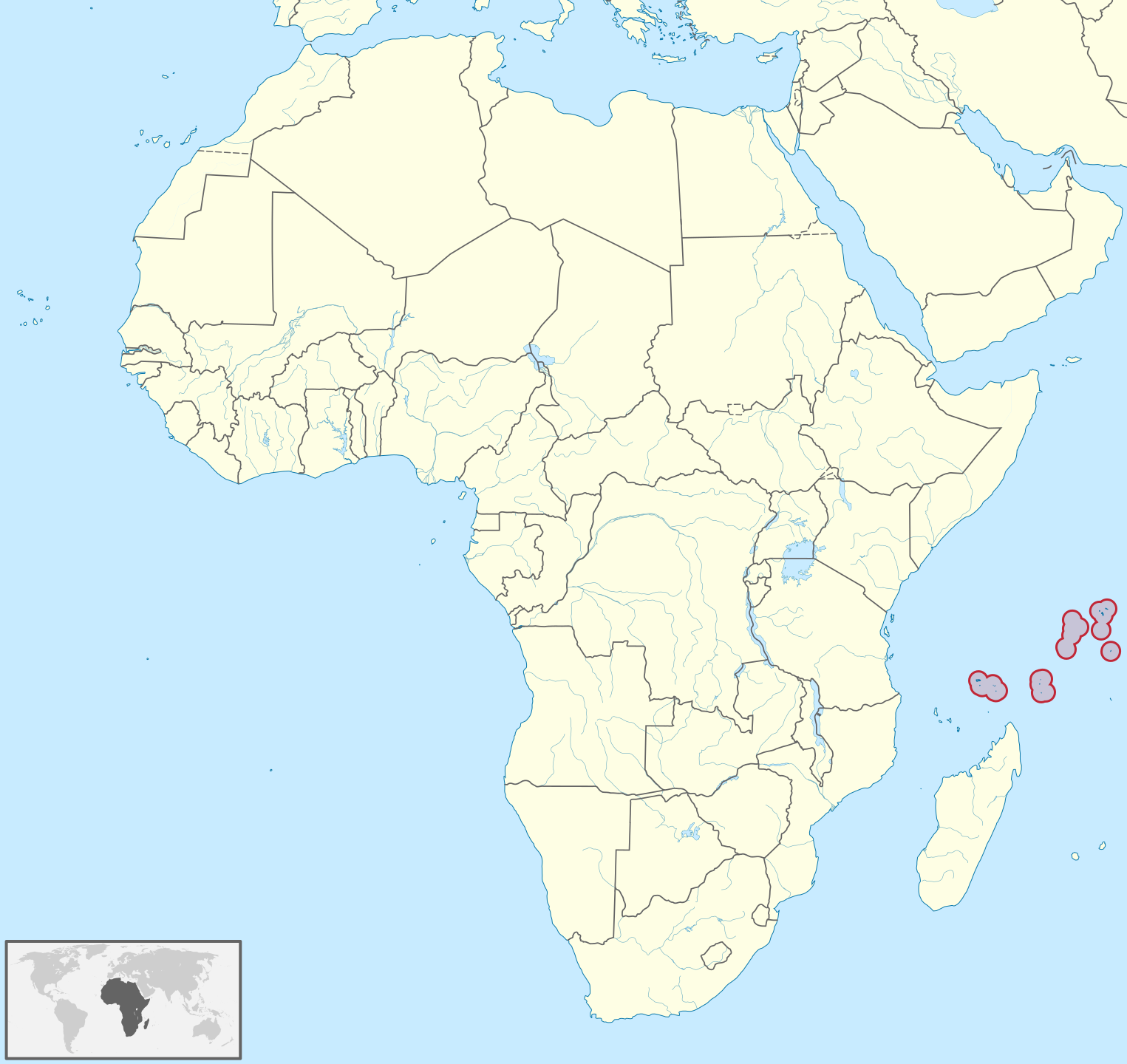
- AThe Atlantic Ocean
- BSudan
- CEgypt
- DThe Sahara Desert
- EThe Nile River
- FThe Tigris River
- GThe Euphrates River
- HSaudia Arabia
- IThe Fertile Cresent
- JThe Red Sea
- KEthiopia
- LThe Arabian Sea
- MThe Mediterranean Sea
- NThe Indian Ocean
Informationen
- Beschreibung
- 6th grade World History (Ancient Civilizations) Quiz am Ancient Egypt Study Guide, erstellt von Brandon Wooledge am 27/10/2017.
- Autor
- Brandon Wooledge
- Sprache
- English
- Aufrufe
- 204
- Schlagwörter
- Bewertung
- Noch keine Bewertungen Bewerte dieses Quiz