
Karteikarten
Cells: Basis of Life
Karten in diesem Stapel (29)
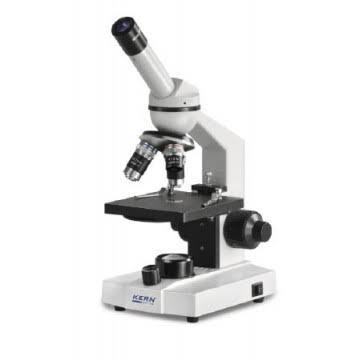
- 1Anatomy of a MicroscopeOcular lens
Body tube
Nose piece
Arm
Objective lens
Clips
Stage
Condenser unit & iris diaphragm
Fine focus screw
Coarse focus screw
Light source/mirror
Metal base - 2Calculating MagnificationTotal magnification =
ocular x objective
Actual specimen size =
size of image ÷ total magnification - 3Plant cell parts- Intercellular space
- Chloroplast
- Cell wall
- Rough ER
- Ribosomes
- Cytoplasm
- Vacuole
- Smooth ER
- Plasmalemma (membrane)
- Mitochondrion
- Dictyosome (collects/transports proteins)
- Nucleus
- Nuclear membrane
- Nucleolus
- Chromatin Network
- Nucleoplasm
- Nucleopore - 4Animal cell parts- Golgi body (formed by Dictyosomes)
- Smooth ER
- Chromatin Network
- Centriole (cell division)
- Nucleopore
- Nucleolus
- Nuclear membrane
- Plasmalemma
- Nucleoplasm
- Cytoplasm
- Mitochondrion
- Nucleus
- Vacuole
- Rough ER
- Ribosomes - 5Cells Structure (all cells)- Cell membrane*
thin boundary layer, enclosing cytoplasm
- Cytoplasm*
thick, jelly-like liquid holding particles/structures
- Nucleus
control centre, with Chromatin Network
- Organelles
single unit structures with metabolic functions
*together form PROTOPLASM - 6Cell Wall- PRIMARY CELLULOSE CELL WALL
permeable
provides shape
- SECONDARY LIGNIN CELL WALL
permeable to gases & water
strength & protection
- MIDDLE LAMELLA
made of pectin (joins cells together)
- PITS
pores: communication & transport
- PLASMODESMATA
threads of cytoplasm that run through pits & join cytoplasm to other cells (communication & transport) - 7Structure & Function of Cell Membrane- Cell membrane: forms organelles
- Phospholipid bilayer: surrounds & protects cytoplasm
- Carrier proteins: control substance movement
- Channel transport proteins: control substance movement
- Organelles: allow specific metabolic reactions to occur together
- Carbohydrates: cell recognition
- Modified parts: relative functions - 8Cell Membrane FLUID MOSAIC MODEL- Selective permeablity
- Has a complex structure with different functions - 9Special Structures of Cell Membrane- Microvilli: Incr. surface area for absorption
- Pinocytic Vesicles: produced in pinocytosis to take up LIQUIDS
- Phagocytic Vesicles: produced in phagocytosis to take up PARTICLES using PSEUDOPODIA - 10Fluid Mosaic Model- Carbohydrates
- Phospholipid bilayer: hydrophobic lipid tail
hydrophyllic phosphate head
- Cholesterol
- Proteins: Carrier
Channel
Peripheral
Integral - 11Processes of Movement through Cell MembraneDiffusion
Osmosis
Facilitated transport
Active transport - 12Simple Diffusion- Passive process (membrane need not be alive)
- Non-selective (move along concentration gradient)
- E.G. O₂, CO₂, water - 13Osmosis (Facilitated Diffusion)- Living membrane
- Selective permeability & CHANNEL proteins
- Passive process
- Moves along concentration gradient (with channel protein)
- ONLY water - 14Facilitated Transport- Living membrane
- Selective permeability & CARRIER proteins
- Passive process
- Moves along concentration gradient (with carrier protein)
- E.G. glucose - 15Active Transport- Living membrane
- Selective permeability & CARRIER proteins
- Active process
(cellular respiration provides ATP energy)
- Move against concentration gradient
- E.G. Na & K ions - 16Processes for Taking up Nutrients & Removing Waste- Endocytosis (taking in nutrients/food)
- Exocytosis (removing particles/metabolic waste) - 17Nucleus- "Brain" with info to make PROTEINS & ENZYMES
- 18Structure of Nucleus- Double nuclear membrane: encloses & protects chromatin network
- Nucleopores: controls movement
- Nucleoplasm: fluid making up body of nucleus
- Chromatin Network: strands of DNA
- Nucleolus: dense mixture of DNA, RNA & proteins - 19Endoplasmic Reticulum (ER)- An organelle in the cytoplasm
- Connects cell membrane and nuclear membrane - 20Cytoplasm- A fluid body
- CONTAINS the organelles
- Medium of movement between cells - 21Ribosome (organelle)- Attached to ER
- Spread throughout cytoplasm
- Site of protein synthesis - 22Vacuole (organelle)- Plant = 1 Lrg
Animal = Many Sml
- Selective permeability of TONOPLAST (membrane)
- Tonoplast provides turgidity &
controls movement of substances - 23Functions of Vacuole (organelle)- Phagocytosis: takes up food
- Pinocytosis: takes up fluids
- Lysosome (peroxisome): contains peroxidase
- Contractile vacuole: controls water content - 24Mitochondrion Structure (organelle)- Double membrane: smooth outer
folded inner
- Crista: site of ATP synthesis
- Matrix: fluid with compounds for cellular respiration - 25Golgi Body (animal)/ Dictyosomes (plant)- Linked to ER
- Sort & store cellular secretions
- E.G. Enzymes - 26Plastids (in plants only)- Leucoplasts: store substances in mature plants, with little sun exposure
- Chromoplasts: RED & YELLOW pigments
- Chloroplasts: GREEN coloured cells in plants & algae - 27Chloroplast: Structure- Double membrane
- Stroma
- Granum
- Inter-granum lamella
- Thylakoid
- Chlorophyll - 28Chloroplast: FunctionsMain function is PHOTOSYNTHESIS
- Double membrane: smooth, for easy movement
- Stroma: inner fluid of compound, enzymes & starch
- Granum: stacked thylakoids for incr. surface area
- Inter-granum lamella: membranous bridges connecting grana
- Thylakoid: membrane structures with cholorophyll
- Chlorophyll: green light-sensitive pigment needed for photosynthesis - 29Centrioles- "Anchors" to separate chromosomes during division
- All living animals have a centrosome
- 2 centrioles = 1 centrosome
Informationen
- Beschreibung
- A summary in the form of key cards on cells as the basis of all life, and everything that goes with it.
- Erstellt von
- Lila de Wet
- Aufrufe
- 26
- Tags
- Bewertung