
Karteikarten
B1.2
Karten in diesem Stapel (8)
- 1B1.2 What happens in cellsDNA
-it is genetic material that is a polymer.
-it is found in the nucleus
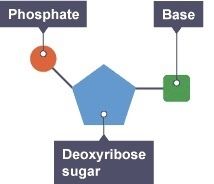
- a large and complex molecule - 2Description of DNA -made up of two strands that form a DOUBLE HELIX. -have complimentary base pair of A and T, C and G. -has strong covalent bonds and a sugar phosphate backbone.DNA also can create Chromosomes (which are thread made up of DNA.) Chromosomes are made up of genes.
- 3Genes -these are small sections of DNA -they code for a specific sequence of amino acids to make a specific protein. -they can be copied and can be passed on to the next generation.Enzymes are BIOLOGICAL CATALYSTS that break substances down. E.g carbs, proteins and lipids.
LOCK AND KEY. METHOD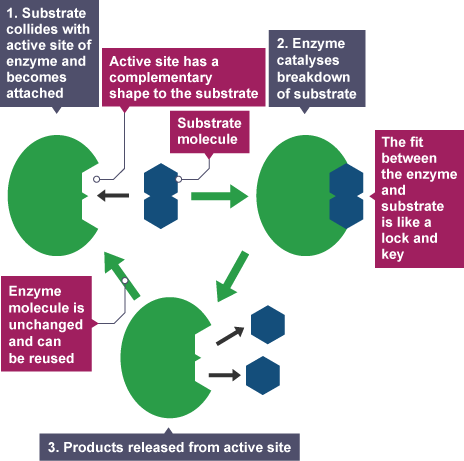
- 4Enzymes -each enzyme has a specific active sit so it can bond to a specific substrate or substrates.Factors affecting enzyme action.
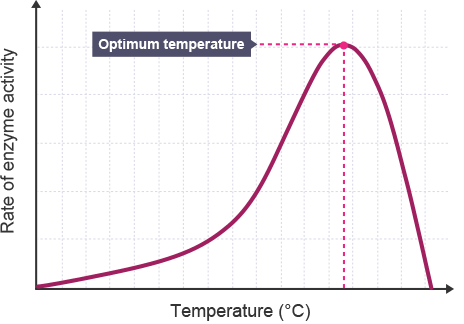
-low temperatures decrease the number of collisions and molecular movement.
-high temperatures change the active site which causes it to denature. - 5. Amino acids. -amino acid chains can form enzymes -they have strong forces to hold it together and create its shape. High temperatures break the forces. Causing it to change shape.
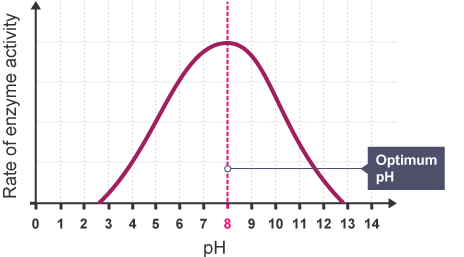
- 6Affects of pH -each enzyme works best at a certain pH. -e.g enzymes in digestive system work best at 7.0pH-7.4pH. -amino acids have charges and changing pH affects the charge. - cashing it’s shape to changeOnce the enzymes reaches its optimum pH. It becomes denatured and won’t break down substrates.
- 7Substrate concentration. -enzymes work best when there are plenty of substrates available. Increased concentration= increased enzyme activity. Enzyme concentration. - Increased activity= more substrates broken down.Sometimes the substrates or enzymes can exceed the others amount. Therefore, the enzyme may run out of substrates to break down or have too many. This will slow the reaction.
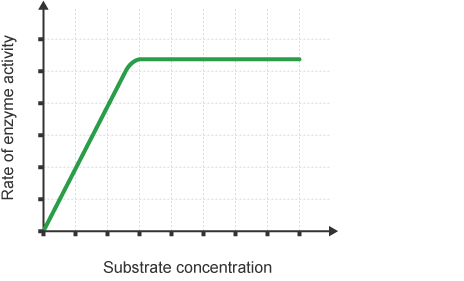
- 8Rate of reaction =amount of reactant used or product formed divided by time taken - the time it takes for a reaction to take place. -every reaction has different speeds.Increasing rate of reaction
-temperature increased
-Using a catalyst
-solid pieces being made smaller
- pressure of reacting gas increased
-concentration increased.
Informationen
- Beschreibung
- DNA, genes and chromosomes. Rate of reaction. Enzymes Factors affecting enzyme reactions
- Erstellt von
- Abbie Gray · Aug 2020
- Aktualisiert
- 6 Aug 2020
- Aufrufe
- 12
- Tags
- Bewertung