
Karteikarten
Joining Processes
Karten in diesem Stapel (59)
- 1what are the types of joining processes in metal?mig welding
arc welding
spot welding
tig welding
(MAST) - 2what are the types of joining processes in wood joints?dovetail
mortise and tenon
finger
corner bridle
lap
tongue and groove
biscuit
mitre, butt joints - 3what are the types of temporary joining processes in knock down joints?cam fittings
captive nuts
block connectors
corner plate
barrel nut and bolts
screw socket - 4what are the types of temporary joining processes in riveting?solid
pop - 5what are the types of temporary joining processes in screws?self tapping screws
nuts and bolts
captive nuts - 6what are the 6 main types of construction in wood?flat frame
stool and table
carcase or box
slab
construction - 7flat frame constructionjoined to flat shapes such as doors window frames and picture frames
- 8stool and table frame constructionsupporting frame from legs and rails such as tables, chairs and stools
- 9carcase or box constructionwooden planks are joined to make box shapes such as cabinets, drawers, tool boxes and bookshelves
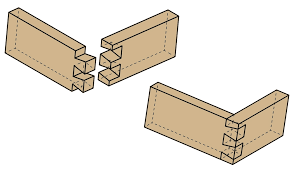
- 10dovetail jointbacks of drawers
tapered shape to resist force applied to joints when drawer is in use
strong
decorative - 11mortise and tenon jointchairs and tables
no obvious sign on the outside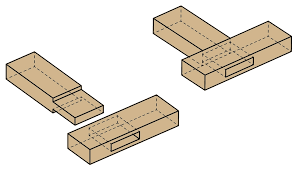
- 12finger jointseasy(no dovetail type angles)
strong(large gluing area)
often in machine tools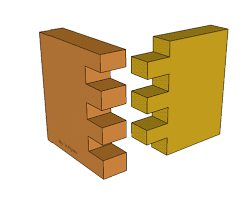
- 13plain bridle joint(corner)frame constructions resistant to high sideways pressure
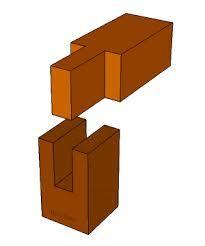
- 14lap jointstrong(larger area being glued)
less end grain show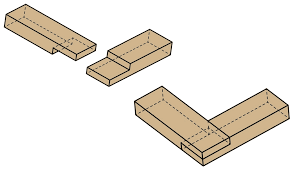
- 15dowel jointeasier than mortise and tenons rails or feet can be shaped to fit the curve of the legs before drilling holes for the dowels to be inserted.
ensure accuracy
dowels are made of hardwood called Ramin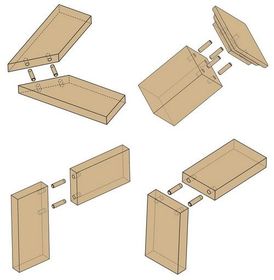
- 16tongue and groove jointinserting biscuit dowels, splines or tongues between the edges
often in machine tools
large areas like table tops stay flat bc match the boards when gluing(reversing direction of the end grain on each alternate board so that any movement that may occur later across the boards will be evened out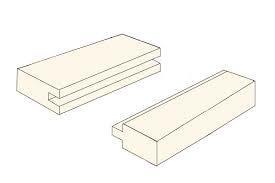
- 17mitre jointneat(hidden end grain)
strengthened by nailing or insetering splines of veneer into saw cuts across the joint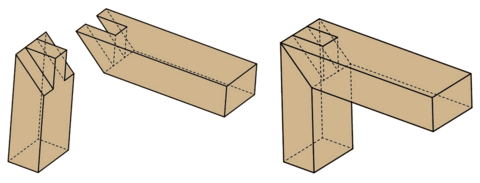
- 18butt jointquickest
simplest
not strong(needs dovetail nailing or dowels)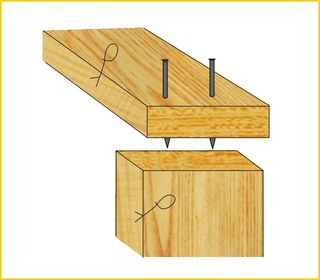
- 19twin mortise and tenon jointjoins thick rails to wide legs or stiles
twin tenon is stronger that single tenon in thick rails bc increased gluing area
tenon has to be as thick as the gap between them
used when a rail's side is joined into the face of a leg(pin tenons)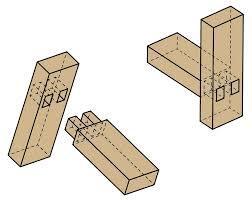
- 20corner plateused to secure legs on table
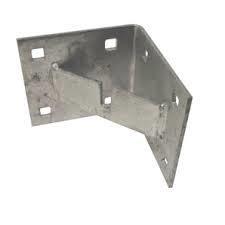
- 21block connectors90degree joint
used for cheap furniture and kitchen cabinets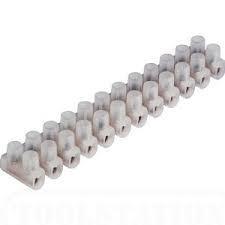
- 22barrel (nut and bolt) fittingused in flat pack self assembly furniture
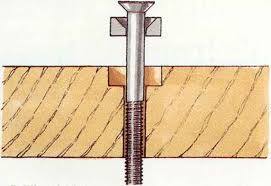
- 23cam fittingused in chip board flat pack furniture
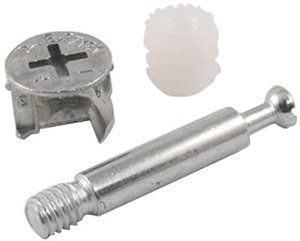
- 24screwsused to fit materials such as chipboard, MDF and natural woods
both permanent and temporary joints - 25types of temporary jointscountersunk slot head
raised head
round head
pazidrive
chipboard
self tapping - 26nuts and boltstemporary
used with wood plastic metal - 27machine screw, countersunk head(set screws)used when heads needs to go below the surface of the work
this screw is threaded along its entire length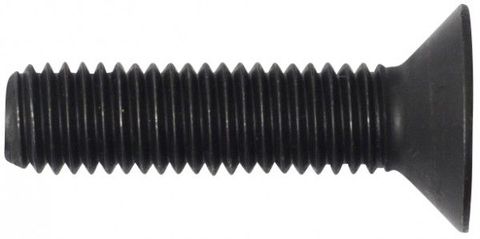
- 28wing nutused when nuts need to be removed by hand
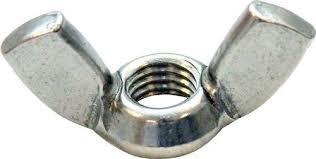
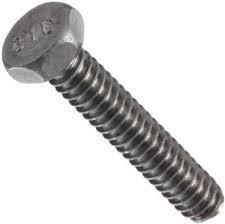
- 29machine screw, hexagonal headhas thread that goes up to the head
- 30coach boltsjoins wood
shallow doomed head with square under it
square bites into wood and stops the bolt from turning when being tightened.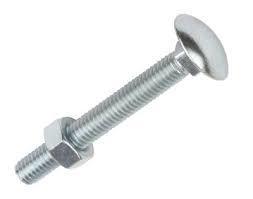
- 31hexagonal boltsup to 15cm long
6-25mm in diameter
square of hexagonal heads
threaded for part of their length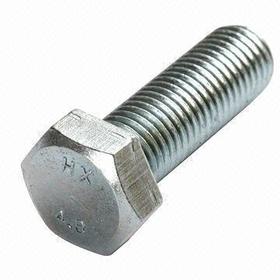
- 32hexagonal nutstightened with spanner
washers should be with nuts to prevent damage to surfaces being joined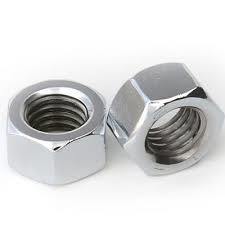
- 33nylock nutsused when other nuts vibrate loose
nut firmly grips screws as it's tightened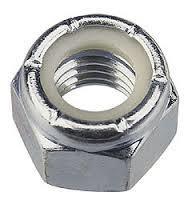
- 34washersused under nut and other bolt heads
spreads the load and protects surfaces from damage that may be tightening the nut or bolt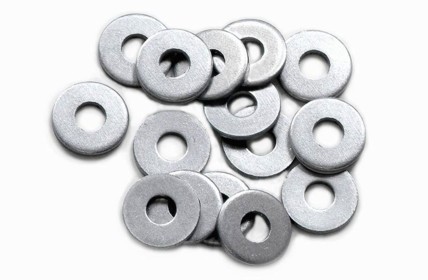
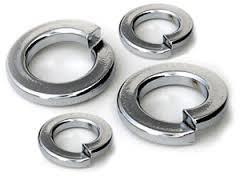
- 35spring washershelp prevent nuts and bolts from coming off by viration
- 36Rivetspermanent joint in metal
available in aluminium, copper and steel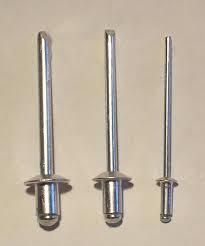
- 37types of common rivet head shapesround(snap)
countersunk
flat - 38bifurcated rivetsused for joining leather and plastic
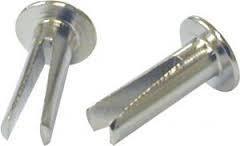
- 39pop/blind rivetsused when joining thin sheet metal
advantage: can be set from one side only
weaker than solid rivets bc of softer material and is hollow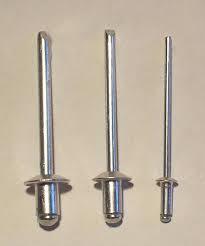
- 40pop rivetingused to join thin metal/plastic
has pin and rivet
pop rivet pliers are used to pull metal and plastic pieces - 41tpypes of glues and adhesivesPVA(polyvinyil acetate)
contact (impact) adhesive
synthetic resin glue(cascamite or aerolite)
epoxy resin
DIY all purpose adhesives
cyanoacrylate superglue - 42PVA(polyvinyil acetate)wood glue
advtgs: strong
water resistant
doesn't stain
disadvtgs: some brands aren't waterproof - 43contact (impact) adhesivecorrect alignment is essential
rubber based
advtgs: clean
quick to use
no cramps are needed
disadvtges: little or no time for repositioning
ventilation is essential - 44synthetic resin glue(cascamite or aerolite)used on wood
strong
waterproof
powdered
high quality and suitable for all furniture
economical
needs to be cramped 4-6h until set
very hard and blunts tools - 45epoxy resinwater resistant
sticks to almost everything
expensive
lasts for 2-3 days - 46DIY all purpose adhesivesstrong
clean
not waterproof
highly inflammable - 47cyanoacrylate superglueclear liquid glue
dangerous
expensive for large areas
debonder is available - 48hot-melt glueclear glue
glue gun
not strong
messy
chills quickly - 49EMA liquid solvent cement/tensol 12water like consistency
dries quickly - 50rigid polyesterenecan be joined with Liquid poly
- 51safety for gluemany are flammable and give off toxic odour, so they should be used in well ventilated area.
- 52tips on gluing1. surfaces must be clean, dry and grease free
2. key surfaces(roughen it)
3. pressure should be applied to joint while glue sets(G-cramp)
4.dry cramp before gluing
5. follow manufacturers instructions
6. check for squareness and correct assemblance. wipe of surplus. - 53solderingpermanent
uses alloy which has a lower melting point than the metal, being used as a glue - 54fluxprotect cleaned surface from oxidisation during heating
break down surface tension of filler rod so that solder will run or flow into the joint - 55soft solderingjoin electric wires, components and circuit boards and tinplate
made of tin(60%), lead(40%) and melts at 400 degrees C - 56hard solderingsolders made of copper, zinc and silver alloys
includes brazing and silver soldering - 57silver solderingsimilar to brazing, but is stonger and melts at lower temperature
used to join copper, brass and jewellery - 58types of weldingelectric arc welding:
faster than gas welding in steel
oxy-acetylene welding:
uses gas to produce intense heat - 59spot weldingused for thin sheets of metal such as car bodies by robots
Informationen
- Beschreibung
- Karteikarten am Joining Processes, erstellt von 19leesia am 28/02/2016.
- Erstellt von
- 19leesia
- Aufrufe
- 49
- Tags
- Bewertung