
Karteikarten
Weathering
Karten in diesem Stapel (20)
- 1What is weathering?Weathering in geology means the physical and chemical processes that break rocks down.
- 2What are the different ways of physical weathering?Temperature change
Action of water and ice
crystallisation of salts
wind
living plants - 3TemperatureSolids expand when they are heated and contract when they are cooled.
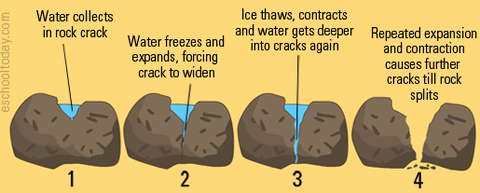
- 4Ice & WaterIce can split rocks by cooling them rapidly. Ice also widens cracks in rocks. This is because any water that enters cracks will expand if it freezes.
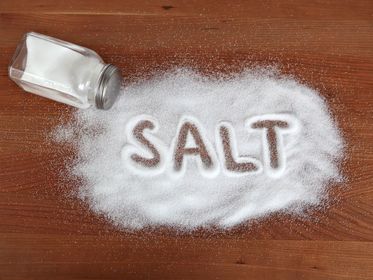
- 5SaltsWater in the soil often contains dissolved chemicals called salt. If the crystals form inside a rock, then the expanding crystals can put a tremendous pressure on the rock and can break pieces off.
- 6WindFine particles of rock carried by wind can cause physical weathering. These fine rock particles blast the rock surface, wearing pieces away.
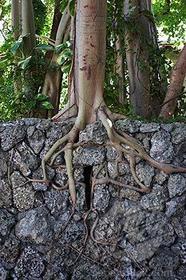
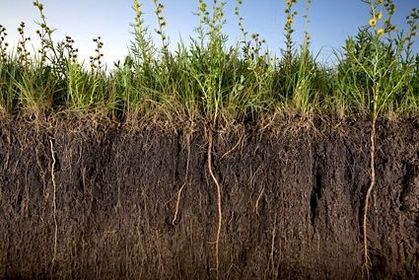
- 7PlantsPlant roots can split rocks. They can grow through fine cracks, or even create their own cracks.
- 8What is chemical weathering?Chemical weathering involves water and chemicals in the water and air reacting with the rock and changing it.
- 9GasesAir contains oxygen and carbon dioxide, and both can react with certain types of rocks. These gases make the rock change to form different chemicals that do not hold together as strongly.
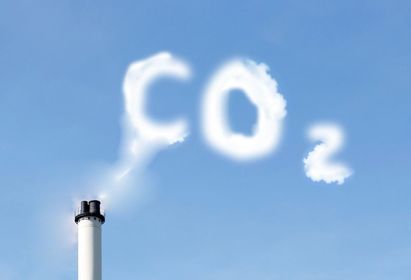
- 10AcidsRainwater contains dilute acids that attack the rock. The acids can naturally form in the air during lightning, but pollution also forms acids in the air.
- 11WaterSome rocks have soluble materials in them. This means that they can be dissolved by rain and running water, removing the 'cement' that holds the rock together.
- 12What is erosion?Erosion is the removal of small rock particles.
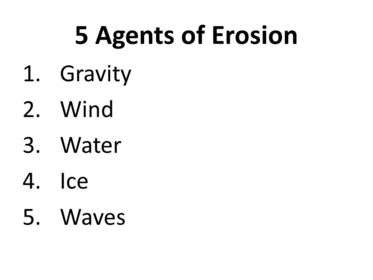
- 13What are agents of erosion?Agents of erosion are the wind, ice and water that carry the small rock particles.
- 14SedimentationSedimentation is the process of depositing eroded rock particles.
- 15SoilsSediments are the basic components of soil. The other components of soil are living organisms, decaying wastes, dead leaves, twigs and insects, water, dissolved minerals and gases.
- 16TextureTexture is determined by the size of the particles that make up the soil. The main particles in soil are classified as clay, silt and sand.
- 17StructureStructure refers to how well the soil particles join up to form soil clods or crumbs.
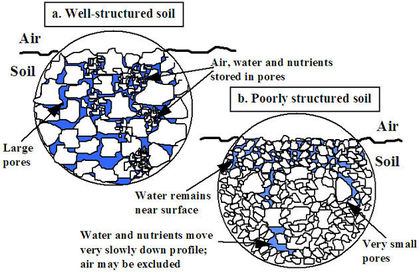
- 18Water-Holding CapacityWater-holding capacity is a measure of how much water a particular amount of soil can hold. Some soils hold onto water very strongly, so strongly that it is hard for plants to extract the water they need from them.
- 19PermeabilityPermeability is a measure of how fast water enters the soil. If water enters the soil slowly and permeability is low, then the water is likely to run off and not enter the soil.
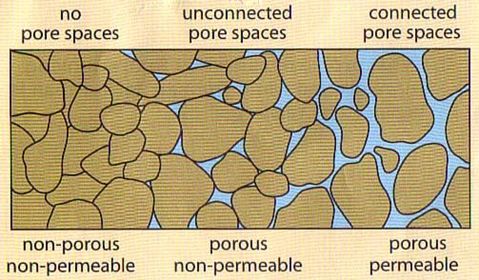
- 20ConsistencyConsistency is the tendency of soil particles to stick together.
Informationen
- Beschreibung
- Karteikarten am Weathering, erstellt von Amar Jehel am 01/12/2016.
- Erstellt von
- Amar Jehel
- Aufrufe
- 162
- Bewertung