
Karteikarten
2. Physical Development in Infancy
Karten in diesem Stapel (29)
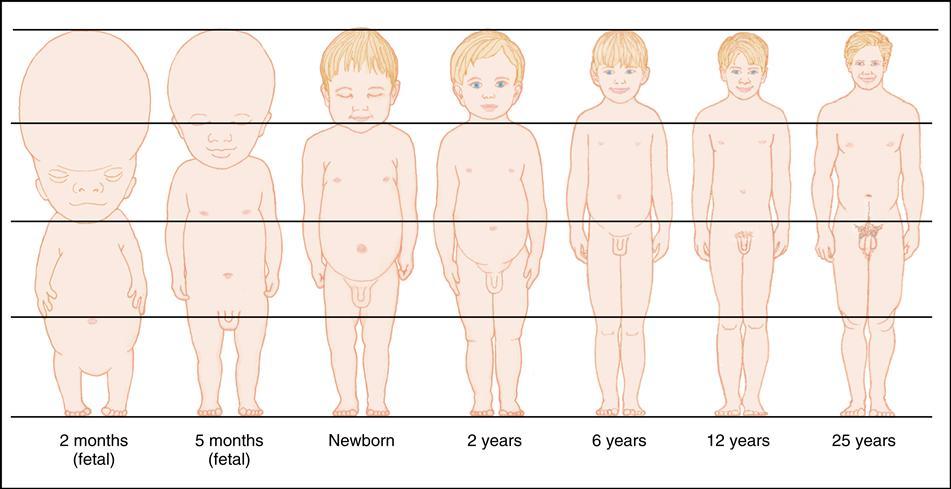
- 1CEPHALO-CAUDAL DEVELOPMENT (‘Head to tail’)Development is sequential but uneven as it affects parts of the body differently.
Head and brain = rapid development compared to the rest of the body.
Mid-line body progresses faster than the arms and legs (extremities) because the brain controls the organs. - 2CEPHALO-CAUDAL DEVELOPMENT (‘Head to tail’)Rate of growth is never so rapid throughout the other life stages.
Physical development skills especially Gross motor skills progress rapidly in INFANCY but SOCIAL DEVELOPMENT starts slowly and continues throughout life. - 3CEPHALO-CAUDAL DEVELOPMENT (‘Head to tail’)
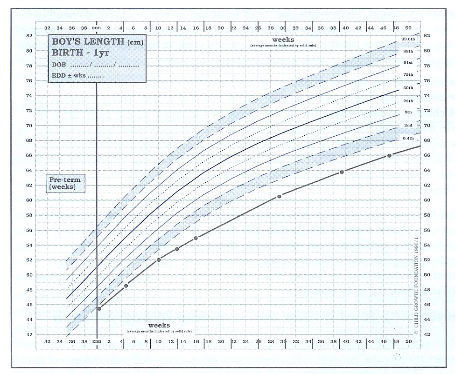
- 4Centile ChartsCentile charts show the position of a measured parameter within a statistical distribution. They do not show if the parameter is normal or abnormal. They only show how it compares with that measurement in individuals.
- 5Centile Chart
- 6Failure to thrivefind info
- 7Endocrine diseasefind info
- 8Growth hormone deficiencyfind info
- 9Hypothyroidismfind info
- 10Turner Syndromefind info
- 11STEPPING REFLEXWhen held with its feet touching the ground, the baby’s legs will make walking movements
- 12STEPPING REFLEX
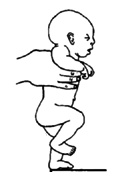
- 13GALANTWhen held by a hand under the chest, the baby will straighten its legs and will often lift its head to look forward
- 14GALANT
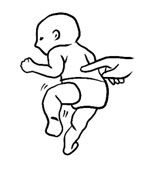
- 15MORO/STARTLE REFLEXWhen startled, a baby throws out its arms and legs – then pulls them back with curved fingers. Its eyes widen too
- 16MORO/STARTLE REFLEX
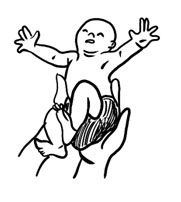
- 17SUCKING REFLEXWhen its mother’s nipple or an object is placed in its mouth, the baby will suck
- 18SUCKING REFLEX
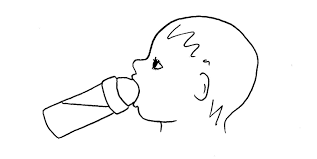
- 19ROOTING REFLEXThe baby turns its head in the direction of something touching its face – enabling it to find its mother’s nipple
- 20ROOTING REFLEX
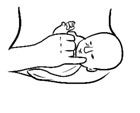
- 21(PALMAR) GRASPING REFLEXA baby will tightly grasp an object that’s placed in its hands
- 22(PALMAR) GRASPING REFLEX
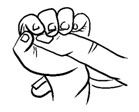
- 23PLANTARThe baby will curl its toes in response to having its feet tickled
- 24PLANTAR
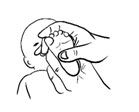
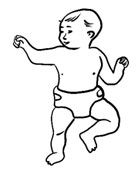
- 25ATNR (asymetrical tonic neck reflex)(Archer pose)When the child's head is turned to the side, the arm on that side will straighten and the opposite arm will bend
- 26ATNR (asymetrical tonic neck reflex)(Archer pose)
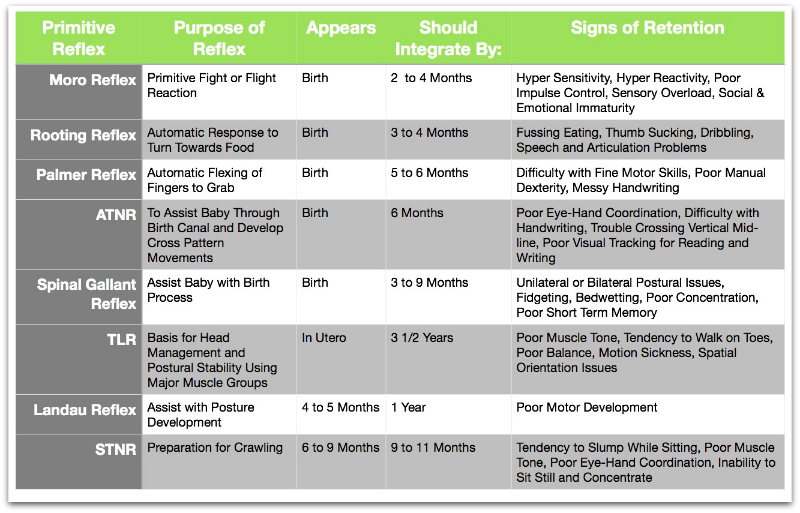
- 27Retained Primitive Reflexes as a Sign of Brain ImbalancePrimitive reflexes are the first part of the brain to develop and should only remain active for the first few months of life. Retained primitive reflexes can lead to developmental delays
- 28Postural reflexesDuring the first year replacement reflexes, called postural reflexes, emerge. Postural reflexes are more mature patterns of response that control balance, coordination and sensory motor development.
- 29Retention of Primitive Reflexes
Informationen
- Beschreibung
- A level Health and Social Care Karteikarten am 2. Physical Development in Infancy, erstellt von Tyler Erasmus am 11/05/2017.
- Erstellt von
- Tyler Erasmus
- Aufrufe
- 1
- Bewertung