
Karteikarten
GCSE AQA Chemistry - Unit 1 - Bits I Find Tricky
Karten in diesem Stapel (33)
- 1How many elements are there in the periodic table?About 100 elements
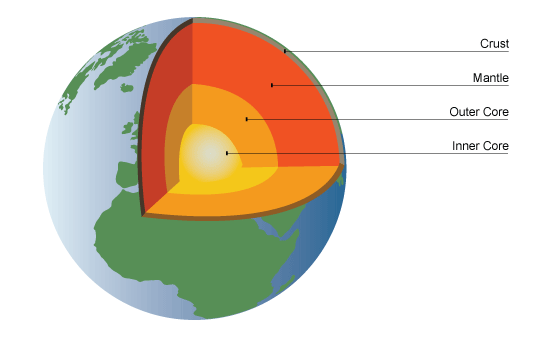
- 2What layers make up the Earth?
- 3Which parts of the earth are cracked into a number of large pieces (tectonic plates)?The upper mantle and crust
- 4Why do the tectonic plates move? What speed do they move at every year?-Convection currents in earth's mantle
- Because of heat released by natural radioactive processes
- Cause plates to move at relative speeds of a few cm every year - 5Describe the nature of the mantleMostly solid but can move slowly
- 6What has extra carbon dioxide done to the environment (e.g. oceans)?Oceans are reservoir for CO2
Increased amount of carbon dioxide absorbed by oceans has an impact on marine environment
- more carbonate rocks formed
- coral reefs dying - acidic conditions due to excess CO2 - 7What happens to the carbon in the air in relation to limestoneCarbon in air gradually becomes locked up in sedimentary rocks as CARBONATES and FOSSIL FUELS
Hydrocarbons were made from the remains of plants and animals
Limestone from the shells and skeletons of marine organisms. - 8Positive aspects of exploiting limestone and producing building materials from it- Building materials
- Provides jobs
- People use money to buy items in shops, boosting economy
- Can turn into nature reserve - 9Negative aspects of quarrying- Sound pollution - explosions
- Visual pollution
- Dust pollution - asthma
- Global warming - vehicles
- Congestion, local roads
- Habitats - 10Evaluate the advantages of exploiting metal oresUseful products made
Creates job, brings money into economy
Can be used to improve country services - 11What does mining involve?Extracting (digging up) and processing large amounts of rock
- 12Disadvantages of mining- Subsidence creates holes (dangerous disused mines)
- Limited
- Habitats destroyed
- Noise, dust and pollution - increases traffic - 13What happens if you recycle metals?- Saves energy which comes from fossil fuels
- Burning fossil fuels = gw
- Reduces pollution of air and landfill
- Reduces expensive energy
- Uses only a fraction of energy used to make new metal
- Conserves resources - 14Why use/not use metals in building?Use:
- Copper wiring - doesn't rust,bends
- Lead: Roof work
- Steel girders
- Aluminium - corrosion resistant
Negatives of use::
- Rust = collapse
- Expensive than concrete
- Uses up limited sources - 15Impact on the environment of burning hydrocarbon fuels- Carbon dioxide emission (GW)
- Carbon monoxide (toxic)
- Sulfur dioxide - acid rain - 16Ethanol fuel production1) Biomass method using genetically modified E. coli bacteria, converts cellulose to ethanol
- Can use any crops, renewable
- its slow - 17Hydrogen as a fuelAdvantages:
- Wastes very little energy
- hydrogen + oxygen -> water + energy
- Almost renewable
Disadvantages
- Leaks can cause explosions
- Specially modified engines required
- Not many filling stations
- Electricity required to get hydrogen - 18Ethanol as a fuel: Hydration method2) Hydration with ethene
(but ethene is from crude oil cracking, non renewable, but it's economic)
- No waste products, H reused - 19Ethanol as a fuel: Fermentation method3) Fermentation
- Renewable resource
- Carbon dioxide - GW - 20BIOFUELS impactNOTE: ETHANOL/veg oil blended with petrol or diesel for use in normal engines
Pros
- Oil conserved
- More oil for other purposes e.g. medicine
- Release less CO2
Cons
- Food shortages
- Land cleared for biofuel crops - 21Products of combustion - ethanolCOMPLETE combustion
Ethanol + oxygen -> CO2 + water
INCOMPLETE COMBUSTION
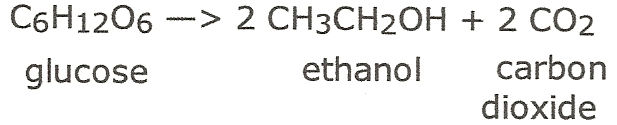
Ethanol + not enough oxygen --> CO + soot + water - 22Equation for fermentation
- 23Equation for hydrationETHENE + STEAM -> CATALYST -> ETHANOL
- 24What is crude oil used for?To produce chemicals and fuels but it is a limited resource
- 25Benefits of using polymers- Light
- Non - toxic
- Strong
- Easy to shape - 26Cons of using polymers- Wastes oil
- Litter if don't degrade
- Hard to recycle
- Landfills - 27Comparing ethanol fuel sourcesHydration is non-renewable
- Uses expensive high temperatures
- Pure ethanol
Fermentation is renewable
- Less expensive
- Have to purify ($$$) - 28Plant oils - effects on diet and healthVeg oils havea lot of energy - fried food lead to obesity
Tastier food, cooks more quickly
Unsaturated fats increase HDL AND reduce cardiovascular risks - 29Emulsifiers - evaluation- Tempting to eat, creamier, thicker
- Eat too much fatty food - 30Wegener's revolutionary theory wasn't accepted initially because...- Was not a geologist
- Tectonic plates not discovered
- Maybe sea level dropped, causing animals to migrate?
- Didn't know bout convection currents - 31How did life start?- Evolved elsewhere and travelled on meteorite to Earth
- Started by chemical reactions
- We still don't know how these turned into cells
- We can't know for certain what gases were present - 32Why can't scientists predict volcanos/earthquakes?They are random!
Scientists can use markers to monitor movement. - 33—
Informationen
- Beschreibung
- These are flashcards for the parts of the AQA C1 specification which I find tricky.
- Erstellt von
- Shreya Manna · Mai 2017
- Aktualisiert
- 6 Apr 2018
- Aufrufe
- 18
- Tags
- Bewertung