Mindmap
What makes us human?
Inhalt der Mindmap
What makes us human?
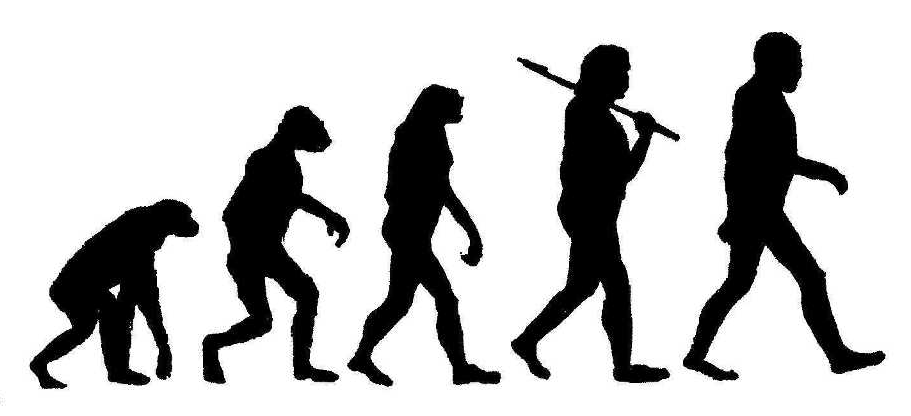
ORIGINS
- Origins
- 1.2% difference between genomes of humans & chimpanzees
- Varying physical trait similarities to humans : primates, apes, hominis
- Behaviour traits : tool use, symbolic communication, culture
- Environmental evidence : Laetoli footprints 3.5 million years ago, First Stone Tools 3.3 million years ago
- Homo habilis : larger brains, moderate brow, reduced dentition. Still significantly different to humans.
- Tutorial reflections - how does this fit with my faith and theism? According to this theory, are humans still humanly set apart in value?
THEORY OF MIND
- Definition: the ability to understand that our behavior and behavior of other humans is caused by internal mental states.
- Mental states - knowing, thinking, disliking, desiring
- Do other animals and non-human primates possess a theory of mind? eg. chimpanzees show a similar preference to their mother's face at birth
- Milestones: Following eye gaze, pointing, understanding others' intentions
- Personal reflection: ToM is vital to any human relationship - no relationship is complete without emotions and communication.
- Definition: the ability to understand that our behavior and behavior of other humans is caused by internal mental states.
GENETICS AND HUMAN BEHAVIOUR
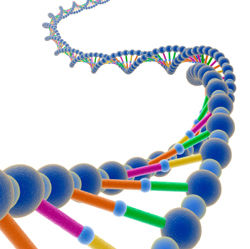
- Controversial genes: eg. Monogamy and Warrior gene (Bradley Waldroup case)
- Importance of environment: IQ (nature/nurture). "You inherit your environment just as much as your genes". J. Rich. ABO blood group is 100% heritability
- Designer babies: Available for 10 - 15 years, difficult to offer guarantees. No gene found to identify sexual orientation, antosocial behavior or intelligence within normal range (Nuffield Council, 2002)
- Around 50% of genetic ability comes from the environment children are subjected to - would not be fair therefore to stream children according to genetics.
CREATIVITY
- Various forms: material culture, bodily effect of culture, life events, sentimentality.
- Material culture = when usually ordinary object/place is made significant through folklore, stories and memorable meanings, eg. buildings, paintings, castles, landscapes.
- Bodily effect of culture: 19th century Chinese woman's shoes. Social status and feet (Reflection - high heels today?)
- Life events: weddings, graduations. Need materialistic objects to mark significance of occasion.
- Sentimentality: varying significance according to person
- Tutorial Reflection: Creativity is vital for building relationships
- Various forms: material culture, bodily effect of culture, life events, sentimentality.