
18764313
Beschreibung

Mindmap von Sandra Patricia Gutierrez Romero, aktualisiert more than 1 year ago

|
Erstellt von Sandra Patricia Gutierrez Romero
vor mehr als 6 Jahre
|
|
GLOBALIZATION
- A worldwide movement that
integrates the world through
these factors:
- Work
- Capital
- Goods
- Technology
- Information
- Work
- Some aspects
that it
involves:
- Foreign
Trade
- Flow of goods across
national political borders
(export //import)
- Flow of goods across
national political borders
(export //import)
- Multinational
Enterprise
(MNE)
- Enterprise producing
goods or delivering
services in more than
one country.
- 1. Decentralized
corporation
- Strong home
country
presence
- Strong home
country
presence
- 2. Centralized
corporation
- Centralized
production home
country
- Centralized
production home
country
- 3. International
company
- based matrix
corporation
- based matrix
corporation
- 4. Transnational
enterprise
- 1. Decentralized
corporation
- Enterprise producing
goods or delivering
services in more than
one country.
- Foreign Direct
Investment (FDI)
- a company owns another
company in another
country
- Mergers &
Acquisitions
- Logistic
- Retail
- Manufacturi ng
- Facilities
- Administration
- Services
- Logistic
- Mergers &
Acquisitions
- a company owns another
company in another
country
- Global Business
- economic activity with
places across different
countries.
- economic activity with
places across different
countries.
- Emerging Economy
- Fast-growing economy in
Asian and Latin American
countries, with a political,
monetary and social risks.
- Fast-growing economy in
Asian and Latin American
countries, with a political,
monetary and social risks.
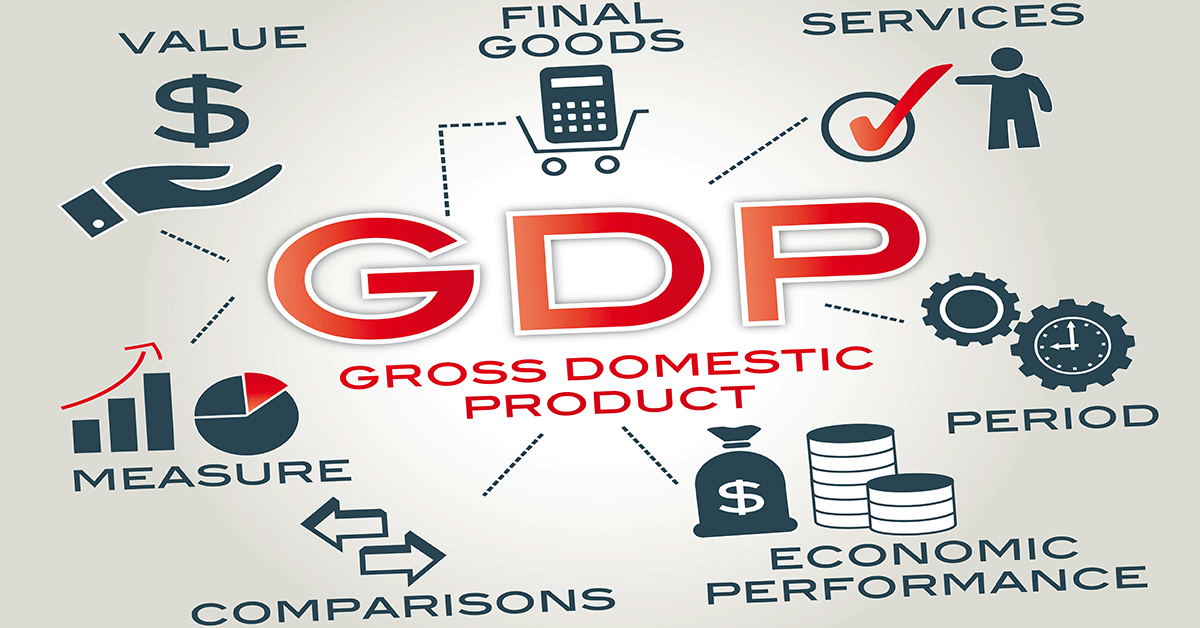
- Groos Domestic
Product (GDP)
- The value of a country's overall
output of goods and services
(one fiscal year) at
market prices, excluding net
income from abroad.
- The value of a country's overall
output of goods and services
(one fiscal year) at
market prices, excluding net
income from abroad.
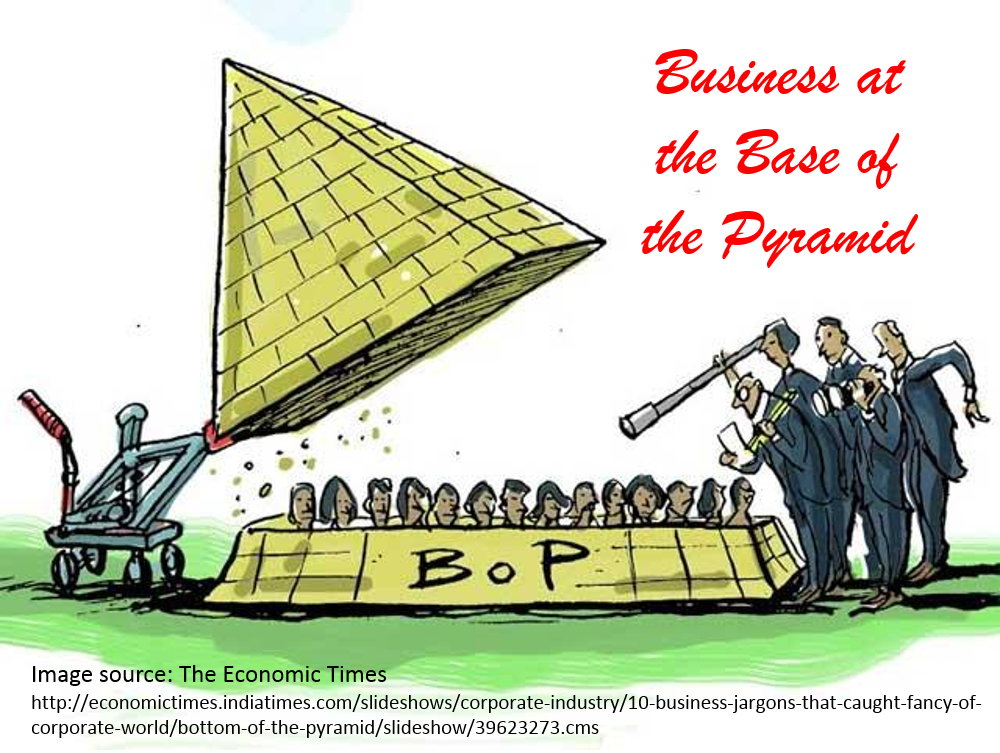
- Base of Pyramid
(BOP)
- An economic term referring to
the largest but the poorest
socio-economic group of the
world
- An economic term referring to
the largest but the poorest
socio-economic group of the
world
- International
Business
Anmerkungen:
- A historical process which has connected in an integral way political, economic, social, cultural and technological aspects worldwide.
- Process that has integrated
aspects political, economic,
social, cultural and
technological worldwide.
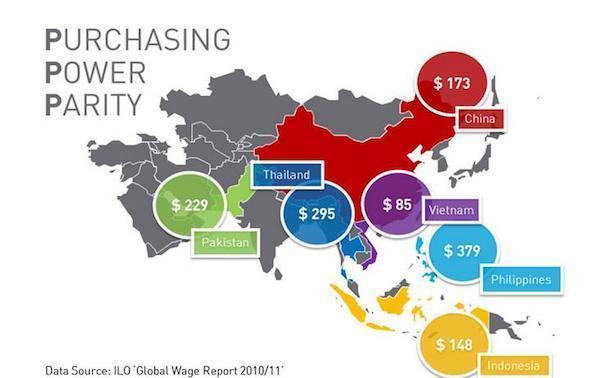
- Purchasing Power
Parity (PPP)
- Economic concept that allows us
to compare the different living
standards of different countries.
- Economic concept that allows us
to compare the different living
standards of different countries.
- Expatriate
Manager
- A person who has citizenship
in at least one country, but
who is living in another
country.
- A person who has citizenship
in at least one country, but
who is living in another
country.
- Institutions
- Organization or
foundation designed to
achieve a typical goal.
- Organization or
foundation designed to
achieve a typical goal.
- Institutional
Framework
- Structures organizational, rules, and
informal norms for services provision
- Structures organizational, rules, and
informal norms for services provision
- Formal
Institutions
- Rules of an organization to
govern procedures and
operations
- Rules of an organization to
govern procedures and
operations
- Informal
Institutions
- Network of personal and
social relationships like
alliances, cliques,
friendships,
- Network of personal and
social relationships like
alliances, cliques,
friendships,
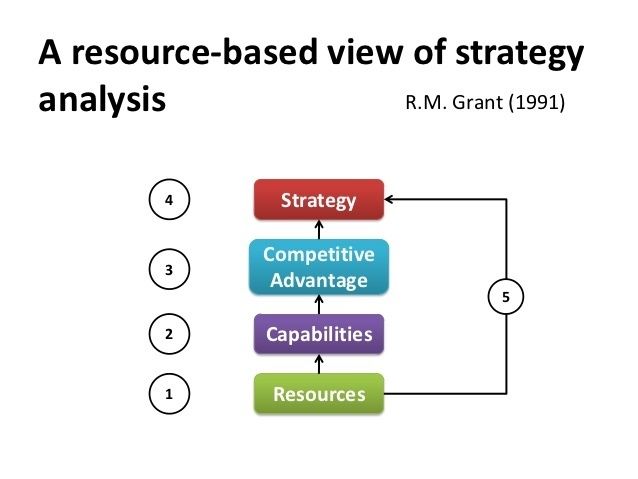
- Resource-Based
View
- Model that sees
resources as key to
superior firm
performance.
- Model that sees
resources as key to
superior firm
performance.
- Liability
Foreignnes
- Claim against the
assets, or legal
obligations of a
person or
organization, arising
out of past or current
transactions or
actions.
- Claim against the
assets, or legal
obligations of a
person or
organization, arising
out of past or current
transactions or
actions.
- Foreign
Trade
- International
Business
charpter 1
- A. EVOLUTION
- from human civilization
to lopsided global
growth
- 1870 the first stage until I World War
(1914) at the begining of Industrial
Revolutions in the UK, Germany and USA
- GDO 1913 =22.1, 1930 = 9.1
- After II World War until 1990
given international business
and massive industrialisation
- After II World War until 1990
given international business
and massive industrialisation
- GDO 1913 =22.1, 1930 = 9.1
- 1870 the first stage until I World War
(1914) at the begining of Industrial
Revolutions in the UK, Germany and USA
- from human civilization
to lopsided global
growth
- B. NATURE
- Analyze and
interpret factors
such as:
- * Social
- * Global
- * Technical
- * Economic
- * Polical
- * Natural
environmental
- * Social
- Analyze and
interpret factors
such as:
- CHARACTERISTICS
- * Accurate
Information
- to appropriate
decision
- to appropriate
decision
- * Timely
Information
- * Size of the
business
- according to impact on
the foreign economies
- according to impact on
the foreign economies
- * Market
Segmentation
- based on the geographic
market segmentation
- based on the geographic
market segmentation
- * Potentiality
of Market
- in order to tastes, preferences,
purchasing ability , size of the
population, etc
- in order to tastes, preferences,
purchasing ability , size of the
population, etc
- * Wider Scope
- refer to the flow of goods across
national political borders
- refer to the flow of goods across
national political borders
- * Inter-Country
comparative Study
- business opportunities
- threats
- consumers
- preferences
- behaviour
- cultures of
the societies
- employees
- business
environment
- manufacturing
locations
- management
styles
- business opportunities
- * Accurate
Information
- Differences in government
Policies, Laws and Regulations
- Host Country's
Monetary System
- National Security Policies of
the Host Countries
- Cultural Factors
- Language
- Nationalism and
Business Policy
- Host Country's
Monetary System
- C. REASONS
- factors affecting
- Achieve a
Higher Rate of
profits
- Severe
competition in the
home country
- limited home
market
- Political stability vs
Political instability
- Availability of technology and
Managerial competence
- High cost of
transportation
- Nearness to
Raw Material
- Availability of quality
Human Resources at
Less cost
- Increase
Market
Share
- Tariff and
Import
Quotas
- Achieve a
Higher Rate of
profits
- factors affecting
- D. STAGES
E.APPROACHES
- DOMESTIC
- home country
market
(Ethnocentric)
- home country
market
(Ethnocentric)
- INTERNATIONAL
- Extension markets
(Ethnocentric)
- Extension markets
(Ethnocentric)
- MULTINATIONAL
- Multidomestic
Company (Policentrcic
- Multidomestic
Company (Policentrcic
- GLOBAL
- All in home country
except marketing or
sourcing (mixed)
- All in home country
except marketing or
sourcing (mixed)
- TRANSNATIONAL
- International +
multinational+
Global company
(Geocentric)
- H&R
Management
Policy
- Adaptation -
Extention
- Operating
Style
- Geographic
Scope
- Vision and
Aspiration
- Geocentric
Orientation
- Information
Acquisition
- Purchasing
- H&R
Management
Policy
- International +
multinational+
Global company
(Geocentric)
- DOMESTIC
- F. THEORIES
- Mercantilism
- Compatarative Cost
Advance with money
- Relative Factor
Endowments
- Absolute Cost
Advance
- Compatarative
Cost Advance
- Product
life Cycle
- stages:
- New Product
- Growth
- Maturity
- Decline
- New Product
- stages:
- Mercantilism
- G. COMPETITIVE
AND
ADVANTAGE
- Wider
Market
- Reduce risk
- Large-scale
economy
- Potential
untapped
market
- Cultural
Transformation
- Provide oppotunities
for an chanllenge to
Domestic business
- Increase
Socio-economic
Welfare
- High
Living
Standar
- Reduce effects
of Business cycle
- Growth of
the World
- Wider
Market
- H. PROBLEMS
- Political Factor
- Huge Foreign
indebtedness
- Exchange
Instability
- Entry
Requirements
- Tariff, Quotas and
Trade Barriers
- Tariff, Quotas and
Trade Barriers
- Entry
Requirements
- Exchange
Instability
- Huge Foreign
indebtedness
- Political Factor
- A. EVOLUTION
Medienanhänge



Möchten Sie kostenlos Ihre eigenen Mindmaps mit GoConqr erstellen? Mehr erfahren.