
Mindmap
C4 Chemical Patterns
Inhalt der Mindmap
C4 Chemical Patterns
Atoms
- The Nucleus
- Protons and Neutrons
- Protons = heavy and positively charged.
- Elements have different numbers. All Atoms of same element have same number
- Neutrons = heavy and no charge
- Protons = heavy and positively charged.
- Positively Charged
- Tiny, almost whole mass
- Protons and Neutrons
- The Electrons
- move around nucleus
- negetively charged
- No mass
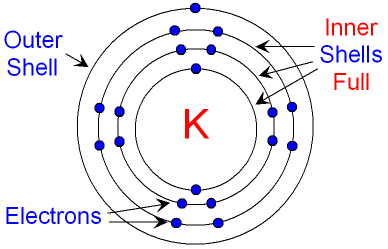
- Arranged in Shells
- if added or removed atom becomes an ion (charged)
- Number of Protons = Number of Electrons
- Same sized charge but opposite
- The Nucleus
Chemical Equations
- Same atoms at start and end of reaction just rearranged
- Must be same amount of atoms on both sides of equation
- Physical States
- (s) = solid
- (l) = liquid
- (g) gas
- (aq) = dissolved in water
- Same atoms at start and end of reaction just rearranged
Line Spectrums
- Some Elements produce flames with distinctive colours
- Li = red flame
- Na = yellow/ orange flame
- K = lilac flame
- different colours in fireworks
- help chemists to idendity metal in compound. Burn substance, see colours produced.
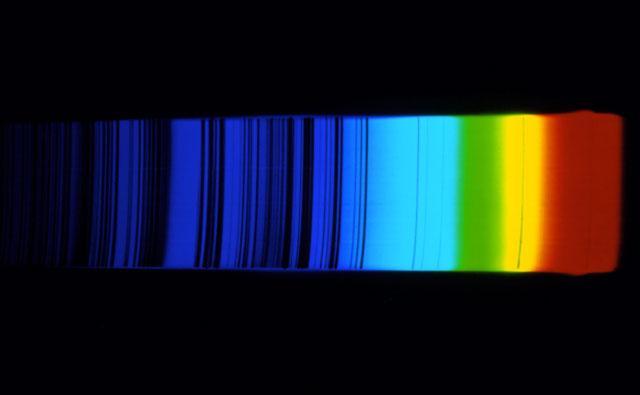
- Each Element gives a characteristic Line Spectrum
- If heated electrons in an atom release energy as light
- Wavelengths recorded as a line spectrum
- Different Elements = different wavelengths
- because of different electron arrangement
- Different pattern of wavelengths
- spectrums used to identify elements
- Spectroscopy
- scientist have discovered new elements using this eg, caesium and rubidium.
- Spectroscopy
- spectrums used to identify elements
- If heated electrons in an atom release energy as light
- Some Elements produce flames with distinctive colours
History of the Periodic Table
- 1800s only measure relative atomic mass, elements aranged in order of this only.
- Dobereiner
- Order elements into triads (groups)
- based on chemical properties
- Order elements into triads (groups)
- Newland
- Ordered atoms by relative atomic mass, every eigth had similar properties
- Newlands octives
- Broke down on 3rd row, he left no gaps, work was ignored.
- Groups contained elements that didn't have similar properties. Mixed up metals and Non-metals. No Gaps.
- Ordered atoms by relative atomic mass, every eigth had similar properties
- Mendeleev
- 1869 arrange 50 known elements, left gaps, predicted unfound
- keep elements with similar properties in the same vertical groups
- When the element he left gaps for were discovered people believed his theory more.
- order of atomic mass
- 1869 arrange 50 known elements, left gaps, predicted unfound
- Dobereiner
- 1800s only measure relative atomic mass, elements aranged in order of this only.
The Modern Periodic Table
- Puts elements with similar properties together.
- in order of increasing proton number
- Metals left, none metals right (steps)
- columns = similar properties
- groups = vertical column
- group number tells you how many electrons are on the outer shell
- if you know properties of one element in the group you can predict the properties of other elements
- group 1:more reactive as you go down. group 7: less reactive as you go down
Electron Shells
- Rules.
- electrons occupy shells.
- lowest energy levels filled first
- 1st Shell: 2 2nd Shell: 8 3rd Shell:8
- most outer shells not full
- makes atom want to react
- electronic arrangement determines properties
- Working out Electron Configurations
- look at the number of protons an atom has.
- it has the same number of electrons
- follow shell rules to fill up the shells for the element
- it has the same number of electrons
- look at the number of protons an atom has.
- Rules.
Ionic Bonding
- Ions are made when atoms lose or gain electrons
- can be made from single atoms or groups of atoms.
- they lose/ gain to try and get a full outer shell
- Group 1 have 1 electron in outer shell.
- want to get rid of that one to have full shells.
- when they lose an electron they form positive ions
- want to get rid of that one to have full shells.
- group 7 have outer shells almost full
- Want to fill them (get 1 extra electron)
- when they gain an electron they form negitive ions
- Want to fill them (get 1 extra electron)
- Ionic compounds form a regular lattice.
- solid ionic compounds are made of a giant lattice of ions. each lattice forms a single crystal.
- When they dissolve in water they can conduct electricity because ions can move.
- solid ionic compounds are made of a giant lattice of ions. each lattice forms a single crystal.
- Ions are made when atoms lose or gain electrons
Group 1; The Alkali metals
- 1 outer shell electron
- Very reactive
- More violent the reation with water, the more reactive they are.
- all similar properties
- When they react they form similar compounds
- shiny when freshly cut
- react with oxygen in moist air
- Down the group
- more reactive
- denser
- lower melting point
- lower boiling point
- Produce Hydrogen when reacted with water
- fizz, some ignite
- reaction makes an alkaline solution
- a hoydroxide of the metal forms
- reaction makes an alkaline solution
- fizz, some ignite
- Reaction with Chlorine makes salts.
- reacts vigorously, creates colourless crystalline salts.
Group 7: Halogens
- 7 outer electrons
- very reactive, create similar compounds, have similar properties
- form diatomic molecules (always in pairs)
- as you go down the group
- less reactive
- higher melting point
- higher boiling point
- non-metals with coloured vapours
- Fl, very reactive poisonous yellow gas @ room temp.
- Cl, fairly reactive, dense green gas @room temp.
- Bromine, dense orange volatile liquid @room temperature and forms an orange gas
- Iodine, dark grey crystaline solid @room temp. or a purple vapour
- React with alkali metals to form salts
- They react with iron to form coloured solids called iron halides.
- Displacement reactions, more reactive element pushes a less reactive element out.
Laboratory Safety
- Hazard Symbols
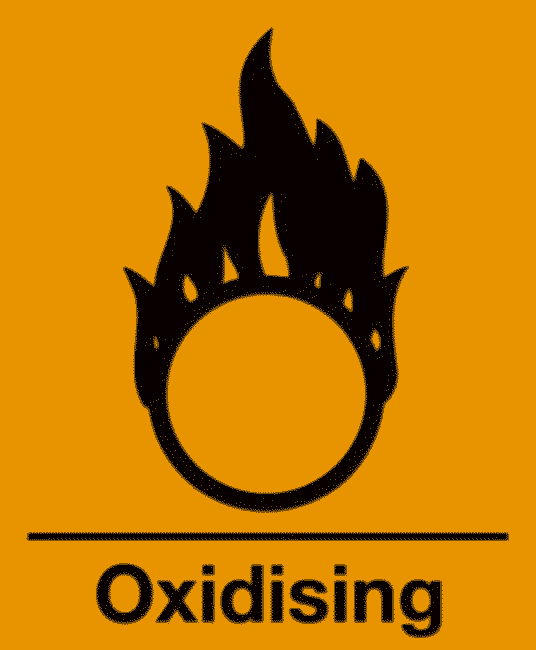
- Oxidising
- Provides oxygen makes other materials burn more fiercely.
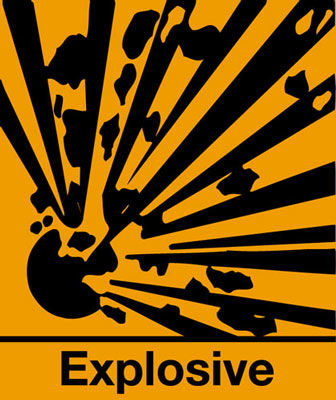
- Explosive
- Can explode.
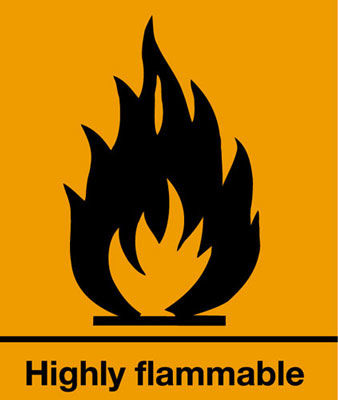
- Highly Flammible
- Catches fire easily
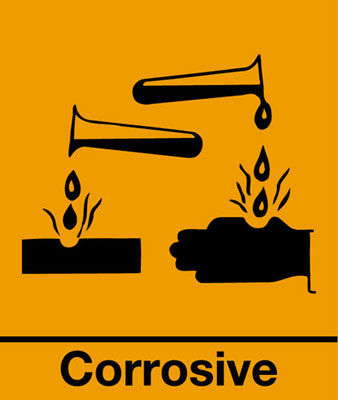
- Corrosive
- attacks and destroys living tissues inc. eyes and skin
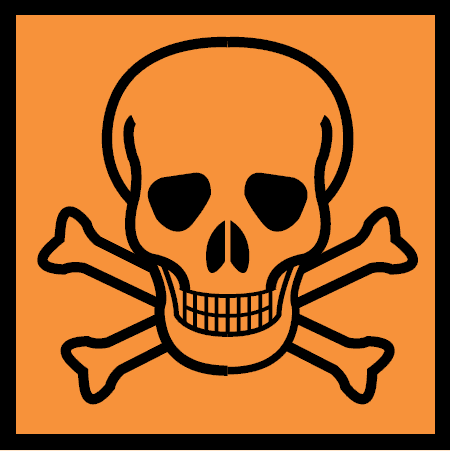
- Toxic
- Can cause death either by swallowing, breathing in, or absorption through the skin.
- Oxidising
- Hazard Symbols
Bilder und Dateien der Mindmap
Informationen
- Beschreibung
- Ocr 21st Century Science Mindmap for whole of C4 topic:)
- Erstellt von
- Danial JabbarButt
- Aufrufe
- 70
- Tags
- Verlauf
-
- Erstellt von remandsonic · 7 Mär 2015
- Kopiert von Danial JabbarButt · 7 Mär 2015
- Bewertung