
Mindmap
Anatomy & Physiology
Inhalt der Mindmap
Anatomy & Physiology
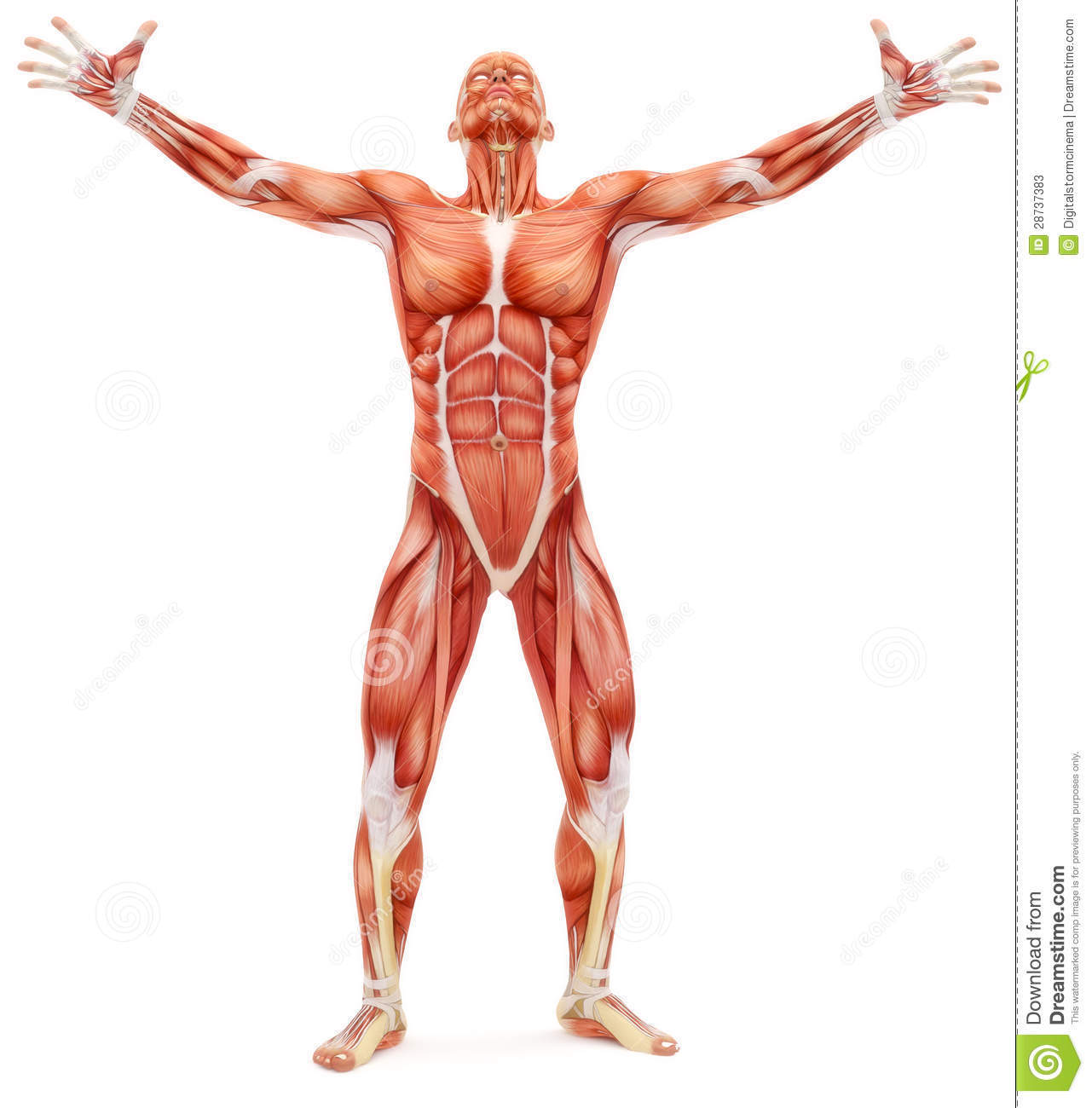
Muscular System
- 600 Muscles with:
- The Characteristics of:
- Essential for Excercise
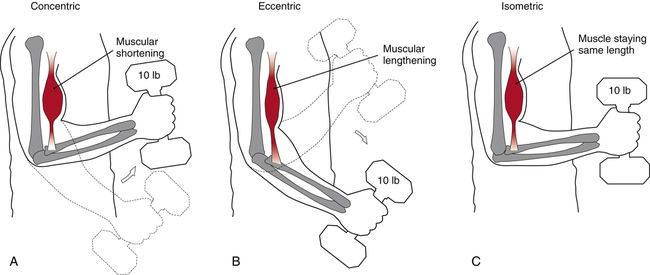
- in which there are 3 ways of Contraction During Excercise
- Eccentric (Lengthening)
- Isometric (Static)
- Concentric (Shortening)
- are impotant for Bone Movements
- Muscle Spindles Stretch Reflex (Monosynaptic & Polysynaptic), Golgi Tendon Organ Tension Relfex & The Reflex Arc
- at joints
- Muscle Spindles Stretch Reflex (Monosynaptic & Polysynaptic), Golgi Tendon Organ Tension Relfex & The Reflex Arc
- in which there are 3 ways of Contraction During Excercise
- Irritability
- Contractability
- Elasticity
- Extensibility
- Conductivity
- Muscles receive impulses from:
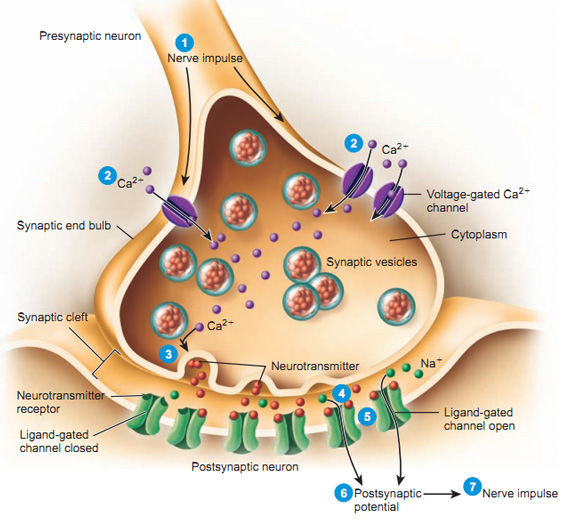
- the Neuromuscular Junction
- Containing: Axion, Axion Terminal, Acetylcholine, Sarcolemma, Receptors, & Synaptic Cleft
- Contraction Happens because of:
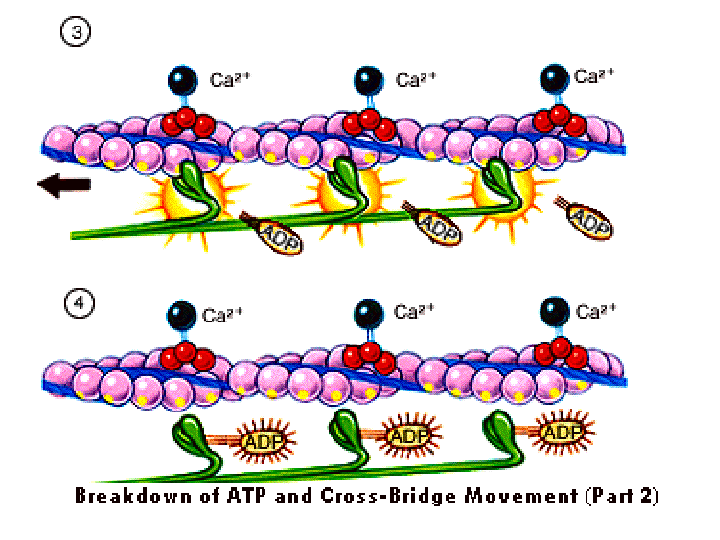
- The Sliding Filament Theory
- uses: Z lines, Myosin, Actin, Calcium, ATP, Tropomysoin, Myofibril
- The Sliding Filament Theory
- Contraction Happens because of:
- Containing: Axion, Axion Terminal, Acetylcholine, Sarcolemma, Receptors, & Synaptic Cleft
- the Neuromuscular Junction
- Motor Units
- All-or-none Principle
- Muscles receive impulses from:
- Essential for Excercise
- are named after:
- Direction of Fibres
- Location
- Number of Heads
- Shape of Muscle
- Action of Muscle
- Points of Attachment
- Direction of Fibres
- 4 Major Muscle Groups which are:
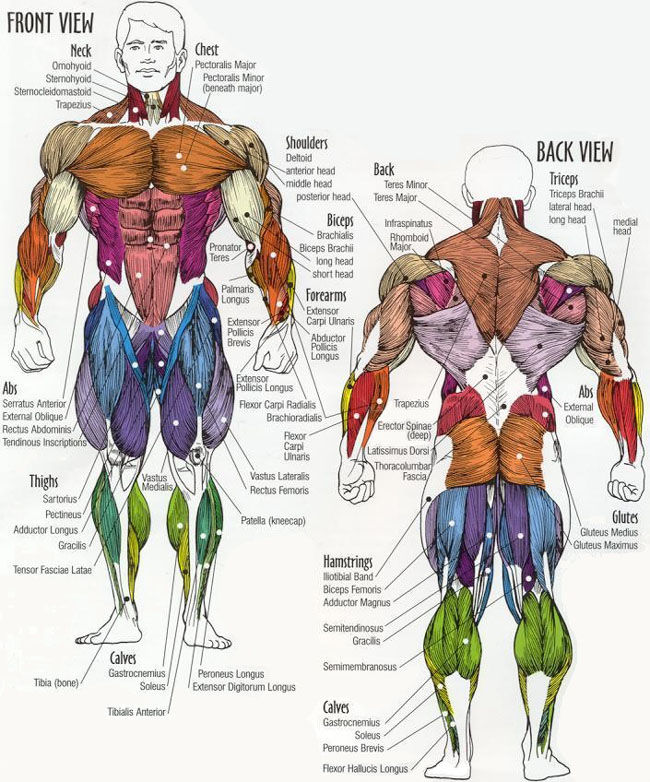
- Anterior: Quadriceps, Abdominals & Pectorals
- Posterior: Hamstrings, Rotator Cuffs, Erector Spinae, Rhomboids, Gluteals & Calf Muscles
- The Characteristics of:
- Functions
- Stability & Support
- Heat Production
- Movement
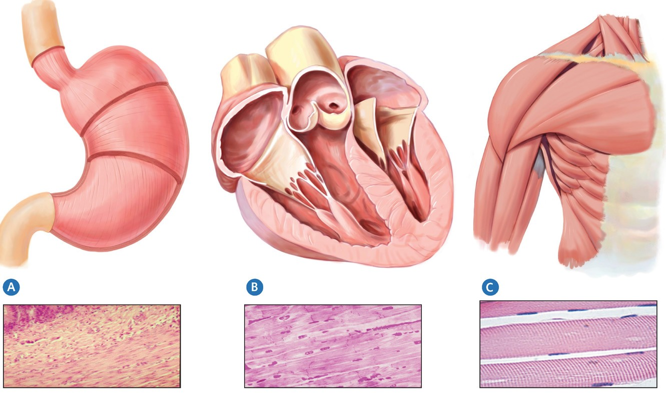
- 3 Types
- Cardiac (Involuntary)
- Skeletal Muscles (Voluntary)
- Examples are:
- Deltoid ( Trangle shape = Delta)
- Pronator Quadratus (Pronates Forearm)
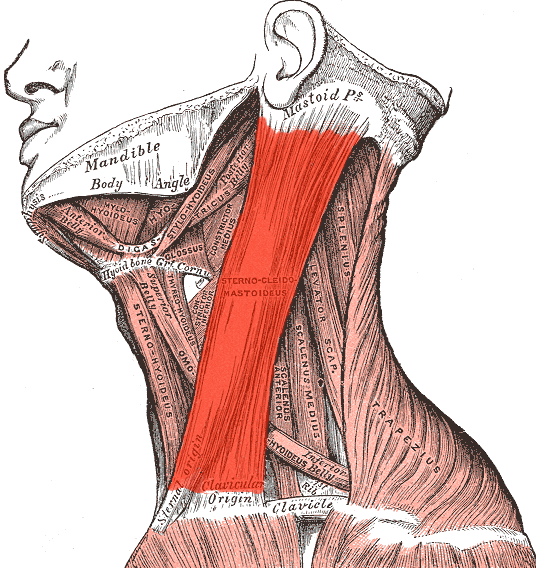
- Sternocleidomastoid (Attaches at Sternum, Clavicle and Mastoid Process)
- Triceps (3 heads = Tri)
- Tibialis Anterior (Anterior Side)
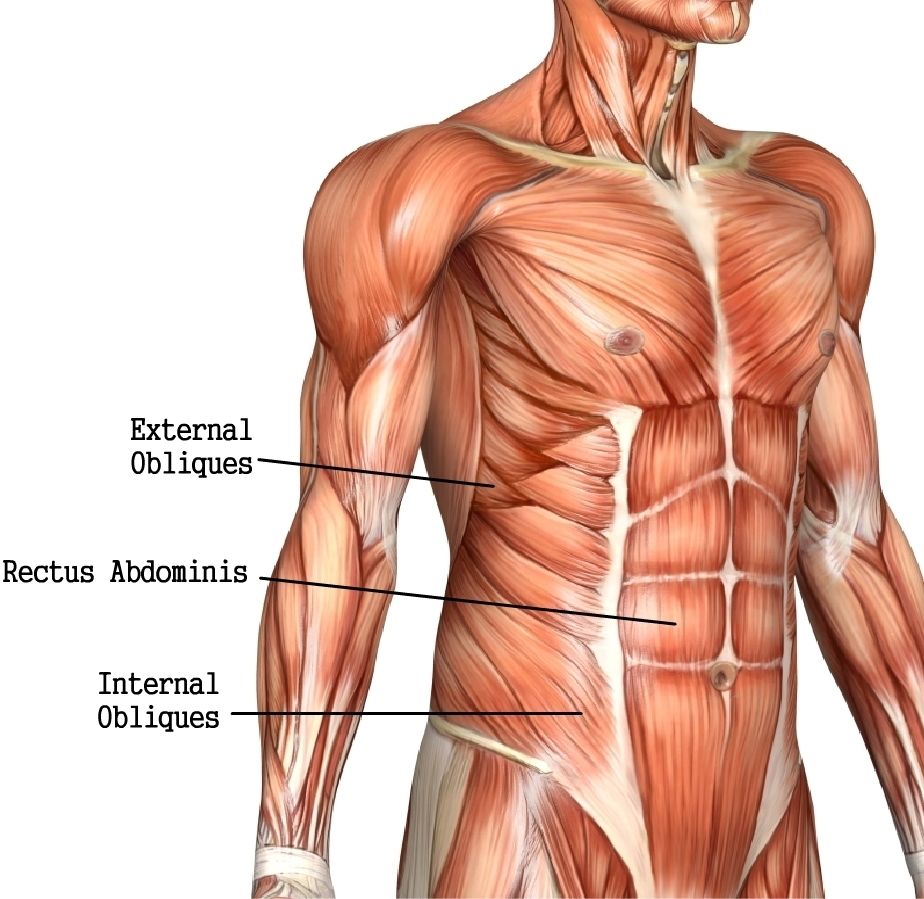
- Rectus Abdominus (rectus)
- Pectoralis Major
- Popliteus
- Gastrocnemius
- Anatomy:
- Skeletal Muscle Fibre, Sarcolemma, Sarcoplasm, Sarcomeres, & Sarcoplamic Reticulum
- Examples are:
- Smooth (Involuntary)
- Examples: are:
- Esophagus & Stomach
- Examples: are:
- Some injuries are:
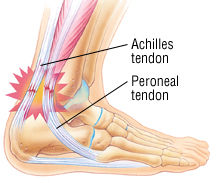
- Tedonitis
- Delayed Onset Muscle Soreness (DOMS)
- Muscle Strains & Tears
- 600 Muscles with:
The Skeletal System
- Consists of 206 Bones
- divided into Appendicular (126 bones) & Axial (80 bones)
- of which there are 5 Types of Bones:
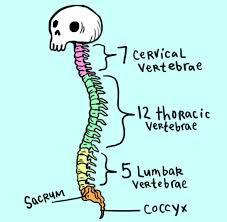
- Irregular
- For example:
- Vertebrae
- Mandible
- Mandible
- Vertebrae
- For example:
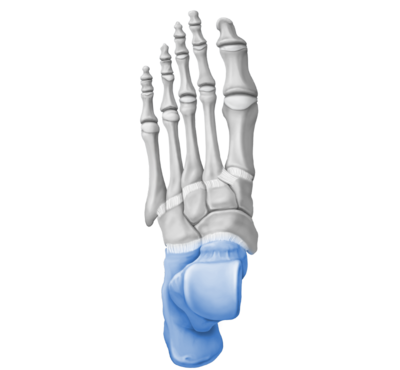
- Short
- For example:
- Carpals
- Tarsals
- Which can have landmarks that serves as a guide to the locations of other body structures
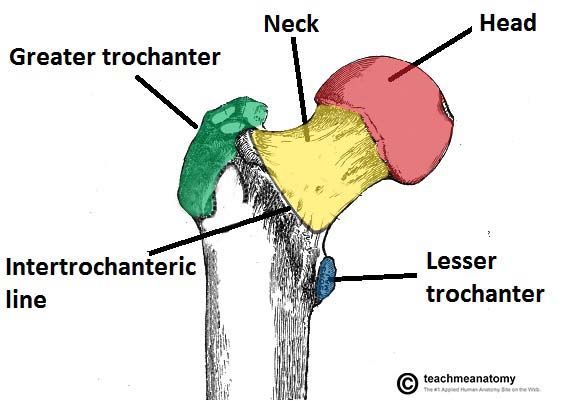
- For Example: Tibial Tuberosity, Lateral Border, Greater Trochanter, etc.
- Which can have landmarks that serves as a guide to the locations of other body structures
- Tarsals
- Carpals
- For example:
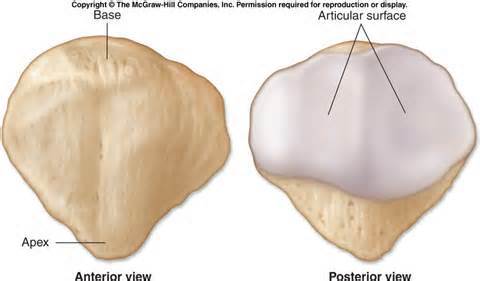
- Sesamoid
- For example:
- Patella
- Patella
- For example:
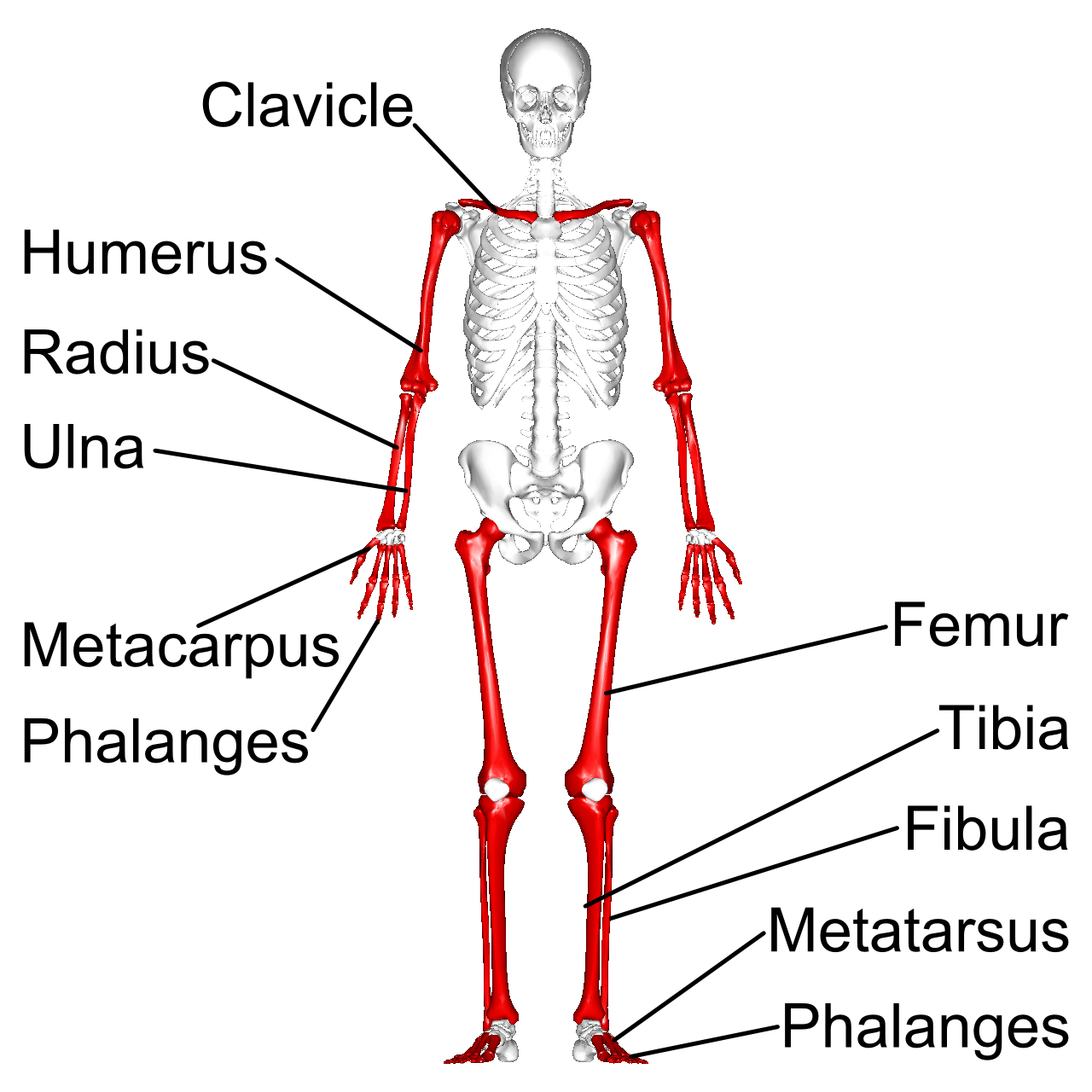
- Long Bones
- For Example:
- Femur
- Radius
- Humerus
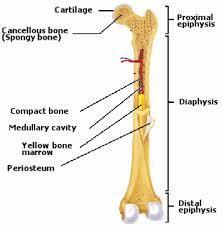
- The parts of a long bone are:
- Cartilage, Epiphysis, Diaphysis, Cancellous Bone, Medullary Cavity, Periostem, Cortex, Compact Bone, Epiphyseal Plate
- For Example:
- Flat
- For Example:
- Scapulae
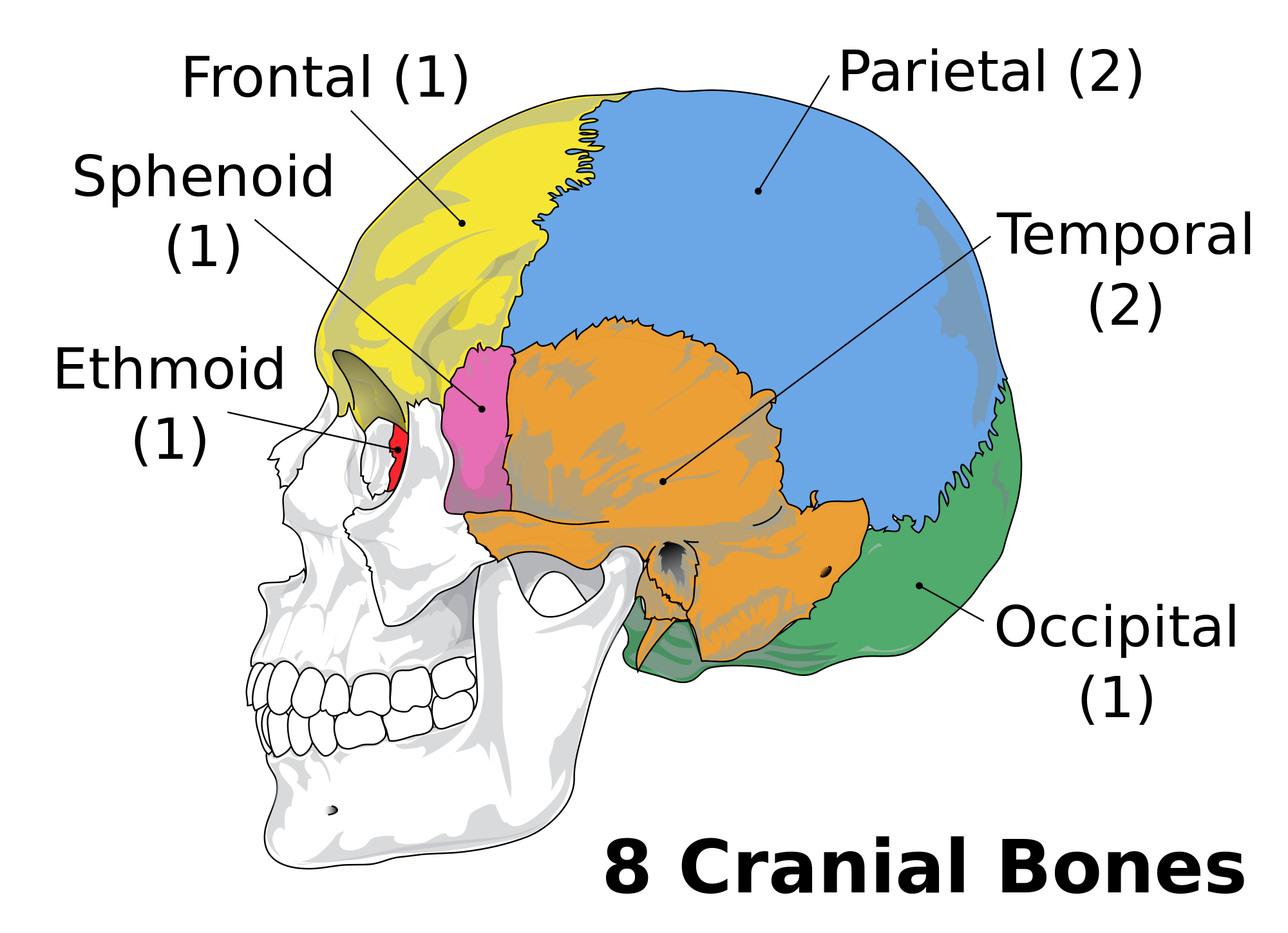
- Cranial Bones
- For Example:
- Irregular
- Axial consists of bones more medial on the body.
- Appendicular consists of bones more lateral
- of which there are 5 Types of Bones:
- Which move about the joints
- Joints are Classified in 3 different ways:
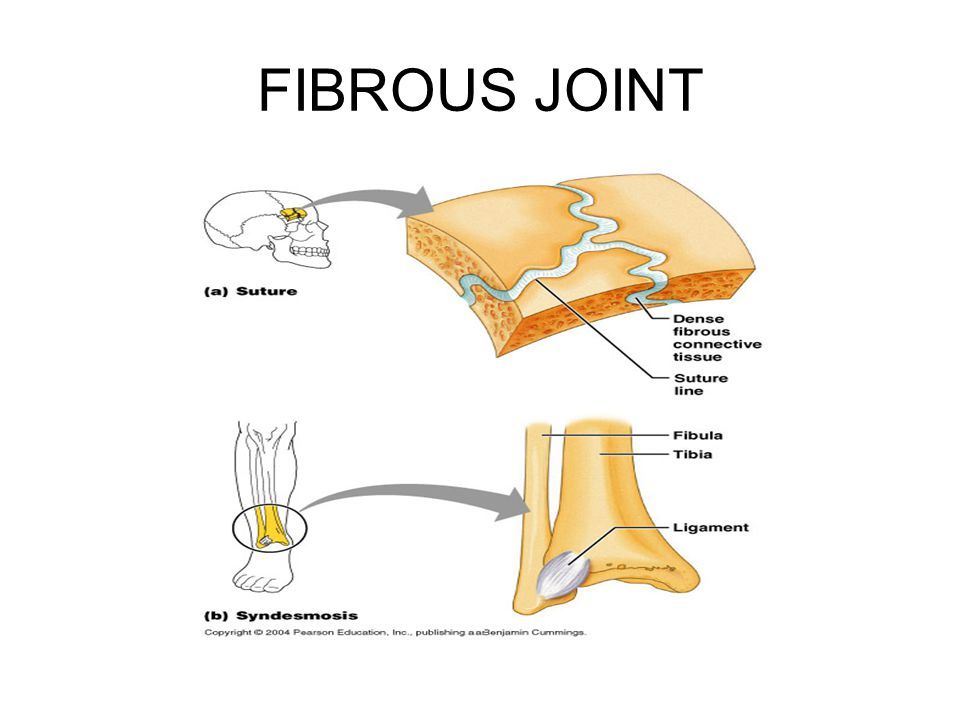
- Fibrous
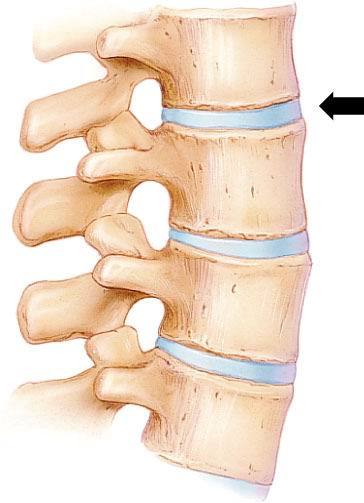
- Cartilaginous
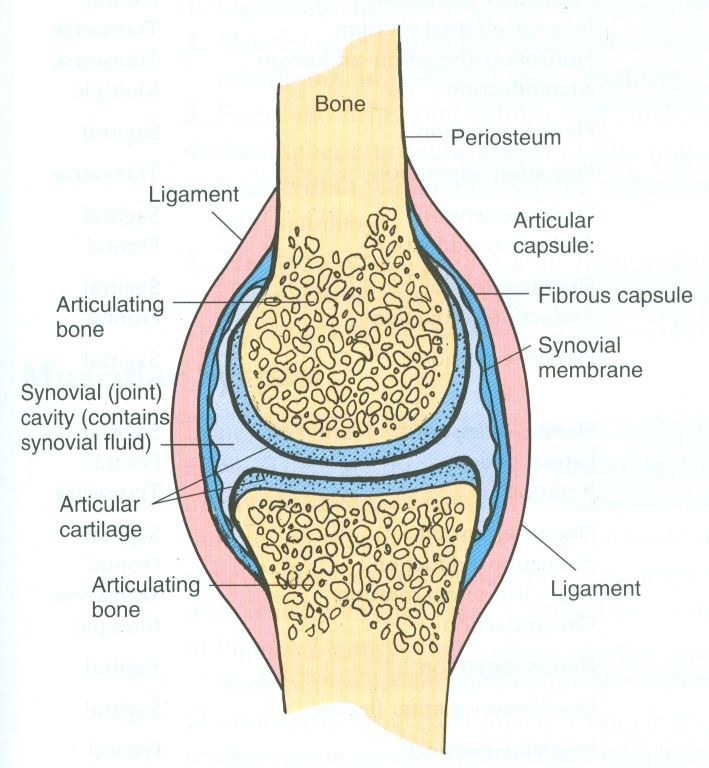
- Synovial Joints...
- have characteristics such as...
- Articular Cartilage, Joint Capsule, Joint Cavity, Bursae, Intrinsic & Extrinsic ligaments
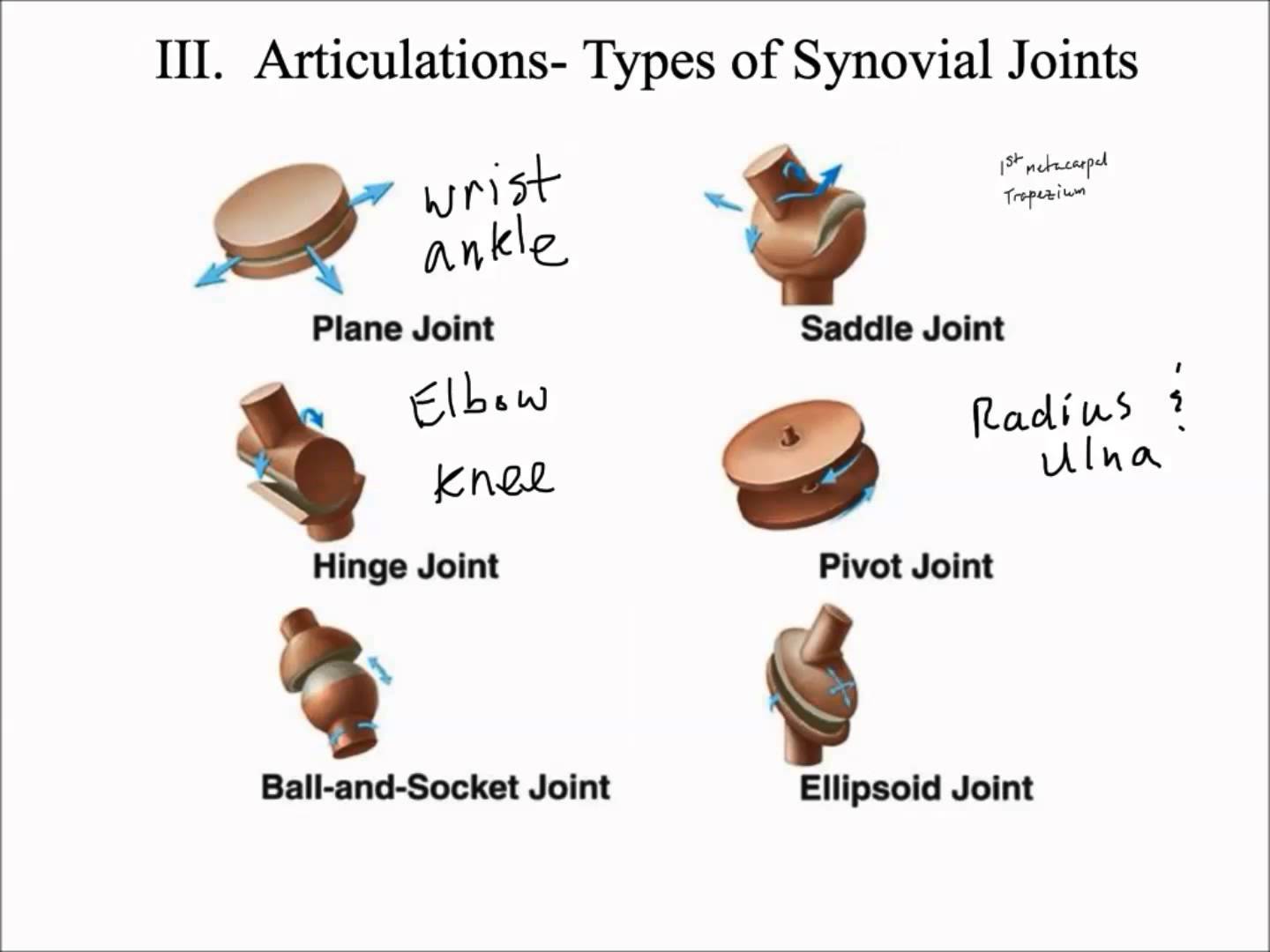
- There are 6 types of Synovial Joints:
- Hinge Joints
- Pivot Joints
- Gliding Joints
- Ball & Socket Joints
- Ellipsoid Joints
- Saddle Joints
- There are 6 types of Synovial Joints:
- Articular Cartilage, Joint Capsule, Joint Cavity, Bursae, Intrinsic & Extrinsic ligaments
- have characteristics such as...
- Synovial Joints...
- Cartilaginous
- Some joint related Injuries & Diseases are:
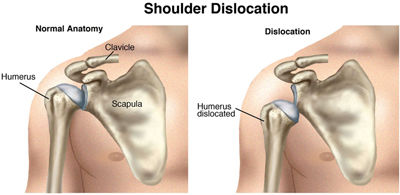
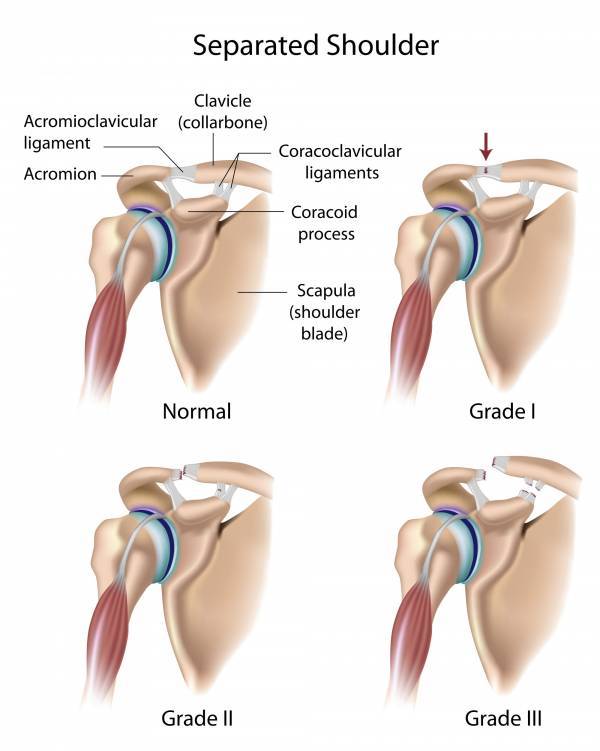
- Dislocations & Seperations
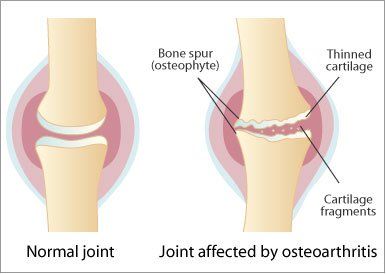
- Osrteoarthiritis
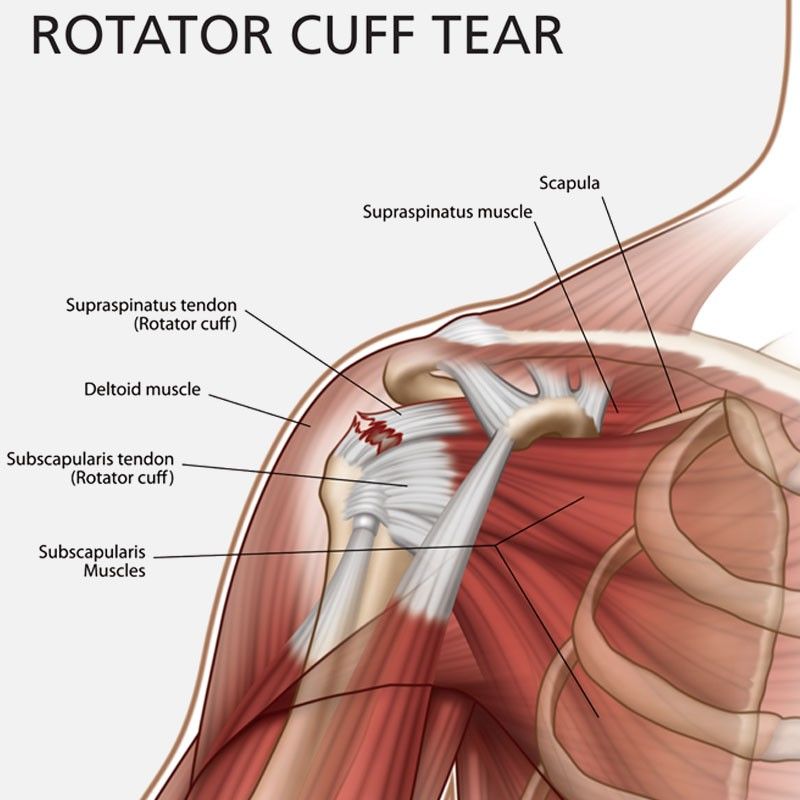
- Rotator Cuff Tears: injury that involves one or all four muscles that make up the Rotator cuff at the shoulder: Supraspinatus, Infraspinatus, Teres Minor & Subscapularis
- Fibrous
- Joints are Classified in 3 different ways:
- divided into Appendicular (126 bones) & Axial (80 bones)
- has 5 Functions which are:
- Protection
- Cell Production
- Mineral Reservoir
- Movement
- Structural Support
- Together they make
- can have Injuries such as:
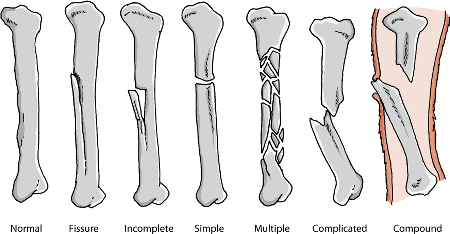
- Fractures (bone breaks)
- Shin Splints (painful condition)
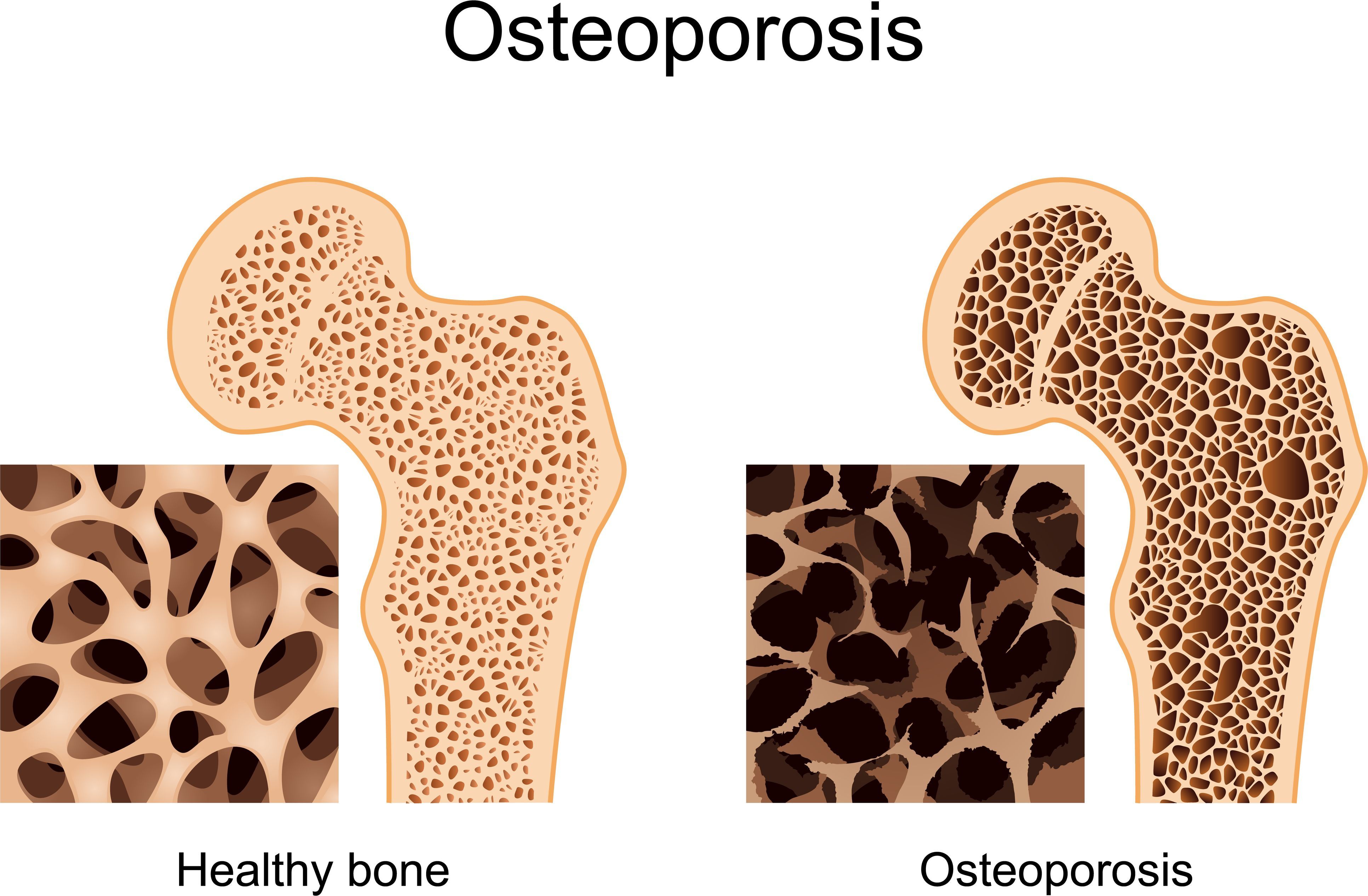
- Osteoporosis
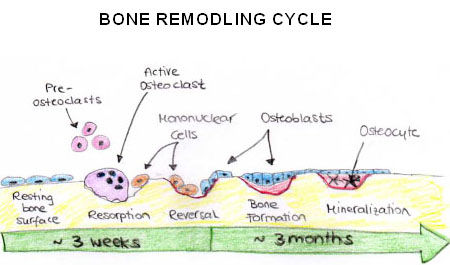
- Which are naturally healed and put back together with the Bone Remodelling Cycle
- Step 1: Resorption
- Step 2: Reversal
- Step 3: Bone Formation
- Step 4: Mineralization
- Step 3: Bone Formation
- Step 2: Reversal
- This processs consists of:
- Osteoblasts (bone forming cells), Osteoid (gelatin-like substance), Osteoclasts (bone deconstruction cells)
- Step 1: Resorption
- Consists of 206 Bones
the Musculoskeletal System and are connected:
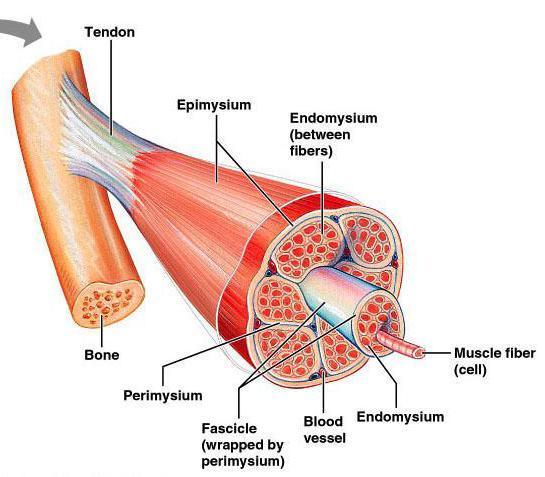
- Via Tendons (indirectly)
- Outer membrance of muscle attaches to outer membrane of bone (directly)
Bilder und Dateien der Mindmap
Informationen
- Beschreibung
- ertyuiop
- Erstellt von
- Dr.Amro2018 Abuleil , M.D
- Aufrufe
- 4
- Tags
- Verlauf
-
- Erstellt von Yan Yan Dela Cru · 29 Apr 2016
- Kopiert von Dr.Amro2018 Abuleil , M.D · 18 Sep 2020
- Bewertung