
Mindmap
Electromagnetic Radiation: Light
Inhalt der Mindmap
Electromagnetic Radiation: Light
Light Is A Wave
- Characteristics of Waves
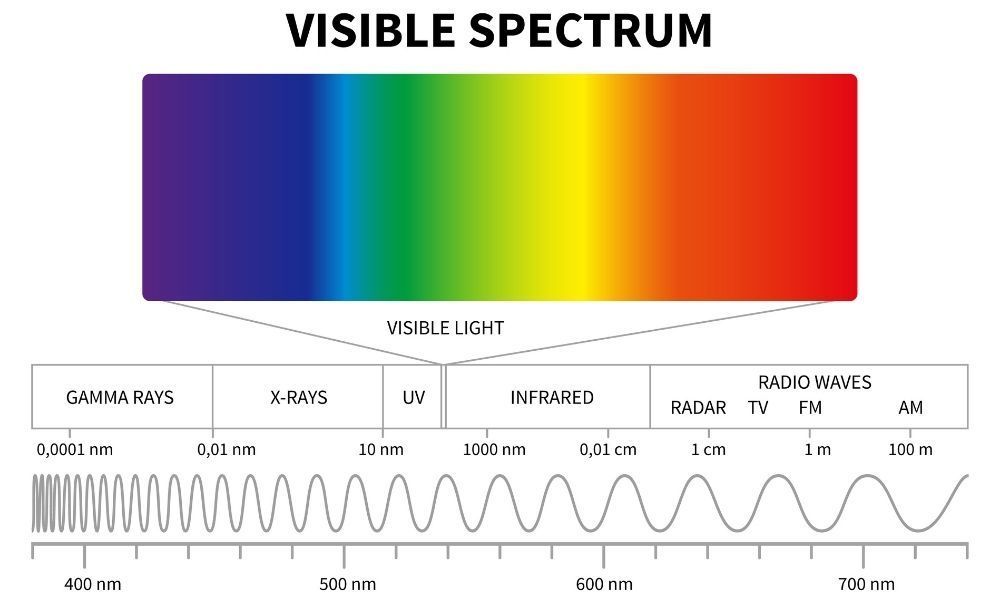
- Wavelength: In a wave the distance between any given point and the same point in the next wave cycle. This can be crest-to-crest, trough-to-trough, null-to-null, etc.; represented by upside-down y (^)
- inversely related by the speed of light: c = ^ x v
- c = 3.00 x 10^8m s^-1
- inversely related by the speed of light: c = ^ x v
- Amplitude: the displacement of a wave from zero; height of peaks
- Peaks- Local Maximum; Troughs - Local Minimum
- Frequency: measured in Hertz (H); how many times a determined point on a wave passes a given point per second; represented by mew (v)
- Wavelength: In a wave the distance between any given point and the same point in the next wave cycle. This can be crest-to-crest, trough-to-trough, null-to-null, etc.; represented by upside-down y (^)
- Evidence:
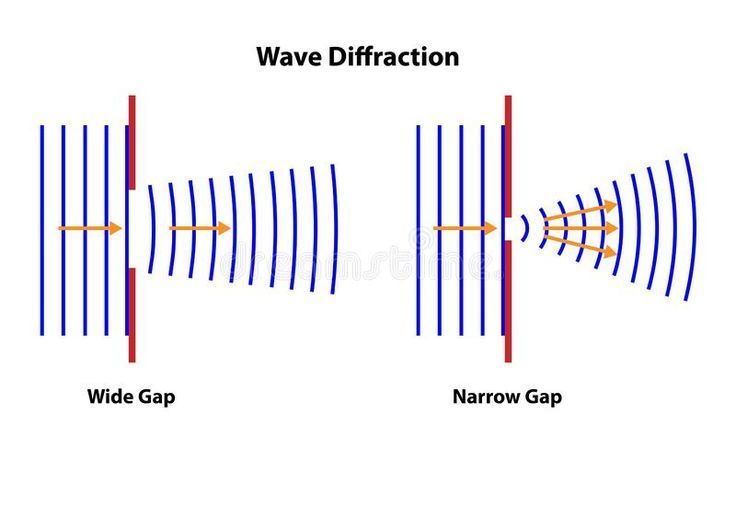
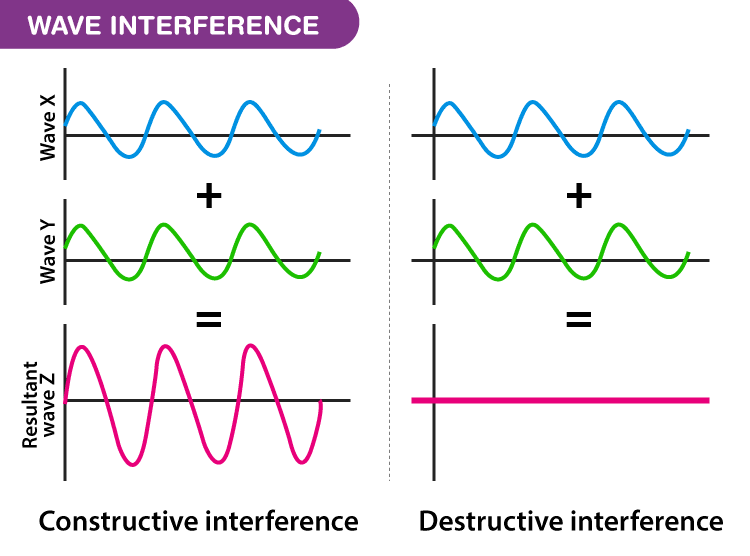
- 1. When light is passed through a slit, it diffracts (like a wave) and displays patters of interference -- Double Slit Experiment
- Visible Light in order of Frequency/Wavelength
- Lowest Frequency; Longest Wavelength; Low Energy
- Highest Frequency; Shortest Wavelength; High Energy
- Properties of Waves
- Diffraction
- Interference
- So why can't we use ONLY the wave model?
- According to the wave model of light, energy should increase with intensity, BUT IT DOESN'T -- instead higher frequency (shorter wavelength) causes light to have higher energy
- Characteristics of Waves
Light Is A Particle
- Evidence:
- 1. Energy of light increases as frequency increases (wavelength decreases -- not related to amplitude)
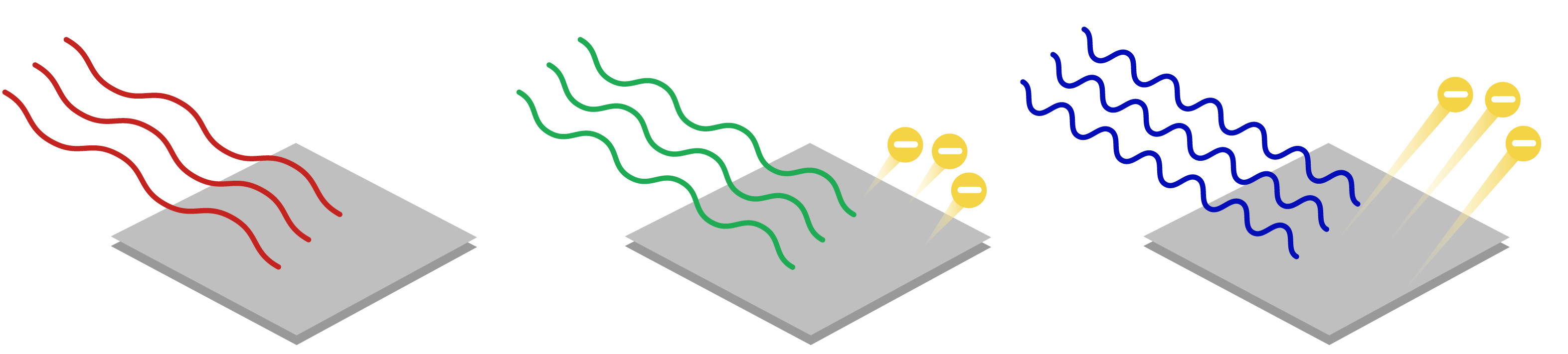
- 2. Photoelectric Effect
- Many metals emit electrons when electromagnetic radiation shines on its surface
- The light is transferring energy to the electrons, allowing some of them to "leave" the metal (if the energy is strong enough
- Regardless of intensity, only certain wavelength's (colors) of light provide enough energy to the electrons to overcome the attractive force of the metal's nucleus
- If an electron is ejected from a metals surface depends entirely on the frequency of the light emitted onto it
- If the frequency of light is above the frequency threshold , electrons are emitted from the metal (current is created) i.e violet/blue light
- When the intensity (brightness) is increased, more electrons will be emitted
- If the frequency of light is below the frequency threshold, electrons will not be emitted from the metal; i.e yellow/red light
- The Frequency Threshold varies from element to element (i.e. metal to metal)
- If the frequency of light is above the frequency threshold , electrons are emitted from the metal (current is created) i.e violet/blue light
- If an electron is ejected from a metals surface depends entirely on the frequency of the light emitted onto it
- Regardless of intensity, only certain wavelength's (colors) of light provide enough energy to the electrons to overcome the attractive force of the metal's nucleus
- The light is transferring energy to the electrons, allowing some of them to "leave" the metal (if the energy is strong enough
- Many metals emit electrons when electromagnetic radiation shines on its surface
- Evidence:
Light is a Wave AND a Particle: energy of a photon is quantized
- E = hv
- h = 6.626 x 10^-34 Js
- Light comes in packets of energy
- E = hv
Bilder und Dateien der Mindmap
Informationen
- Beschreibung
- Undergraduate Chemistry Mindmap am Electromagnetic Radiation: Light, erstellt von Kelsey Andrews am 04/11/2022.
- Erstellt von
- Kelsey Andrews
- Aufrufe
- 0
- Bewertung