
4942249
Beschreibung

Mindmap von Emma Waring, aktualisiert more than 1 year ago
|
|
Erstellt von Emma Waring
vor mehr als 10 Jahre
|
|
Ionic Bonding
- Why do atoms bond?
- They want to be stable
- To have a full outer shell
of electrons
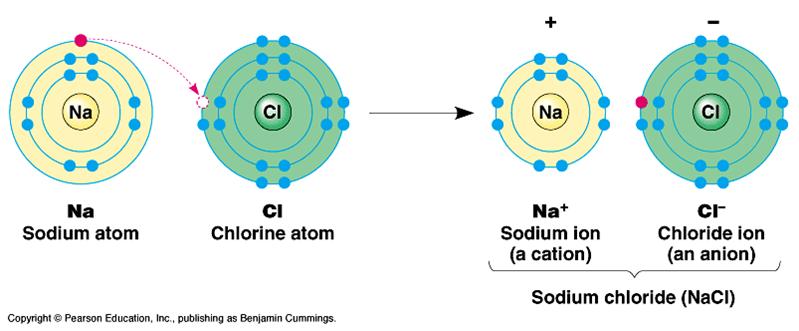
- Metals lose electrons
- Form positive cations
- Form positive cations
- Non-metals gain electrons
- Form negative anions
- Form negative anions
- Metals lose electrons
- They want to be stable
- Making Sodium Chloride
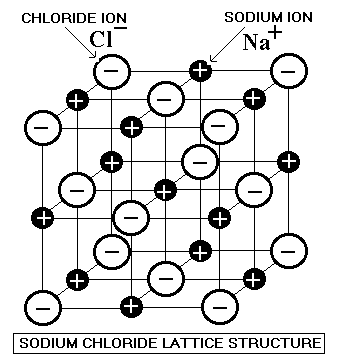
- Giant Ionic Compounds
- Held together
by lots of strong
electrostatic
forces
between
positive and
negative ions
- Lots of energy needed to break these forces
- High melting point
- Hard
- High melting point
- Lots of energy needed to break these forces
- Don't conduct when solid
- Positions of ions are fixed, no moving charge
- Positions of ions are fixed, no moving charge
- Conduct when melted or dissolved in water
- Ions can move, so can carry charge
- Ions can move, so can carry charge
- Held together
by lots of strong
electrostatic
forces
between
positive and
negative ions
- Ionic formula
- K+1 + Cl-1
- K1 + Cl1
- KCl
- KCl
- K1 + Cl1
- Note: Charges with
numbers should be on
the top right of the
elements
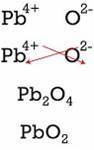
- Pb+4 + O-2
- Remove the charges
- Pb4 + O2
- Cross and drop when numbers are different
- Pb2O4
- Note: Numbers should now be on the
bottom right of the elements
- Can be simplified to PbO2
- Note: Numbers should now be on the
bottom right of the elements
- Pb2O4
- Cross and drop when numbers are different
- Pb4 + O2
- Remove the charges
- K+1 + Cl-1
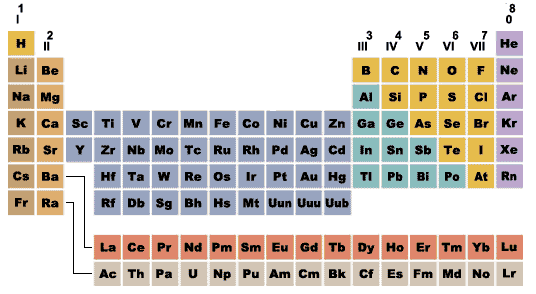
- You can get the charge of an element by looking at what group it belongs to
- Group 1 = +1
- Group 2 = +2
- G3 = +3
- G5 = -3
- G6 = -2
- G7 = -1
- Ignore groups 4 & 8/0 as they don't usually form ionic bonds
- Group 1 = +1
Medienanhänge
Möchten Sie kostenlos Ihre eigenen Mindmaps mit GoConqr erstellen? Mehr erfahren.