
Notizen
Biology - Respiration Notes
Inhalt der Notizen (1)
Seite 1
BIOLOGY - RESPIRATION QUICK NOTES
Glycolysis
takes place in the cytoplasm:
Glucose
is activated by 2ATP - substrate-level phosphorylation
→ splits
into two molecules of TP
TP
is oxidised to form pyruvate, producing ATP and reduced NAD.
Link
reaction:
pyruvate
is oxidised, → NADH produced
loses
a molecule of CO2
combines
with coenzyme A to produce Acetyl coenzyme A
Krebs
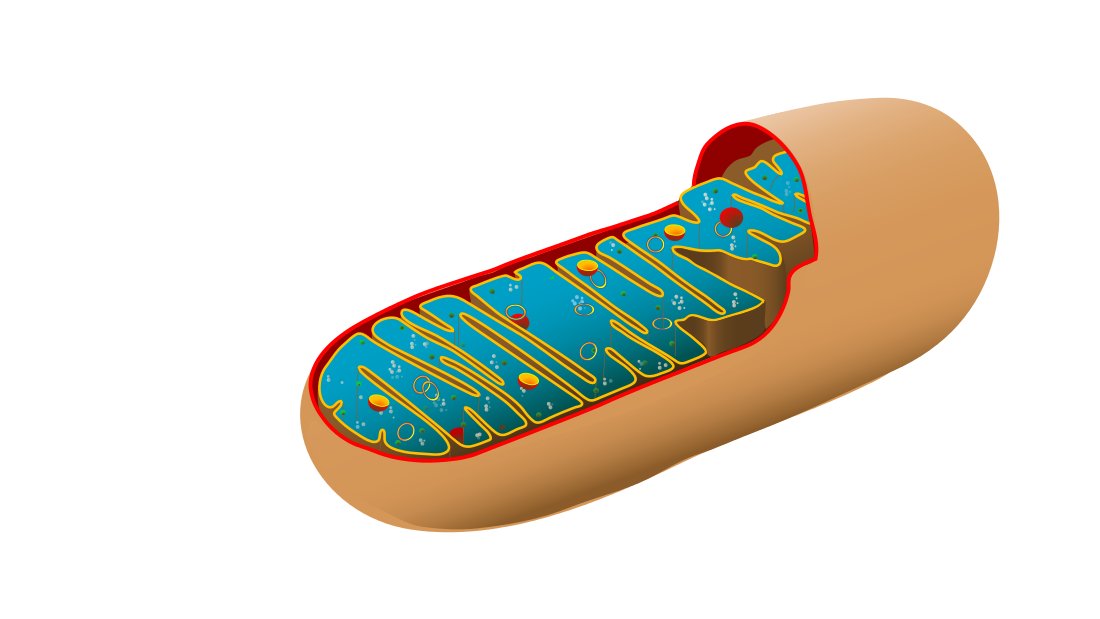
cycle: (matrix)
acetyl
coA + 4-C molecule becomes a 6-C molecule
the
6-C molecule loses 2 molecules of CO2, produces reduced
coenzymes FAD and NAD and produces one molecule of ATP
this
regenerates the 4-C molecule, which accepts another molecule of
acetyl coA
Electron-transport
chain:
FAD
and NAD donate electrons to first molecule in electron transport
chain
Protons
released in matrix
Protons
are actively transported across membrane using energy from
electron-transfer
H+
ions move passively down their electrochemical concentration
gradient through ATP synthetase, producing ATP via oxidative
phosphorylation.
Oxygen
accepts H+ ions and electrons, forming water (is final electron
acceptor)
Cyanide:
non-competitive
inhibitor of final enzyme in electron transport chain
oxygen
cannot accept electrons
electron
transport chain stops – build of of H+ ions, reduced NAD and FAD
no
ATP can be produced
cell
dies
Anaerobic
respiration:
Glycolysis
followed by:
production
of ethanol +CO2 + NAD from pyruvate + NADH –
plants/yeast
production
of lactate and NAD from NADH – animals
Lactate
build up lowers pH, causing enzymes to work more slowly. This slows
respiration (both anaerobic and aerobic), concequently causing muscle
cramp and fatigue.
New Page
Informationen
- Beschreibung
- A-level Biology Notiz am Biology - Respiration Notes, erstellt von Emily B am 24/11/2013.
- Erstellt von
- Emily B · Nov 2013
- Aktualisiert
- 10 Jan 2017
- Aufrufe
- 107
- Tags
- Bewertung