
Quiz
Writing to inform, explain, describe revision quiz
Dieses Quiz enthält Fragetypen, die sich im gewohnten Player öffnen.
Fragen in diesem Quiz (10)
1What is the purpose if the following piece of writing?
We are a father and two sons living in a household without women. We are like an experiment in a satellite, free of normal earthly influences (like guilt, and bleach and sock drawers). We've lived for years now in a whole new all-male institution. Given its inadequacies as a child-rearing unit, I like it. It's so different from a household run by a woman. It's home alone except there are three of us. Here are a few characteristic gender moments.
- AInform
- BExplain
- CDescribe
2Which of the following are the typical features of writing to inform?
Tick all that apply.
- APresent tense
- BCausal connectives (connecting words indicating cause and effect)
- CAppeals to the senses
- DClear topic sentences
- ENouns and verbs dominate
- FTendency towards simple and compound sentences
3Complete this piece of writing to describe by choosing the most powerfully descriptive words and phrases from the drop-down menu. It is the opening of a story about one soldier's experience on the battlefields during the First World War.
The [blank_start]muddy field[blank_end] was [blank_start]empty[blank_end] and the [blank_start]cold[blank_end] wind was [blank_start]blowing on my[blank_end] face. I was [blank_start]alone[blank_end] and [blank_start]felt tired[blank_end]. I hadn't slept [blank_start]for a long time[blank_end]. My legs ached and my [blank_start]worn-out[blank_end] boots were [blank_start]heavy because of the mud.[blank_end]
I could still hear the [blank_start]deafening sounds of fighting[blank_end]. Smoke [blank_start]rose slowly[blank_end] from the [blank_start]places where the bombs had fallen[blank_end]. I saw the [blank_start]broken remains[blank_end] of tanks that had been [blank_start]hit[blank_end] by shells. All around [blank_start]lay dead people in their uniforms.[blank_end] The frozen faces [blank_start]looked at[blank_end] me as I [blank_start]walked[blank_end].
I searched for my friend among the dead. I continued [blank_start]looking for hours[blank_end]. It [blank_start]got dark and cold[blank_end]. I had to go because [blank_start]it would have been dangerous to stay.[blank_end]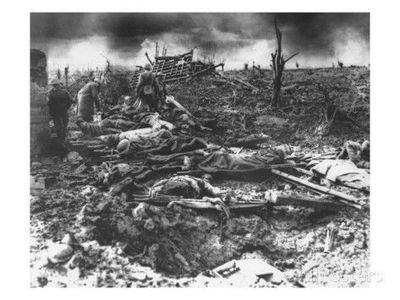
- Amuddy field
- Bquaggy battlefield
- Cbattleground
- Dempty
- Edeserted
- Fdevoid of life
- Gcold
- Hbiting
- Ifreezing
- Jblowing on my
- Kgnawing at my
- Llashing my
- Malone
- Ndesolate
- Oisolated
- Pfelt tired
- Qexhausted
- Rworn-out
- Sfor a long time
- Tfor ages
- Ufor what felt like years
- Vworn-out
- Wragged
- Xbroken-down
- Yheavy because of the mud.
- Zlike lead weights due to the mire
- AAdirty because of the filth
- ABdeafening sounds of fighting
- AChaunting sounds of the battle
- ADloud noises from the battle
- AErose slowly
- AFcurled gently
- AGcame from
- AHplaces where the bombs had fallen
- AIcraters left by the exploding shells
- AJshell-holes
- AKbroken remains
- ALskeletal remains
- AMburnt-out remains
- ANhit
- AOdestroyed
- APobliterated
- AQlay dead people in their uniforms.
- ARlay the empty husks of my fellow men.
- ASlay the dead of the battle.
- ATlooked at
- AUadmonished
- AVwatched me
- AWwalked
- AXtrudged
- AYstumbled
- AZlooking for hours
- BAto forage among the dead for hours
- BBsearching for hours
- BCgot dark and cold
- BDgrew dark and raw
- BEbecame dark and dank
- BFit would have been dangerous to stay.
- BGnothing could survive here for long
- BHto stay would mean certain death.
4Writing to describe just means writing a fictional story.
- ARichtig
- BFalsch
5Which of the following is NOT a form of writing to inform?

- ALeaflets
- BArticles
- CSummaries
- DReports
- EAutobiography
6Complete the sentences by dragging and dropping the correct causal connectives in the spaces.
1) Water expands as it freezes, [blank_start]so[blank_end] ice takes more space than water.
2) Sales are down [blank_start]because of[blank_end] high prices.
3) As a [blank_start]result of[blank_end] overnight rain, the pitch is not fit to use and [blank_start]therefore[blank_end] the match has been cancelled.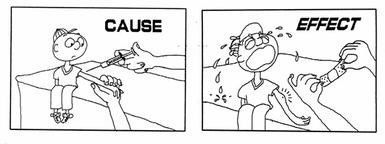
- Aso
- Band
- Cbut
- Dbecause of
- Edespite
- Fbut there are
- Gresult of
- Hresponse to
- Iprecaution against
- Jtherefore
- Know
- Lthus
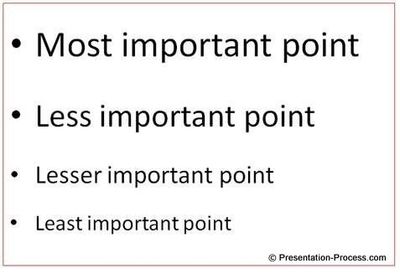
7When writing to inform or explain it is O.K to use bullet points.
- ARichtig
- BFalsch
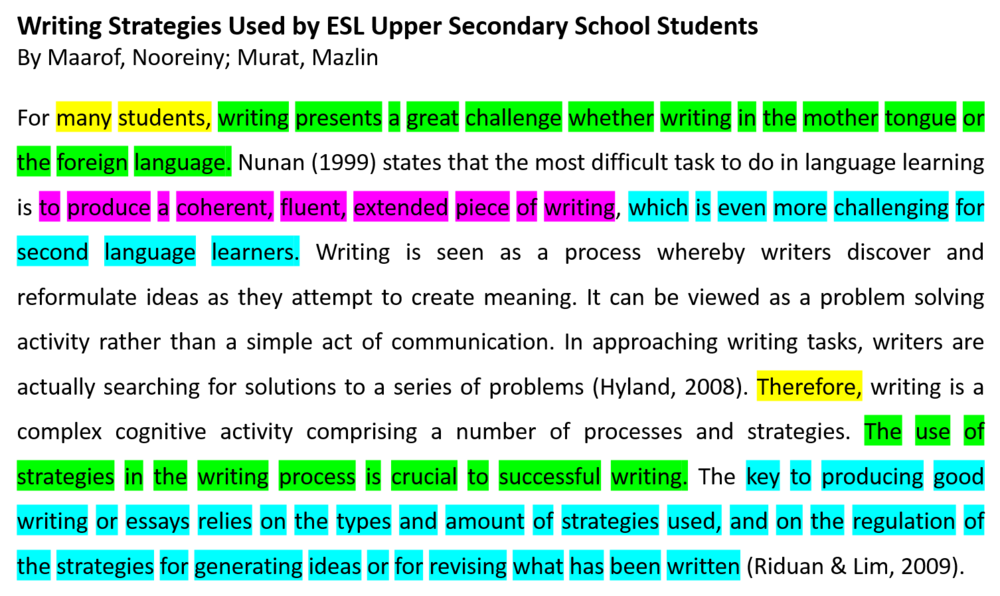
8Annotate this piece of writing to explain to show the key techniques that are used to make it an effective piece of writing to explain.
- AThird person
- BFirst person
- CGeneral statement
- DAssertion
- EActive voice
- FPassive voice
- GImpersonal, formal tone
- HFriendly, informal tone
- ICausal connective
- JTemporal connective
- KAnswers how
- LAnswers when
- MAnswers why
- NAnswers who
9Which of the following techniques could you use when writing to describe?
Choose all that apply
- ASensory language
- BMetaphors
- COnomatopoeia
- DSimiles
- EPersonification
- FTechnical or specialist vocabulary
- GAdjectives and adverbs
- HImperatives
- IBullet point lists
10In any piece of writing, whatever the purpose, it is important to be able to use punctuation for effect. See if you can remember how to use the 7 most common punctuation marks by choosing from the drop-down menus to complete the explanations.
1) A full stop (.) is used to [blank_start]indicate that you have finished a point[blank_end] and are about to make a new one.
2) Commas (,) can indicate [blank_start]a pause[blank_end], [blank_start]separate clauses,[blank_end] allow the use of more than one [blank_start]adjective or adverb[blank_end], [blank_start]separate items on a list[blank_end]
3) Exclamations marks (!) should be used sparingly at the [blank_start]end of sentences[blank_end] to convey [blank_start]emotions such as surprise, anger, fear[blank_end] etc. .
4) Questions marks (?) are used to [blank_start]turn sentences into questions[blank_end] which can be [blank_start]direct or rhetorical.[blank_end]
5) A colon (:) is used to make a [blank_start]very definite pause[blank_end] and is most often used [blank_start]just before a list.[blank_end]
6) A semi colon (;) is used instead of [blank_start]a full stop[blank_end] so that two sentences which [blank_start]are linked by theme[blank_end] can be joined.
7) The apostrophe (') has [blank_start]two[blank_end] main uses. It can be used to [blank_start]indicate possession[blank_end] or to show [blank_start]when a letter is missing.[blank_end]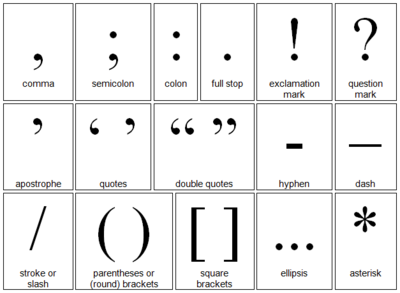
- Aindicate that you have finished a point
- Bindicate you need to take a breath
- Cindicate you are about to start a list
- Da pause
- Etime
- Fa stop
- Gseparate clauses,
- Hjoin sentences
- Iend sentences
- Jadjective or adverb
- Knoun or verb
- Lword
- Mseparate items on a list
- Nseparate sentences
- Oseparate paragraphs
- Pend of sentences
- Qbeginning of sentences
- Rend of paragraphs
- Semotions such as surprise, anger, fear
- Temotions such as love, greed, and envy
- Uemotions clearly and concisely
- Vturn sentences into questions
- Wask rhetorical questions
- Xgrab the reader's attention
- Ydirect or rhetorical.
- Zlong or short
- AAopen or closed
- ABvery definite pause
- ACslight pause
- ADdefinite stop
- AEjust before a list.
- AFat the end of a sentence
- AGto separate clauses
- AHa full stop
- AIa comma
- AJa colon
- AKare linked by theme
- ALare not linked at all
- AMabout opposite ideas
- ANtwo
- AOthree
- APfour
- AQindicate possession
- ARindicate time
- ASindicate place
- ATwhen a letter is missing.
- AUwhen a word is missing
- AVwhen a sentence is missing
Informationen
- Beschreibung
- Multi-question quiz allowing learners to revise the features of writing to inform, explain and describe in preparation for the written component of Paper 1 of the Edexcel Level /1/ Certificate in English Language exam.
- Autor
- Sarah Holmes
- Sprache
- English
- Aufrufe
- 1.017
- Schlagwörter
- Bewertung
- 4,5 von 5 · 2 Bewertungen Bewerte dieses Quiz