
3472777


| Frage | Antworten |
| Parliment | The British Legislator |
| Legislature | A group of people that makes laws |
| Precedent | A ruling that is used as the basis for a judicial decision in a later similar case |
| Common Law | A system of law based on precedent and customs |
| Compact | An agreement, or contract, among a group of people |
| Town Meeting | A gathering of a local citizens to discuss and vote on important issues. |
| Mercantilism | The theory that a country should sell more goods to other countries than it buys. |
| Boycott | The refusal to purchase certain goods |
| Congress | A formal meeting at which representatives discuss matters of common concern |
| Independence | Self Reliance and freedom from outside control |
| Confederation | A group of individuals or states that band together for a common purpose |
| Glorious Revolution | 1688 the peaceful transfer of power in history of Britain; Parliament removed King James ll from throne and invited his daughter Mary and her husband William to rule instead |
| Magna Carta | Great charter signed in 1215 by King John; limited power of the monarch and recognized rights of the nobles |
| English Bill of Rights | In English history guaranteed free elections, the right to a fair trial, and made cruel and unusual punishment illegal. |
| Natural Rights | right you are born with-life, liberty and property. |
| Social contract | agreement between the people and the government; People agree to give up part of their freedom to govt. in exchange for protection of natural rights |
| Baron de Montesquieu | philosopher who came up with "separation of powers" |
| Enlightenment | during the 1700's and 1800's movement that spread the idea that reason and science could improve society. |
| Mayflower compact | document signed by the passengers on the mayflower, created a direct democracy in the new world |
| House of Burgesses | bicameral legislator in Jamestown |
| Proprietary colony | colony owned by a person who controlled the land a govt. |
| Royal colony | colony owned by the king |
| indentured servant | a person who agreed to work for a period of seven years to pay off the cost of their passage of the colonies |
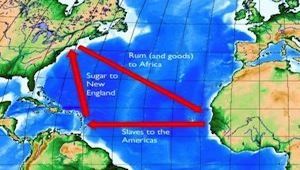
| Triangular trade | trade between europe,africa, and the americas, slaves from africa were trade fo sugar and molasses |
| Middle passage | the journey across the atlantic ocean made by slave ships |
| Salutary neglect | sometimes called healthy or useful neglect meant england did not strictly enforce its laws on the colonist |
| French Indian War | also know as the 7 years war fought between england and france, and because of war debt england taxed the colonies |
| No taxation without representation | slogan that summed up the colonists anger over the taxes and the fact colonies were not allowed to send representatives to parliment |
| Boston massacre | March 5 1770 british soldiers opened fire on civilians killing 5 |
| Stamp act | Taxed anything on paper |
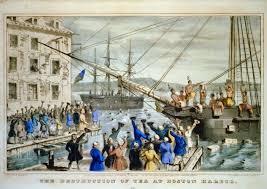
| Boston tea party | When colonists dumped 90,000 pounds of taxed british tea into the harbor |
| Intolerable acts | also known as the coercive acts, they punished boston colonists for the boston tea party, the port was closed to trade |
| Qurtering act | part of the intolerable acts, act that required colonists to house and feed british soldiers |
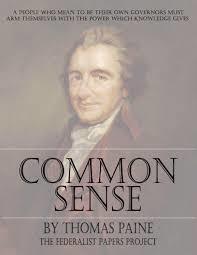
| Common Sense | pamphlet written by thomas paine that was widely read in the colonies |
| Battle of Lexington and Concord | First battle of the Revolutionary war |
| Second Continental Congress | meeting of colonial delegates in May 1775; a committee of 5 men were appointed to write a document declaring Americas independence |
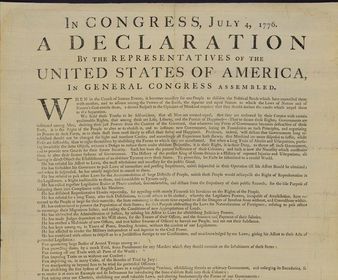
| D.O.I | Document that declared Americas freedom from Great Britain |
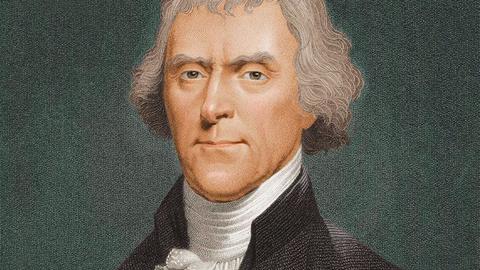
| Thomas Jefferson | Chief author of the D.O.I |
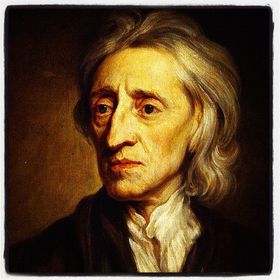
| John Locke | English philosopher who came up with natural rights |
Möchten Sie mit GoConqr kostenlos Ihre eigenen Karteikarten erstellen? Mehr erfahren.