
Karteikarten
Test 1
Karten in diesem Stapel (64)
- 1DomainsArchaea, Bacteria, Eukarya
- 24 Groups of Organisms in Eukarya:1. Protists
2. Plantae
3. Fungi
4. Animalia - 3Basic Theories of Biology:Cell, Homeostasis, Gene, Ecosystem, Evolution
- 4Atomic NumberNumber of protons within the nucleus of an atom
- 5Mass NumberMass of an atom equal to the number of protons PLUS the number of neutrons in the nucleus
- 6IsotopesAtoms of an element where you change number of neutrons (and therefore different mass)
- 7MoleculeTwo or more elements bonded together
- 8CompoundA molecule containing at least 2 different elements bonded together (ie CO2, H20)
- 9FormulaTells you the number of each kind of atom in a molecule
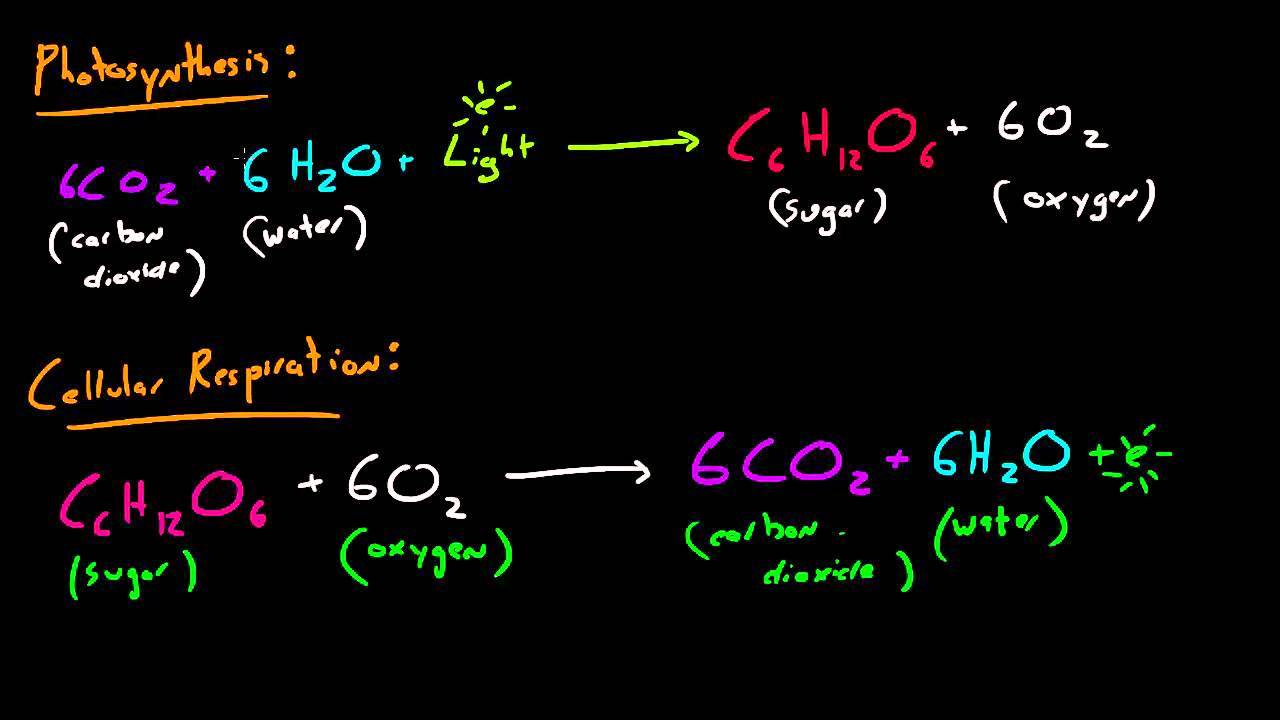
- 10Process of Photosynthesis/Cellular Respiration (in reverse)
- 11IonAn atom that has lost or gained an electron
- 12BondsIonic- giving & taking entire electrons
Covalent- atoms share electrons
*polar -unequal sharing (electronegativity)
*non-polar-equal sharing (no charge) - 13Water*Is a polar molecule
*Has a high heat capacity
*Has a high heat of vaporization
*Is a good solvent
*molecules are cohesive and adhesive
*Ice is less dense than water - 14pHMeasure of Hydrogen ion concentration in a solution
Scale: 0-14
0-7= Acidic
7-14= Basic
7=Neutral - 15When water ionizes, it releases and equal number of __________Hydrogen ions (H+) and hydroxide
- 16Acids/BasesAcid- substance that dissolves in water,
releasing H ions. Increase number of (H+) ions in a solution
Base- substance that either takes up (H+) or releases hydroxide ions (OH-) - 17Logarithmic Scale10 fold change (10x) in H+ concentration
[pH of 4 is 10x as acidic as pH of 5]
[pH of 10 is 100x more basic than pH of 8] - 18BuffersKeep pH within normal limits (ie. milk)
- 19Organic MoleculeMolecule that always contains C & H, and often O as well (within living organisms)
- 204 Classes of Organic Compounds in Any Living Thing:*Carbohydrates
*Lipids
*Proteins
*Nucleic Acids - 21Functional GroupSpecific set of atoms that always act the same way. * much of a biomolecule's chemistry is attributed to its functional groups, rather than the carbon skeleton to which they are attached. Double bonds affect a molecule's shape, & therefore influence function.
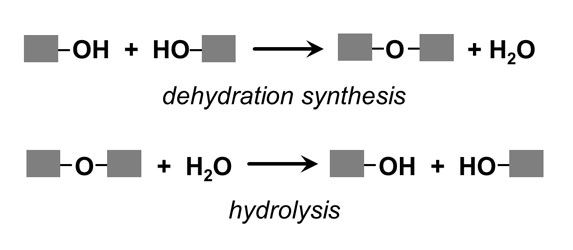
- 22Dehydration reaction/Hydrolysis reaction
- 23EnzymesProtein molecule that speeds up a chemical reaction
*any word ending in -ase is an enzyme
*made of protein - 24CarbohydratesUsed as immediate energy source & building blocks
*most have C:H:O ratio of 1:2:1
*includes single sugars & chains - 25SaccharidesMonosaccharide- simple sugar
*some multiple of CH2O
*Glucose is a hexose sugar/critical to life
Disaccharide- 2 fused glucose molecules (ie. maltose, sucrose,lactose)
Polysaccharide- 3 or more units together
*Long term storage *Not soluable in H2O
*can be used for structure (ie. chitin) - 26Lipids*Insoluble in water
*Store energy
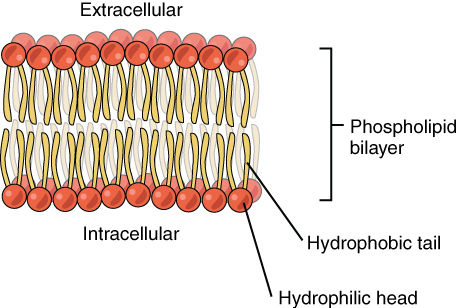
*Used as insulation in animals - 27Phospholipids
- 28SteroidsProvide hormones & made up of 4 carbon rings
*Cholesterol is a precursor of steroids such as sex hormones - 29ProteinsPrimary importance to structure & function of cells - critical for life
*Polymers of amino acids
*2 or more amino acids = peptides
more=polypeptides - 30Protein functionMetabolism (enzymes speed chem. reactions in cells), Support, Transport, Defense (antibodies), Regulation, Motion (actin & myosin)
- 31Amino Acid (Groups)-NH2 (amino group)
-COOH (acid group)
R-groups (amino acid) - 32Protein StructurePrimary- chain of amino acids released at translation (not functional)
Secondary- presence of alpha helices & beta (pleated) sheets held in place by H bonds (not functional)
Tertiary- 3D protein (functional)
Quarternary-need subunits (ie hemoglobin) to function - 33DNAGenetic material that stores info for own replication & for sequence of amino acids in proteins
[adenine, guanine, cytosine, thymine]
(A->T, G->C) - 34RNAPerform wide range of functions, like protein synthesis & regulation of gene expression
[adenine, guanine, cytosine, uracil] - 35ATPEnergy "currency" of the cell- transports chemical energy within cells for
metabolism
[adenine, ribose, 3 phosphates] - 36Cell Theory*All organisms are composed of cells
*Cells are basic unit of structure & function
*Cells only come from preexisting cells
(self-reproducing)
[Schleiden, Schwann, & Virchow] - 37Prokayrotic vs EukaryoticProkaryotic- region nucleoid, not
membrane bound
Eukaryotic- Membrane bound nucleus,
organelles - 38Cell EnvelopeContains plasma membrane, the cell wall, & the glycocalyx
- 39Plasma MembranePhospholipid bilayer with embedded proteins
- 40MesosomesLikely increase internal surface area for attachment of enzymes carrying on metabolic activities
- 41Cell WallMaintains integrity and structure
*Contains peptidoglycan - 42Glycocalyx"Sugar coat"
Layer of polysaccharides outside cell wall in some bacteria - 43CytoplasmSemi-fluid solution composed of water, inorganic & organic molecules (including enzymes), and encased by a plasma membrane
- 44PlasmidsExtrachromisomal ring of accessory DNA in the cytoplasm of prokaryotes
- 45vectorIn genetic engineering, a means to transfer foreign genetic material into a cell (eg. a plasmid)
- 46ribosomesSite of protein synthesis in a cell; composed of proteins and rRNA
- 47CyanobacteriaPhotosynthetic with no chloroplasts
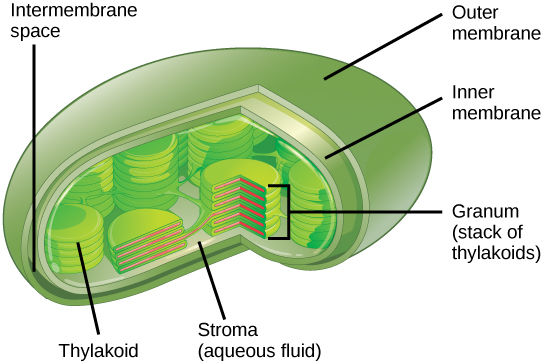
*contain thylakoids
*release O as by-product - 48Appendages of ProkaryotesFlagella- (going)
Fimbriae- (staying)
Conjugation pili- (exchanging info)
*prokaryotes do not have cilia - 49Endosymbiotic TheoryExplains where mitochondria & chloroplasts come from (larger eukaryotic cell engulfed smaller prokaryotic cells)
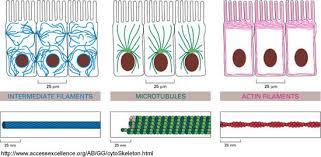
- 50CytoskeletonInternal framework of the cell- consists of microtubules, actin filaments, & intermediate filaments
- 51Cell WallCellular structure that surrounds a plant, protistan, fungal, or bacterial cell and maintains the cell's shape & rigidity. Composed of polysaccharides
*no animal cells - 52NucleusDNA can never leave nucleus
Contains: chromatin (natural state) and nucleoplasm.
*Mitosis - Chromosomes (condensed to tight ball) - 53Types of RNARibosomal (rRNA)
Messenger (mRNA)
Transfer (tRNA) - 54Central dogma of molecular biologyDNA->mRNA->protein
- 55Golgi ApparatusFinalize "packaging" for "shipping"
*Items leave cell (exocytosis/secretion)m
*Items inside/entering cell (endocytosis) - 56Energy Related OrganellesMitochondria & Chloroplasts
(Mitochondria only in animal cells) - 57Mitochondria"Power generators of the cell"
*produce ATP - 58Cellular RespirationBreaks down ATP
- 59Stroma, Thykoloids, Granum
- 60PlastidsOrganelle of plants & algae bound by double membrane & contains internal membranes and/or vesicles (ie chloroplasts)
- 61Chloroplasts, Chromoplasts, LeukoplastsChloroplasts - (green color - 1st to break down)
Chromoplasts- (Yellow, red, & orange)
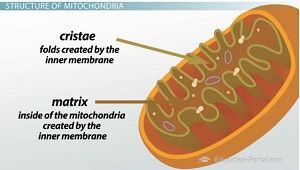
Leukoplasts- generally colorless plastids that synthesize & store starches & oils (ie potatoes) - 62Matrix, Christae
- 63Actin, Intermediate, Microtubular
- 64CentriolesMade up of microtubules in specific pattern
*basal bodies (lies at base of cilia & flagella
*used during mitosis, helps with
movement