
Quiz
Biology 150 - Chapter 12 LEARN Quiz
Questions in this quiz (31)
1Why don’t ecosystems eventually run out of energy?
- Abecause there are secondary producers
- Bbecause photosynthesis is exergonic
- Cbecause they are open systems
- Dbecause they are closed systems
2Which of the following is most likely to be associated with dynamic equilibrium in an ecosystem?
- Aa positive feedback loop
- Ba negative feedback loop
- Chomeorhesis
- Dpulsing states
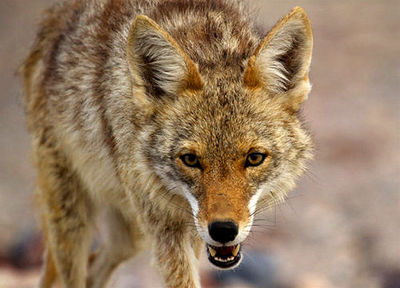
3A coyote eats a rabbit, and burns off much of the calories it gains in maintaining body temperature. In this instance, what can we say about entropy and energy?
- Aentropy has decreased, available useful energy has increased
- Bentropy has decreased, available useful energy has decreased
- Centropy has increased, available useful energy has increased
- Dentropy has increased, available useful energy has decreased
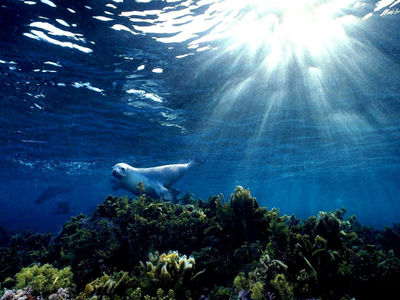
4Light is often more limiting in aquatic ecosystems than in terrestrial ecosystems.
- ATrue
- BFalse
5The effects of temperature and precipitation on Net Primary Productivity (NPP) are independent.
- ATrue
- BFalse
6Ecosystem X houses species with extremely large niches. What can we say is likely regarding the resistance and resilience of this ecosystem?
- Ahigh resistance and high resilience
- Blow resistance, intermediate resilience
- Chigh resilience, intermediate resistance
- Dlow resistance and low resilience
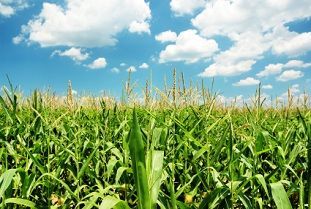
7You estimate kilograms of corn plants (including stalks, shoots, leaves, etc) produced per square meter per year in a field outside of Waterloo. This is best characterized as an estimate of:
- Anet primary productivity
- Bgross primary productivity
- Cstanding crop biomass
- Dbiomass accumulation ratio
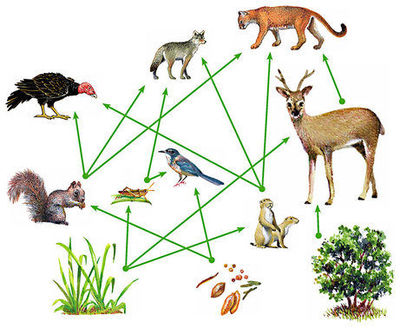
8Ecosystem “A” retains most of its food web structure and species composition through a period marked by heavy pollution. Nearby Ecosystem ‘B’ however loses 50% of its species diversity and feeding links. Ecosystem ‘A’ is:
- Amore resistant that Ecosystem 'B'
- Bmore resilient than Ecosystem 'B'
- Cin a positive feedback loop
- Dboth A and B
9Warm nutrient rich conditions favour growth of an algal bloom in a lake. In fall, the decomposing algae releases yet more nutrients into the lake which leads to an even worse algal bloom the following spring. This is an example of:
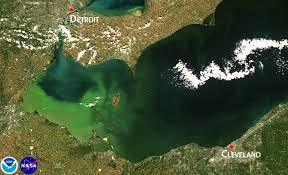
- Anegative feedback
- Ba trophic cascade
- Chomeostasis
- Dpositive feedback
10Energy is recycled in detrital food chains.
- ATrue
- BFalse
11Which of the following ecosystems would you likely observe the highest trophic efficiency in?
- Aan algal-based lake
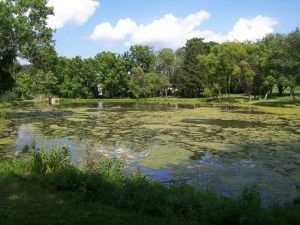
- Ba grassland
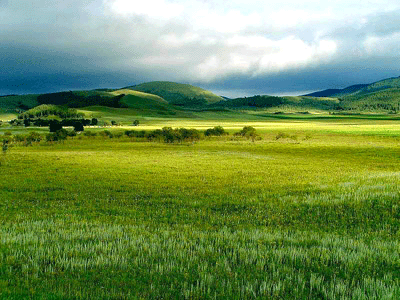
- Ca macrophyte-dominated swamp
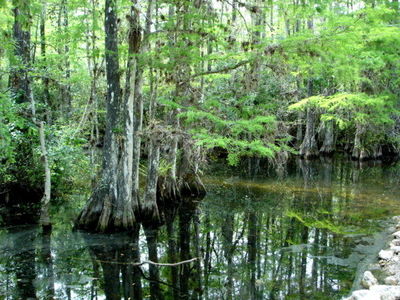
- Da forest
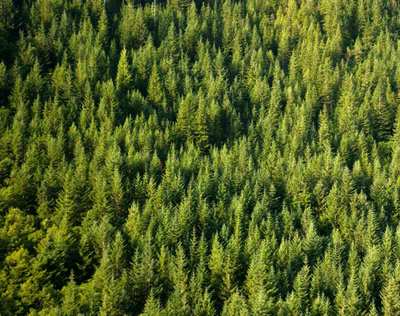
- Aan algal-based lake
12Which of the following is likely to have the highest concentrations of a biomagnifying contaminant?
- Aprimary producer
- Bprimary consumer
- Csecondary consumer
- Dtertiary consumer
- Eall are equal
13High level carnivores are often part of only one type of food chain – either grazing or detrital.

- ATrue
- BFalse
14Neither energy nor biomass pyramids can be inverted/upside down (ie. larger at the top than the bottom).
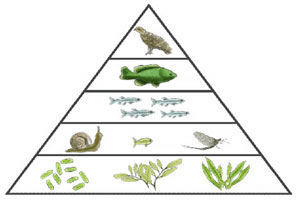
- ATrue
- BFalse
15Grazing and detrital food chains are independent are not connected.
- ATrue
- BFalse
16You are studying a three-level food chain (primary producers, herbivores, carnivores). 5000 calories of plant energy are produced. How many of these calories will be convertes into carnivore tissue?
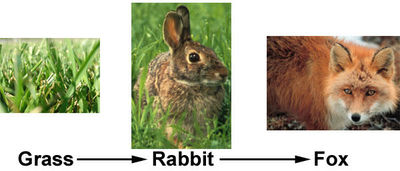
- A5 calories
- B50 calories
- C500 calories
- D5000 calories
17A snail that feeds on dead leaves is best characterized as:
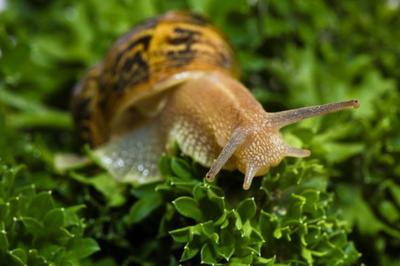
- Aa saprophage; part of the detrital food chain
- Ba biophage; part of the grazing food chain
- Ca biophage; part of the detrital food chain
- Da saprophage; part of the grazing food chain
18What variable(s) affect(s) the rate of decomposition? Select all that apply, if more than one.
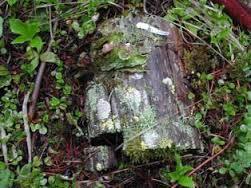
- Aamount of lignin
- Btemperature
- Cmoisture
- Doxygen availability
19What are the eventual end products of decomposition?
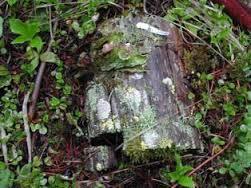
- Ainorganic nutrients
- Bsecondary productivity
- Corganic matter
- Ddetritus
20Where would we expect nutrient concentrations in streams to be highest?
- Abottom of a vegetated valley
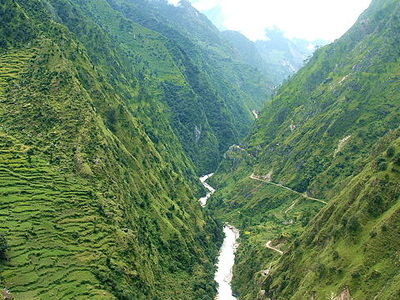
- Bbottom of a recently logged valley
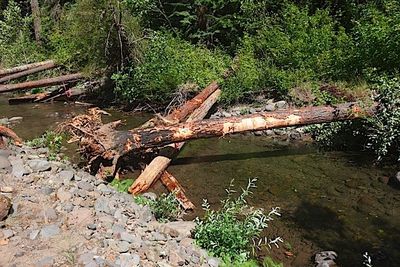
- Call of the above are equal
- Abottom of a vegetated valley
21What human activities have been implicated in dropped water tables?
- Apaving over natural surfaces

- Buse of irrigation
- Cconverting forests to agriculture
- Dall of the above
- Apaving over natural surfaces
22Fertilizing a grassland with nitrogen is MOST likely to result in:
- Aincrease in productivity, increase in species richness
- Bincrease in productivity, no change in species richness
- Cincrease in productivity, transition to N-fixing species
- Dincrease in productivity, decrease in species richness
23Increasing temperatures are causing permafrost and tundra to melt. This causes faster decomposition rates and carbon release, and is an example of:
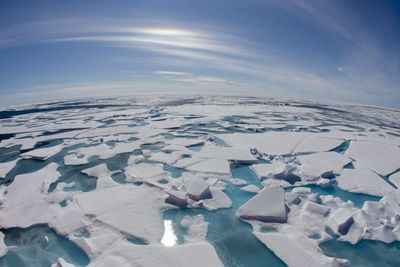
- Apositive feedback
- Bnegative feedback
- Cneutral feedback
- Dnone of the above
24Which of the following is/are potential direct or indirect cause(s) of climate warming? (Select all that apply)
- Aincreases in Earth's inventory of carbon
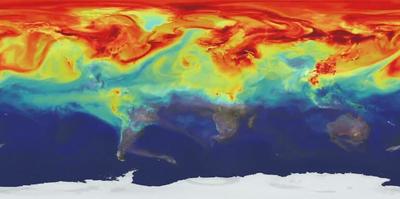
- Bincreasing urbanization
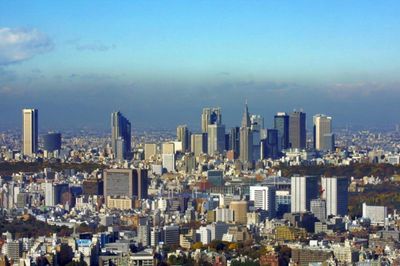
- Cincreasing human-induced fires
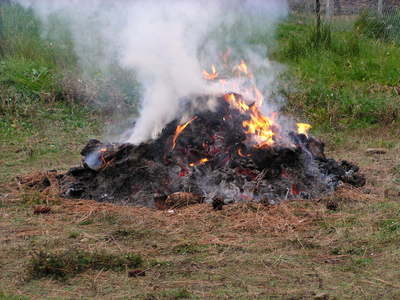
- Dburning of fossil fuels
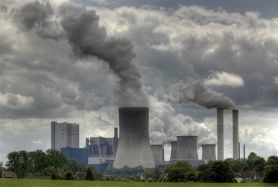
- Aincreases in Earth's inventory of carbon
25Which of the countries below uses the most oil per capita?
- AChina

- BCanada

- CIndia

- DAustralia

- AChina
26Climate warming is thought to be related to which of the following ecological observations? (Select all that apply, if more than one)
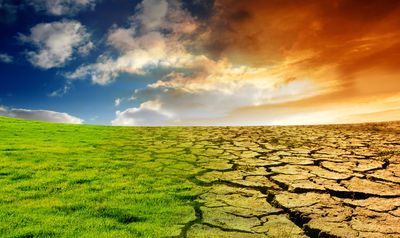
- Achanges in species' ranges
- Bchanges in allele frequencies within species
- Cchanges in timing of seasonal life history events, such as flowering
- Dchanges in extinction rates
27Globally, we know that climate-induced increases in terrestrial NPP will compensate up for climate-induced decreases in marine NPP.
- ATrue
- BFalse
28Nutrient run-off into marine coastal environments can cause:
- Aformation of toxic algal blooms
- Bformation of anoxic zones
- Cshort-term increases in primary productivity
- Dall of the above
29What factor(s) is/are affecting the health of coral reef ecosystems?
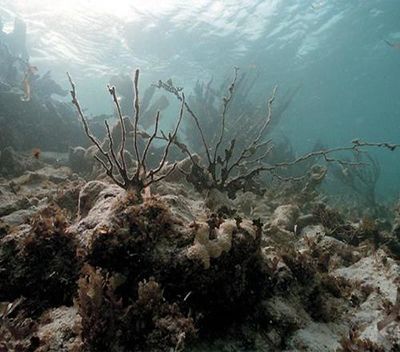
- Aincreasing temperatures
- Bocean acidification
- Cpollution
- Dall of the above
30Which is NOT a leading factor in explaining why climate change is increasing terrestrial NPP?
- Ahigher CO2
- Bincreased sunlight
- Cincreased temperatures
- Dincreased precipitation in tropics
31Why is marine NPP thought to be decreasing (leading explanation)?
- Aless sunlight
- Bchanges in water density
- Cslower decomposition
- Dless nutrients from terrestrial runoff
Information
- Description
- Biology 150 (Organismal and Evolutionary Ecology), Chapter 12 (Ecosystem Ecology) LEARN Quiz
- Author
- Laurel McLaughlin
- Language
- English
- Views
- 75
- Tags
- Rating
- No ratings yet Rate this quiz