
Flashcards
Chapter 1 Key Terms
Cards in this deck (18)
- 1AddendsNumbers that are combined in the addition process. Example: 8 + 9 = 17, in which 8 and 9 are the addends.
- 2Decimal pointCenter of the decimal system—located between units and tenths. Numbers to left are whole numbers; to the right are decimal numbers.
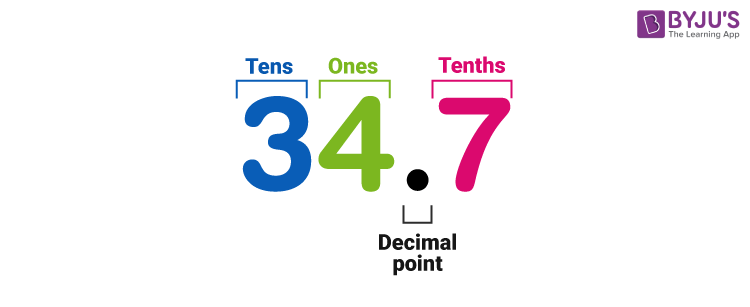
- 3Decimal SystemThe U.S. base 10 numbering system that uses the 10 single-digit numbers shown on a calculator.
- 4DifferenceThe resulting answer from a subtraction problem. Example: Minuend less subtrahend equals difference. 215 − 15 = 200.
- 5DividendNumber in the division process that is being divided by another. Example: 15 ÷ 5, in which 15 is the dividend.
- 6DivisorNumber in the division process that is dividing into another.
Example: 15 ÷ 5, in which 5 is the divisor. - 7MinuendIn a subtraction problem, the larger number from which another is subtracted. Example: 50 – 40 = 10.
50 is the minuend - 8MultiplicandThe first or top number being multiplied in a multiplication problem.
Example: 50 x 10 =500
50 is the multiplicand - 9MultiplierThe second or bottom number doing the multiplication in a problem.
Example: 10 x 15=150
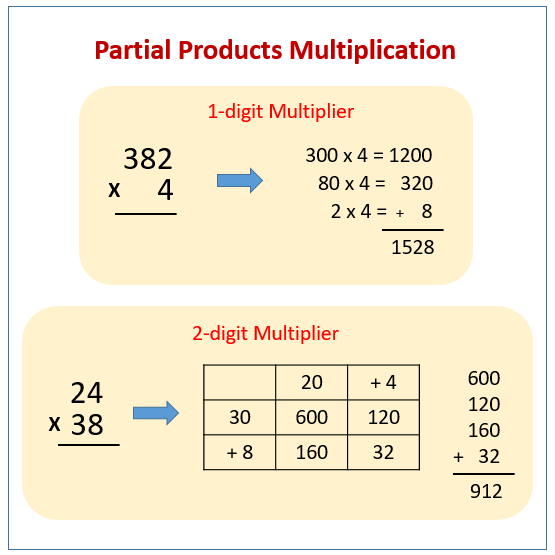
15 is the multiplier - 10Partial productsNumbers between multiplier and product.
- 11Partial quotientOccurs when divisor doesn’t divide evenly into the dividend. Example:
169/7= 24 R1, where 24 is the partial quotient. - 12ProductAnswer to a multiplication process. Example: 25 x 4=100, where 100 is the product.
- 13QuotientThe answer to a division problem.
Example: 100/4=25, where 25 is the quotient. - 14RemainderLeftover amount in division. Example:
11/2= 5 R1. 1 is the remainder. - 15Rounding all the wayProcess to estimate actual answer. When rounding all the way, only one nonzero digit is left. Rounding all the way gives the least degree of accuracy. Example: 1,251 to 1,000; 2,995 to 3,000.
- 16SubtrahendIn a subtraction problem, smaller number that is being subtracted from another. Example: 30 in
150 − 30 = 120 - 17SumTotal in the adding process. Example: 5 in
3+2=5 - 18Whole NumberNumber that is 0 or larger and doesn’t contain a decimal or fraction, such as 10, 55, or 92.