
Flashcards
Unit 3 Reproduction
Cards in this deck (58)
- 1Why do we need to reproduce?The living things need to reproduce to ensure that their species continues to exist on Earth.
- 2What would happen if we did not?Humans would go extinct.
- 3Humans reproduce by sexual reproduction? What is another type of reproduction?Asexual reproduction. It enables a living thing to reproduce without the need for another organism.
- 4Stages of our live1. baby (0-12 months)
2. toddler (1-3 years)
3. child (3-13 years)
4. adolescent (13-19 years)
5. adult (19-75 years)
6. elderly person (+ 75 years) - 5What are the sexual characteristics?The physical differences between men and women.
- 6How can they be?1. Primary sexual. Between male and female reproductive organs.
2. Secondary sexual. Other physical differences that may not be related to reproduction. - 7Examples of secondary sexual differences.MEN developed muscles, facial and body hair, low voice.
WOMEN: developed breasts, higher voice, wider hips and less body hair. - 8What is the puberty?It is the stage when the reproductive systems mature and the secondary sexual characteristics develop.
- 9How does it happen?The pituitary gland (located in the the brain) produce hormones that activate the sexual organs that begin to produce sex cells and sex hormones that cause the secondary sexual characteristics to appear.
- 10When does it happen?It happen when girls are around 11 years old and boys are around 13 years old.
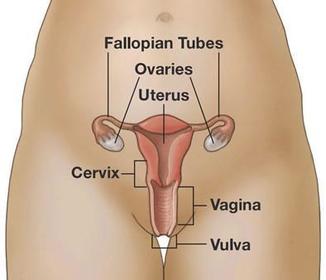
- 11The female reproductive system ...is made up of several internal organs, located in the lower abdomen.
- 12Parts or female reproductive system.The ovaries, the fallopian tubes, the uterus, the vagina and the vulva.
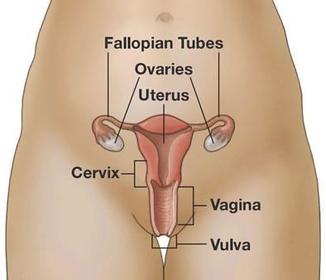
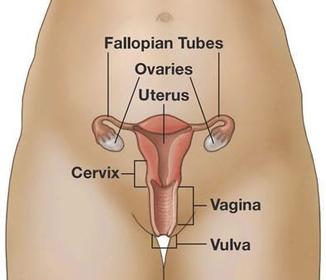
- 13The female reproductive system with labels ...
- 14Ovariesproduce female sex cells (ovules or ova) and sex hormones. One ovum mature each month.
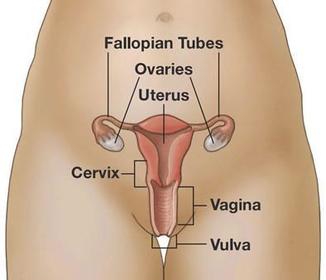
- 15The fallopian tubesconnect the ovaries to the uterus. The Fallopian tubes is where most fertilization happens for humans.
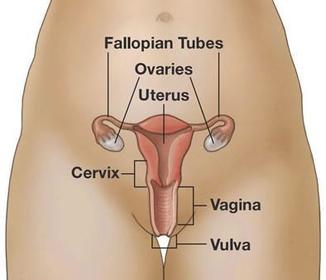
- 16The uterusis the organ with muscular walls. It contains the baby during pregnancy.
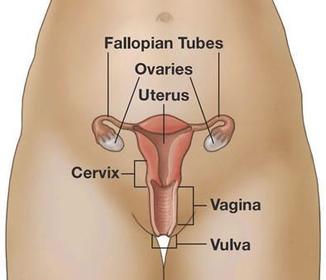
- 17The cervixis the part of the uterus that leads to the vagina.
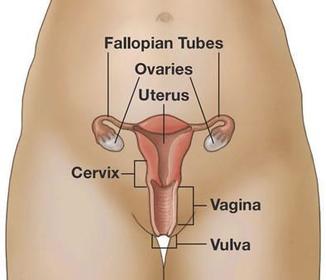
- 18The vaginais the canal that connects the uterus to the outside the body.
- 19The vulvais the external part of the reproductive system and also contains the opening of the urethra.
- 20Puberty in girls- between 10 and 16 years old.
- the breasts begin to develop and pubic and armpit hair grows.
- they grow taller
- menstruation starts between 10 and 15 years of age. - 21The menstrual cycle- the ovaries start to release ovules (ova).
- Ovulation is when an ovum is released into one of the fallopian tubes about every 28 days.
- The uterus with extra blood and tissue is prepared for fertilisation.
- If fertilisation does not happen, the ovum dries up and leaves the body through the vagina two weeks later. - 22What is the menstruation?when the ovum not fertilized, blood and tissue leaves the body through the vagina.
Typically lasts from three to five days. - 23The menstrual cycle (image)
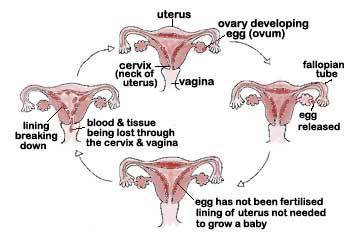
- 24When do women stop menstruating?Women are born with all the ova they will need for the rest of their life and menstruate until they have no eggs left. This usually happens when a woman is about 50. This period is called the menopause.
- 25What role does the brain play during puberty?the ovaries start to release ova in response to hormones release by the brain.
- 26What secondary changes occur in girls during the puberty?-the breasts begin to develop and pubic and armpit hair grows.
- they grow taller
- menstruation starts between 10 and 15 years of age. - 27Explain what happens to an ovum if it not fertilised.the ovum dries up and leaves the body through the vagina.
- 28What happens when a woman has no ova left?She stops menstruating. This period is called menopause (the end of menstruation).
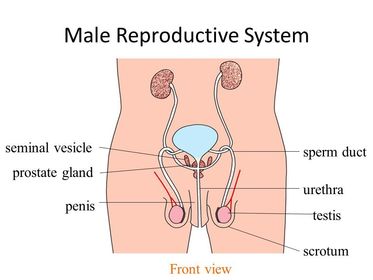
- 29The male reproductive system ...produces and transports sperm cells. Men produce millions of sperm every day.
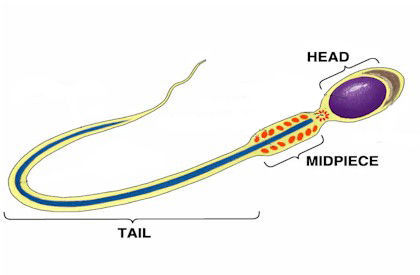
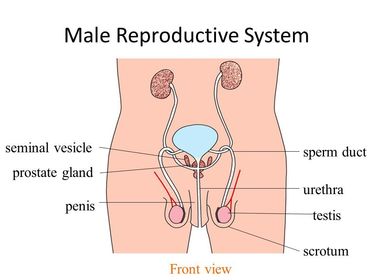
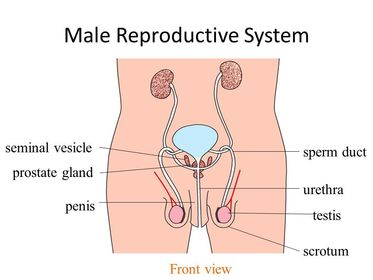
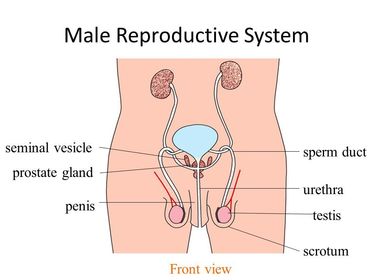
- 30Parts of the male reproductive system ...The testicles, the srotum, the vas deferens, , the prostate gland and seminal vesicles, the urethra and the penis.
- 31The male reproductive system with labels
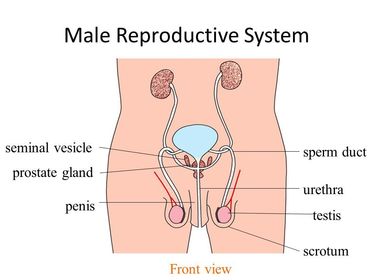
- 32The testiclesproduce sex cells (sperm) and sex hormones.
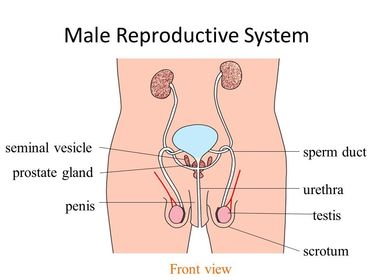
- 33The scrotumis a bag of skin that contain the testicles and regulates their temperature.
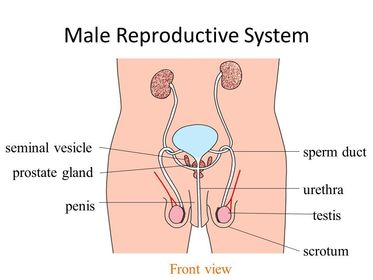
- 34The semencarries the sperm and gives it nutrients.
Semen is a mix of sperm and seminal fluid. - 35The vas deferensconnect the testicles to the seminal vesicles that produce a liquid that forms part of semen.
- 36The prostateproduces a liquid that also forms part of semen.
- 37The peniscontains the urethra.
- 38The urethrareleases sperm and urine to the outside of the body.
- 39Puberty changes in boys.-the brain secretes hormones which activate the testicles to produce testosterone.
- The testicles enlarge and the scrotum becomes larger and coarser.
- The penis grows longer and thicker, and boys are fertile.
- Semen is ejaculated from the penis.
- Pubic hair begin to grow and boys become taller and heavier.
- The voice deepens.
- Hair stars to grow under the arms and on the face. - 40Genespermit that human beings pass on some characteristics to their offspring such as eye and hair colour.
Humans have about 24.000 genes. - 41Which part of the body secretes testosterone? What does testosterona do?Testicles.
They bring about many physical changes in the boys. - 42What changes do boys experience during puberty?- The testicles enlarge and the scrotum becomes larger and coarser.
- The penis grows longer and thicker, and boys are fertile.
- Pubic hair begin to grow and boys become taller and heavier.
- The voice deepens.
- Hair stars to grow under the arms and on the face. - 43How are male and female sex cells different?Sperm are smaller than the ovules and are produced continuosly in the testicles after puberty (millions of sperm every day).
- 44What two functions does the penis have?The two functions of the penis is to excrete liquid waste (urine), and for human reproduction (sexual function).
- 45Write the words in the correct order from the production of sperm to ejaculation.1. testicles
2. vasa defferentia
3. seminal vesicles
4. prostate
5. urethra - 46Sexual reproduction in humans
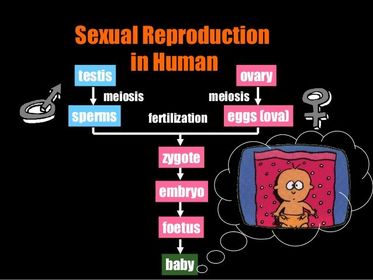
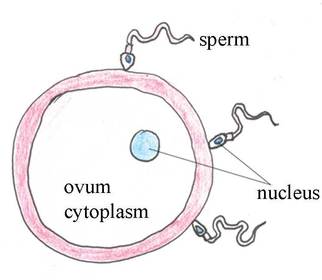
- 471. Fertilisation ...is the union of a female sex cell (ovum) and a male sex cell (sperm) in the fallopian tube.
- 48Process of fertilisation.1. The semen enter in the vagina during sexual intercourse.
2. The sperm swim into the fallopian tubes.
3. The union of the ovule and the sperm creates a cell called a zygote.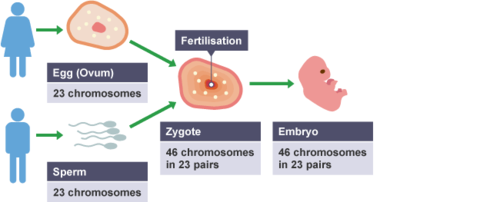
- 49How many sperm are needed for fertilisation to ocurr?One sperm.
- 50The zygote (two weeks) ...travels to the uterus and divides into more cells until an embryo is formed.
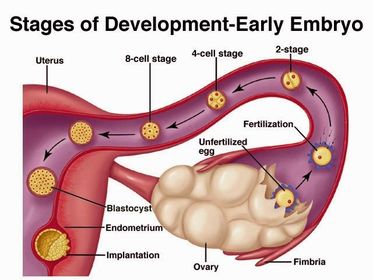
- 512. Development of the embryo (from 3 to 8 weeks)The embryo attaches itself to the wall of the uterus (implantation) to continue growing.
- 523. Development of the foetus (from 9 weeks until the end of pregnancy)All the organs have formed and the embryo develops into a foetus.
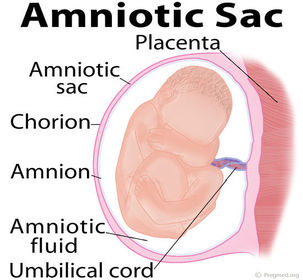
- 53What protects the foetus during prenancy?The sac of amniotic fluid protects it from knocks and bumps.
- 54How does the foetus receive oxygen and nutrients during pregnancy?From the mother´s placenta.
Waste materials and carbon dioxide are transferred from the foetus to the mother via placenta. - 55What is the umbilical cord?It is the conexion between the baby and the placenta.
- 564. BirthWhen the foetus is ready to be born, it pushes against the cervix until the baby exit from the mother´s body through the vagina.
Babies are usually born head first. - 57Stages of birth ...1. Water break: Amniotic fluid is released through the vagina (the amniotic sac breaks).
2. Dilatation: The cervix opens sufficiently and the muscles of the uterus contract at regular intervals to push out the baby.
3. Expulsion: The baby exit through the vagina. After the birth the umbilical cord is cut and tied and forms our navel.
The placenta come out after the baby. - 58What is the pregnancy?It is the period of time between fertilisation and the birth of the baby. Pregnancy last about 280 days.
Information
- Description
- 5 de octubre de 2015 Biology and Geology Flashcards on Unit 3 Reproduction, created by Benito Román Guerrero Blanco on 16/12/2016.
- Created by
- Benito Román Guerrero Blanco
- Views
- 120
- Rating