
Flashcards
Common Carlsbad NM Plants

Cards in this deck (66)
- 1FORBSA herbaceous flowering plant other than a grass
- 2—Asteraceae
Acourtia nana
ACNA2
Dwarf Desert-Peony - 3—Asteraceae
Grindelia havardii
GRHA2
Havard’s gumweed
Key features: leaves sessile along stem
- 4—Asteraceae
Gutierrezia microcephala
GUMI
Small-head snakeweed
Key features: 1-3 ray flowers (only
way to tell apart from GUSA2)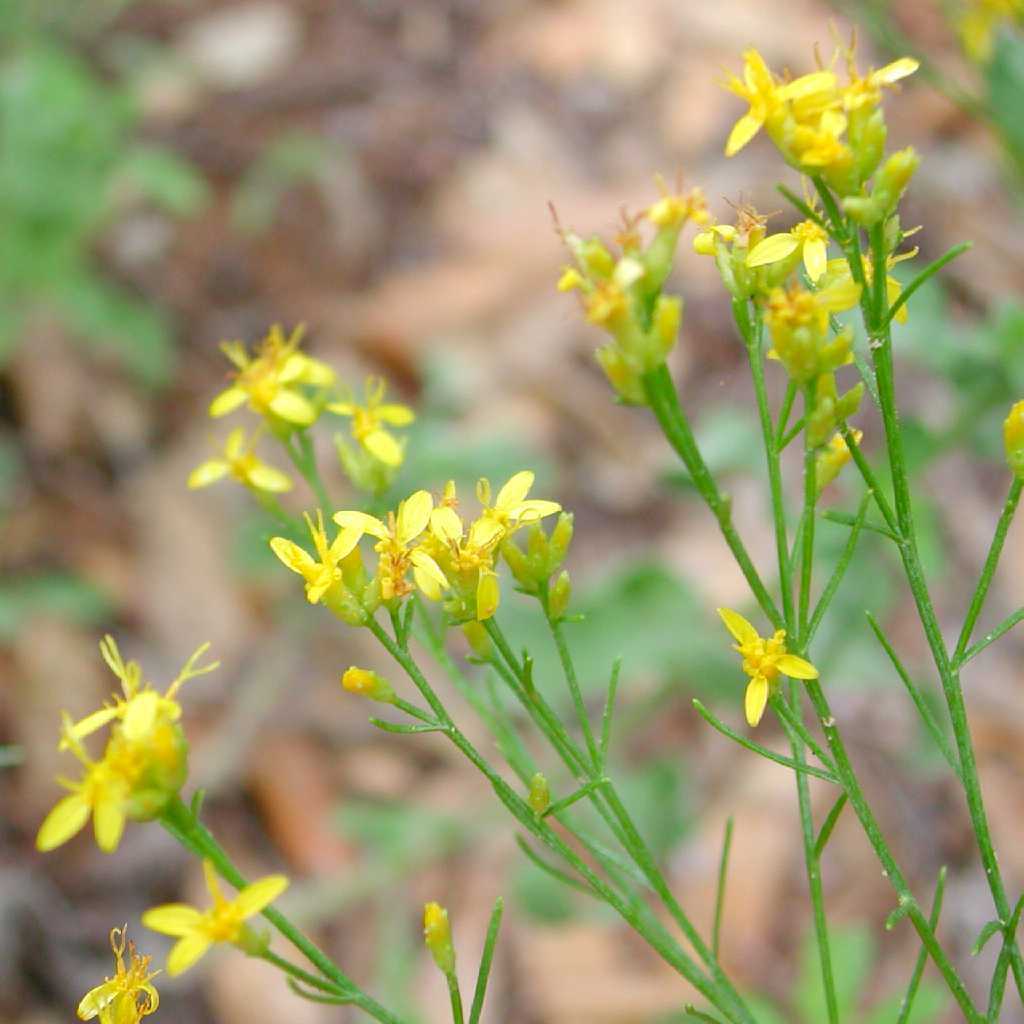
- 5—Asteraceae
Gutierrezia saraothrae
GUSA2
Broom snakeweed
Key features: greater than 3 ray
flowers (only way to tell apart from
GUMI)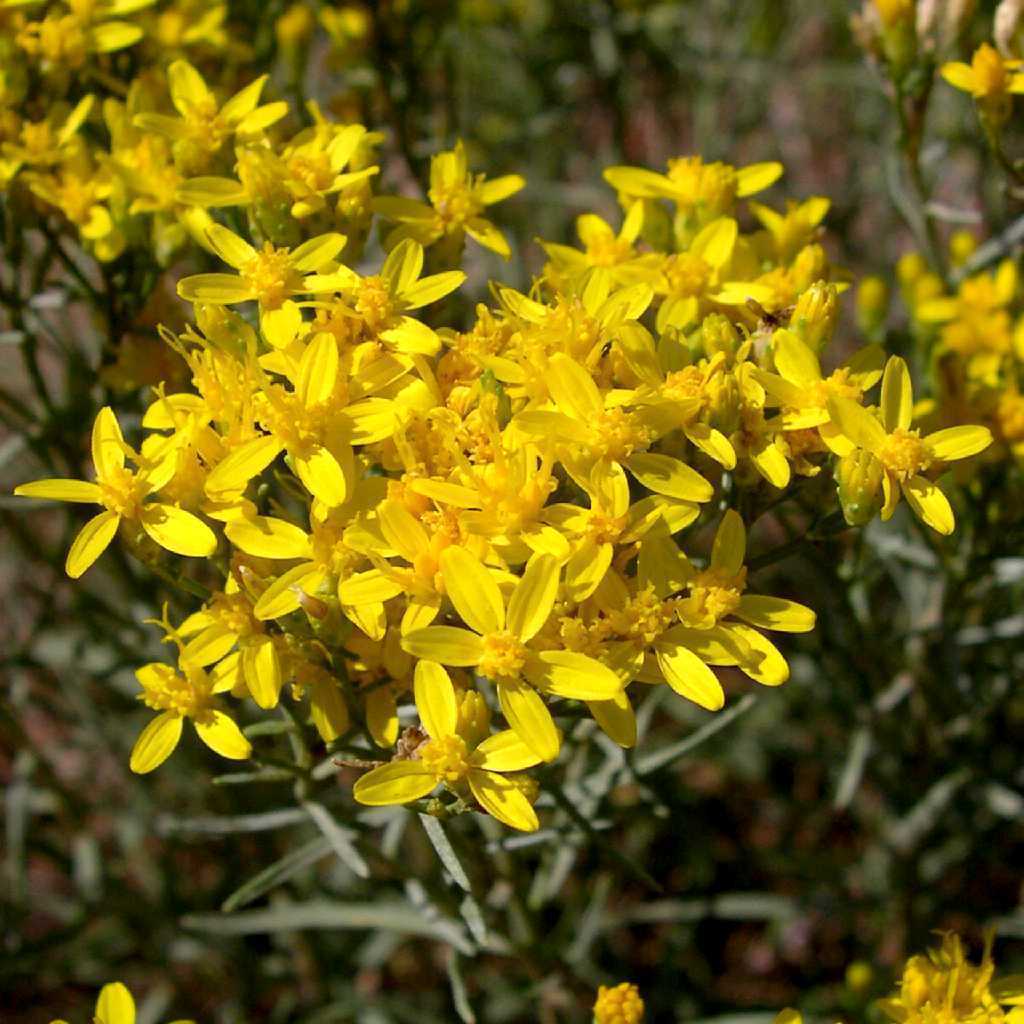
- 6—Asteraceae
Gutierrezia sphaerocephala
GUSP
Round-leaf snakeweed
Key features: rooted by single stem,
greater than 4 ray flowers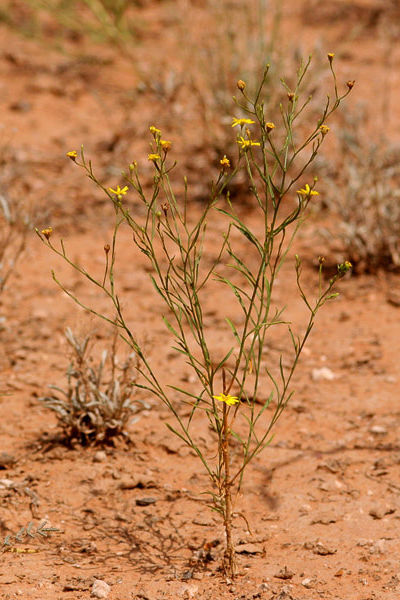
- 7—Asteraceae
Heterotheca subaxillaris
HESU3
Camphorweed
Key features: sessile leaves
subtending branching stems, leaves
sticky/gummy to the touch
- 8—Asteraceae
Machaeranthera tanacetifolia
MATA2
Takhoka daisy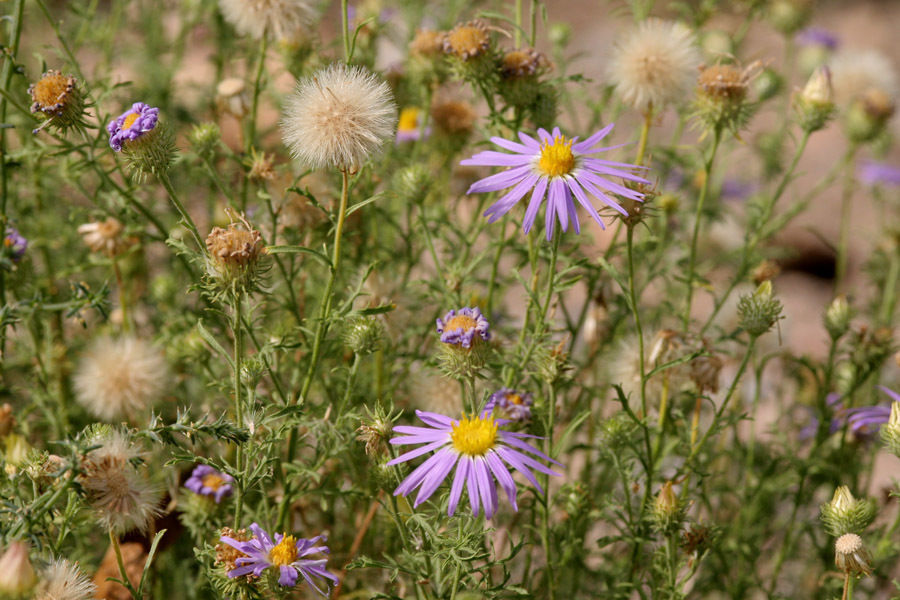
- 9—Asteraceae
Melampodium leucanthum
MELE2
Blackfoot daisy
- 10—Asteraceae
Senecio flaccidus
SEFL3
Thread-leaf ragwort
Key features: glaucous leaves
- 11—Asteraceae
Thymophylla acerosa
THAC
Prickly leaf dogweed
Key features: orange glands on phyllaries and leaves, peduncle < 1cm long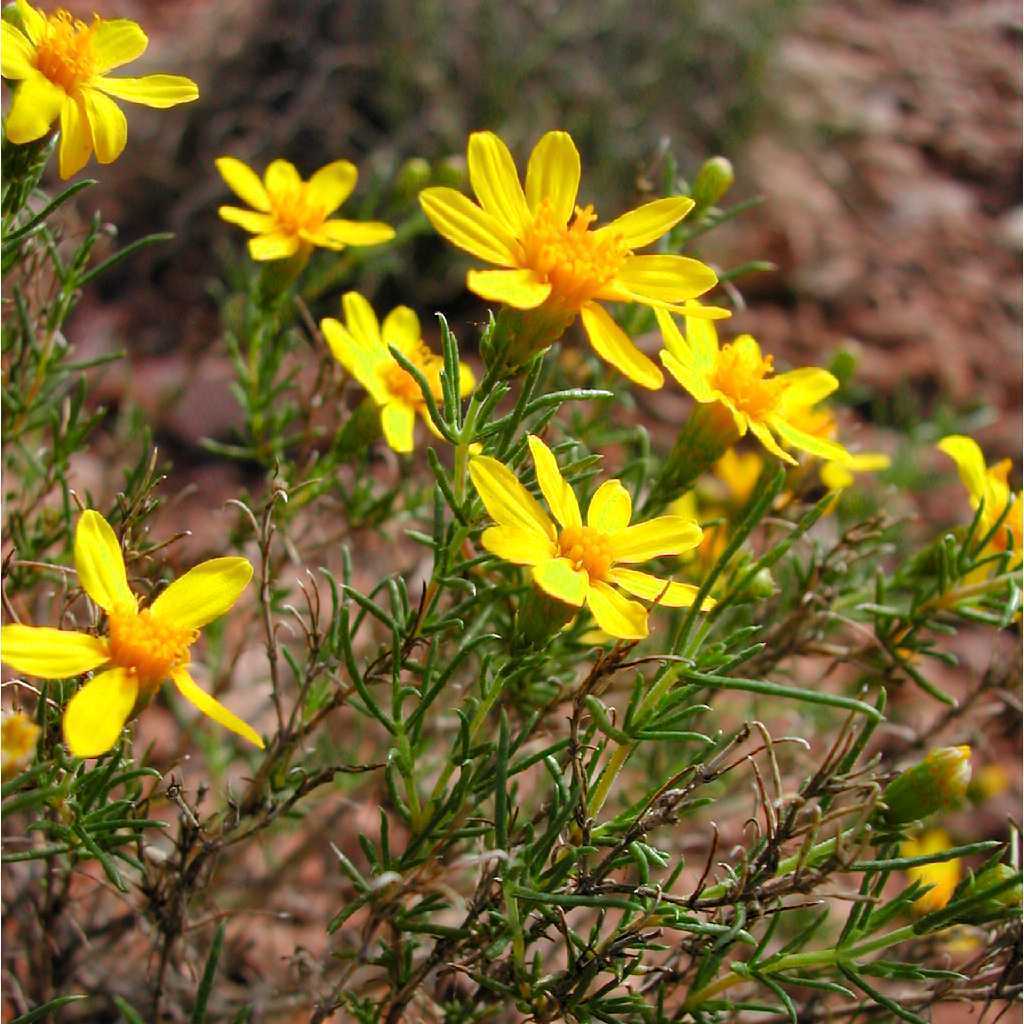
- 12—Asteraceae
Thymophylla pentachaeta
THPE4
Five-needle pricklyleaf
Key features: peduncle > 2cm long,
leaves 5-7 tipped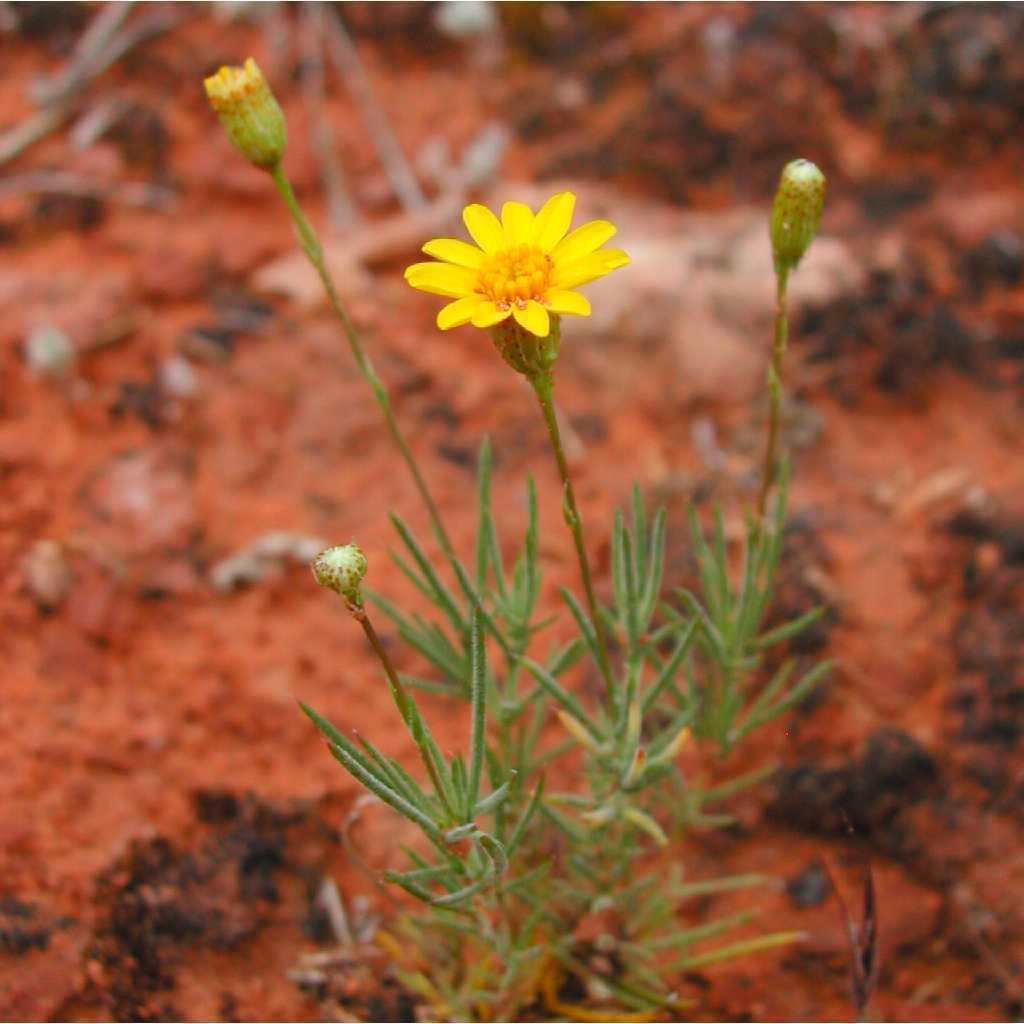
- 13—Asteraceae
Parthenium incanum
PAIN2
Mariola
Key Features: could be confused with
PACO11, except PAIN2 is the only woody
mariola we have around here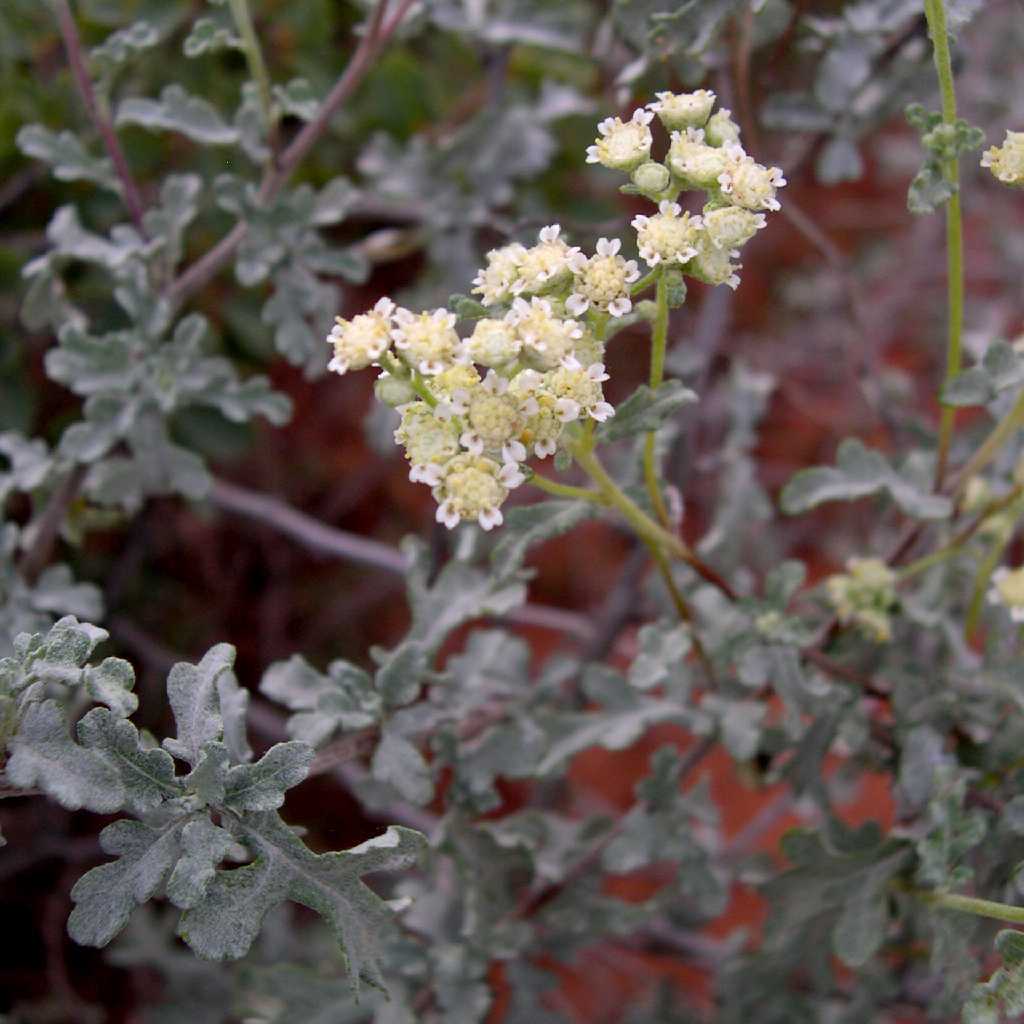
- 14—Asteraceae
Physaria fendleri
PHYFEN
Fendler’s bladderpod
Key features:
leaves with stellate hairs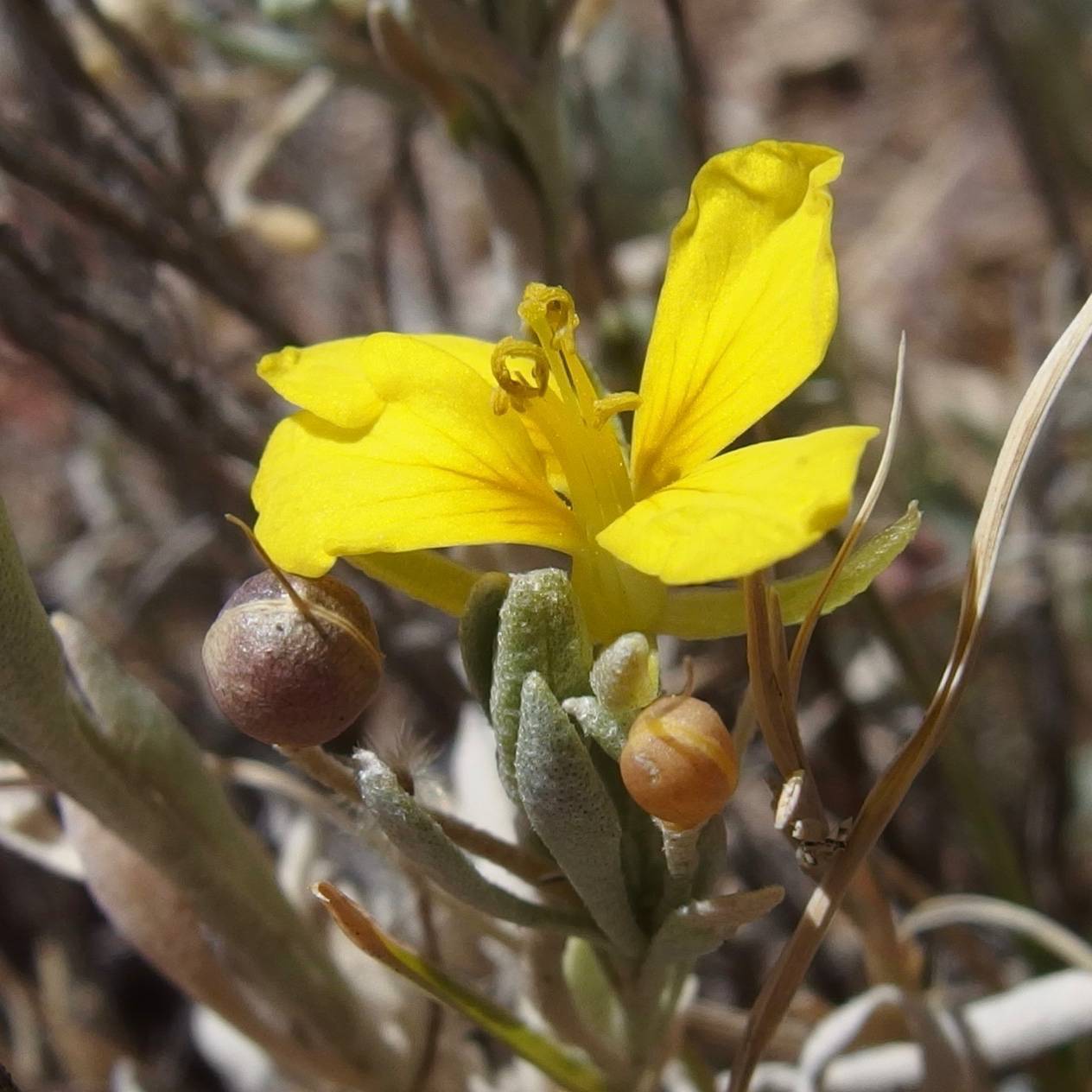
- 15—Asteraceae
Solanum elaeagnifolium
SOEL
Silverleaf nightshade
Key features: often armed with red
spines (on leaves, stems, midveins),
conspicuous orange drupe fruits
- 16—Asteraceae
Verbesina encelioides
VEEN
Golden crownbeard
- 17—Asteraceae
Xanthisma spinulosum
XASP
Lacy tansy-aster
Key features:
toothed leaves are spine-tipped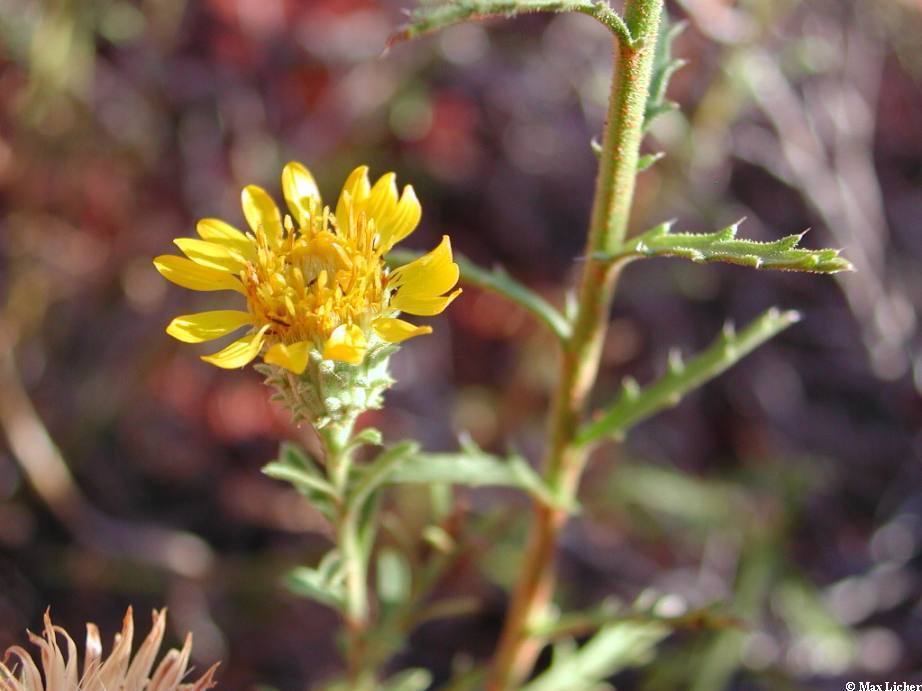
- 18—Loasaceae
Cevallia sinuata
CESI
Stinging serpent
- 19—Euphorbiaceae
Croton dioicus
CRDI6
Grassland croton
Key features: mid-stem petiole length (less than 1/2 of leaf length), leaves generally narrower than CRPO5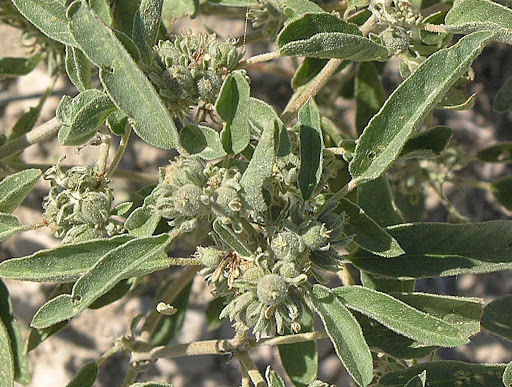
- 20—Euphorbiaceae
Croton pottsii
CRPO5
Leatherweed
Key features: mid-stem petiole length
(greater than 1/2 leaf length), leaves
generally wider than CRDI6
- 21—Brassicaeae
Dimorphocarpa wislizeni
DIWI2
Spectacle pod
Key features: seed pods shaped like
spectacles
- 22—Polygonaceae
Eriogonum annuum
ERAN4
Annual buckwheat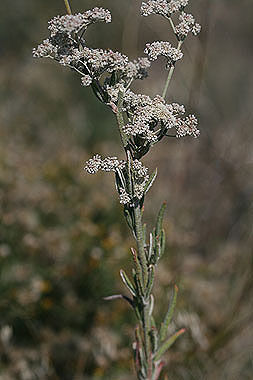
- 23—Verbenaceae
Glandularia bipinnatifida or wrightii
GLWR / GLBI
Mock vervain
Key Features: flowers can be various
shades of pink and purple, leaves more
deeply lobed than true Verbenas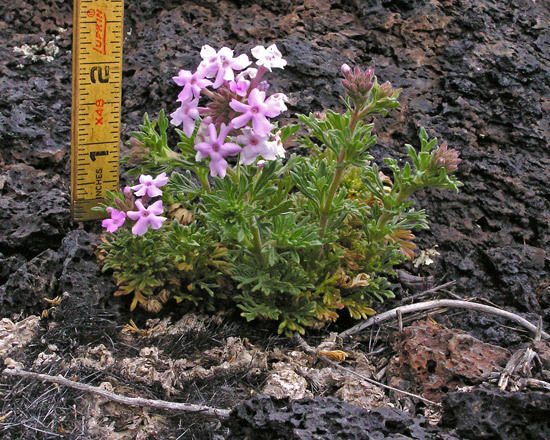
- 24—Brassicaceae
Lepidium alyssoides
LEAL4
Mesa pepperwort
Key features: flattened circular seed
pods, lower leaves pinnatifid with
upper typically entire
- 25—Carophyllaceae
Paronychia jamesii
PAJA5
James’ nailwort
Key features: conspicuous long
stipules, often translucent
- 26—Boraginaceae
Phacelia integrifolia
PHIN
Gypsum phacelia
- 27—Fabaceae
Senna bauhinioides
SEBA3
Twinleaf senna
Key features: leaflets in pairs
- 28—Boraginaceae
Tiquilia hispidissima
TIHI
Hairy crinklemat
Key Features: typically found low-growing in gypsum soils
- 29—Boraginaceae
Tiquilia canescens
TICA3
Woody crinklemat
Key Features: typically found on
limestone/rocky soils
- 30—Verbenaceae
Verbena perennis
VEPE
Pin-leaf vervain
Key features: typically found in
foothills on limestone
- 31—Verbenaceae
Verbena plicata
VEPL
Fan-leaf vervain
Key features: often found on reclamations,
yellow when dried, look for stems with
persistent sepals tapering in size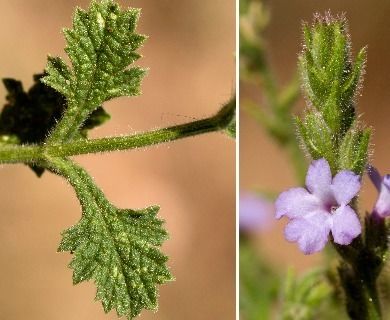
- 32SHRUBSA woody plant smaller than a tree, usually having multiple permanent stems branching from or near the ground
- 33—Asteraceae
Baccharis pteronioides
BAPT
Yerba de pasmo
Key features: Flowering vegetation is radial with a pale yellow hue. Leaves have spiked tips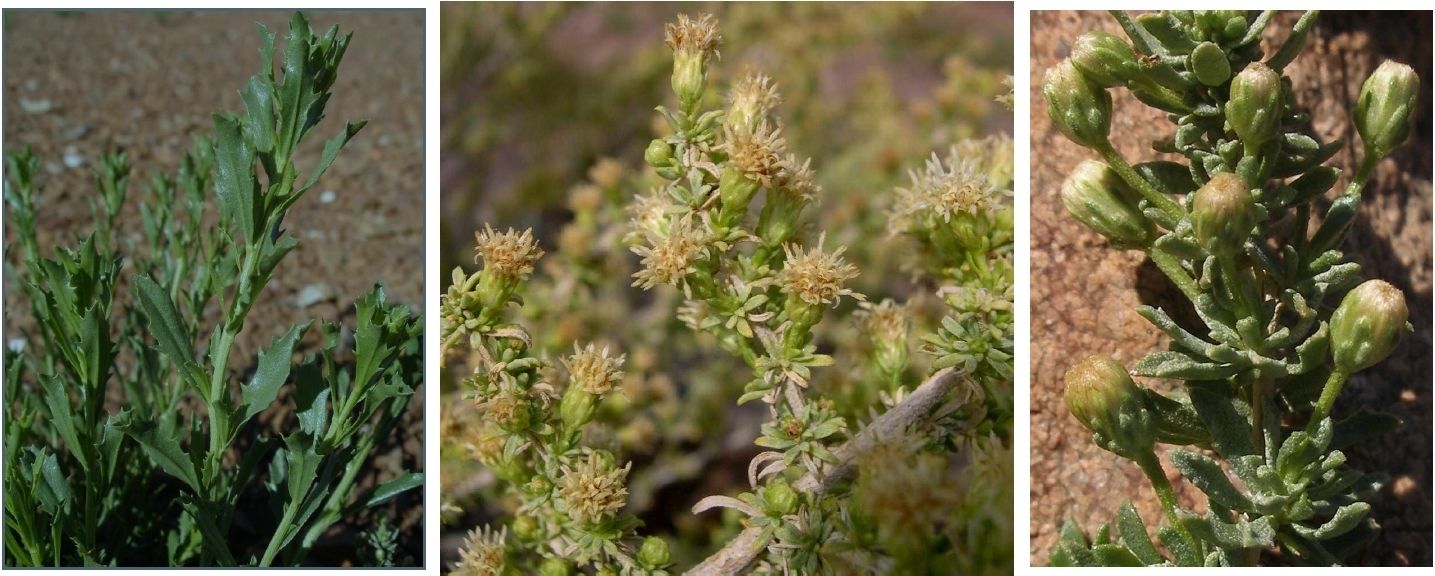
- 34—Brickellia laciniata
BRLA
Split-leaf brickellbush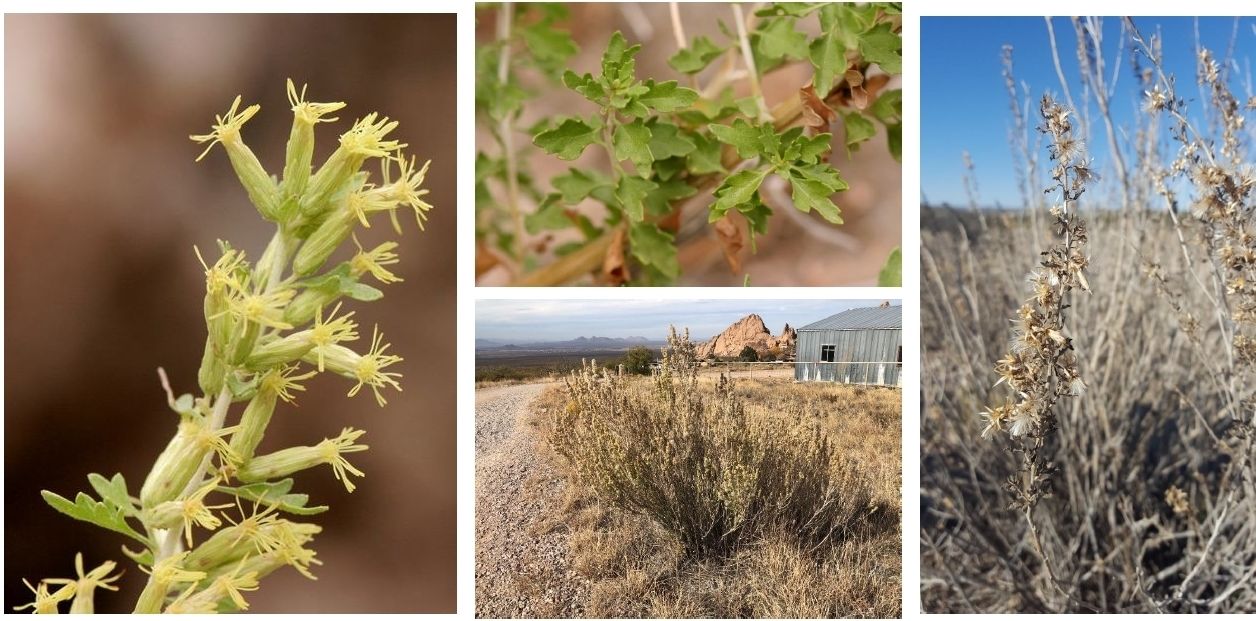
- 35—Fabaceae
Dalea Formosa
DAFO
Featherplume
Key Features:
calyx tube variously
hairy and feather -like, leaves succulent-like with glands
- 36—Fabaceae
Dalea frutescens
DAFR
Black dalea
Key features:
calyx tube glabrous,
growth form more forb-like than D. formosa
- 37—Asteraceae
Flourensia cernua
FLCE
Tarbush, American tarwort
Key features: sticky leaves
- 38—Zygophyllaceae
Larrea tridentata
LATR2
Creosote
Key Features: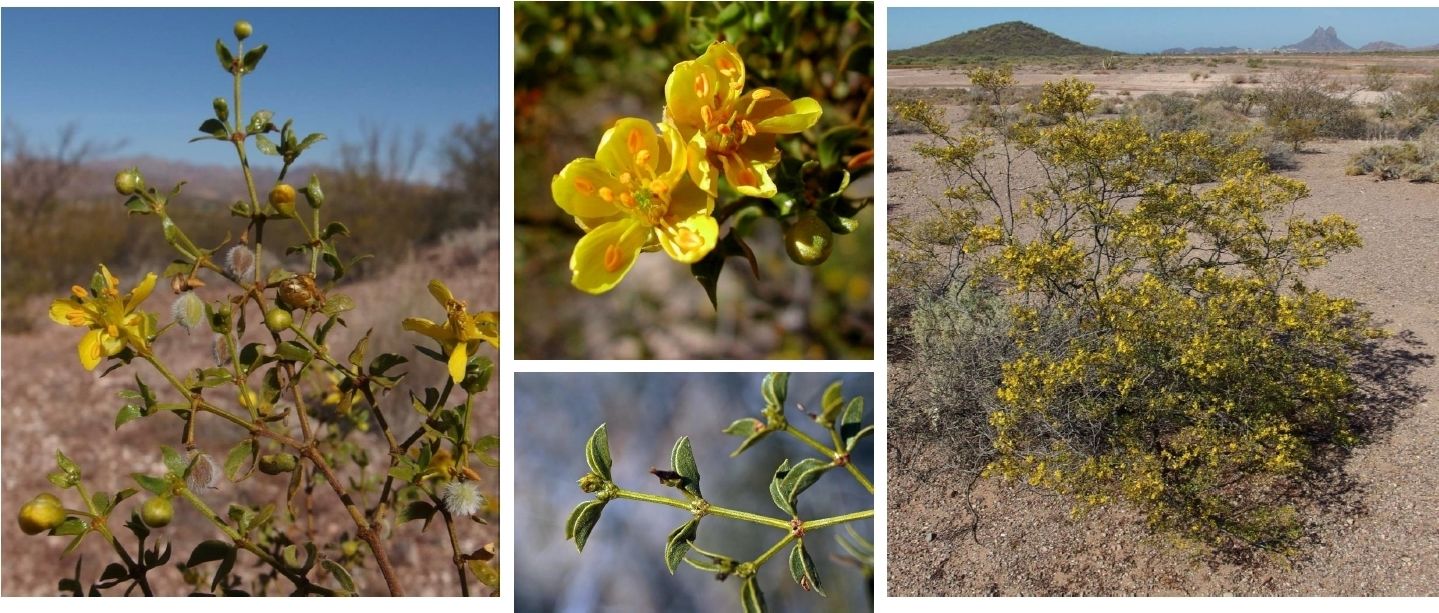
- 39—Fabaceae
Prosopis glandulosa
PRGL2
Honey mesquite
- 40—Fagaceae
Quercus havardii
QUHA3
Havard oak
Key features:
typically found low growing/clonal in sand/dunes
- 41GRASSESCattle like it
- 42—Poaceae
Aristida purpurea
ARPU9
Purple three awn
Key features: awns of equal to sub
equal length, many varieties of this
species means increased plasticity
- 43—Poaceae
Bouteloua eriopoda
BOER4
Black gramma
Key features:
only gramma with hairy internodes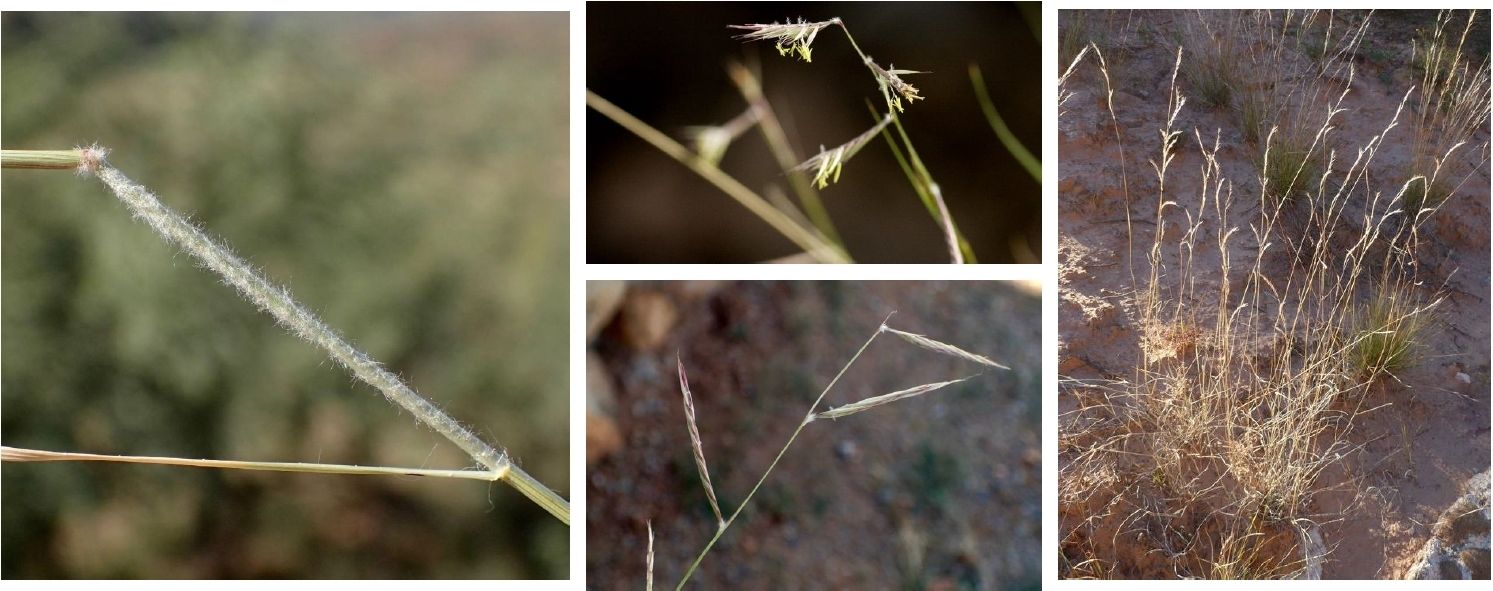
- 44—Poaceae
Bouteloua gracilis
BOGR2
Blue gramma
Key features: 40 130 spikelets per
branch
- 45—Poaceae
Dasyochloa pulchella
DAPU7
Fluff grass
Key features: “fluffy” appearance
- 46—Poaceae
Eragrostis lehmanniana
ERLE
Lehmann lovegrass
Key features : invasive, will find
along roadsides and in development
- 47—Poaceae
Scleropogon brevifolius
SCBR2
Burro grass
Key features: Dioecious (separate male
and female plants) with female plants
having long spreading awns, and males
having terminal contracted panicles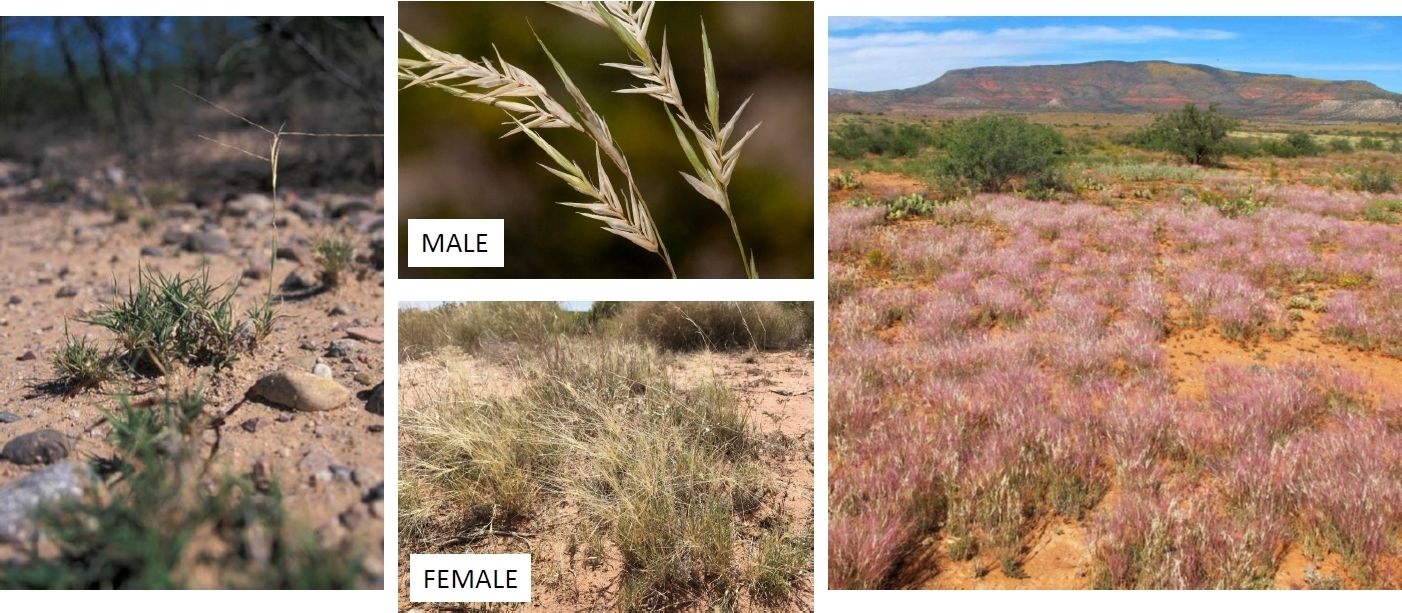
- 48—Poaceae
Muhlenbergia porteri
MUPO2
Bush muhly
Key features: often found growing
in shrubs (but not always)
- 49—Poaceae
Pleuraphis mutica
PLMU3
Tobosagrass
Key features: White/translucent
margins on leaves, papery bracts,
curly/tangled appearance, sandpaper leaves, fuzzy joints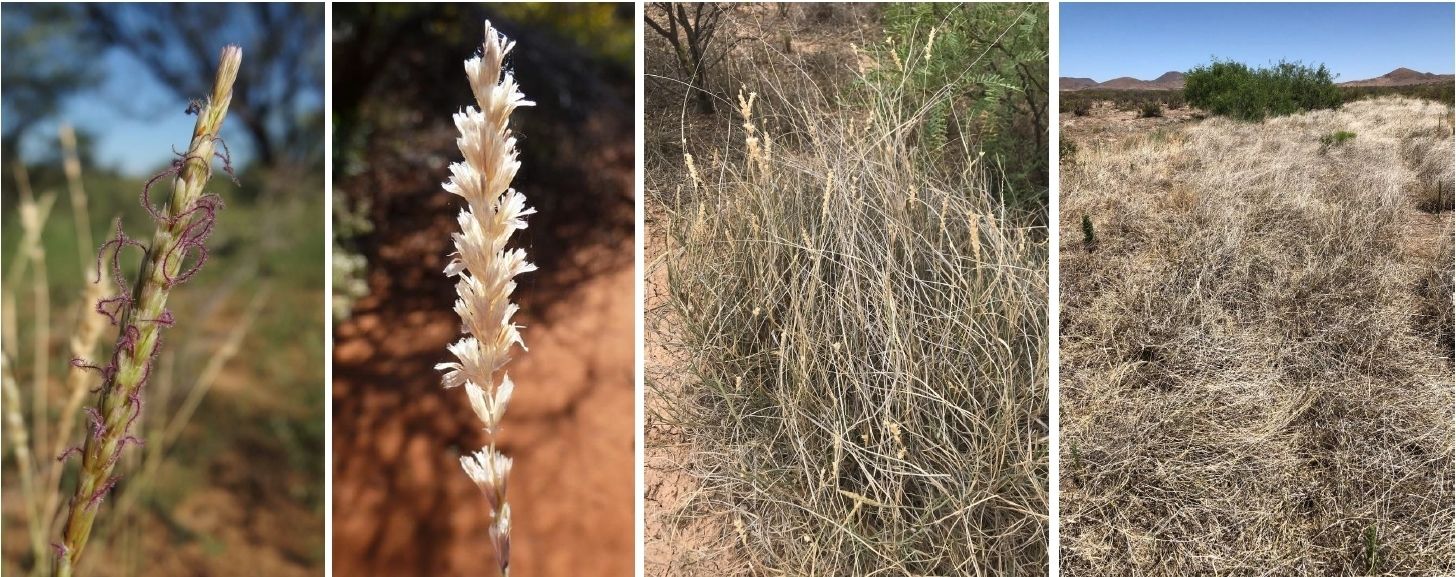
- 50—Poaceae
Setaria leucopila
SELE6
Plains bristlegrass
Key features: persistent bristles
subtending hardened spikelets , looks
like corn on the cob with shrunken
kernels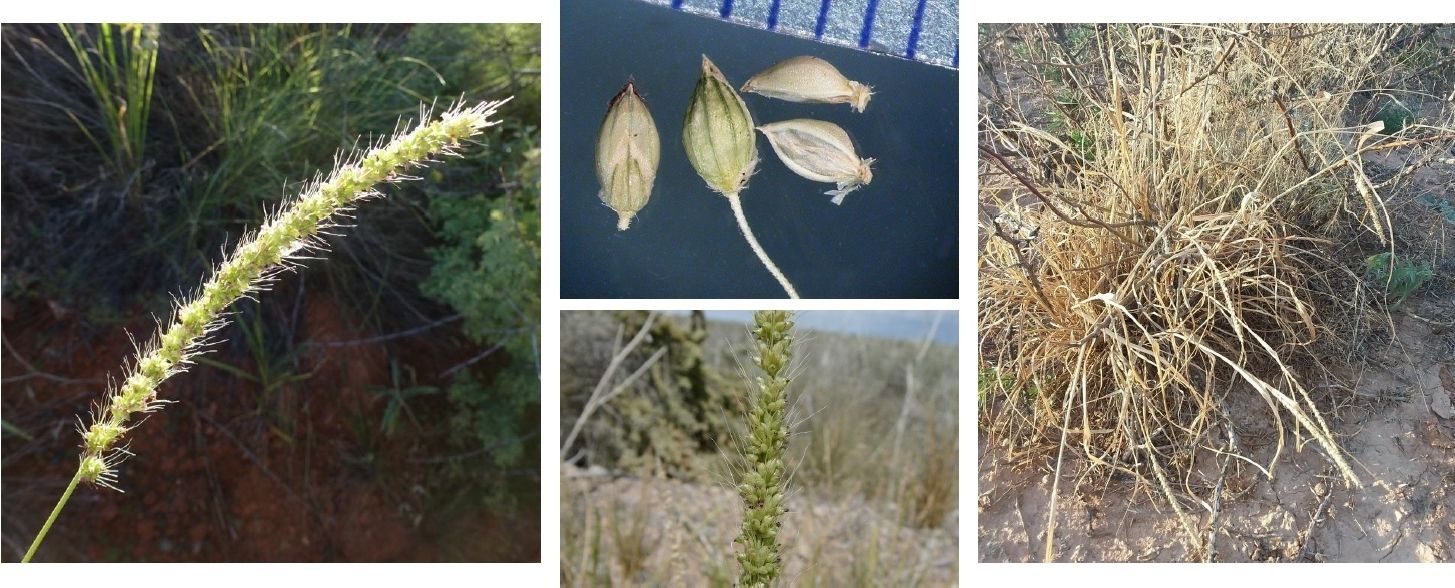
- 51Cacti and SucculentsThey don't need tons of water, but might poke ya.
- 52—Asparagaceae
Agave lechuguilla
AGLE
Lechuguilla
Key features: unique to Chihuahuan
Desert
- 53—Asparagaceae
Agave parryi
AGPA5
Parry’s agave
Key features : blue ish glaucous
color, spreading branches of flower
stalk
- 54—Cactaceae
Cylindropuntia imbricata
CYIM2
Tree cholla
Key features: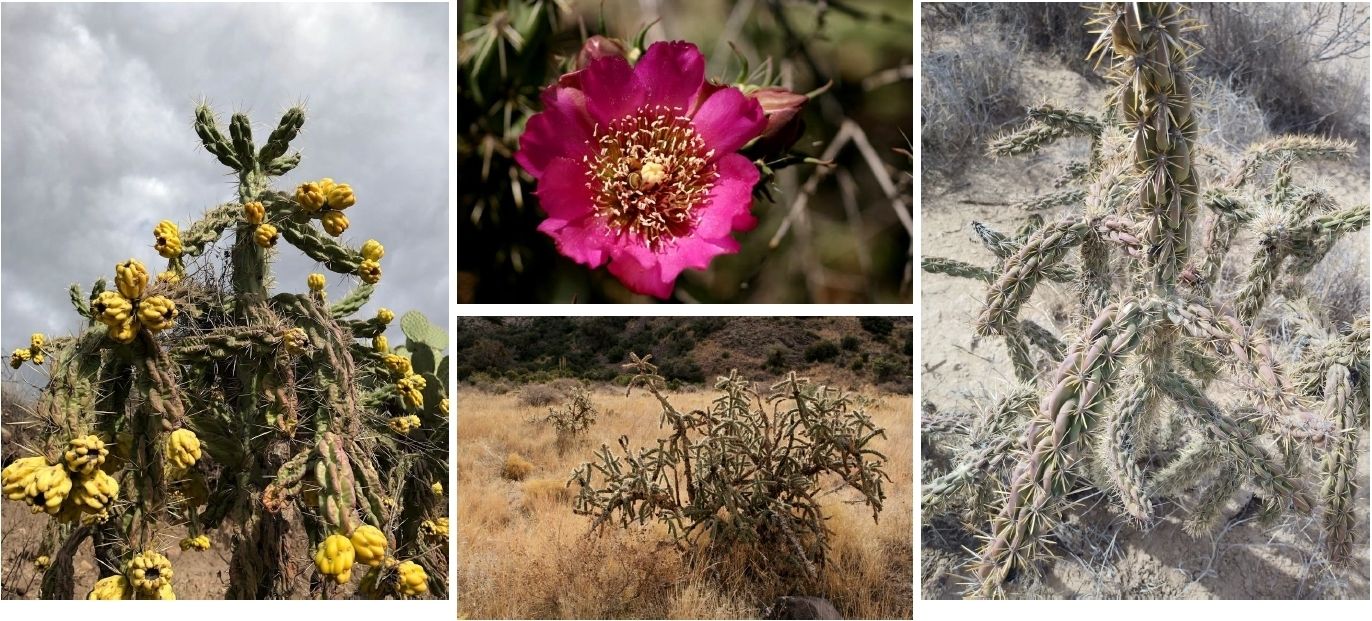
- 55—Cactaceae
Cylindropuntia leptocaulis
CYLE8
Christmas or pencil cholla
Key features : stems and branches
pencil thin, red fleshy fruits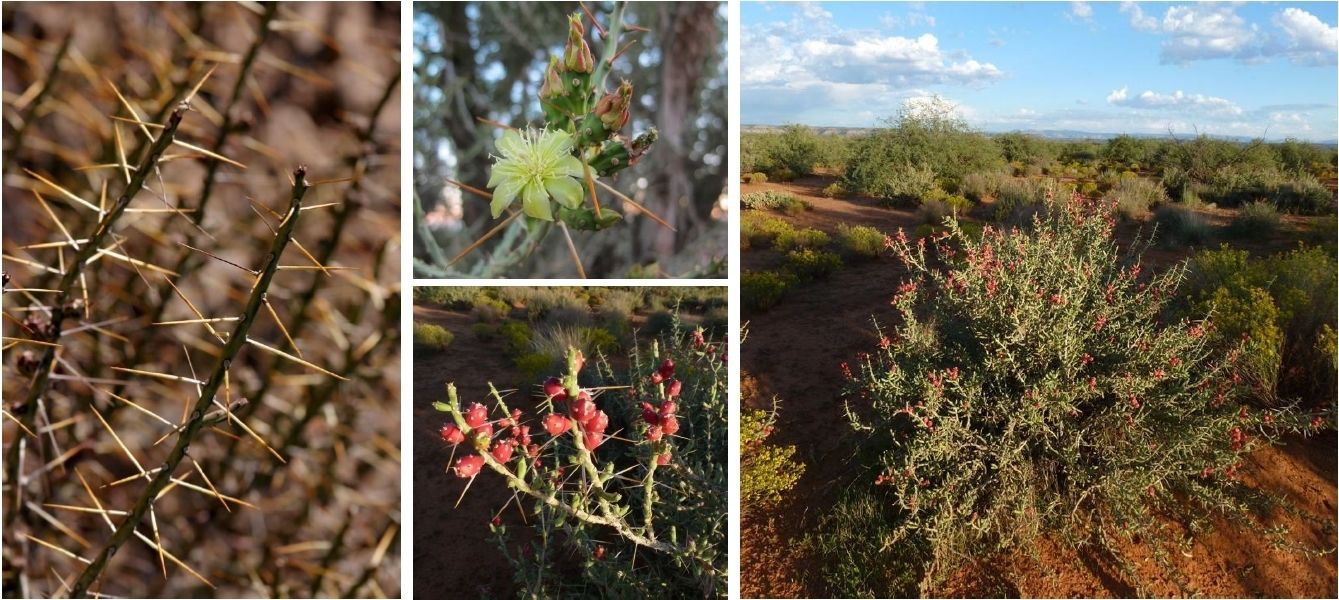
- 56—Asparagaceae
Dasylirion leiophyllum
DALE2
Green sotol
Key features:
curved spines point toward leaf base (retrorse)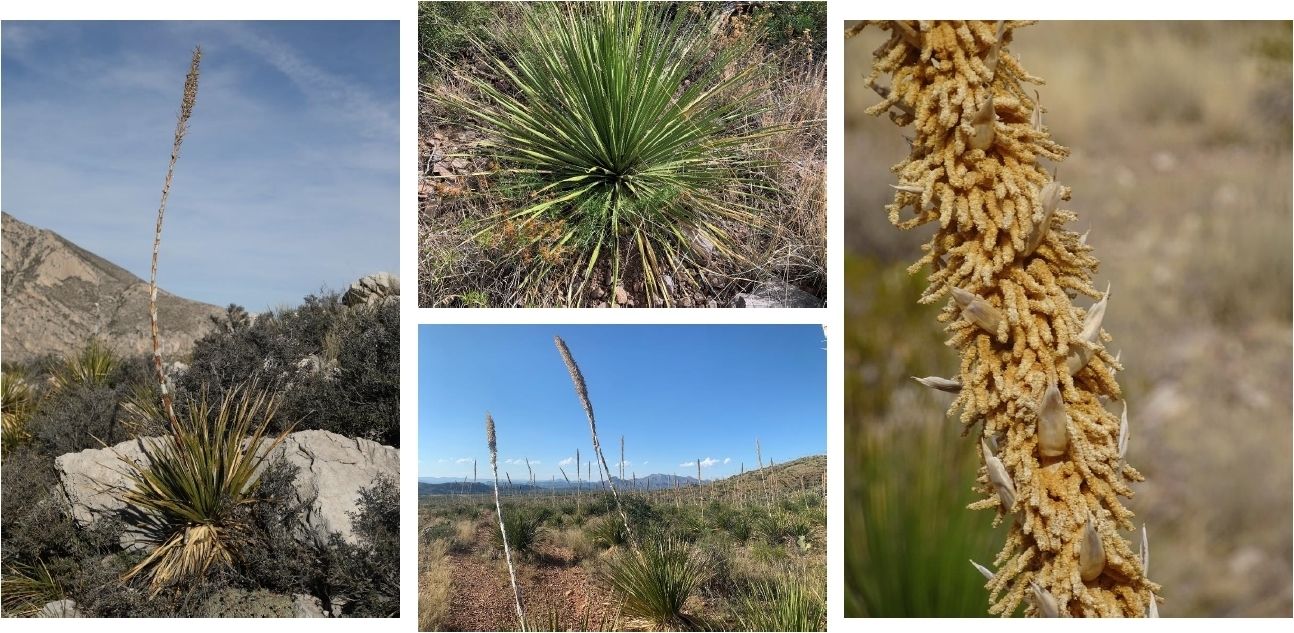
- 57—Asparagaceae
Dasylirion wheeleri
DAWH
Common sotol
Key features: curved spines point
toward leaf apex
- 58—Cactaceae
Echinocereus dasyacanthus
ECDA
Spiny hedgehog cactus
Key features : very common, looks similar to E. chloranthus ssp. chloranthus but does not have the elongated central spines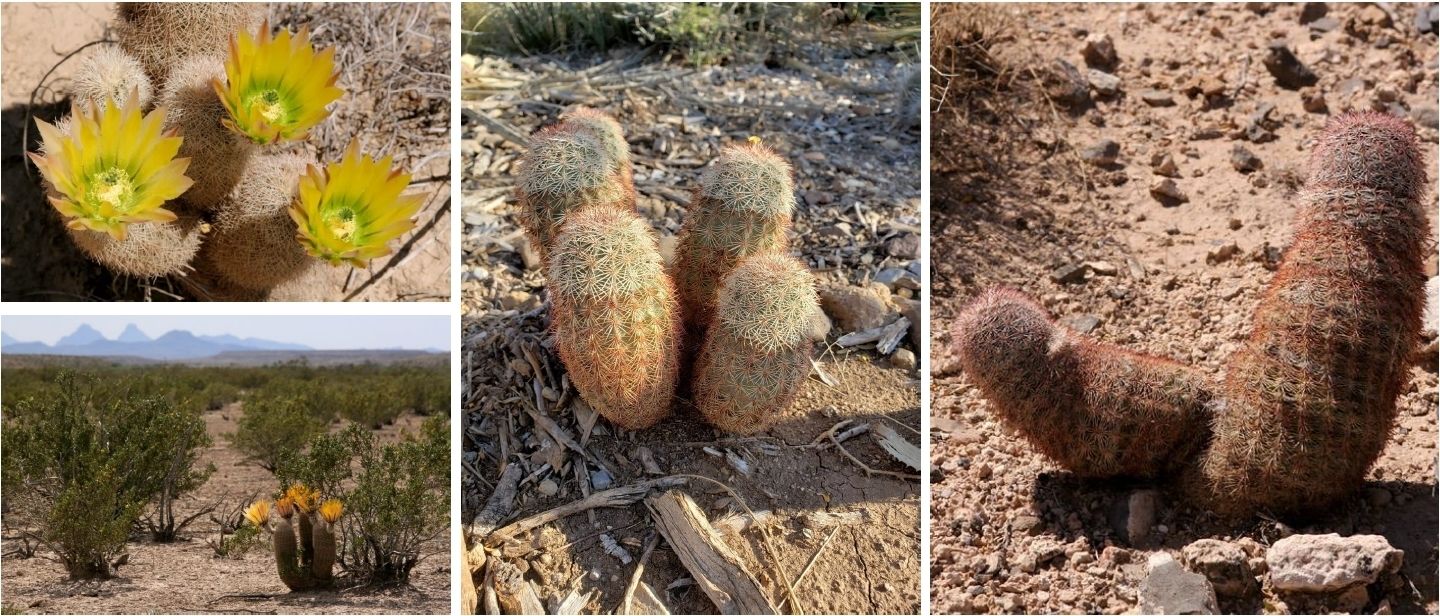
- 59—Cactaceae
Echinocactus horizonothalonius
ECHO
Devil’s head
Key features: typically 8 13 ribs
spreading radially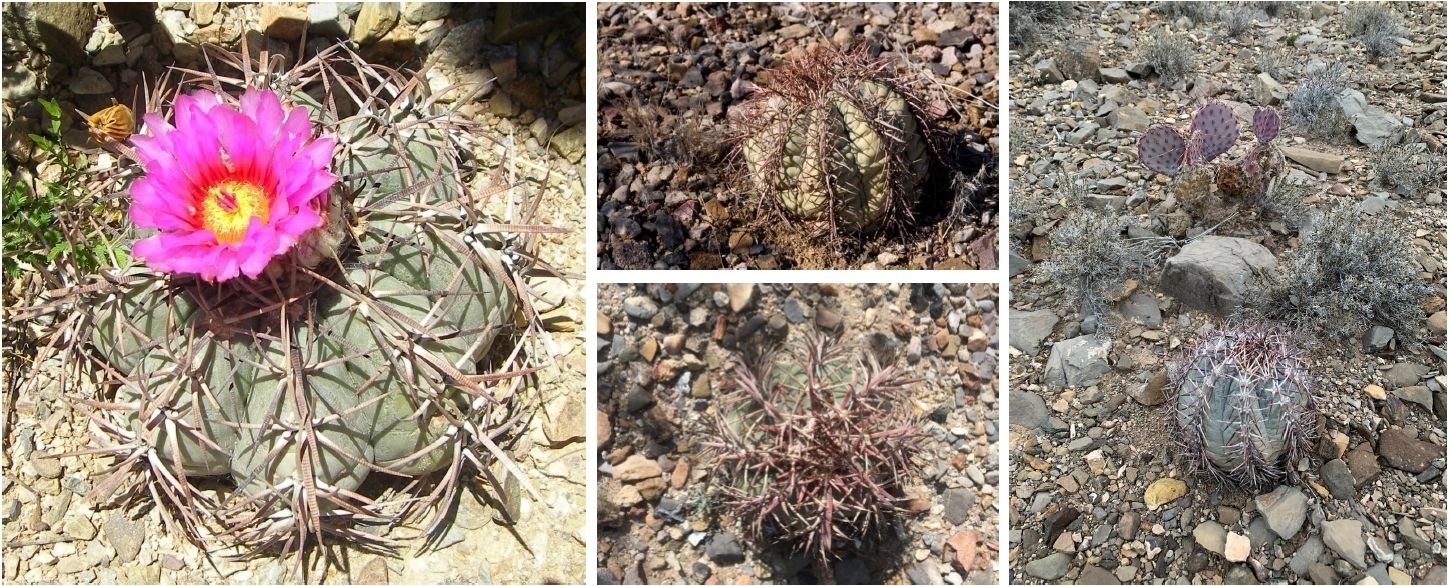
- 60—Cactaceae
Echinocactus texensis
ECTE
Horse crippler
Key features: typically at least 13
ribs spreading radially
- 61—Fouquieriaceae
Fouquieria splendens
FOSP2
Ocotillo
Key features:
unique to Chihuahuan Desert
- 62—Cactaceae
Opuntia engelmannii
OPEN3
Cactus apple
Key features: broader pads and fewer spines than most other Opuntias in the area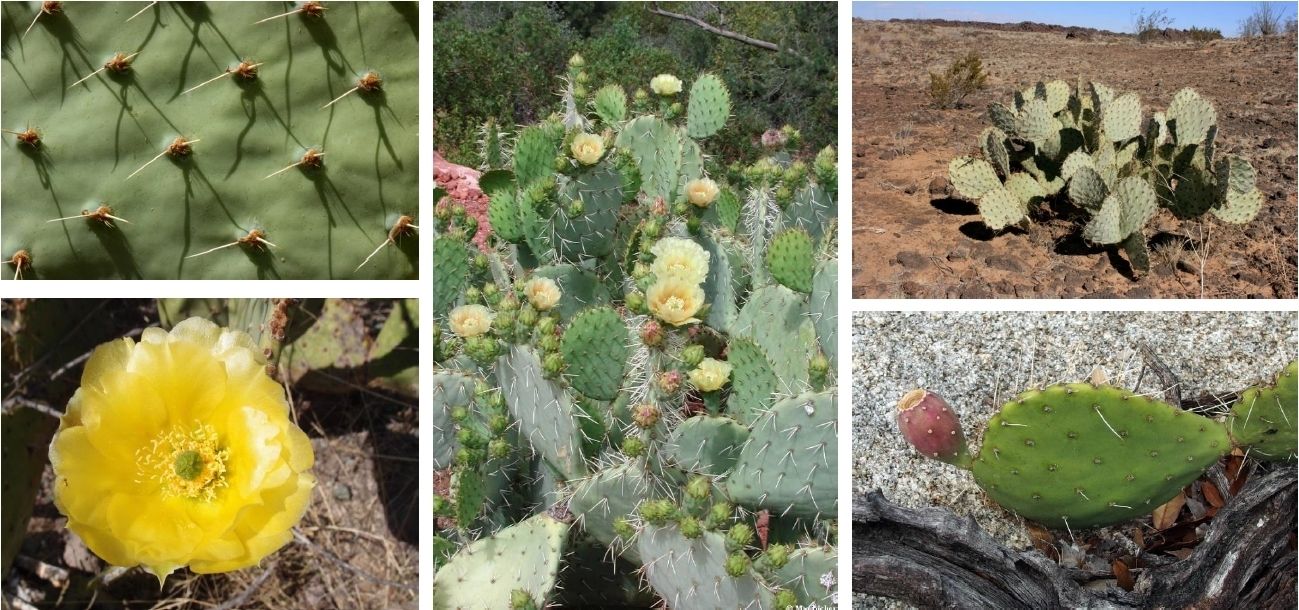
- 63—Cactaceae
Opuntia macrocentra
OPMA8
Purple pricklypear
Key features: often purple under
stress, especially around areoles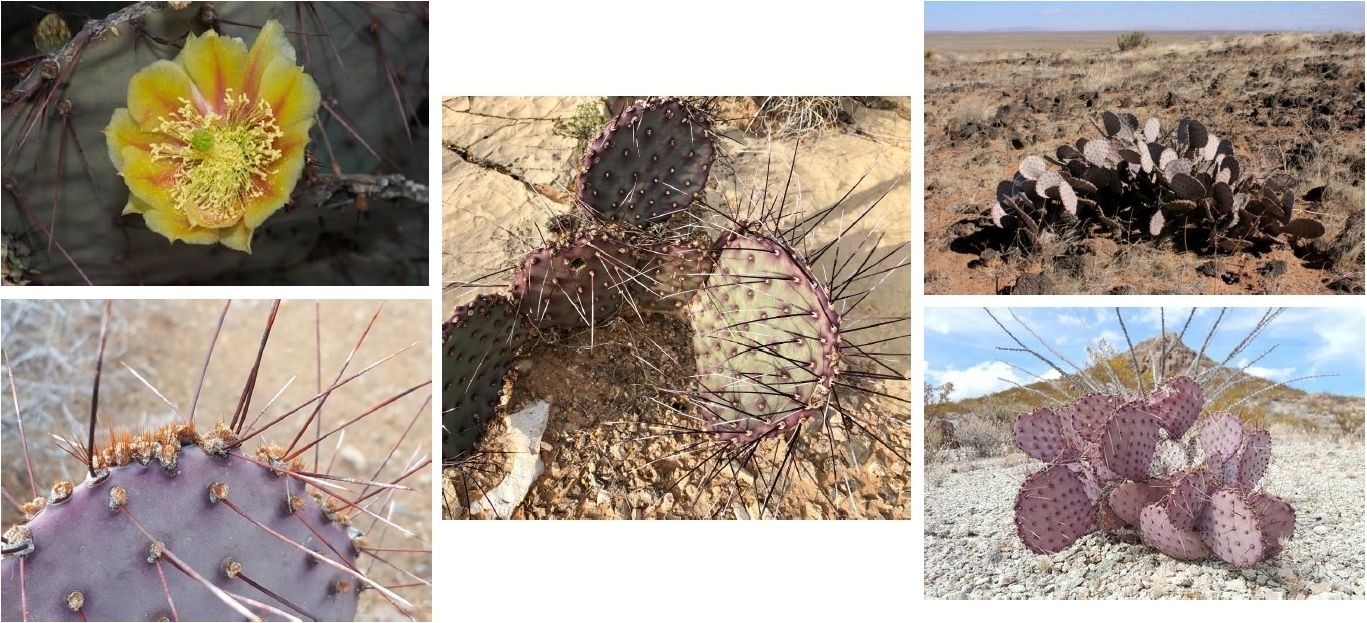
- 64—Cactaceae
Opuntia polycantha
OPPO
Plains pricklypear
Key features: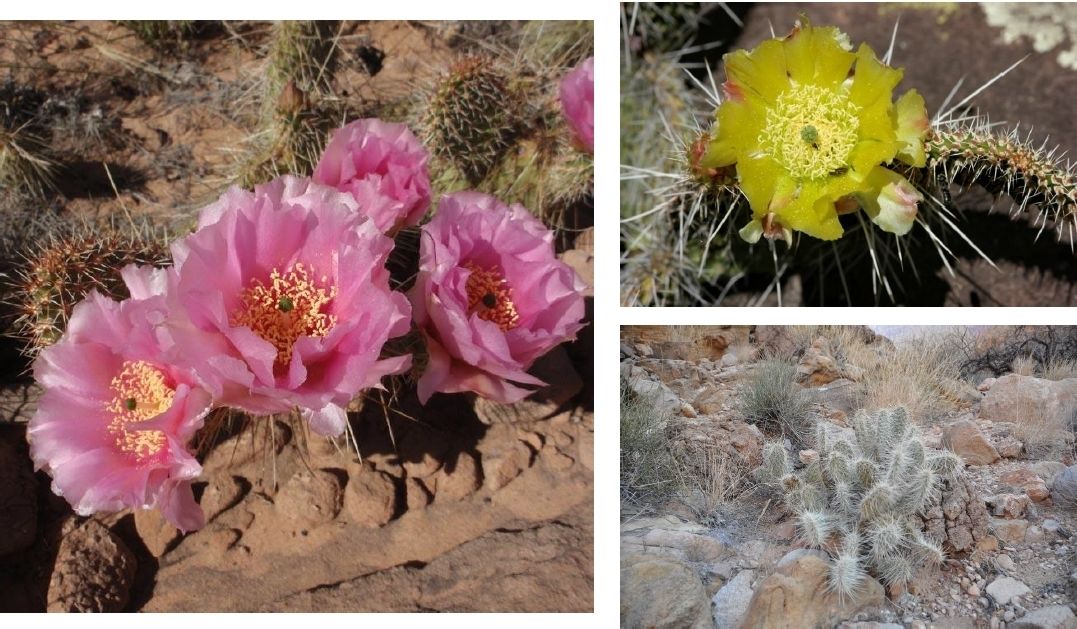
- 65—Asparagaceae
Yucca campestris
YUCA
Plains yucca
Key features: similar to YUELE, but has little to no trunk and is generally smaller overall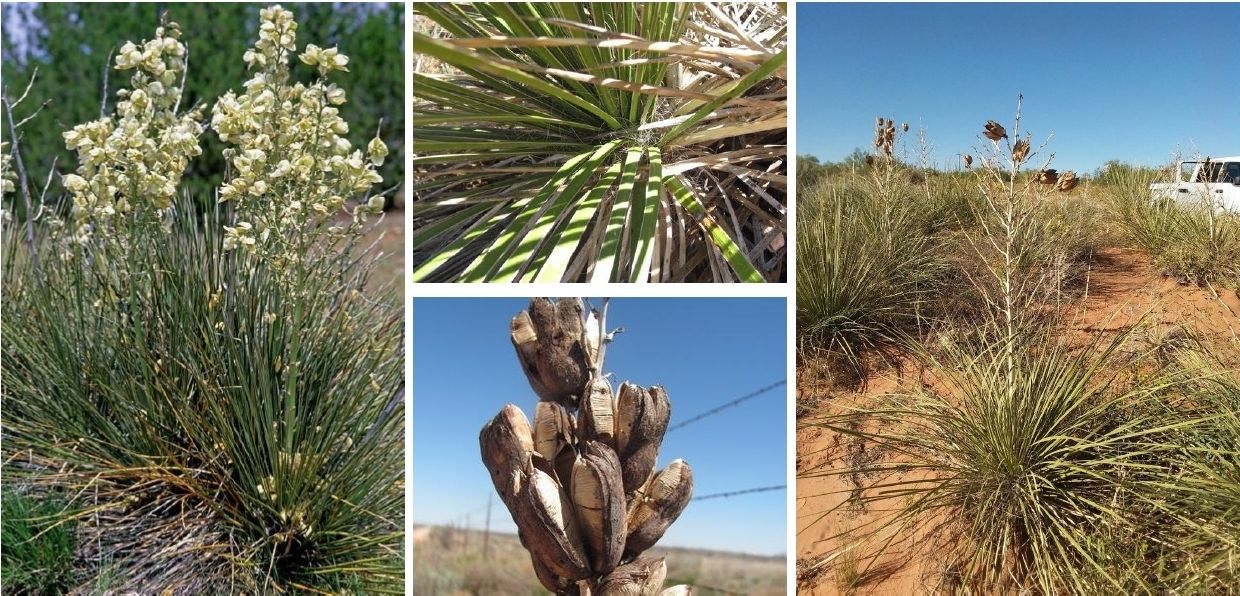
- 66—Asparagaceae
Yucca elata
YUELE
Soaptree yucca
Key features:
often grows on a trunk over 1m tall,
larger in stature than YUCA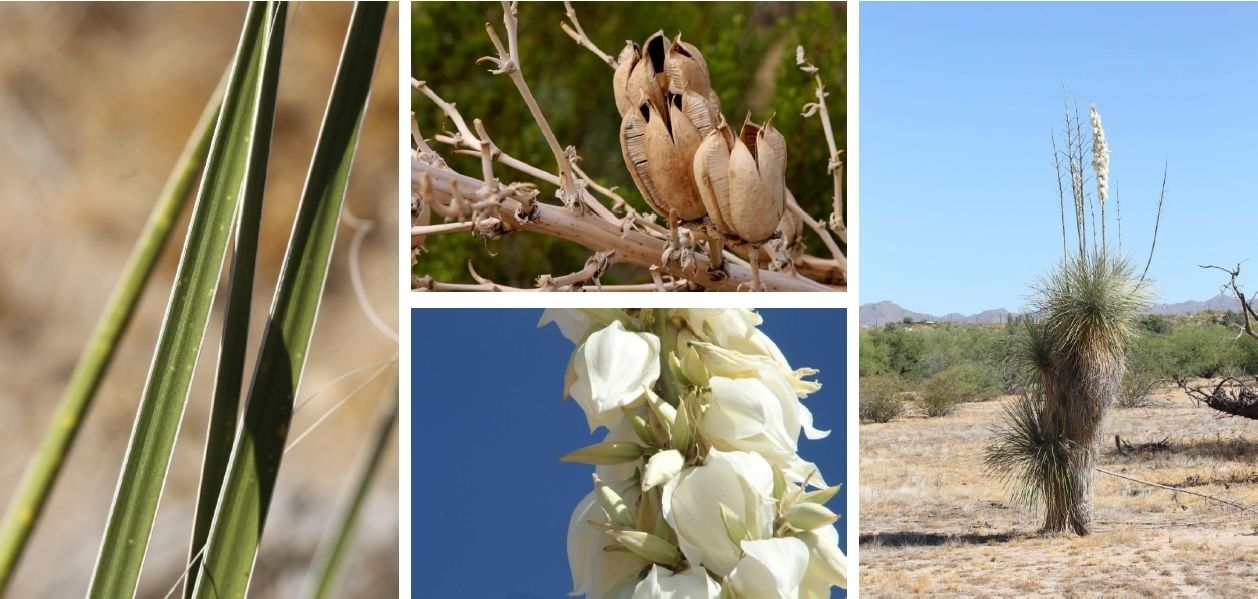
Information
- Description
- Flashcards on Common Carlsbad NM Plants, created by forrest miceli on 24/05/2021.
- Created by
- forrest miceli
- Views
- 31
- Rating