
Flashcards
MCAT Physics Equations
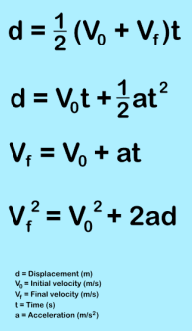
Cards in this deck (111)
- 1Kinematics equations pt. 1
- 2Kinematics equations pt. 2
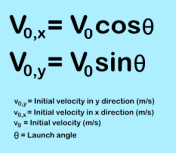
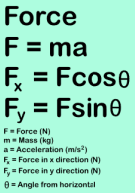
- 3General force equations
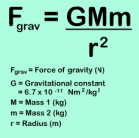
- 4Gravitational force
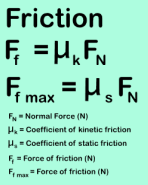
- 5Friction equations
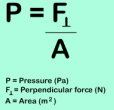
- 6Pressure
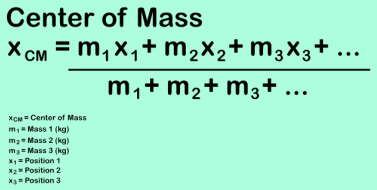
- 7Center of mass
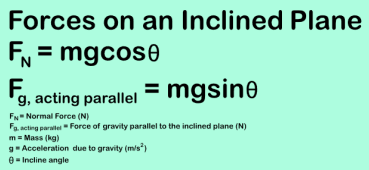
- 8Forces on an inclined plane
- 9Torque
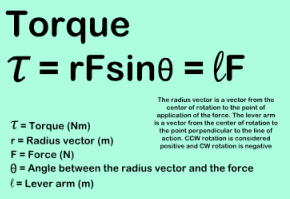
- 10CCW rotation concerning torque is...positive
- 11CW rotation concerning torque is...negative
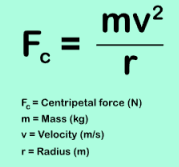
- 12Centripetal force
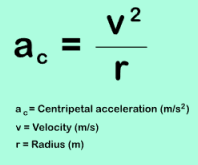
- 13Centripetal acceleration
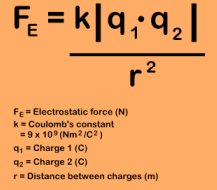
- 14Coulomb's Law
- 15Electric potential energy between 2 charges
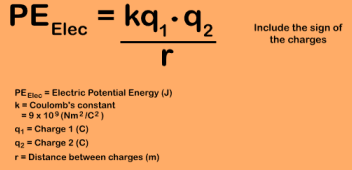
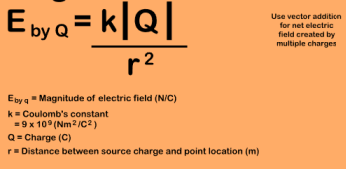
- 16Magnitude of electric field
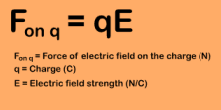
- 17Force of electric field on a charge
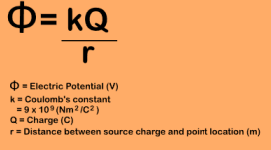
- 18Electric potential created by a charge
- 19Force on a charge by a magnetic field
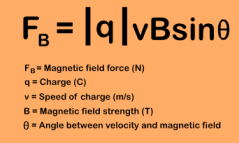
- 20Strength of electric field between parallel plate capacitor
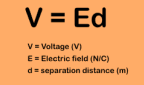
- 21Change in electric potential energy
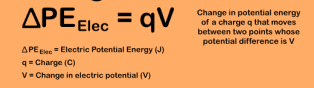
- 22Work done by electric field
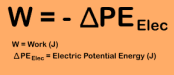
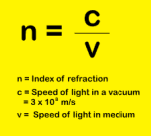
- 23Index of refraction
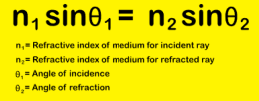
- 24Snells Law
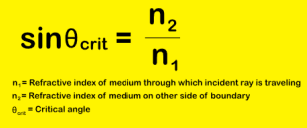
- 25Critical angle for total internal reflection
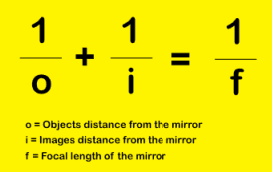
- 26Mirror and lens equation
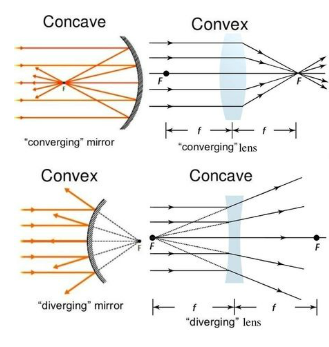
- 27The focal length of a concave mirror is written as a...positive number
- 28The focal length of a convex mirror is written as a...negative number
- 29The focal length of a converging (convex) lens is written as a ...positive number
- 30The focal length of a diverging (concave) lens is written as a...negative number
- 31Concave/Convex mirrors vs lens
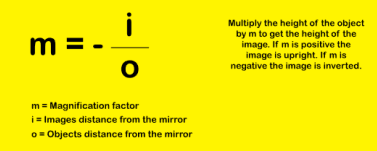
- 32Magnification equation
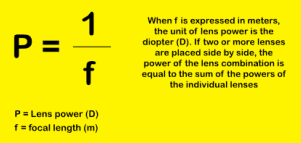
- 33Lens power
- 34Energy of a photon emitted or absorbed under the Bohr model
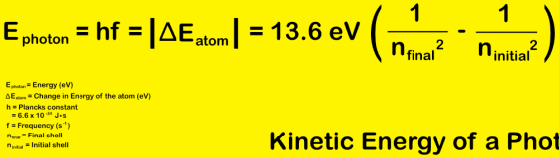
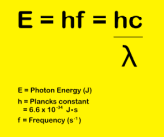
- 35Photon energy
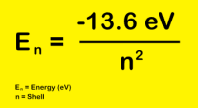
- 36Energy level of a hydrogen atom
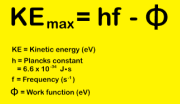
- 37Kinetic energy of a photoelectron
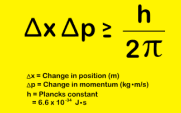
- 38Heisenberg uncertainty relation
- 39Specific gravity
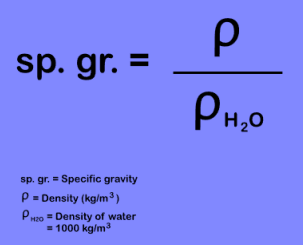
- 40Force of gravity
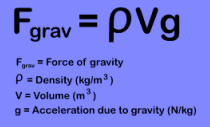
- 41Hydrostatic gauge pressure
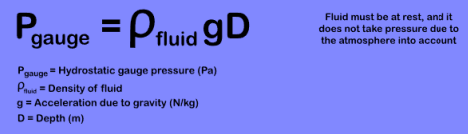
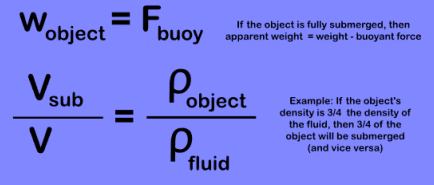
- 42Archimedes Principle
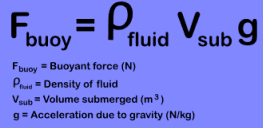
- 43Floating object in equilibrium at surface
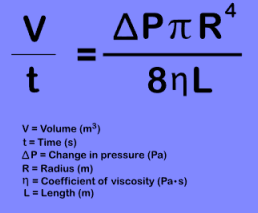
- 44Poiseuille's Law Volume Flow Rate
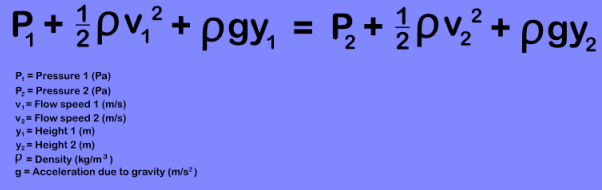
- 45Bernoulli's Equation
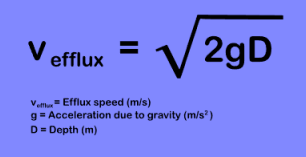
- 46Torricelli's Result
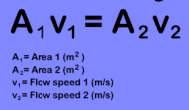
- 47Continuity Equation
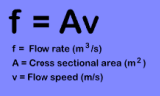
- 48Flow rate
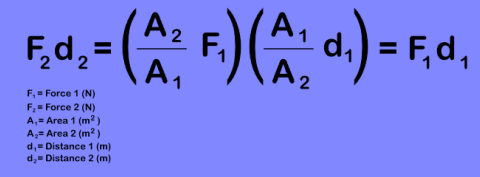
- 49Pascal's Law
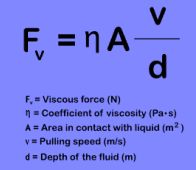
- 50Viscous force
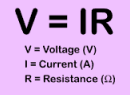
- 51Ohm's Law
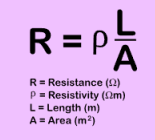
- 52Resistance
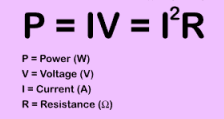
- 53Power (dissipated by a resistor or supplied by a battery)
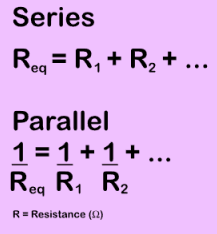
- 54Equivalent Resistance (in series and parallel)
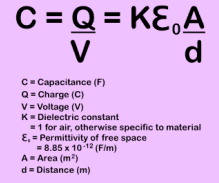
- 55Capacitance
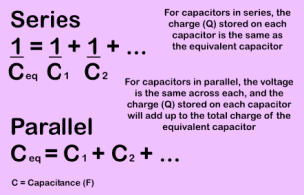
- 56Total capacitance
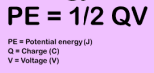
- 57Energy stored in a capacitor
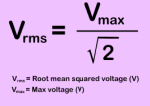
- 58AC voltage
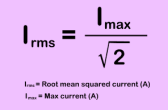
- 59AC current
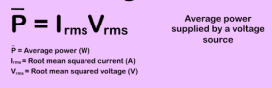
- 60AC average power supplied
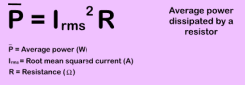
- 61AC average power dissipated
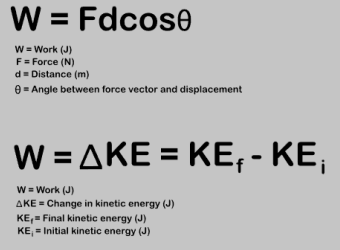
- 62Work
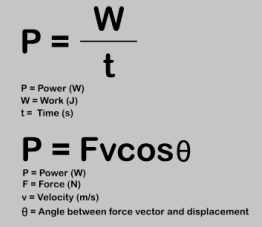
- 63Power
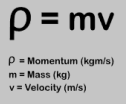
- 64Momentum
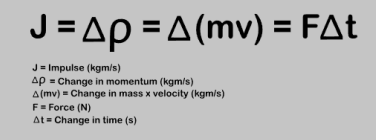
- 65Impulse
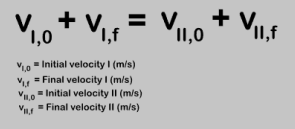
- 66Elastic collision
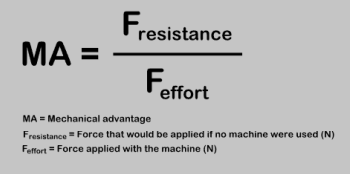
- 67Mechanical advantage
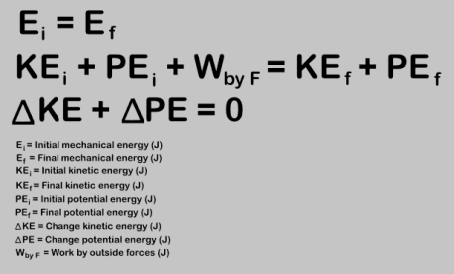
- 68Conservation of total mechanical energy
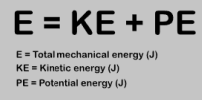
- 69Total mechanical energy
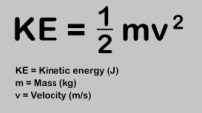
- 70Kinetic energy
- 71Gravitational potential energy
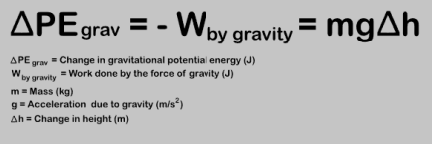
- 72Conduction
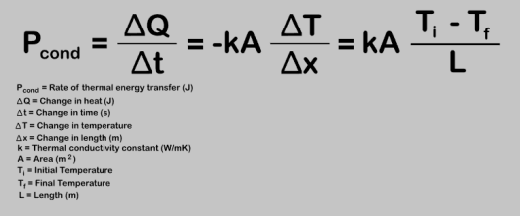
- 73First Law of Thermodynamics
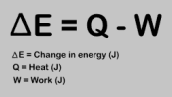
- 74Linear thermal expansion
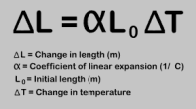
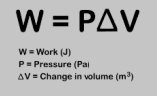
- 75Thermodynamic work
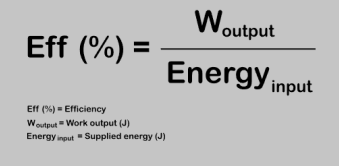
- 76Efficiency
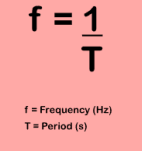
- 77Frequency
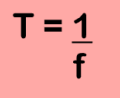
- 78Period
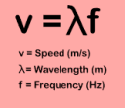
- 79Wave speed
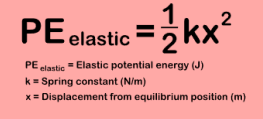
- 80Elastic potential energy
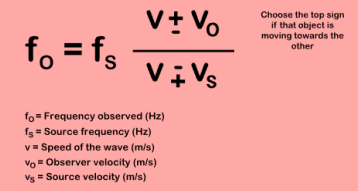
- 81Doppler effect
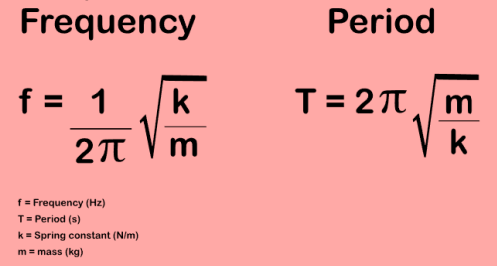
- 82Simple harmonic motion of spring (frequency + period)
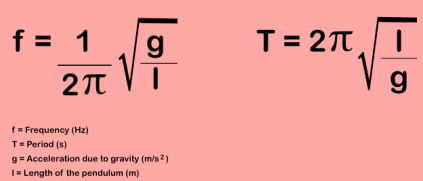
- 83Simple harmonic motion of pendulum (frequency + period)
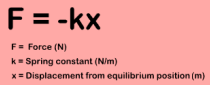
- 84Force exerted by spring
- 85Work (spring)

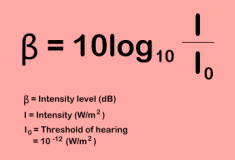
- 86Intensity level
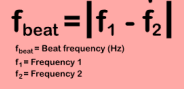
- 87Beat frequency
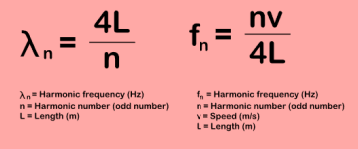
- 88Standing wave (closed pipe)
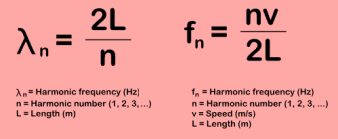
- 89Standing wave (fixed ends and open pipe)
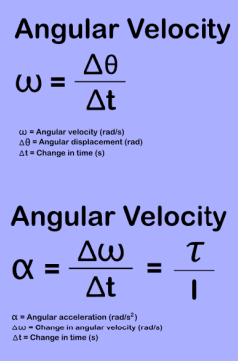
- 90Angular velocity
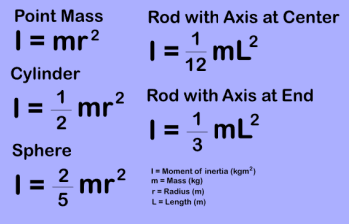
- 91Moment of inertia
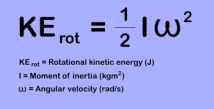
- 92Rotational kinetic energy
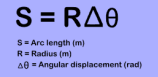
- 93Arc length
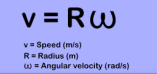
- 94Speed
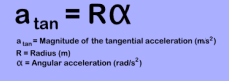
- 95Magnitude of acceleration
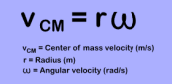
- 96Velocity of center of mass rolling without slipping
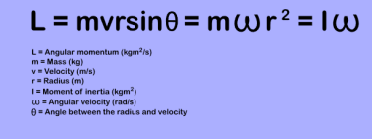
- 97Angular momentum
- 98Hooke's Lawstress = modulus x strain
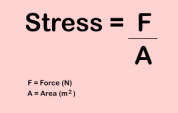
- 99Stress
- 100Tensile and compression
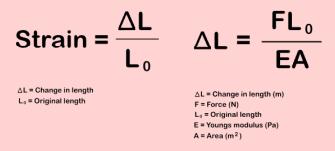
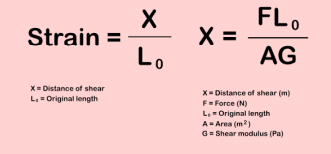
- 101Shear strain
- 102The units for a Watt (W) are...J/s
- 103The units for the Newton (N) are...kgm/s^2
- 104The units for the Ampere (A) are...C/s
- 105The units for the Ohm are...V/A
- 106The units for the Tesla (T) are...N/Am or kg/As^2
- 107The units for the Farad (F) are...C/V
- 108The units for the Joule (J) are...Nm
- 109The units for a Volt (V) are...J/C
- 110The unit for Hertz (Hz) is...cycles/second
- 111The unit for a Pascal (Pa) is...N/m^2
Information
- Description
- - Light blue: Kinematics - Teal: Force - Orange: Charges and Electric Fields - Yellow: Light, Optics, and Quantum Physics - Gray: Work, energy, and power - Light pink: Circuits - Salmon: Oscillations, Waves, and Sound - Lilac: Angular Motion - Darker lilac: Fluids - Tan: Stress and Strain
- Created by
- C J
- Views
- 53
- Tags
- Rating