Mind map
Prototype
Map content
Prototype
1.- Human-Centered Design Phase 3: Prototype
- Step 1: What to prototype
- break the idea in smaller components that you can test
- Experience mapping your idea
- community interact with your idea
- Break down the user experience
- beginning, middle and end
- visualize the user experience
- series of images, sketches, cartoons
- Create the storyboard
- What do you need to learn?
- Create an order of operations
- identify with questions are most important and prototype
- Break down the user experience
- community interact with your idea
- Step 2: Make prototypes
- They enable you to share your ideas with other people, get feed back and learn how to further refine them
- Different kind of prototypes that you can create
- Create a model
- simple three-dimensional representations of your idea
- Create a mock-up
- digtal tools or websites with sketches on paper
- Create a role play
- Map out the structure, network, journey or process of your idea
- Create a story
- story of your idea from the future
- How the experience would be like
- story of your idea from the future
- Create an advertisement
- Fake advertisement that promotes the best parts of your idea.
- Create a model
- Take pictures of the evolution of your prototype overtime
- Step 3: Get Feedback
- Feedback is one of the most valuables tools in developing an idea
- Identify sources for feedback
- Is time to return to users and begin getting feedback on your ideas
- considering the setting
- what context you what to share your idea
- Define what to test
- Create a list that will remind you of the goals of your research
- Define feedback activities
- Plan the activities
- Facilitate Feedback conversations
- Invite honesty and openness
- provide multiple prototypes
- Stay neutral
- Adapt on the fly
- Capture learnings
- Take some time after your session to capture what you have observed
- Find a space and time
- Capture your ideas and design iterations
- Share your impresions
- What did participants value most?
- What got them exited?
- What would convince them about the idea?
- Which parts would the participants like to improve?
- What did not work?
- What needs further investigation?
- Take some time after your session to capture what you have observed
- Integrate feedback
- Cluster the feedback
- Evaluate the relevance
- Prioritize the feedback
- Evolve your prototype
- considering the setting
- Is time to return to users and begin getting feedback on your ideas
- Step 1: What to prototype
2.- IDEO.org Stories from the field: Rapidly Prototyping a Business Model , Understanding demand for a potencial service
- Rapidly prototyping a business model
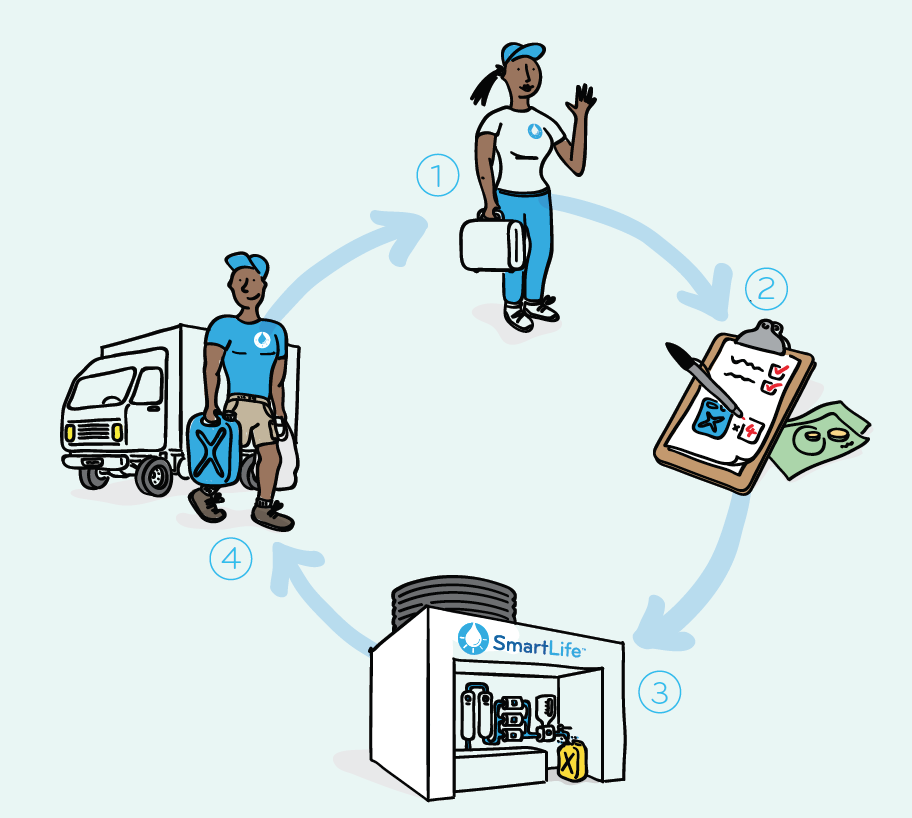
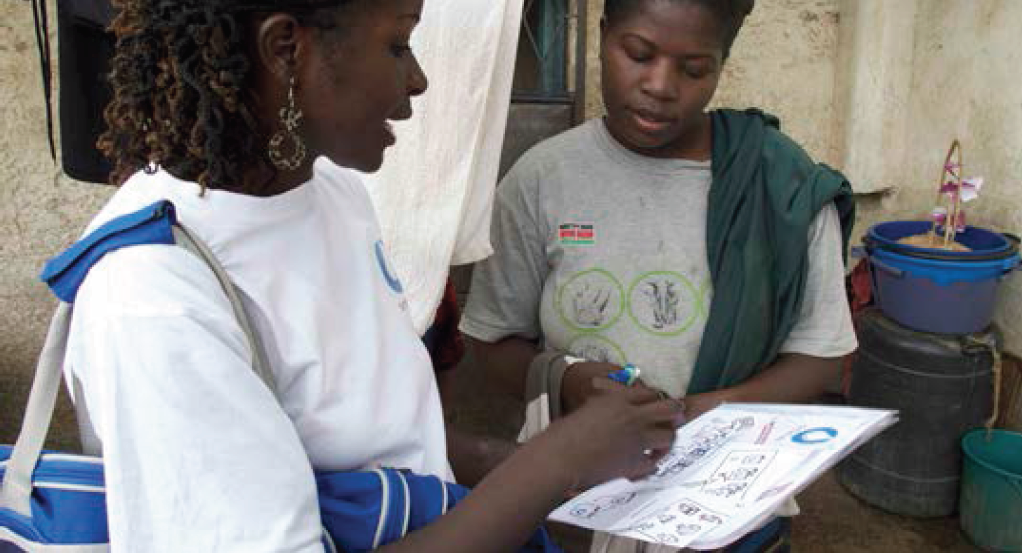
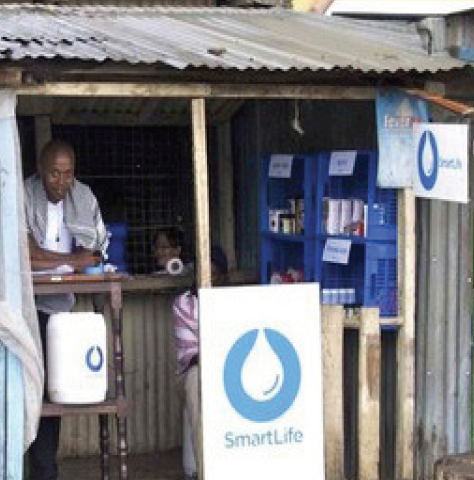
- IDEO partnered with Unilever, Water and sanitation for the Urban Poor and the Global alliance for the improved nutrition to design a scalable business inKenya selling water alongside hygiene and nutrition products
- In few days , improved the three core components of the business model
- Sell 520 liters of clean drinking water
- IDEO partnered with Unilever, Water and sanitation for the Urban Poor and the Global alliance for the improved nutrition to design a scalable business inKenya selling water alongside hygiene and nutrition products
- Understanding demand for a potential service
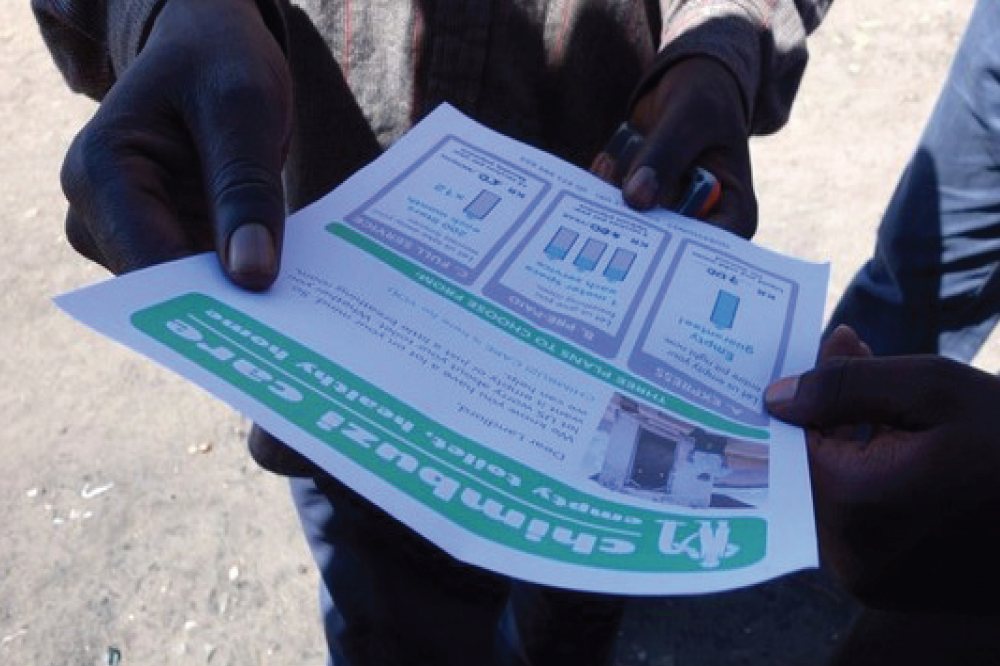
- IDEO partnered with Water and Sanitation for the Urban poor to design a new pit latrine emptying business in Zambia
- Pump Away
- ¿? if the service would be desirable for consumers in Lusaka
- They created a rapid prototype to answer some of the unanswered questions
- ¿? if the service would be desirable for consumers in Lusaka
- Pump Away
- IDEO partnered with Water and Sanitation for the Urban poor to design a new pit latrine emptying business in Zambia
- Rapidly prototyping a business model
3.- Case Study: Sanergy
- Launching a new human-centered service
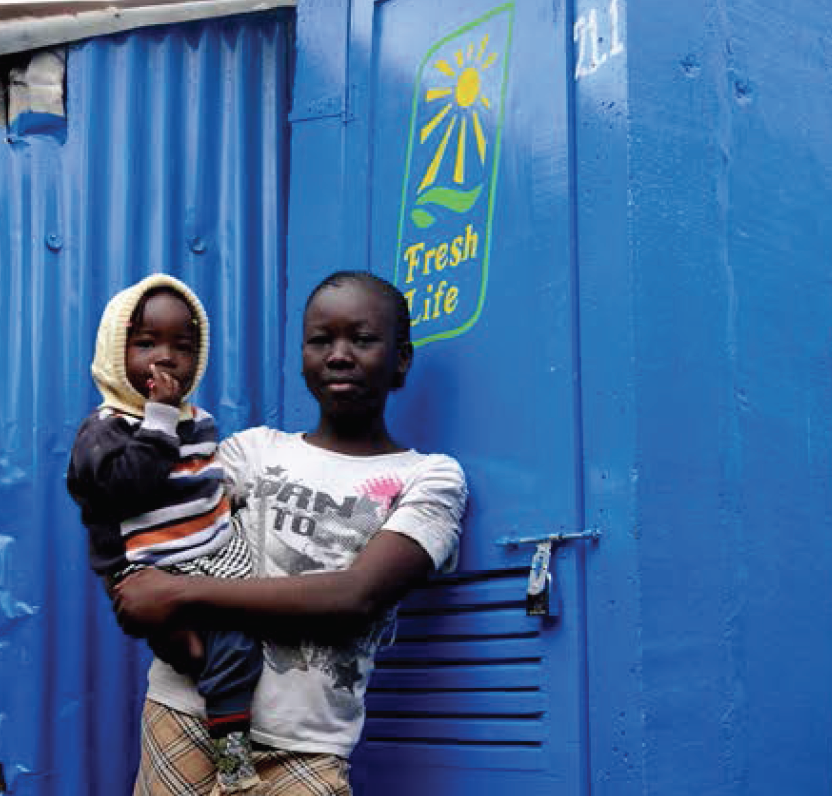
- fresh life
- toilet business
- Nairobi
- design challenge
- How might we increase regular usage of clean, hygienic Sanergy toilets?
- Children are scared to use their toilets because they are so clean
- educate children on proper use of the toilet
- Edutainment campains
- One of their more unique successes with human-centered design
- Edutainment campains
- educate children on proper use of the toilet
- Children are scared to use their toilets because they are so clean
- During prototyping learned
- operators dislike memberships because they are difficult to keep track on
- How might we increase regular usage of clean, hygienic Sanergy toilets?
- fresh life
- Is an organization that's addresing the challenge of providing adequate sanitation to some of the 2.6 billion people wordwde who do not have access to it
- Launching a new human-centered service
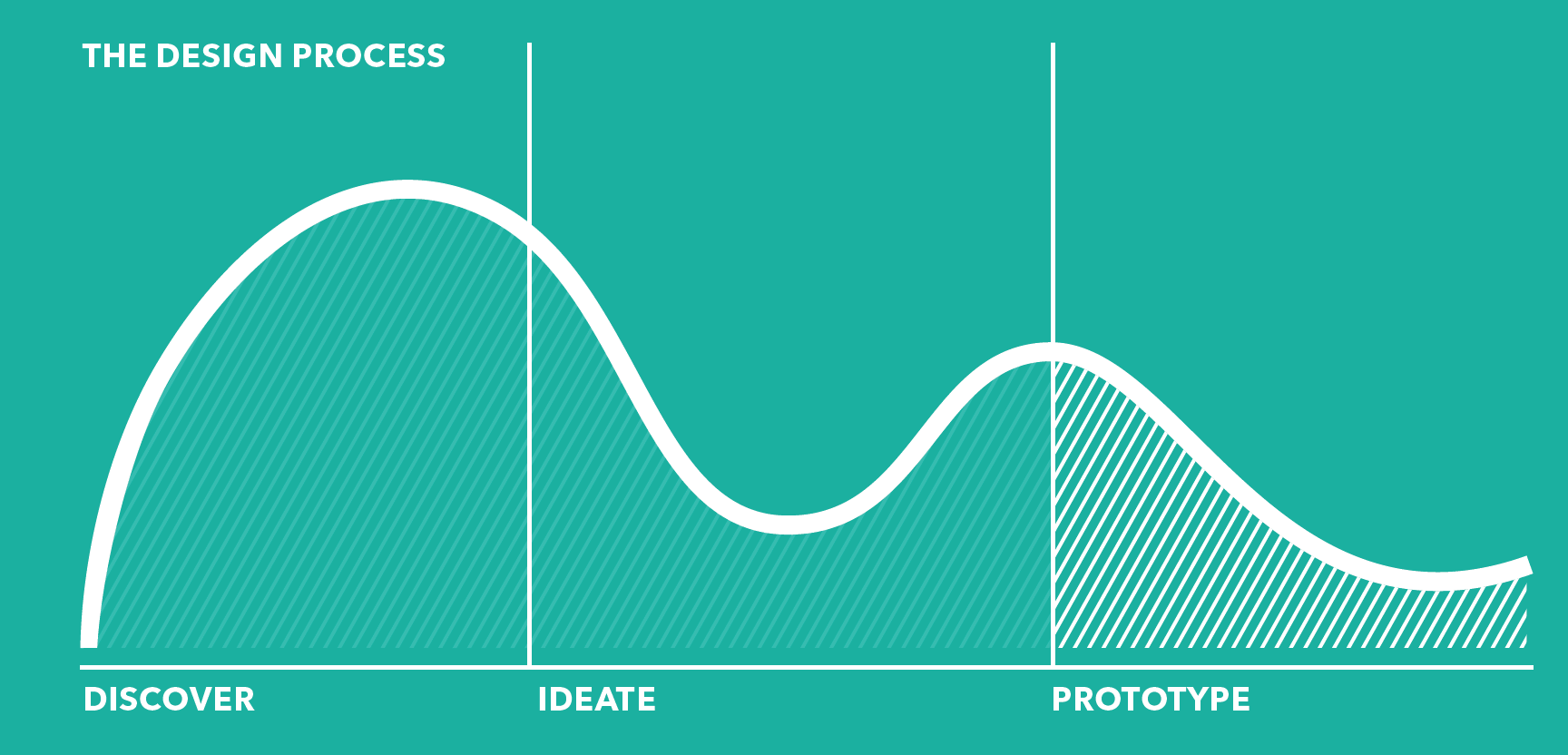
Brings the best ideas to life that you imagined during the Ideate phase
- Making ideas tangible
- Quickly learn how to further improve and refine your ideas
- Making ideas tangible