
Mind map
UNIT 2 COLOUR
Map content
UNIT 2 COLOUR
COLOUR
- Forms part of the world. Eyes take in the sensations produced by colours and transmit them to the brain.
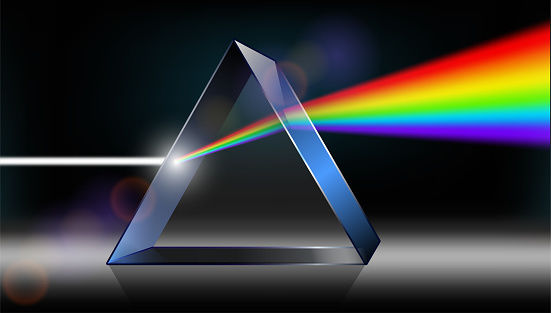
- Newton discover that when aray of white light pass through a glass prism, it become a spectrum of separate colours. Light is the unit, and color is a part of it
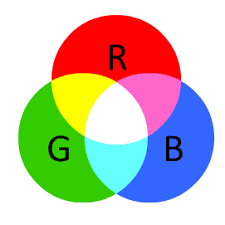
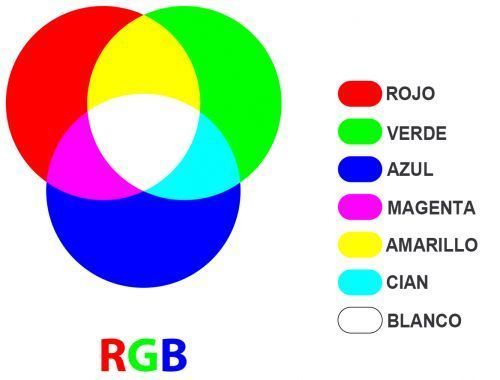
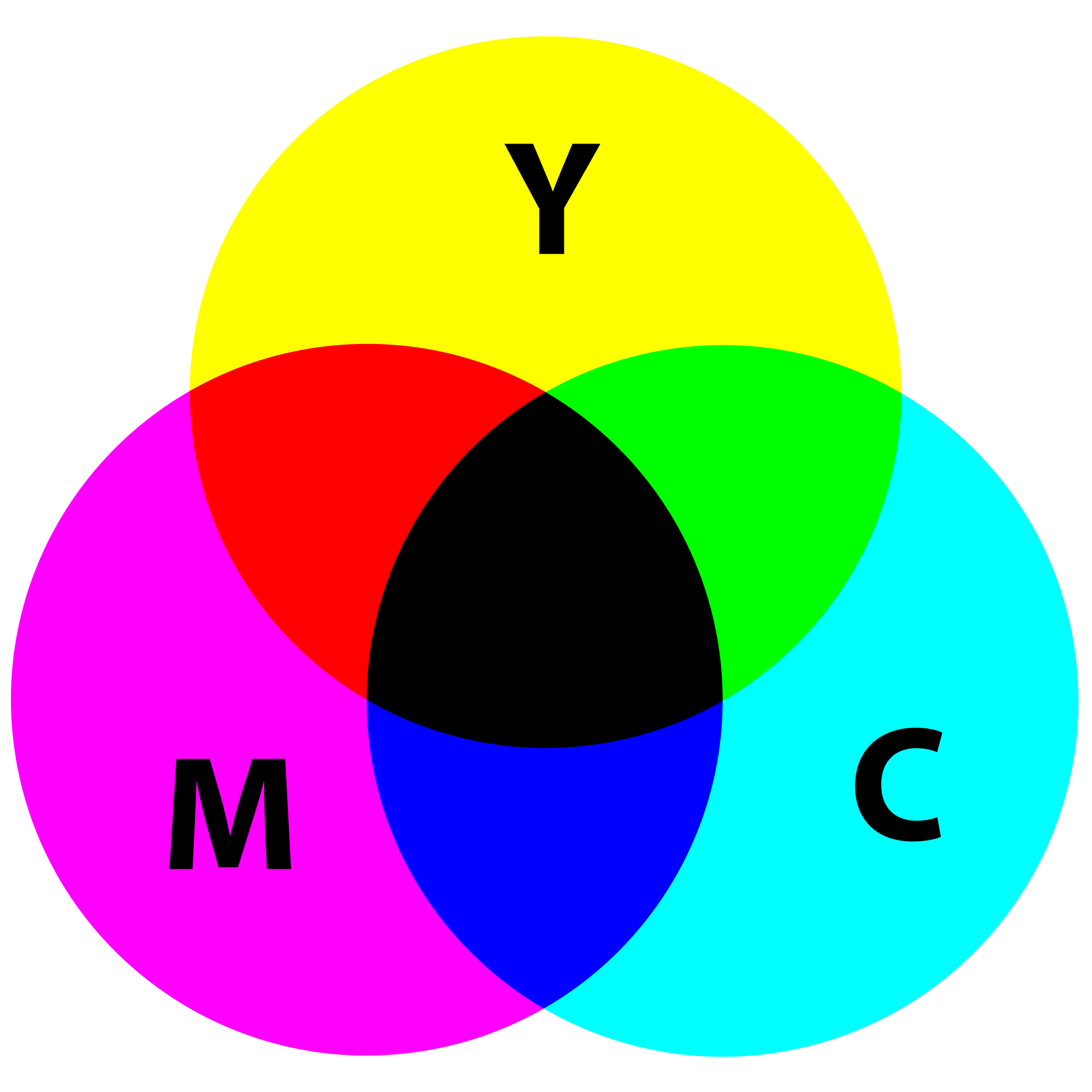
ADDITIVE BLEND OR COLOURED LIGHTS
- There are primary colours dispersed through the glass prism (blue-violet, yellow and red). This colours are from: RGB model. Colours produced by light are used for television, movies
- Additive bled: ads light to light
- Complementary colours: produce a practically white. Combining each primary colour with a secondary one creates them. Both colours must complete all three primary colours
- Secondary colours: yellow, cyan and magenta.
Colour perception
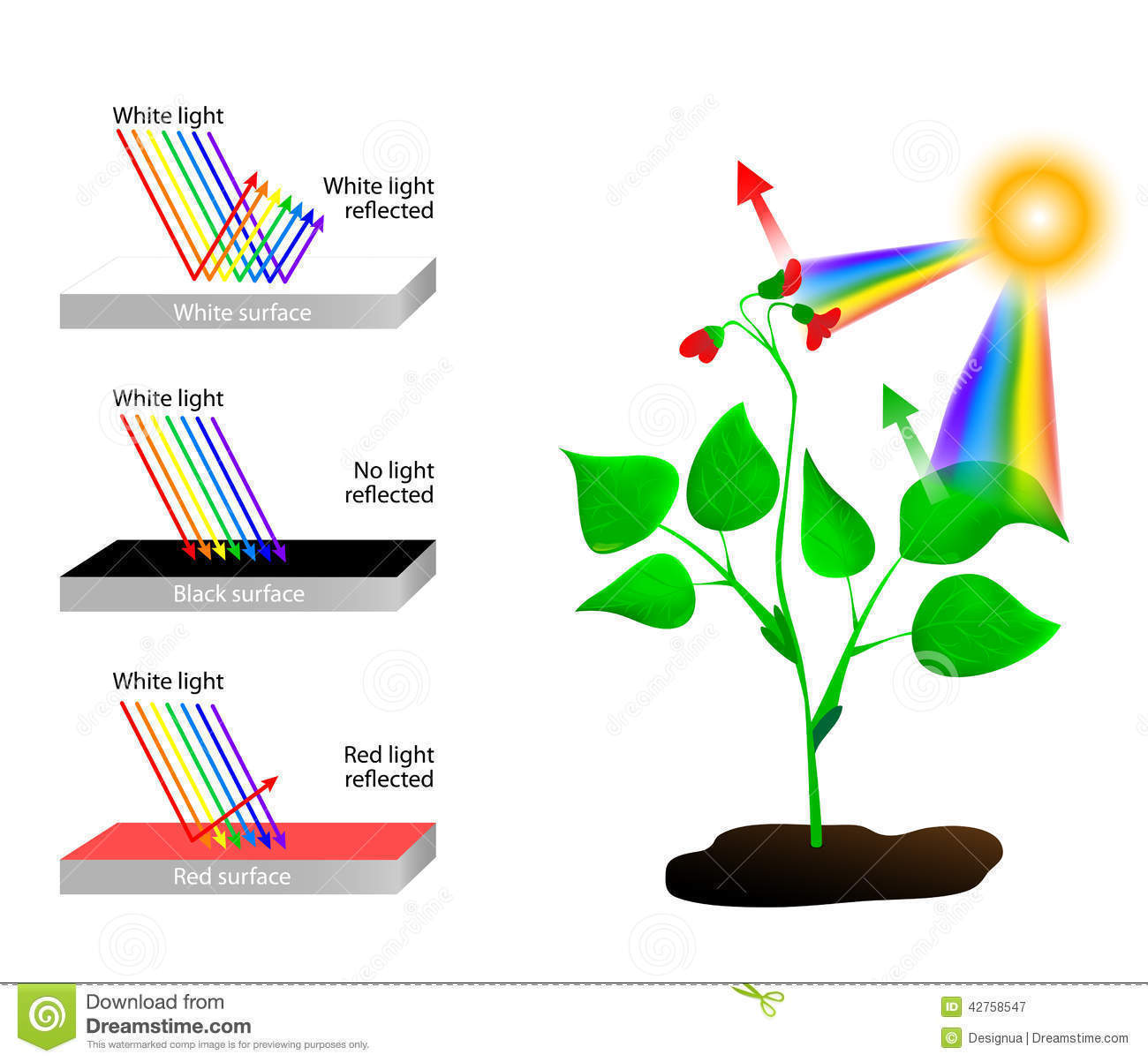
- Depending on its nature and properties, the object absorbs or reflects light. The colours that we see are the colurs that the objects propagate because they don't absorb them
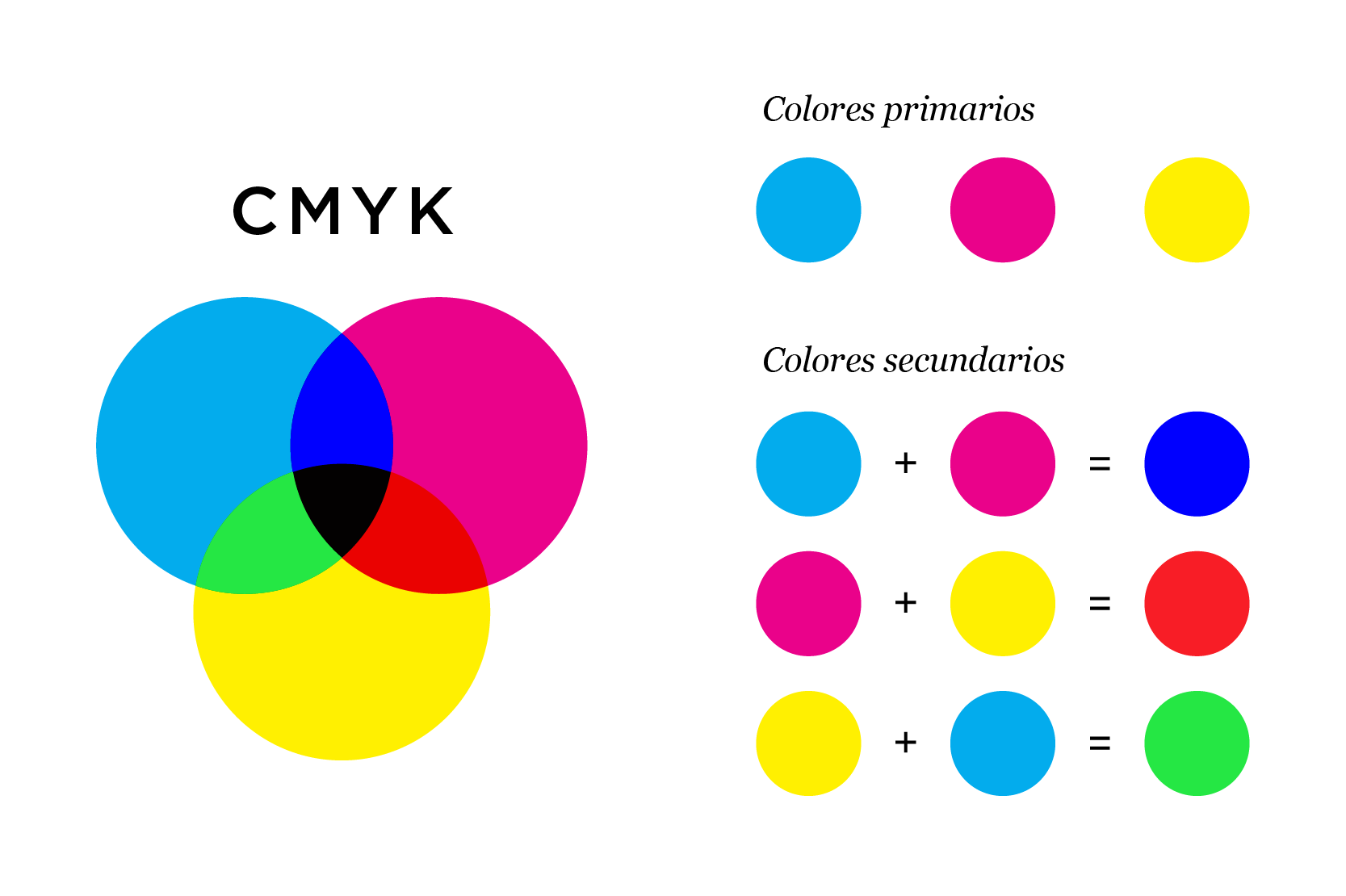
COLOURED PIGMENTS
- Absorb or take away the light's energy. Cyan, magenta and yellow are primary colours. Blend together gives off a very dark grey. Cyan, magenta, yellow and black form CMYK
- Complementary colours: when blended produce black. Combining each primary colour with a secondary one creates them.
- Secondary colours: blue-violet, red and green. They are formed by mixing two primary colours
QUALITIES OF PROPERTIES OF COLOUR
- Tone: is given to a colour that makes it distinct. Each tone is given a name. Intermediate values or composites are found on each tone. Other terms: shade
- Value: depends on how much light it gives off. Is the amount of white or black colour found in its composition. Transition form light to dark: gradient. Other terms: brightness
- Saturation: is the property that indicates colour purity. The primary colours have the highest saturation and greys the lowest saturation.
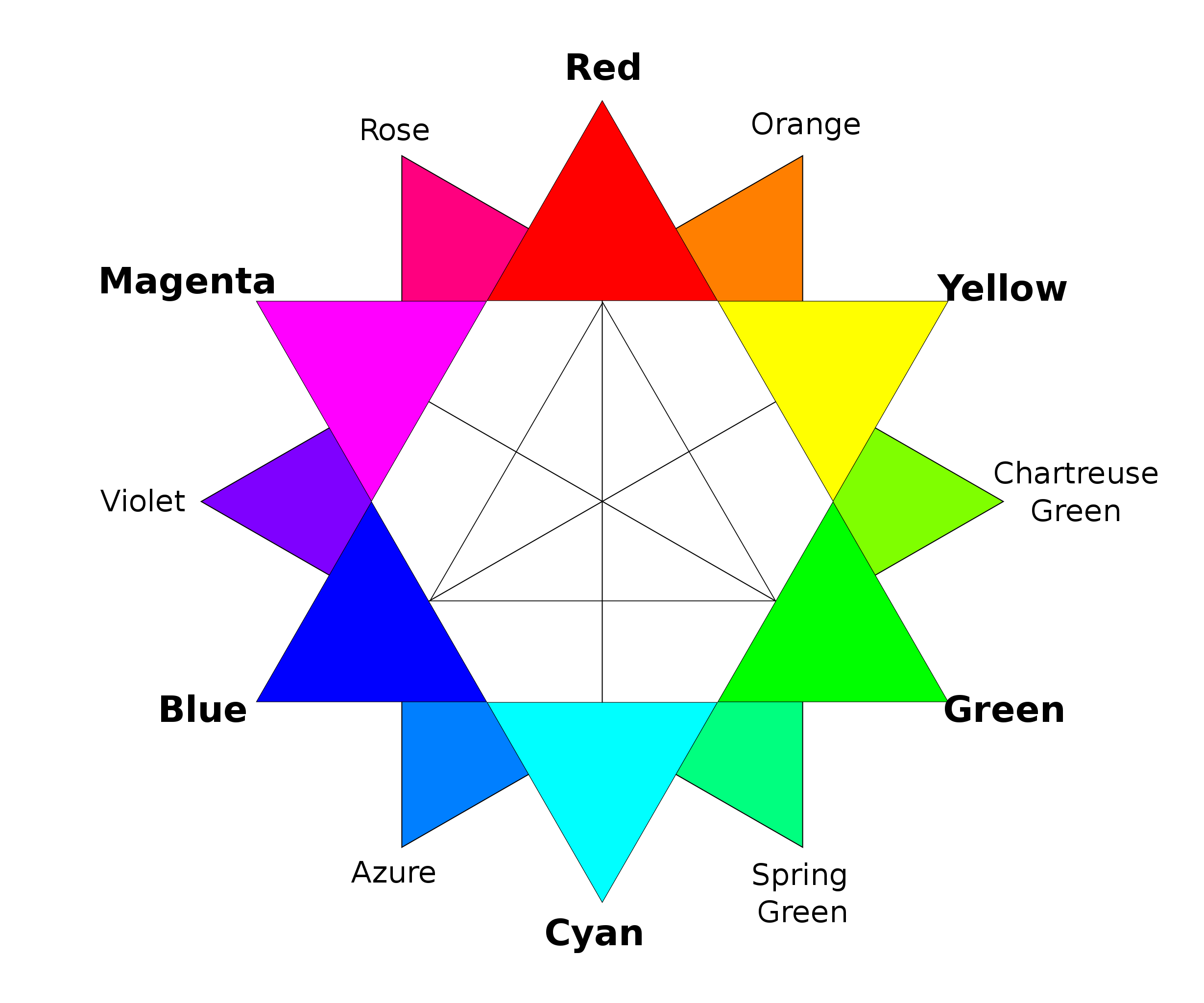
COLOUR WHEEL
- Is the most widely recognised arrangment to reflect different colours visually and observe the interrelation. It's divided into: primary, secondary and tertiary colours.
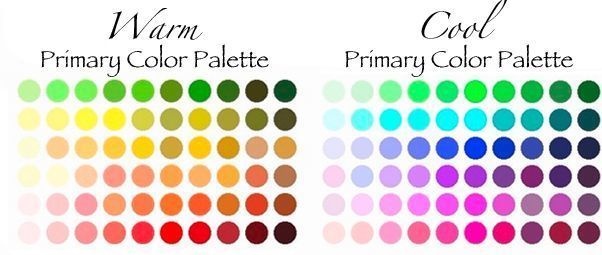
COOL AND WARM PALETTES
- Are groups of colours that have a relationship between each other in the colour wheel
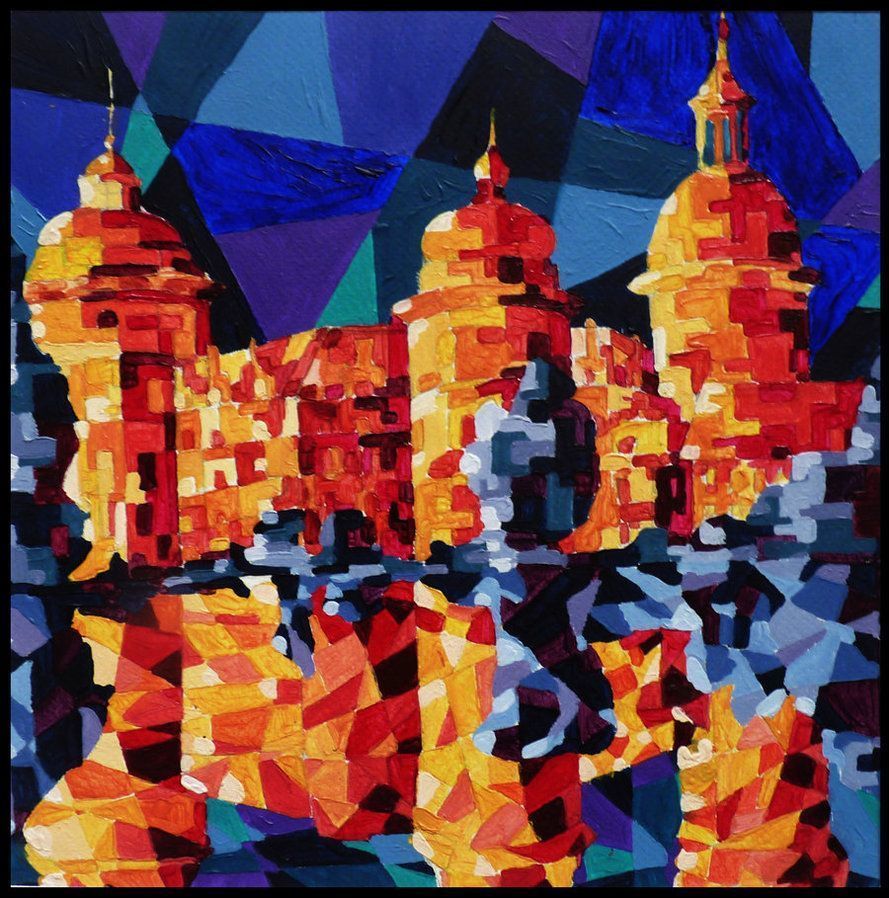
- Cool palette: blues, purples and greens. Colours are soft and calm
- Warm palette: red, orange and yellow. Red is the warmest colour. Dynamic and agressive
- Are groups of colours that have a relationship between each other in the colour wheel
CREATING COLOUR MIXTURES
- Harmony: is a combination of colours that prodeces attractive and balanced colour effects. We can create colour harmony by consonance or analogy
- Contrast: is produced when the colours in a composition don't have anything in common. The greater difference betwen colours, the greater the contrast that will be produced
COLOUR CLASSIFICATION SYSTEMS
- Organise and encode colours based on a logic and taking into account the three dimensions that describe them.
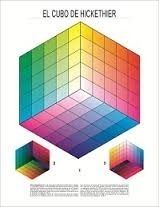
- Hickethier's system: the colour classification system contains the colour black (minimum value); at the opposite, is white (maximum value). In the vertices we have the three basic colours and the three secondary ones. It takes into account the three primary colours, are identify by three-digit number: yellow is 900, magenta is 090 and cyan is 009. The total number of colours in the system is 999.
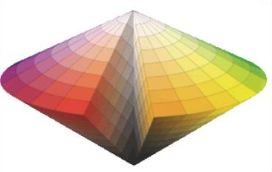
- Ostwald system: recognises four primary and four secondary colours and differentiates 24 tones for all of them,. Ostwald positions two cones with their bases facing each other. On the common circumference, he puts 24 shades of colour that range from yellow through to red, purple and blue and back to yellow through green. At the top is white and at the bottom, black.
SYMBOLISM OF COLOUR
- The symbolic colour forms part of a code. It changes from being a general element into a fact. It covers very diverse fields such as fashion, sports. This symbolism is related to cultural, social phenomena associated with groups of people in their celebratory expressions. They represent their belonging to a group. Accepted codes.
- White: purity, peace and innocence
- Black: evil, elegance, death
- Yellow: envy, bad impulses, arrogance
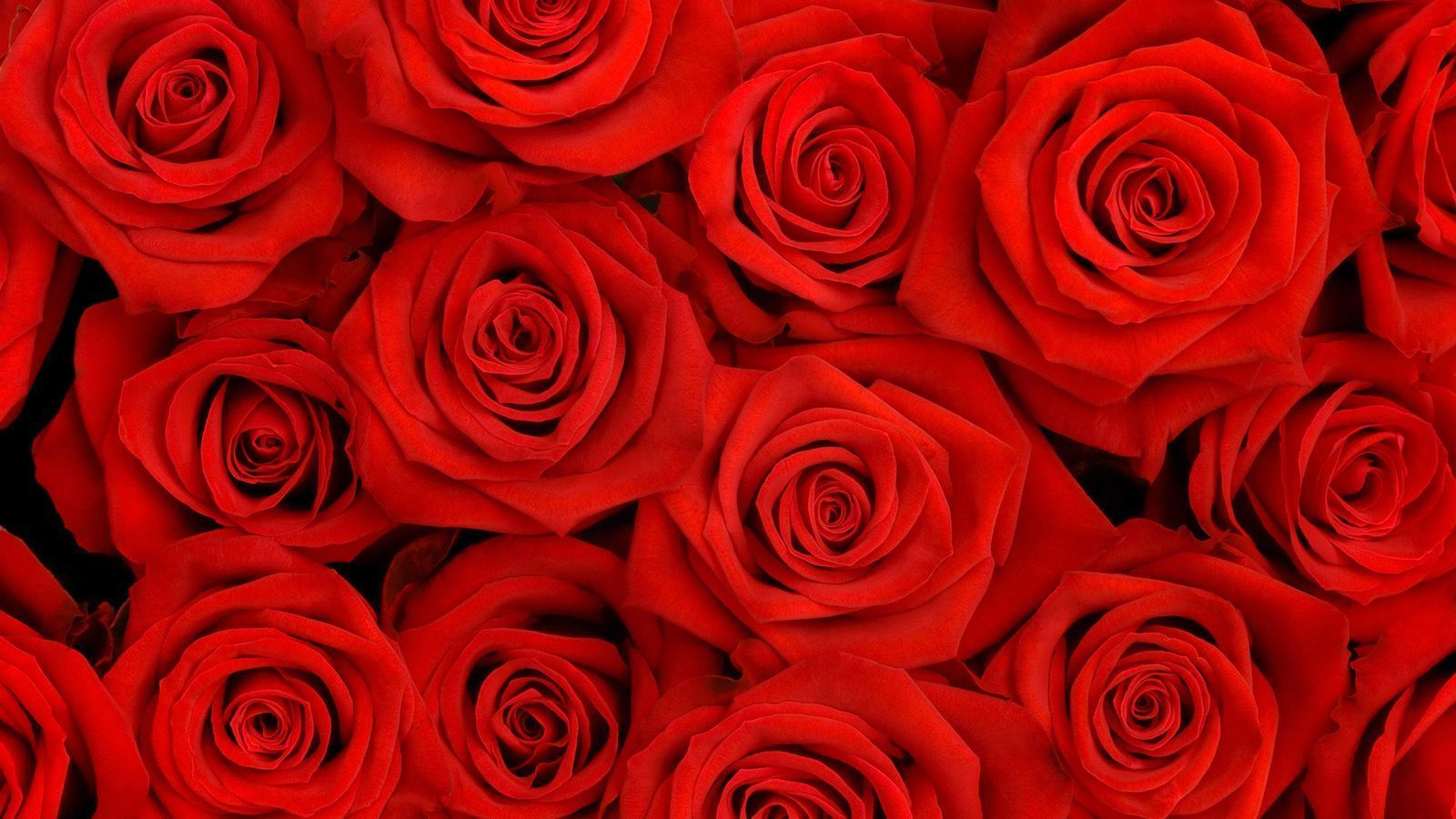
- Red: ambitious, revolution, happiness
- Green: intelligent, social, logic
- Blue: depth, cold, inmortality
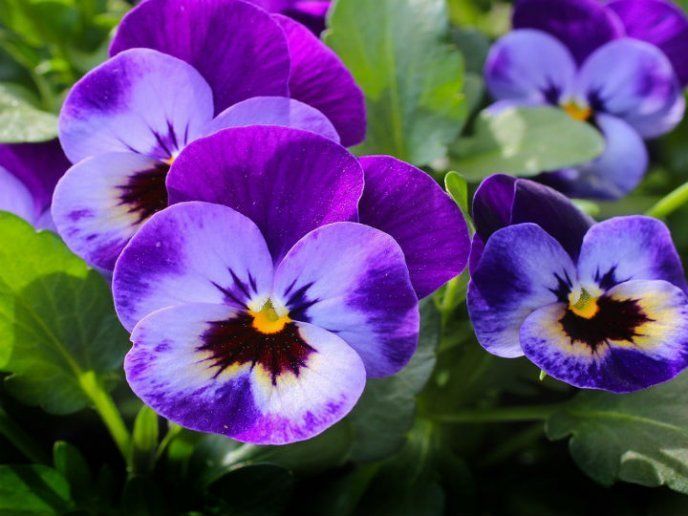
- Violet: lucidity, reflection, royalty
- The symbolic colour forms part of a code. It changes from being a general element into a fact. It covers very diverse fields such as fashion, sports. This symbolism is related to cultural, social phenomena associated with groups of people in their celebratory expressions. They represent their belonging to a group. Accepted codes.
Images and files in the map

Information
- Description
- Mind Map on UNIT 2 COLOUR, created by Laura F on 19/10/2021.
- Created by
- Laura F
- Views
- 0
- Rating