Mind map
ESL Approaches and Methods

Map content
ESL Approaches and Methods
Grammatical Approach
- teacher-centered emphasis on the rules and structure of target language
- More emphasis on development of reading
- rules of grammar are taught holistically
- Direct: focus on total immersion in L2; involves an open-ended response Audiolingual: grammar striations are carefully delivered and taught; Minimal use of L1
- This approach does not connect to any method because it is teacher-centered.
- examples: drill and practice and rote memorization
- Origins in nineteeth-century classical Greek and Latin instruction
- teacher-centered emphasis on the rules and structure of target language
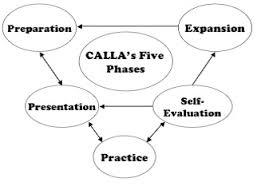
The Calla Method
- Conceptional Framework: scientifically based research, what and how it is learned, provides guidance for instruction
- select content that aligns with national or state standards for each subject and the TESOL K-12 standards
- includes listening, speaking, reading, and writing
- explicit instruction using language strategies
- students will benefit from being mentally active and analyze/ reflect on their learning activities
- connects to the Cognitive Approach
Sheltered Method of Instruction
- Connects to the Communicative Approach
- used to target academic language proficiency and deeper conceptional understanding of the content materials
- Strategies: hands-on activities, cooperative learning, guarded vocabulary, visuals
- involves students working collaboratively in heterogenous groups that target individual and group learning goals
- teacher has conscious control of their language in the classroom
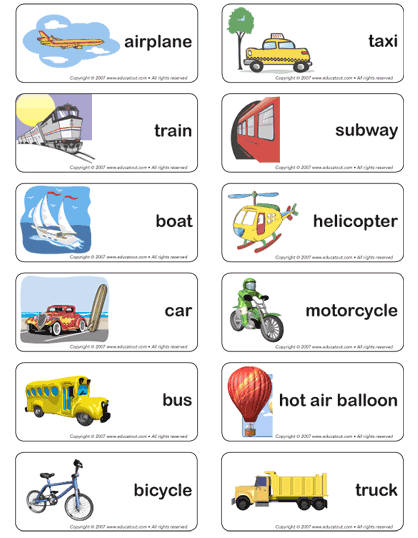
- use photos, media, computers, drawings, charts, tables, diagrams, and more to illustrate concepts
- several benefits to this method: examples are target multiple learning styles, provide support, prompts content comprehension, develops listening skills, reduces affective filter, provides visual links to key concepts and vocabulary, etc.
Content-Based Method
- This method was grounded in the communicative approach because it emphasizes communication, authentic use of literacy in context, and cultivation of all literacy domains.
- incorporates multiple subjects into each lesson
- language across the curriculum- this found that directing the attention of learners to content language more specifically addressed the language acquisition needs of CLD students in the academic context.
- benefits: learning facts and skills within meaningful context allows a person to store the material in memory with less time required for practicing and rehearsing the information
- Planning, Instruction, Assessment
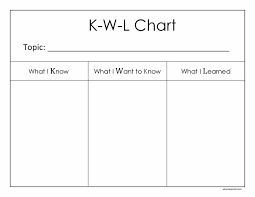
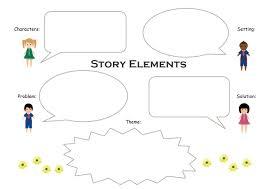
- examples of visual support and GO to provide in ICB: semantic webs, KWL charts, T-charts, Venn diagrams, categorization or classification charts
Cognitive Approach
- Origins in 1980s and 1990s research on learning functions, memory, and cognition
- Learner-centered focus on explicit teaching of LS in communicative ways
- Connects to the CALLA Method
- developmentally appropriate language instruction; intentional focus on CALP development in L1 and L2 as related to content areas; focus on prior knowledge; explicit instruction in Metacognitive, Cognitive, and Social/ affective
Communicative Approach
- research on language learning through communication, constructivism, and social interaction
- Student-centered emphasis on communication and meaningful acquisition of knowledge
- Connects to the Content-Based Method and Sheltered Instruction
- Contentent Based: emphasizes L2 development; focuses on content and language integration; subject area integrated into thematic units
- Sheltered Instruction: Grade-level modified curriculum; scaffolded instruction; visuals, cooperative learning, and guarded vocabulary