
Mind map
Urinary Bladder Cancer
Map content
Urinary Bladder Cancer
Hematuria
- More than 3 RBCs in centrifuged urine per high-power field microscopy on properly collected urine specimen (>3 RBC/HP)
- Classification
- Color
- Microscopic
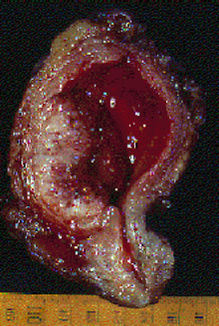
- Gross
- Source
- Urologic:
- from peripheral calyces to external meatus
- Nephrologic
- glomerular origin
- Urologic:
- Color
- Etiology
- Urological:
- neoplasm, BPH, urolithiasis, infection, trauma, iatrogenic, vascular
- Nephrological
- Post-strep GN, SLE, HUS, Subacute bacterial endocarditis, necrotizing papillitis, periarteritis nodosa
- Hematological
- Hemophilia, VW diseases, ITP, sickle cell trait, DIC, anticoagulant therapy
- Miscellaneous:
- Exercise hematuria, diseases of adjacent organs like the appendix, idiopathic
- Urological:
- Classification
- More than 3 RBCs in centrifuged urine per high-power field microscopy on properly collected urine specimen (>3 RBC/HP)
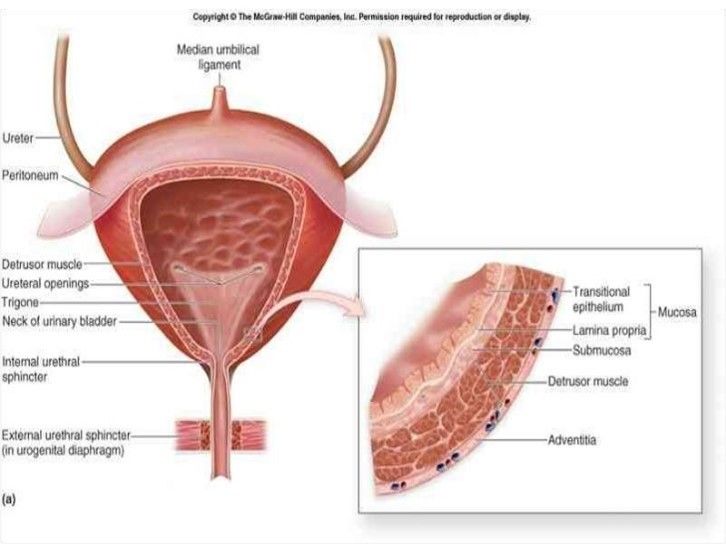
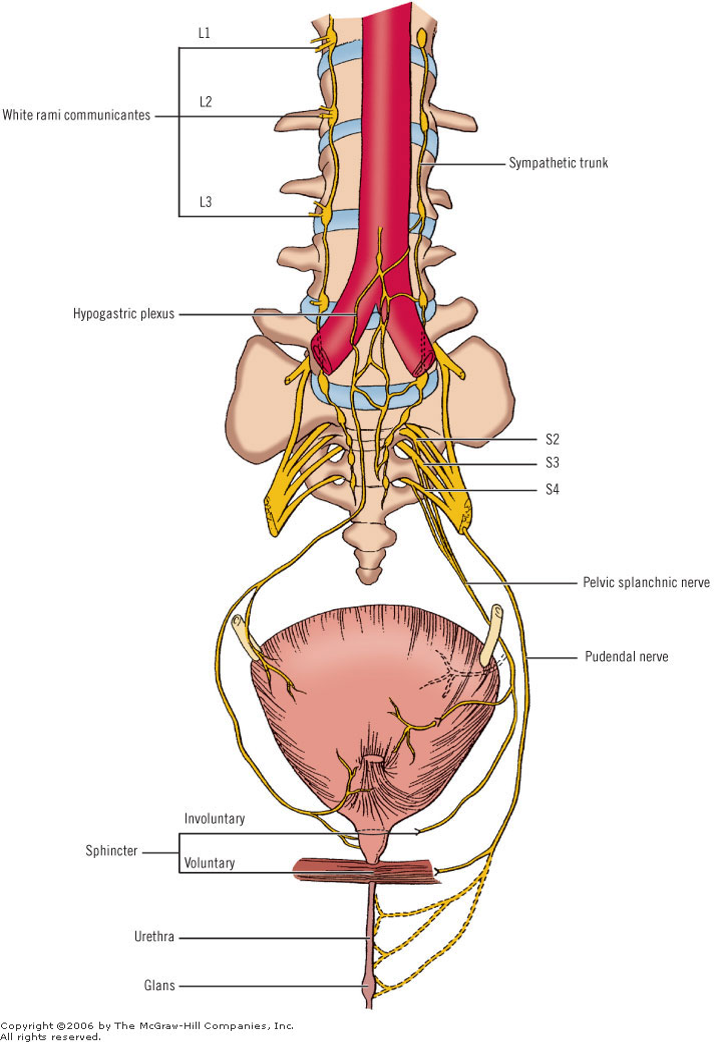
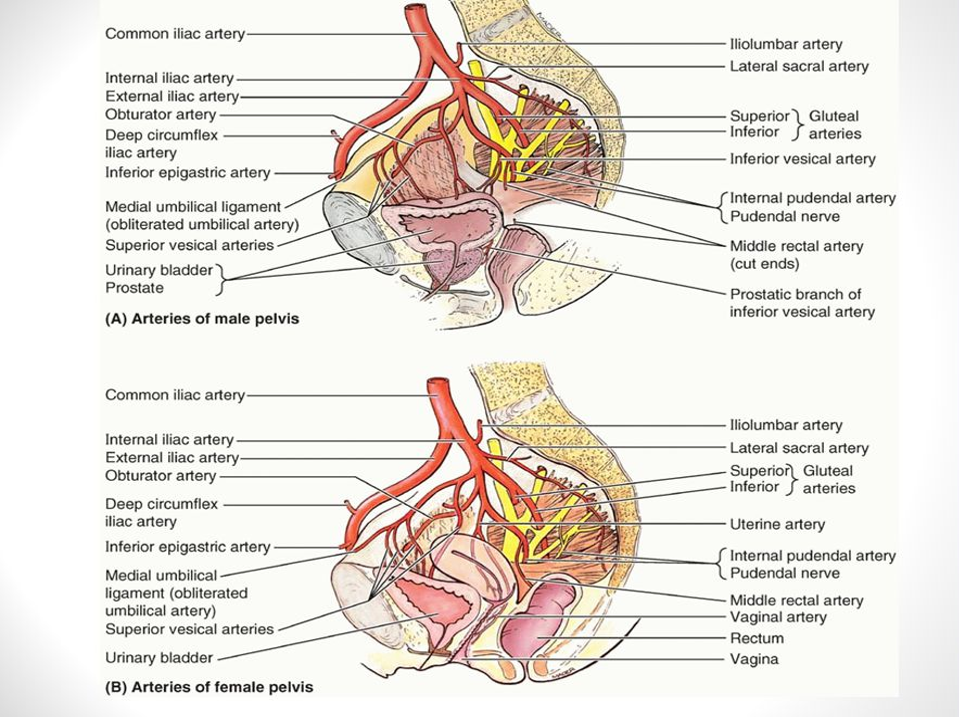
ANATOMY AND HISTOLOGY OF URINARY BLADDER
- Blood supply
- Innervation
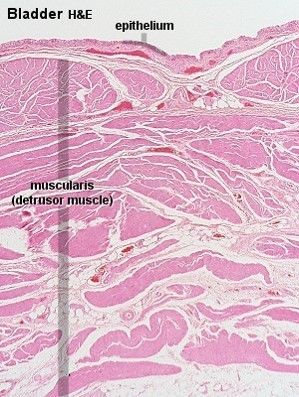
- Histology
- three layers of smooth muscle, and a transitional epithelium.
- The mucosa is heavily folded - this helps to accomodate for large volume changes.
- The transitional epithelial lining can stretch until it looks like stratified squamous epithelium.
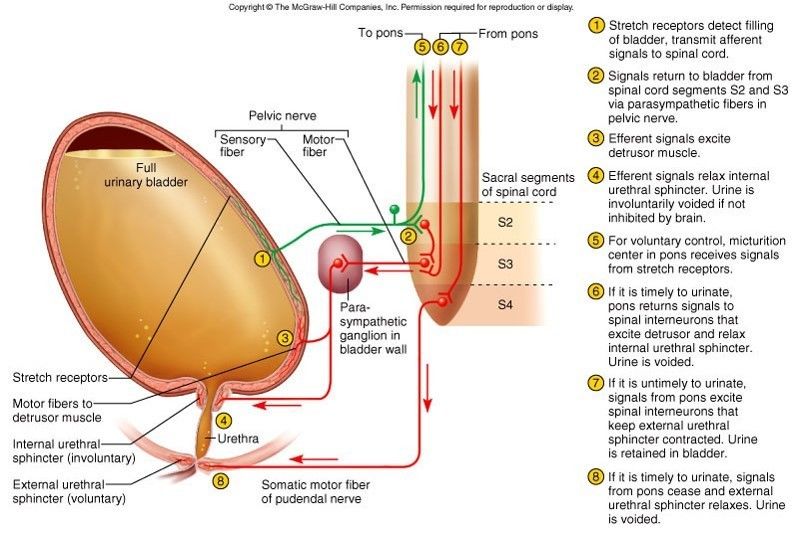
PHYSIOLOGY OF micturition
- Micturition is the process by which the urinary bladder empties when it becomes filled.
- 2 main steps
- Filling stage
- the bladder fills progressively until the tension in its walls rises above a threshold level;
- Micturition reflex
- empties the bladder or, if this fails, at least causes a conscious desire to urinate
- The micturition reflex is completely autonomic spinal cord reflex but it can be inhibited or facilitated by centres in the brain
- Filling stage
- 2 main steps
- Micturition is the process by which the urinary bladder empties when it becomes filled.
Signs and symptoms
- Blood or blood clots in the urine.
- Pain or burning sensation during urination.
- Frequent urination.
- Feeling the need to urinate many times throughout the night.
- Lower back pain on 1 side of the body.
Risk Factors
- Smoking
- Increasing age
- Exposure to certain chemicals
- Previous cancer treatment
- Chronic bladder inflammation
- Personal or family history of cancer
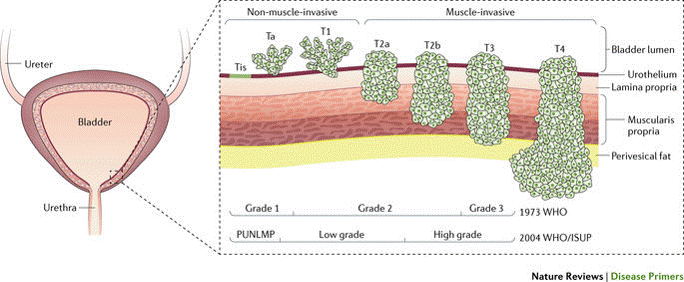
Staging of bladder cancer
Investigations
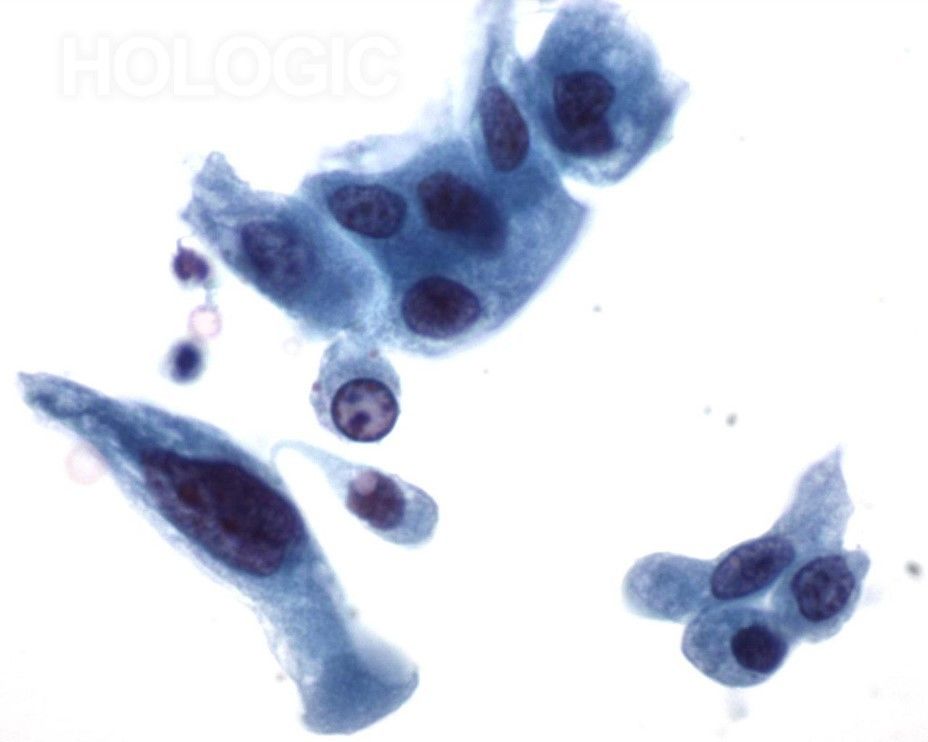
- Cytology
- most helpful in diagnosing high-grade tumors and carcinoma in situ (CIS).
- cytology is the most reliable urine test for detecting bladder cancer, a positive cytology finding should be treated as indicating cancer until proven otherwise.
- If cystoscopy findings are negative in the setting of positive cytology findings, further evaluation of the urinary tract is required.
- The upper urinary tract should be evaluated with contrast imaging. Cystoscopy with bilateral retrograde pyelography and bilateral ureteral washings should be performed.
- If cystoscopy findings are negative in the setting of positive cytology findings, further evaluation of the urinary tract is required.
- CIS exfoliates cells that have an unusual appearance and are easy to identify via cytologic examination, prompting further evaluation.
- cytology is the most reliable urine test for detecting bladder cancer, a positive cytology finding should be treated as indicating cancer until proven otherwise.
- high grade papillary urothelial carcinoma
- most helpful in diagnosing high-grade tumors and carcinoma in situ (CIS).
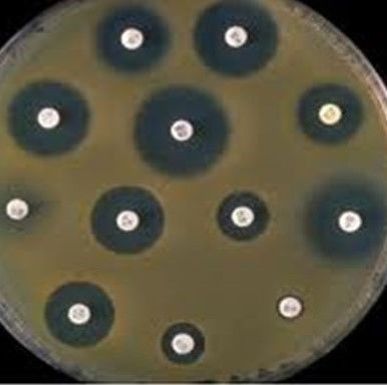
- culture sensitivity test
- Helps to find the right anti-biotic to kill an infecting organism. This test determines the sensitivity of a colony of bacteria to an antibiotic.
- The efficacy of an antibiotic can be demonstrated under suitable conditions by its inhibitory effect on micro organisms.
- Sensitivity analysis is a useful tool to help quickly determine if bacteria are resistant to certain drugs.
- The efficacy of an antibiotic can be demonstrated under suitable conditions by its inhibitory effect on micro organisms.
- Helps to find the right anti-biotic to kill an infecting organism. This test determines the sensitivity of a colony of bacteria to an antibiotic.
- Prostate specific antigen
- is a protein that is produced by the cells of the prostate gland and enters the bloodstream.
- Raised PSA levels can indicate several different disorders involving the prostate, one of which is prostate cancer.
- PSA testing is not 100% accurate. Some men who have prostate cancer will not have elevated PSA levels (it is not 100% sensitive). Other (noncancerous) conditions that cause the cells of the prostate to produce higher levels of PSA include benign prostatic hyperplasia (BPH), urinary tract infections, and prostatitis.
- Raised PSA levels can indicate several different disorders involving the prostate, one of which is prostate cancer.
- is a protein that is produced by the cells of the prostate gland and enters the bloodstream.
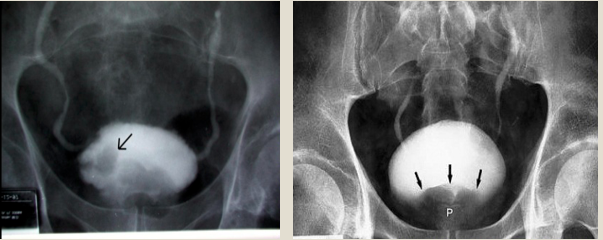
- An intravenous pyelogram (IVP)
- 1- round shadow on the right side of the urinary bladder later seen to be a bladder cancer(LEFT).
- 2- benign prostatic hyperplasia. White = bladder , black = benign enlargement of the prostate, pushing down on the inferior bladder. (RIGHT)
- Cytology
Transitional cell carcinoma
- Malignant tumor arising from the urothelial lining of the renal pelvis, ureter, bladder, or urethra
- Risk factors
- Cigrette smoke
- naphthylamine, azo dyes, and long-term cyclophosphamide or phenacetin use.
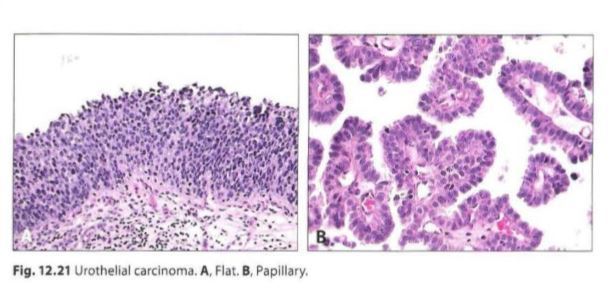
- Arises via two distinct pathways
- Flat- develops as a high-grade flat tumor and then invades; associated with early p53 mutations
- Papillary-develops as a low-grade papillary tumor that progresses to a highgrade papillary tumor and then invades; not associated with early p53 mutations
- Risk factors
- Malignant tumor arising from the urothelial lining of the renal pelvis, ureter, bladder, or urethra
SQUAMOUS CELL CARCINOMA
- Malignant proliferation of squamous cells, usually involving the bladder
- Arises in a background of squamous metaplasia (normal bladder surface is not lined by squamous epithelium)
- Risk Factors
- chronic cystitis (older woman)
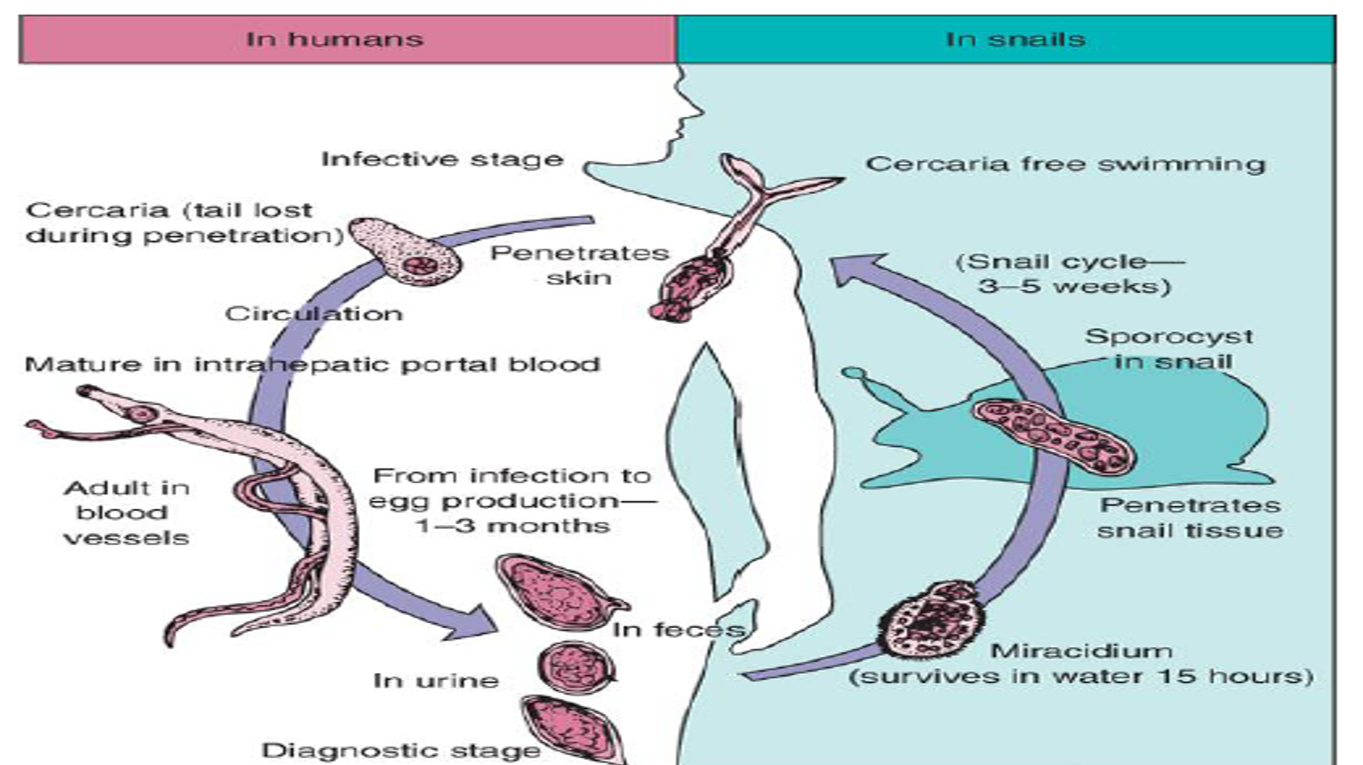
- Schistosoma hematobium infection (Egyptian male)
- S. haematobium: eggs are laid in small venules of the vesical & pelvic plexus
- eggs make their way from the venules to bladder lumen for S. haematobium
- Painless terminal haematuria
- Chronic cystitis with frequency of micturition & dysuria
- Generalised hyperplasia & fibrosis of the bladder mucosa with a granular appearance (Sandy patch)
- Formation of bladder stones due to deposition of oxalate & uric acid crystals
- Hydronephrosis
- Granuloma formation around schistosoma eggs is a result of delayed hypersensitivity reaction mediated by T-cell immune response
- S. haematobium: eggs are laid in small venules of the vesical & pelvic plexus
- long-standing nephrolithiasis
- Malignant proliferation of squamous cells, usually involving the bladder
ADENOCARCINOMA
- Malignant proliferation of glands, usually involving bladder
- Arises from a urachal remnant (tumor develops at the dome of the bladder), cystitis glandularis, or exstrophy (congenital failure to form the caudal portion of the anterior abdominal and bladder walls)
- Malignant proliferation of glands, usually involving bladder
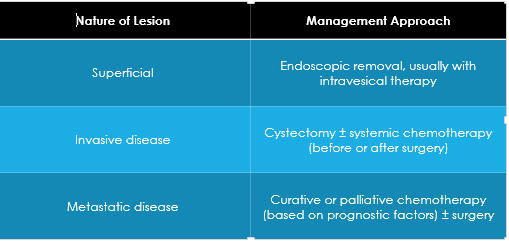
Management
- Intra-vesical therapies are used in two general contexts: as an adjuvant to a complete endoscopic resection to prevent recurrence
- invasive is to control of the primary tumor and, depending on the pathologic findings at surgery, systemic chemotherapy to treat micro-metastatic disease
- Radical cystectomy - bladder-sparing approach
- Chemotherapy Alone is inadequate (radical cystectomy or radiation therapy)
- complete endoscopic resection
- partial cystectomy
- combination of resection, systemic chemotherapy, and external beam radiation therapy
prognosis is affected by
- stage
- type
- tumors size
- age and general health
Images and files in the map
Information
- Description
- Mind Map on Urinary Bladder Cancer, created by Fatma Shwaylia on 08/04/2018.
- Created by
- Fatma Shwaylia
- Views
- 415
- Rating