
Mind map
TIEMPO PRESENTE
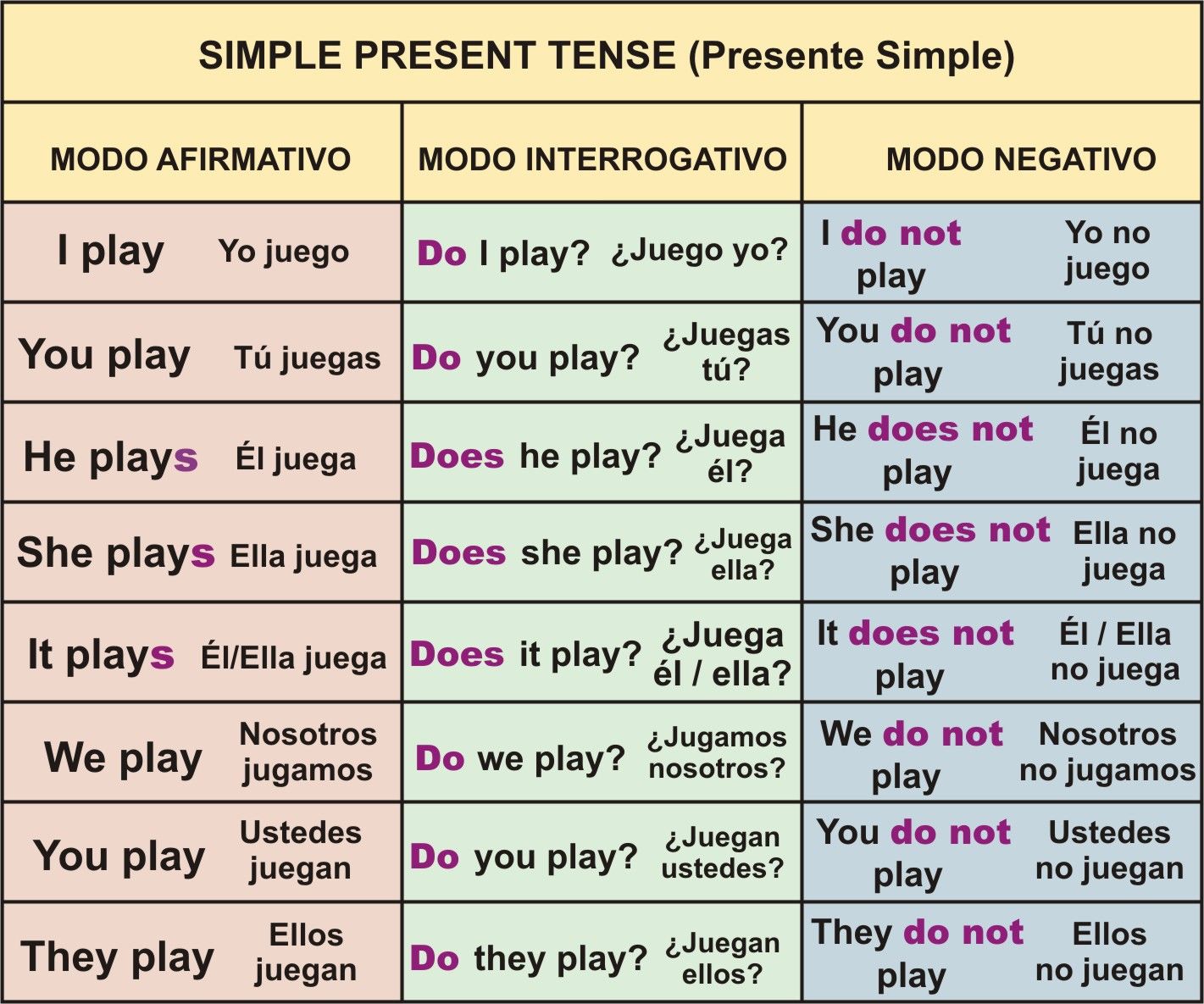
Map content
TIEMPO PRESENTE
SIMPLE
- Para conjugar el presente simple usamos el inifinitivo para los sujetos "I", "you", "we" y "they" y para las terceras personas "he", "she" y "it", añadimos un "-s" al final del verbo.
- Hay excepciones de ortografía en la tercera persona, según la letra en que termina el verbo. Las reglas son las mismas que se utilizan para formar el plural de los sustantivo
- FRASES NEGATIVAS
- Sujeto + verbo auxiliar ("to do") + auxiliar negativo ("not") + verbo principal.
- FRASES INTERROGATIVAS
- Verbo auxiliar ("to do") + sujeto + verbo principal
- USOS
- El presente simple se utiliza para hablar de cosas que suceden habitualmente. A diferencia con el español, no se usa el presente simple para hablar sobre algo que está pasando en el momento en el que hablamos.
- Para conjugar el presente simple usamos el inifinitivo para los sujetos "I", "you", "we" y "they" y para las terceras personas "he", "she" y "it", añadimos un "-s" al final del verbo.
CONTINUO
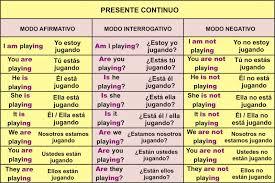
- Para formar el presente continuo se utiliza el verbo auxiliar "to be" y el gerundio (infinitivo + "-ing") del verbo
- EJEMPLO
- I am talking, eating, learning, doing, going...
- FRASES AFIRMATIVAS
- Sujeto + verbo auxiliar ("to be") + gerundio ("-ing").
- FRASES NEGATIVAS
- Sujeto + verbo auxiliar ("to be") + auxiliar negativo ("not") + gerundio ("-ing").
- FRASES INTERROGATIVAS
- Verbo auxiliar ("to be") + sujeto + gerundio ("-ing")?
- EJEMPLO
- USOS
- El presente continuo se utiliza para hablar sobre algo que está pasando en el momento en el que hablamos. Expresiones de tiempo tales como "now", "right now" and "at the moment" indican el presente continuo.
- Para formar el presente continuo se utiliza el verbo auxiliar "to be" y el gerundio (infinitivo + "-ing") del verbo
Images and files in the map
Information
- Description
- Mind Map on TIEMPO PRESENTE , created by Bivon Lorenzo on 08/02/2015.
- Created by
- Bivon Lorenzo · Feb 2015
- Updated
- Feb 19, 2016
- Views
- 5
- Rating