
Mind map
Septic Shock

Map content
Septic Shock
Diagnosis (Vaughan et al., 2016)
- Acute oliguria; urine output < 0.5 ml/kg/h
- Lactate levels: greater than 2 mmol/L
- as a result of tissue hypoxia
- MAP less than 65 mmHg
- how well organs are working
- Persistent hypotension despite fluid resuscitation and the need for vasopressors
- SBP < 90 mmHg
- O2 saturation < 93 %
- unexplained metabolic acidosis
- pH < 7.35 & bicarb < 20 mmol/l
- Dx Studies
- Hemodynamic monitoring
- 12-lead ECG
- Blood cultures
- Should be obtained before antibiotic tx. However antibiotic tx should not be delayed
PATHOPHYSIOLOGY (Lewis et al. 2014)
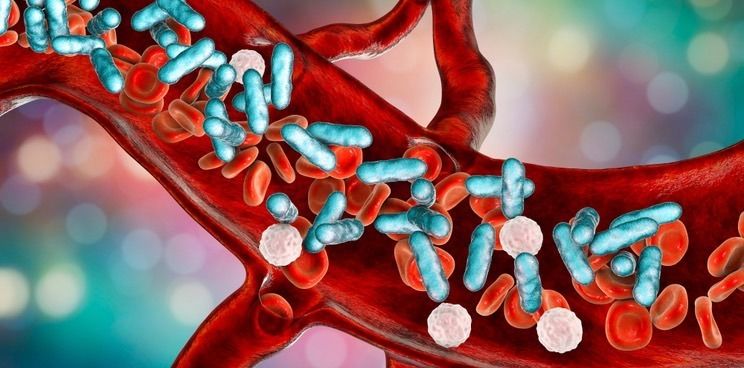
- Bacteria: the release of endo/exotoxins
- body defense system effectively destroys bacteria
- GOOD
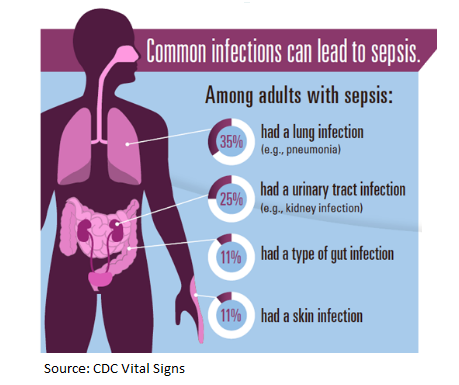
- gram-negative, gram-positive bacteria & fungal infections are common
- Body's response to infection results in systemic S/S of widespread inflammation
- Patients at Risk:
- Immunocompromised
- The elderly & neonates
- Surgical procedures
- Indwelling devices
- organ transplant
- Pregnant women
- chronic illness
- body defense system effectively destroys bacteria
- Evolution of Sepsis
- SIRS
- SEPSIS: SIRS + infection
- SEVERE SEPSIS: Sepsis + end organ damage
- SEPTIC SHOCK: severe sepsis + hypotension
- release of large numbers of immune mediators
- r/t in widespread inflammation
- Peripheral vasodilation with hypotension, maldistribution of blood flow with hypoxia
- r/t in widespread inflammation
- Ultimately lead to death if not corrected in time!
- release of large numbers of immune mediators
- SEPTIC SHOCK: severe sepsis + hypotension
- SEVERE SEPSIS: Sepsis + end organ damage
- SEPSIS: SIRS + infection
- Stages of Shock
- 1. Initial Stage
- Shift from aerobic to anaerobic
- Lactic acid accumulation
- Shift from aerobic to anaerobic
- 2. Compensatory Stage
- Attempts aimed, patient recovers, otherwise the path continues
- Attempts made at maintaining homeostasis
- Attempts aimed, patient recovers, otherwise the path continues
- 3. Progressive Stage
- Decreased CO
- Anasarca
- Decreased cellular perfusion & capillary permeability
- Changes in mental status
- 4. Refractory Stage
- waste products accumulation such as lactate, urea, ammonia, CO2
- 1. Initial Stage
- SIRS
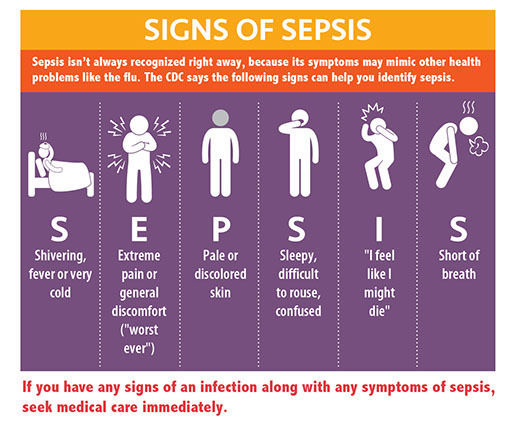
- Clinical Manifestations
- Cardiovascular
- tachycardia HR > 100
- weak pluses
- Hypotension
- capillary refil < 2 sec
- tachycardia HR > 100
- Pulmonary
- crackles
- tachypnea
- shortness of breath
- Renal
- Decrease urine output
- Skin
- cyanosis
- pallor
- cool/clammy
- Neurological
- Anxiety
- Confusion
- Gastrointestinal
- Nausea & Vomiting
- Decrease bowel sounds
- Cardiovascular
- Bacteria: the release of endo/exotoxins
THE NURSING PROCESS (Vaughan et al., 2016)
- 1. ASSESSMENT
- Identify what stage of septic shock patient is in!
- Assess patient's ABCD
- AIRWAY
- Patent airway?
- +/- patient talking
- Potential obstructer's
- BREATHING
- breath sounds
- chest expansion
- depth & rate
- O2 saturation
- CIRCULATION
- pulse (rhythm & depth)
- capillary refil
- blood pressure
- colour of skin
- urine output
- DISABILITY
- consciousness/responsiveness
- pupil size/equality/reactivity
- GCS
- AIRWAY
- Hx: events leading to shock
- onset & duration of symptoms
- 2. PLANNING
- NURSING GOALS
- Adequate tissue prefussion
- Restoration of baseline blood pressure
- Restoration of organ function
- Avoidance of complications from prolonged states of hypoperfusion
- NURSING GOALS
- 3. IMPLEMENTATION
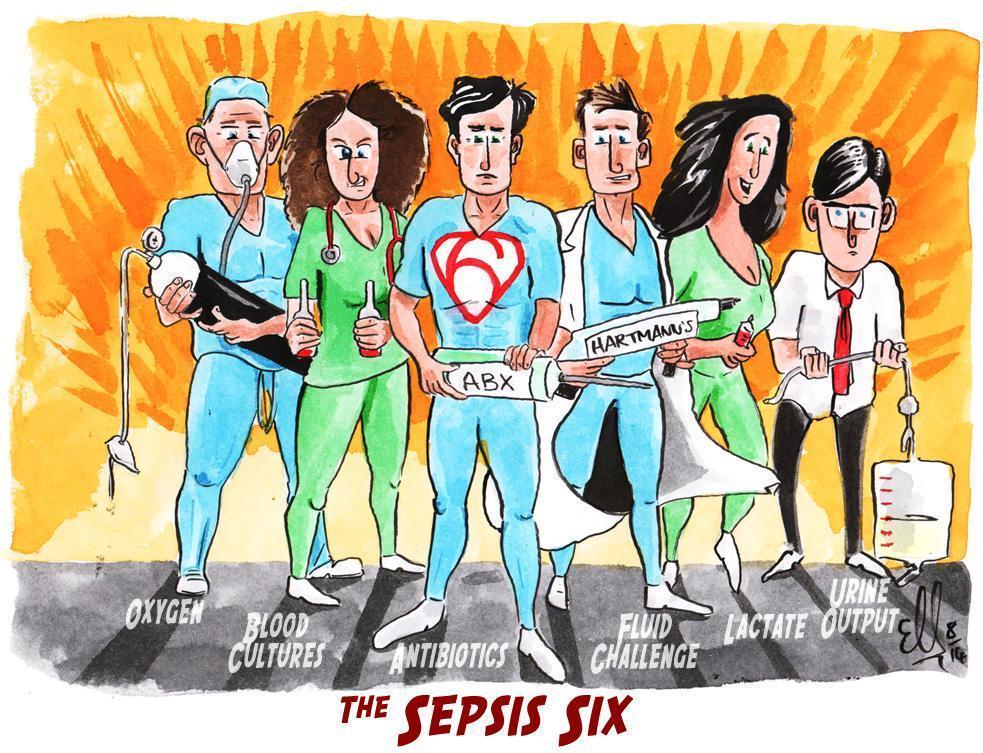
- 3 Hour Sepsis Bundle
- Serum lactate measurements
- Blood cultures
- Adminster broad spectrum antibiotics
- Do this as fast as possible
- Fluid resuscitation:crystalloid fluid for hypotension
- To restore prefussion
- COLLABORATIVE CARE INTERVENTIONS
- provide supplemental O2
- Initiate intubation
- Hemodynamic mointoring
- Enteral nutrition
- 6 Hour Sepsis Bundle
- Re-measure lactate levels
- Administer Vasopressors to maintain MAP 65 mmHg or higher
- dopamine
- Provide emotional support to family & patient
- Address any anxiety, fear, or pain
- These symptoms can aggravate respiratory distress!
- Provide education regarding procedures to decrease anxiety
- Inform family about patient status
- Active listening
- provide culturally sensitive care
- Address the spiritual needs of family & patient
- Address any anxiety, fear, or pain
- supportive care
- Monitor temperature
- Pressure ulcer prophylaxis
- Control blood glucose levels
- DVT prophylaxis
- 3 Hour Sepsis Bundle
- 4. EVALUATION
- Evaluate patient status and the effectiveness of interventions
- Neurological assessment qH
- Monitor urine output qH
- ECG mointoring
- Continuos SpO2
- Monitor temperature q15 mins
- Evaluate patient status and the effectiveness of interventions
- 1. ASSESSMENT
PREVENTION (Vaughan et al. 2016)
- Identify those at risk!
- Carefully monitor for the development of infections
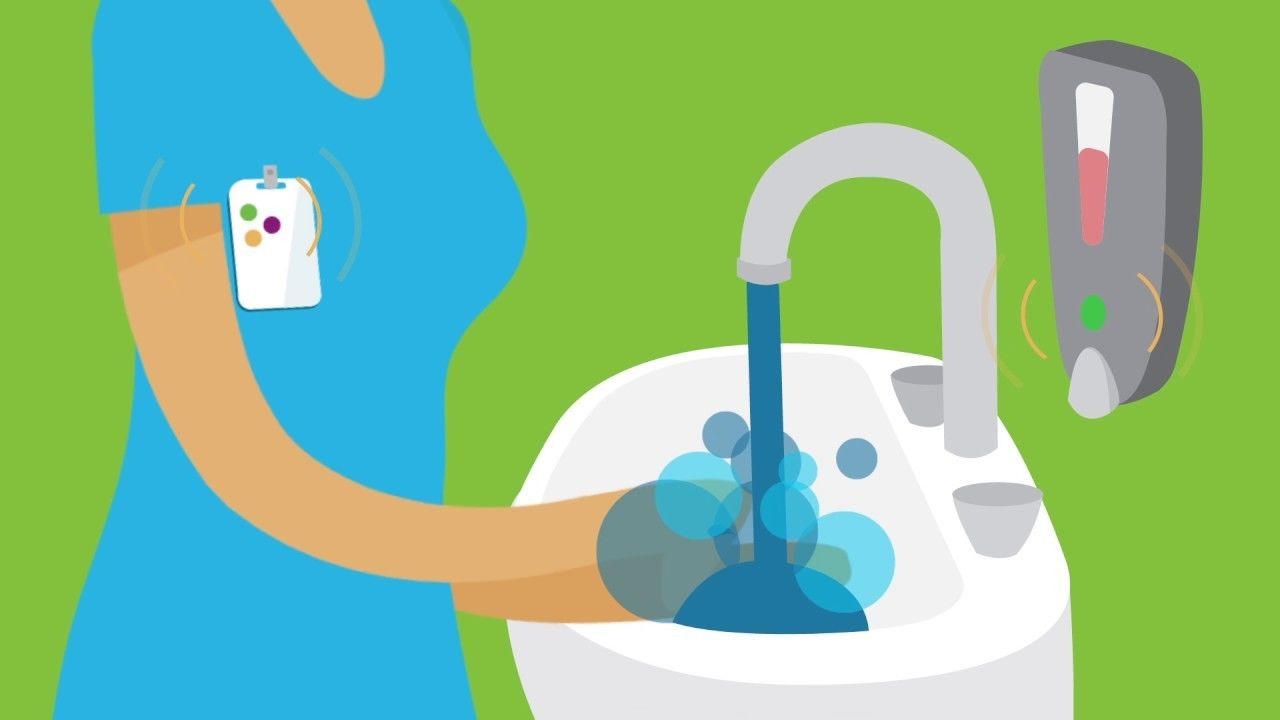
- Strict hand-washing regime!
- Patient teaching opportunity: teach patient proper hand washing technique
- Patient Education
- Avoid cold/flu
- Vaccinations: flu shot
- Oral care
- Smoking cessation
- Diet
- Personal hygiene
- Avoid cold/flu
- Patient Education
- Patient teaching opportunity: teach patient proper hand washing technique
- Aseptic technique
- Decreasing then number of indwelling catheters
- Sterilizaiton of equipment
Images and files in the map


Information
- Description
- Mind Map on Septic Shock, created by Mariam Oliva on 27/10/2019.
- Created by
- Mariam Oliva
- Views
- 8
- Rating