Mind map
Color Theory
Map content
Color Theory
Understanding Color
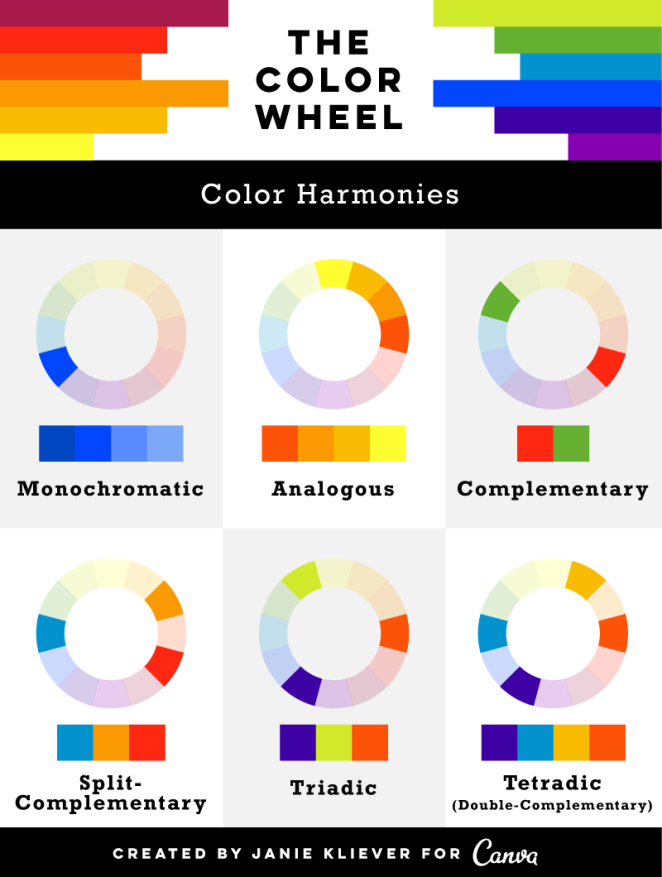
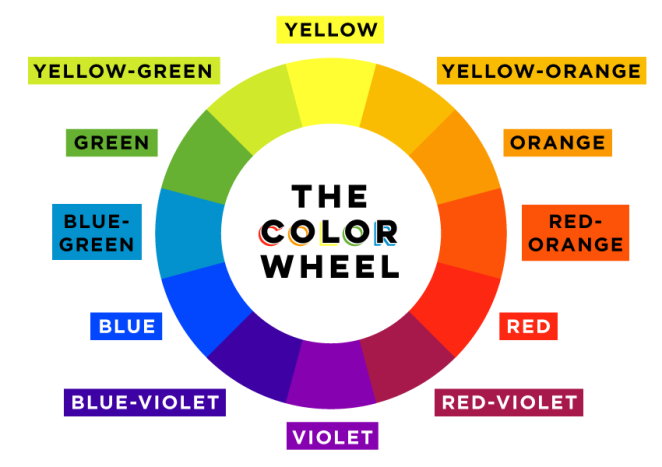
- The Color Wheel
- Color Terms
- Hue: synonymous with “color” or the name of a specific color; traditionally refers to one of the 12 colors on the color wheel
- Shade: a hue darkened with black
- Tone: a hue dulled with gray
- Tint: a hue lightened with white
- Saturation: refers to the intensity or purity of a color
- Value: refers to the lightness or darkness of a color
- Color Harmony
The Psychology of color
- Symbolism
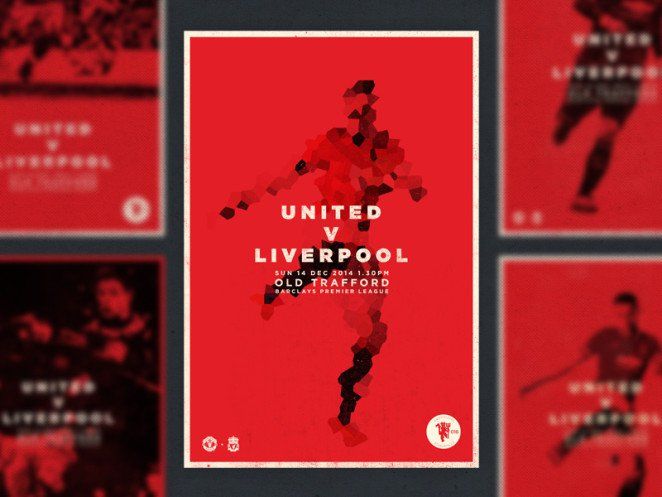
- Red
- it can represent warmth — or danger. Since red is also the color of blood, it’s considered an energetic, lively color and is also associated with matters of the heart, and sometimes violence.
- Orange
- Also a fiery color, orange combines the warmth of red with the cheerfulness of yellow for a hue that communicates activity, energy, and optimism. It’s also associated with the harvest or autumn season.
- Yellow
- •Yellow often communicates happiness, cheerfulness, friendliness, and the freshness of spring. It can also signal warning or caution in certain contexts.
- Green
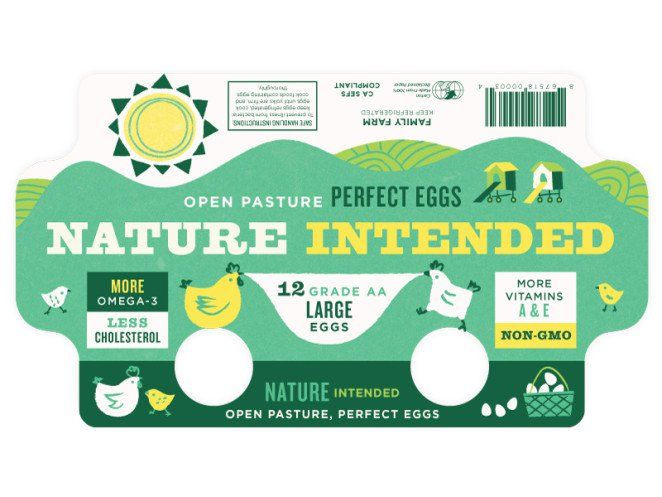
- This is the color of nature, plant life, and growth. As such, it often communicates health, freshness, or an “all-natural” quality
- Blue
- Blue: The color of the sea and sky, blue often communicates peaceful, clean qualities.
- Purple
- Purple is traditionally associated with royalty, majesty, or honor. It can also have spiritual/mystical or religious connotations.
- Black
- It can represent power, luxury, sophistication, and exclusivity. It can symbolize death, evil, or mystery. In apparel, black generally communicates formality (“black tie” parties) or mourning/sorrow (as the color traditionally worn to funerals).
- White
- white often represents purity, innocence, goodness, or perfection
- Red
- Symbolism
Color In Design
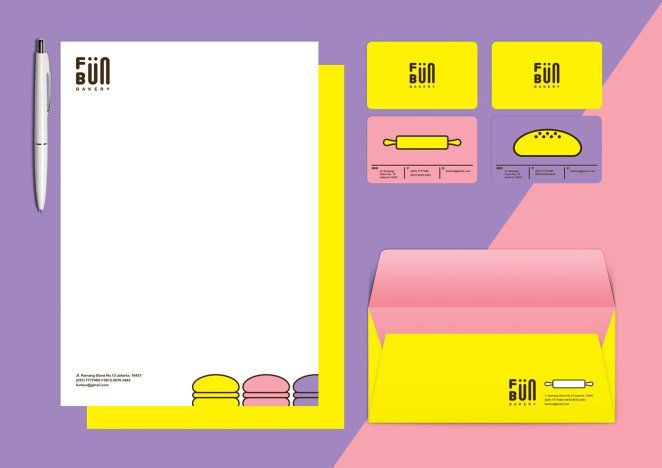
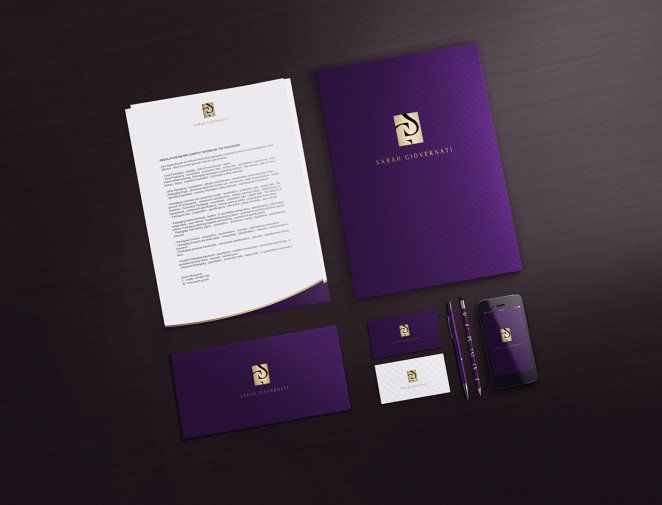
- Color in Marketing & Branding
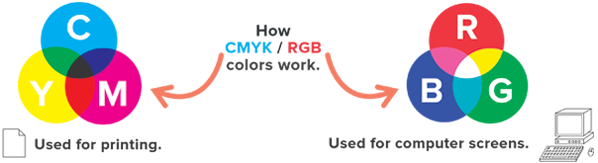
- RGB vs. CMYK Color Systems