
Mind map
Cloud Computing
Map content
Cloud Computing
What is?
- 1. On-demand self-service
- 2. Access to the network
- 3. Resource pooling
- 4. Elasticity
- 5. Resource usage monitored and billed
Benefits
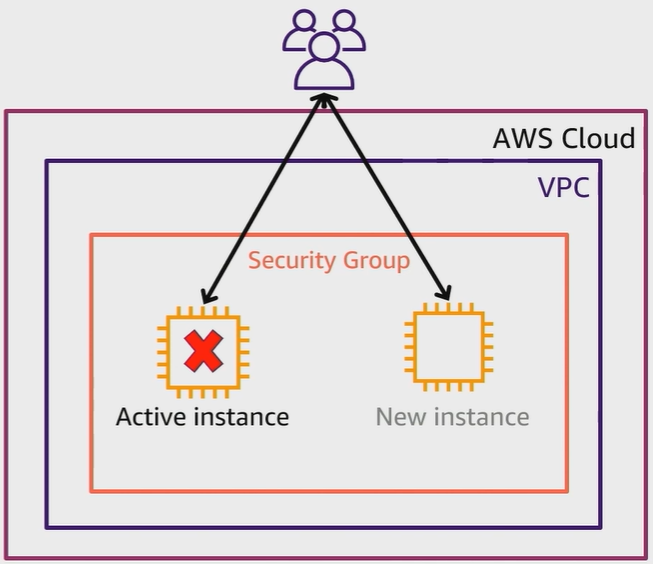
- High Availability
- Designing for high availability means designing for minimal downtime
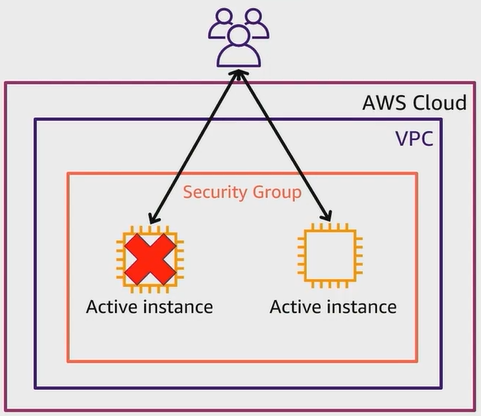
- Fault Tolerance
- Designing for fault tolerance means designing for zero downtime
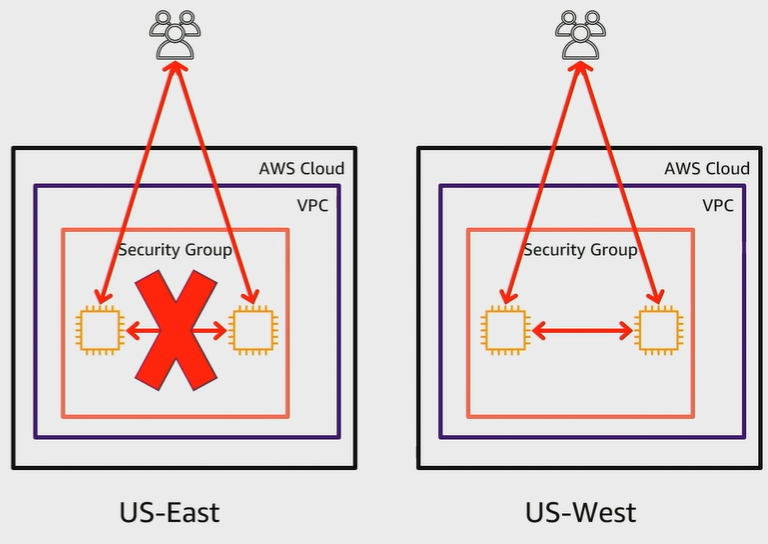
- Disaster Recovery
- Designing for disaster recovery means designing for systems to operate through a disaster
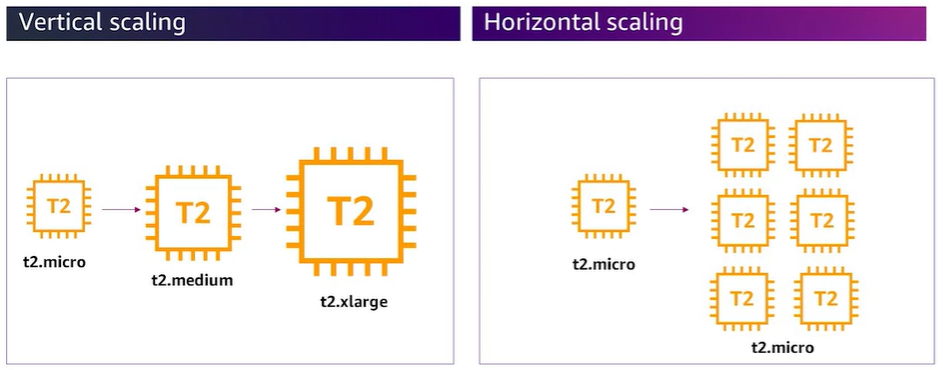
- Scaling
- Vertical Scaling
- Adding more CPU and memory. But with small disruption because needs to be rebooted
- Horizontal Scaling
- Distribute the load with instances with including new copies of the same instance. Usually cheaper
- Vertical Scaling
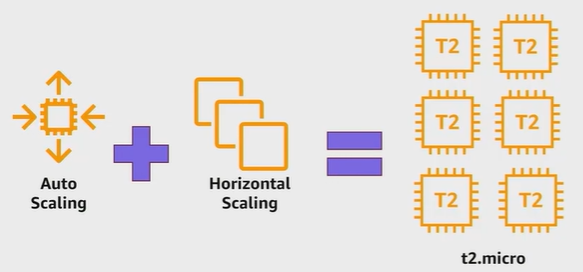
- Elasticity
- Using automation and horizontal scaling
- High Availability
Design Principles
- AWS Well-Architected Framework
- Operational Excellence
- Perform operations as code
- Make frequent, small, reversible changes
- Refine operations procedures frequently
- Anticipate failures
- Learn from all operational failures
- Security
- Implement a strong identity foundation
- Maintain traceability
- Apply security at all layers
- Automate security best practices
- Protect data in transit and at rest
- Keep people away from data
- Prepare for security events
- Reliability
- Automatically recovery from failure
- Test recovery procedures
- Scale horizontally to increase aggregate workload availability
- Stop guessing capacity
- Manage change in automation
- Performance Efficiency
- Democratize advanced technologies
- Go global in minutes
- Use serverless architectures
- Experiment more often
- Consider mechanical sympathy
- Cost Optimization
- Ability to run systems to deliver business value at the lowest price point
- Sustainability
- Understand your impact
- Establish sustainability goals
- Maximize utilization
- Anticipate and adopt new, more efficient hardware and software offerings
- Use managed services
- Reduce the downstream impact of your cloud workloads
- Operational Excellence
- AWS Well-Architected Framework
Migration Strategies
- Retire
- Means to decomission or remove the server from the environment
- Retain
- Means to keep the server in the current environment without moving the server to the AWS Cloud
- Rehost
- Means to move the server to the AWS Cloud without making any changes to the server
- Relocate
- Similar to rehosting, but it's specifically for virtualized environments
- Repurchase
- Instead of migrating your existing application, you could choose to purchase a new, cloud-based version of the same software.
- Replatform
- Means to move the server to the AWS Cloud and make changes to optimize the server
- Refactor or re-architect
- This is a more involved approach where you significantly redesign your application to take full advantage of the cloud.
- Retire
Security and Compliance
- AWS WAF
- Web Application Firewall to help protect your applications from common exploits that could impact your application availability, compromise your security or consume excessive resources
- AWS GuardDuty
- Threat detection service to monitor for malicious activity ans unauthorize behavior
- AWS Shield
- Managed DDoS protection service to help safeguard your applications running on AWS
- AWS Artifact
- Provides on-demand access to security and compliance reports and select online agreements.
- Amazon Inspector
- Allows you to perform automated security assessments on your applications
- Amazon CloudWatch
- Used for monitoring and collecting operational data
- AWS CloudTrail
- Used to log events related to AWS resource creation and management
- AWS Config
- Used to take inventory and current configurations and audit resources to ensure they maintain correct configurations
- AWS IAM
- IAM Users
- Associated usernames and passwords, multiplefactor authentication
- IAM Groups
- Permisions were AWS acces are taken
- IAM Roles
- Temporary credentials
- IAM Policies
- Can applied to user or roles
- IAM Users
- AWS WAF
Images and files in the map
Information
- Description
- Mind Map on Cloud Computing, created by Laura Mendoza on 10/07/2024.
- Created by
- Laura Mendoza
- Views
- 0
- Rating