
Mind map
Ethernet LAN´S
Map content
Ethernet LAN´S
Topologies
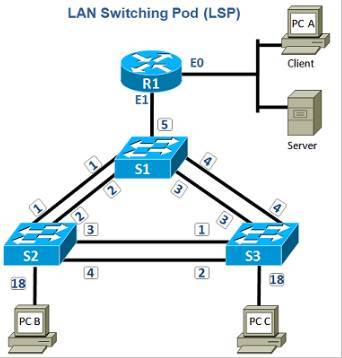
- Modern Ethernet LANs use a star topology (physical topologies refers to the shape of the network). In a simple Ethernet LAN, all the devices connect to a single LAN switch.
- MAC Address
- IEEE defines MAC addresses as 48-bit numbers usually written in hexadecimal (hex). Each hex digit represents 4 bits (MAC address = 12 hex digits). Examples of how MAC address expressed
- Building Ethernet LANs
- UTP links: Maximum 100 meters. Multimode links: Several hundred meters (3-6). Single mode links: Several kilometers (30-60)
- Distance Considerations
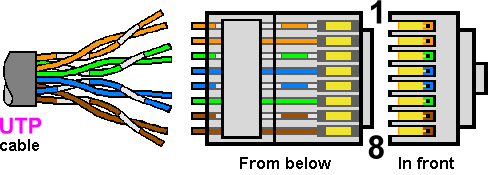
- UTP Pinouts
- LAN Switching
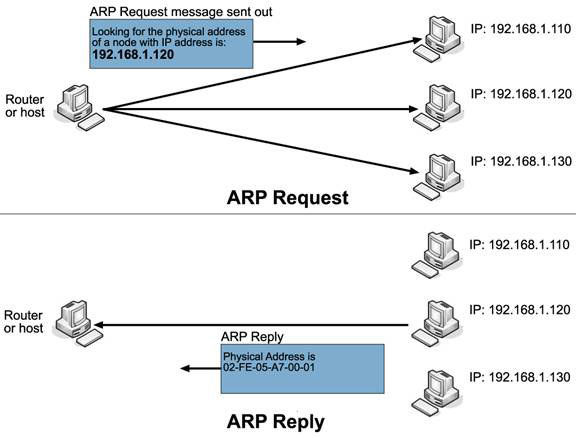
- ARP
- •The Address Resolution Protocol (ARP) is used to resolve a logical (IP) address to a physical (MAC) address. •This protocol is used often when new routes are needed or a new IP address is encountered by your network device where traffic needs to be routed.
- Duplex Auto-Negotiation
- Duplex setting on link determines whether to use half-duplex or full-duplex. Devices can negotiate duplex setting with auto-negotiation. Modern LANs use full duplex, but if older hubs exist on network, links have to auto-negotiate.
- Switch Learning
- Switches build MAC address tables two ways Entries manually typed into MAC address table Switch learns MAC addresses by reading frames that pass through it
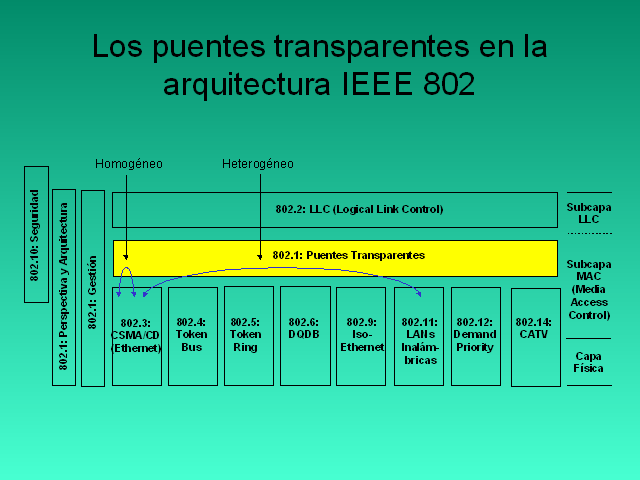
Characteristics defined by the IEEE 802 standards committee
- Bandwidth Access CSMA/CD technology Channel Bonding Topology OptionsMedia Types
- Ethernet Bit Rates
- Wired vs. Wireless
- LAN vs. WAN
- Distances
- Standard Names
- Wired vs. Wireless
Defining Ethernet LANs
- Ethernet: Originally developed as LAN technology. Connect end-user devices in one site with devices relatively close by Each LAN site connects to WAN via router. Ethernet standards kept growing to support faster speeds and longer cabling distances.
- Defining Ethernet LANs
- Late 1970s: End of proprietary standards. LAN standards all start with IEE Standard 802.
- Other Standards
- •802.1 (especially as it relates to switching technologies). •802.3 Ethernet CSMA/CD •802.11 Wireless •On a lesser level, you will want to be familiar with these: •802.5 Token Ring CSMA/CA (decreasing in importance) •802.9 Integrated Voice and Data (increasing in importance) •802.10 Network Security (increasing in importance)
- 802.5
- 802.3
- 802.2
Principles of Ethernet
- •Ethernet was first developed by Xerox Corporation. The original intent was to create a technology to allow computers to connect with laser printers.
Images and files in the map

Information
- Description
- Ethernet: Originally developed as LAN technology Connect end-user devices in one site with devices relatively close by Each LAN site connects to WAN via router Ethernet standards kept growing to support faster speeds and longer cabling distances Modern Ethernet networks might be LANs or WANs Companies generally own their own LANs
- Created by
- Jemay Ospina
- Views
- 56
- Tags
- Rating