Mind map
Diabetes Type 1 Mind Map

Map content
Diabetes Type 1 Mind Map
What is it?
- No insulin production (Mayo Clinic, 2016)
- The role of insulin
- Pancreas secretes insulin into the bloodstream (Mayo Clinic, 2016)
- Insulin circulates, allowing sugar into the bloodstream (Mayo Clinic, 2016)
- Insulin decreases the amount of sugar in the bloodstream (Mayo Clinic, 2016)
- As blood sugar levels drop, so does the secretion of insulin from the pancreas (Mayo Clinic, 2016)
- Insulin decreases the amount of sugar in the bloodstream (Mayo Clinic, 2016)
- Insulin circulates, allowing sugar into the bloodstream (Mayo Clinic, 2016)
- Pancreas secretes insulin into the bloodstream (Mayo Clinic, 2016)
- The Role of Glucose
- 2 major sources: food, liver
- Sugar is absorbed into the bloodstream, where it enters cells with the help of insulin
- The liver stores glucose as glycogen
- When glucose decreases, liver converts stroed glycogen into glucose to keep the glucose levels at and within a normal range
- The liver stores glucose as glycogen
- Sugar is absorbed into the bloodstream, where it enters cells with the help of insulin
- 2 major sources: food, liver
- The role of insulin
- Due to autoimmune disorder: destruction of beta cells int he pancreas. (Mayo Clinic, 2016)
- Insulin Pump: worn outside of body, tube connects to reservoir of insulin that's inserted under the skin the abdomen (Mayo Clinic, 2016)
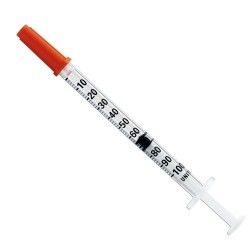
- Needles, insulin pens
- Regular insulin: Humalin 70/30, Novolin 70/30, Novolin N, Humolog R (Mayo Clinic, 2016)
- Long acting: Lantus, Levemir (Mayo Clinic, 2016)
- Regular insulin: Humalin 70/30, Novolin 70/30, Novolin N, Humolog R (Mayo Clinic, 2016)
- Exact cause unknown (Diabetes Association of Canada, 2016)
- No insulin production (Mayo Clinic, 2016)
Symptoms
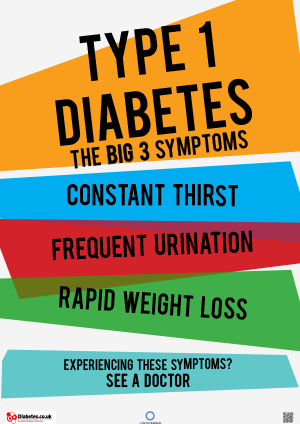
- Increased thirst (Mayo Clinic, 2016)
- Frequent urination (polyuria) (Mayo Clinic, 2016)
- Bedwetting in children with no previous history of bedwetting (Mayo Clinic, 2016)
- Extreme hunger (Mayo Clinic, 2016)
- Unintended weight loss (Mayo Clinic, 2016)
- Blurred vision (Mayo Clinic, 2016)
- Irritability, fatigue/weakness (Mayo Clinic, 2016)
Risk Factors
- Family history - parent/sibling (Mayo Clinic, 2016)
- Genetics: certain genes increase risk (Mayo Clinic, 2016)
- Geography: the more further away from the equator (Mayo Clinic, 2016)
- Age: two notable peaks - 4-7yrs old & 10-14yrs old (Mayo Clinic, 2016)
- Virus exposure: Epstein Barr, Coxsackie virus, mumps. cytomegalovirus (Mayo Clinic, 2016)
Tests for Diagnosing
- Islet cell cytoplasmic autoantibodies (American Diabetes Association, 2016)
- A1C: glycated hemoglobin, takes average blood sugar levels for the past 2-3 months. An A1C level of 6.5 percent or higher on two separate tests indicates you have diabetes.(American Diabetes Association, 2016)
- Random blood sugar test: random blood sugar level of 200 mg/dL (11.1 mmol/L) or higher suggests diabetes (American Diabetes Association, 2016)
- Checking blood sugar: before meals/snacks, before bed, before exercising and driving (American Diabetes Association, 2016)
- Daytime sugars before meals: 70-130 mg/dL (3.9-7.2 mmol/L) (American Diabetes Association, 2016)
- After meals no higher than 180 mg/dL (10mmol/L) (American Diabetes Association, 2016)
- Checking blood sugar: before meals/snacks, before bed, before exercising and driving (American Diabetes Association, 2016)
- Fasting blood sugar test: blood sugar level from 100 to 125 mg/dL (5.6 to 6.9 mmol/L) considered prediabetes. 126 mg/dL (7 mmol/L) or higher on two separate occasions, have diabetes. (American Diabetes Association, 2016)
- Presence of ketones: byproduct from the break down of fat in urine (American Diabetes Association, 2016)
Complications
- Pregnancy complications: high risk for birth defects if poorly controlled first 6-8 wks of pregnancy (Canadian Diabetes Association, 2016)
- Hyperglycemia: sustained blood sugar over 7 mmol/l or 126 mg/dL is diagnostic (Canadian Diabetes Association, 2016)
- Freq. urination, increased thirst, blurred vision, fatigue, hunger, irritability, difficulty concentrating (Canadian Diabetes Association, 2016)
- Hypoglycemia: 3.9 mmol/L or 70 mg/dL) is diagnostic (Canadaian Diabetes Association, 2016)
- Early signs: sweating, shaking, hunger, dizziness, rapid/irregular HR, fatigue, headache, blurred vision (Canadaian Diabetes Association, 2016)
- Late signs: mistaken for alcohol intoxication - lethargy, confusion, behavior changes, poor coordination, convulsions (Canadaian Diabetes Association, 2016)
- Early signs: sweating, shaking, hunger, dizziness, rapid/irregular HR, fatigue, headache, blurred vision (Canadaian Diabetes Association, 2016)
- Diabetic Ketoacidosis: increased ketones in urine. (Canadaian Diabetes Association, 2016)
- Nausea, vomiting, abdominal pain, sweet/fruity breath smell, weight loss (Canadaian Diabetes Association, 2016)
- Check urine with OTC ketones test kit: if large amounts of ketones are in urine, seek emergency care (Canadaian Diabetes Association, 2016)
- Nausea, vomiting, abdominal pain, sweet/fruity breath smell, weight loss (Canadaian Diabetes Association, 2016)
- Heart disease, stroke, diabetic retinopathy, celiac disease, diabetic peripheral neuropathy
Treatment
- NO CURE!!! (Canadian Diabetes Association, 2016)
- Pancreas Transplant: life time of potent immune suppressing drugs to prevent organ rejection. Usually reserved for those with difficult to manage diabetes (Mayo Clinic, 2016)
- Stem cell transplant (Mayo Clinic, 2016)
- Exercise: 30 mins anaerobic activity (Canadian Diabetes Association, 2016)
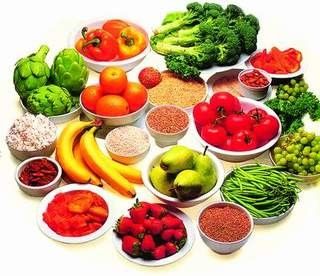
- Nutrition: decrease fat, increase fibre (Canadian Diabetes Association, 2016)
- Maintaining a healthy weight (Canadian Diabetes Association, 2016)
- Managing stress (Canadian Diabetes Association, 2016)
- Schedule yearly physical exam and regular eye exams (Canadian Diabetes Association, 2016)
- Identify yourself, wear an ID medical bracelet (Canadian Diabetes Association, 2016)
- Keep immunizations up to date - increased blood sugar weakens the immune system (Canadian Diabetes Association, 2016)
- Pay attention to feet - daily wash with luke warm water and moisturize. Check for any cuts, blisters, sores, redness (Canadian Diabetes Association, 2016)
- Get BP/cholesterol under control to decrease kidney damamge (Canadian Diabetes Association, 2016)
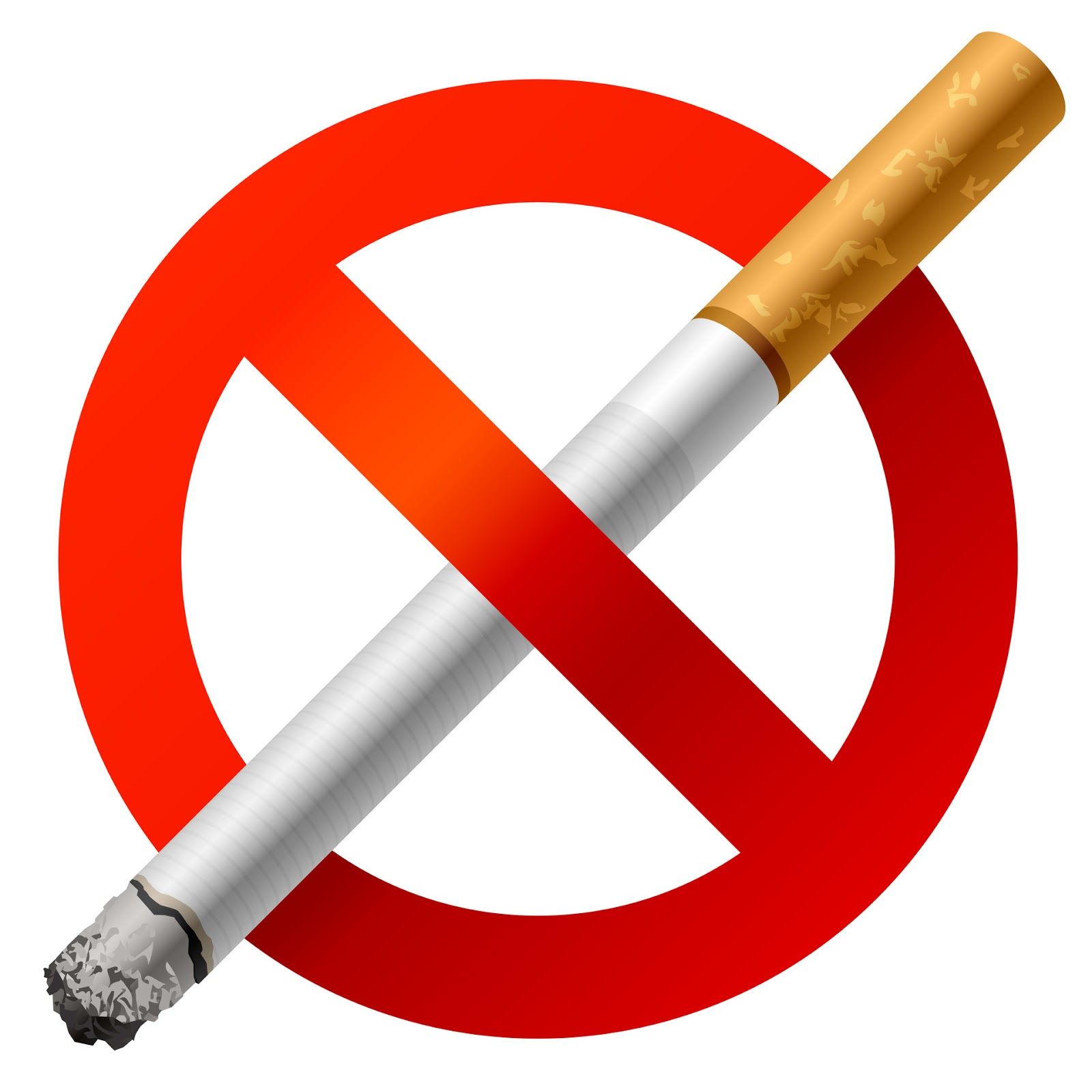
- quit smoking
Nursing Interventions
- Stress of acute illness/surgery
- Check BG (blood glucose) q4h if BG >14 mmol/L – urine test for ketones. Continue with meds administration as prescribed. Continue with regular meal plan Extra insulin may be required (Michel, 2014)
- Diabetic Ketoacidosis (DKA)
- Monitor patient closely for: BG, urine for output/ketones, lab tests, IV fluids to correct dehydration. Insulin therapy, Electrolytes therapy: Potassium imbalance. (ECG) Assess: VS-for fever, hypovolemic shock, tachycardia and Kussmaul’s breathing. Renal status, cardiovascular (related to hydration), electrolyte levels , LOC (Michael, 2014)
- Hypoglycemia (BG <4 mmol/L)
- Mild/moderate: Administer 15—20 g of simple carb, repeat in 15 min Administer complex carbs with protein or fat if next meal 1h away Notify physician immediately is symptoms do not subside (Michael, 2014)
- Severe hypoglycemia: Subcutaneous or intramuscular injection of 1 mg glucagon IV of 20-50 ml of dextrose 50% in water given over 1-3min (Michael, 2014)
- Stress of acute illness/surgery
Figure 4. Illustration of main symptoms of Diabetes type 1. Adapted from “Diabetes Mellitus type 1” by Wikipedia, 2016, Wikipedia.org. Retrieved October 27, 2016, from https://en.wikipedia.org/wiki/Diabetes_mellitus_type_1
Figure 5. Illustration of diabetic needle. Adapted from “Insulin Needles & Syringes” by Bandageer, 2016, bandager.info. Retrieved October 27, 2016, from http://bandageer.info/insulin-needles-and-syringes/
Figure 1. Illustration of Healthy Diet. Adapted from “Five best tips for breast cancer prevention” by E. Woods, 2013, EzineMark.com. Retrieved October 27, 2016 from http://health.ezinemark.com/five-best-tips-for-breast-cancer-prevention-7736346520c2.html. Copyright (c)2005-2013 by EzineMark.com.
Figure 2. Illustration of physical activity. Adapted from “Five best tips for breast cancer prevention” by E. Woods, 2013, EzineMark.com. Retrieved October 27, 2016, from http://health.ezinemark.com/five best-tips-for-breast-cancer-prevention-7736346520c2.html. Copyright (c)2005-2013 by EzineMark.com.
Figure 3. Illustration of anti-smoking. Adapted from “Need to quit smoking” by Wordpress, 2016, Needtostopsmoking.com. Retrieved October 27, 2016, from http://needtoquitsmoking.com/great-tips-quit-smoking/