
Notes
Batch and Continuous Processes
Content of the notes (5)
Page 1
Batch or Continuous?
Continuous Processes
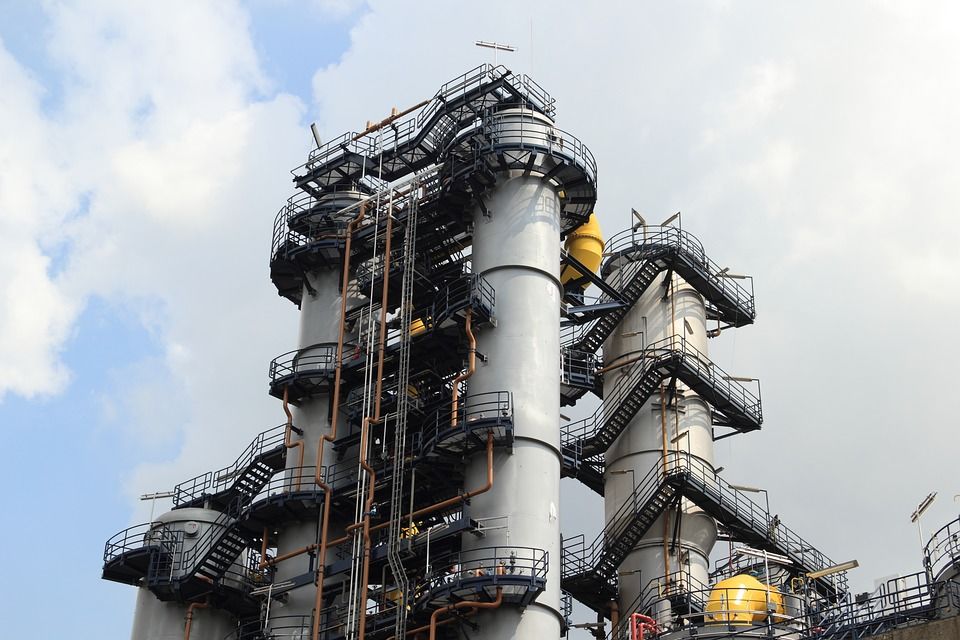
A chemical that is needed in large quantities is usually manufactured using a continuous process. Production is happening all the time.
Example: The Haber Process is a continuous process used to manufacture ammonia.
Batch Processes:
Speciality chemicals are usually manufactured using batch processes. Production is not happening all the time.
Speciality chemical: A chemical that is manufactured in small amounts or only as needed
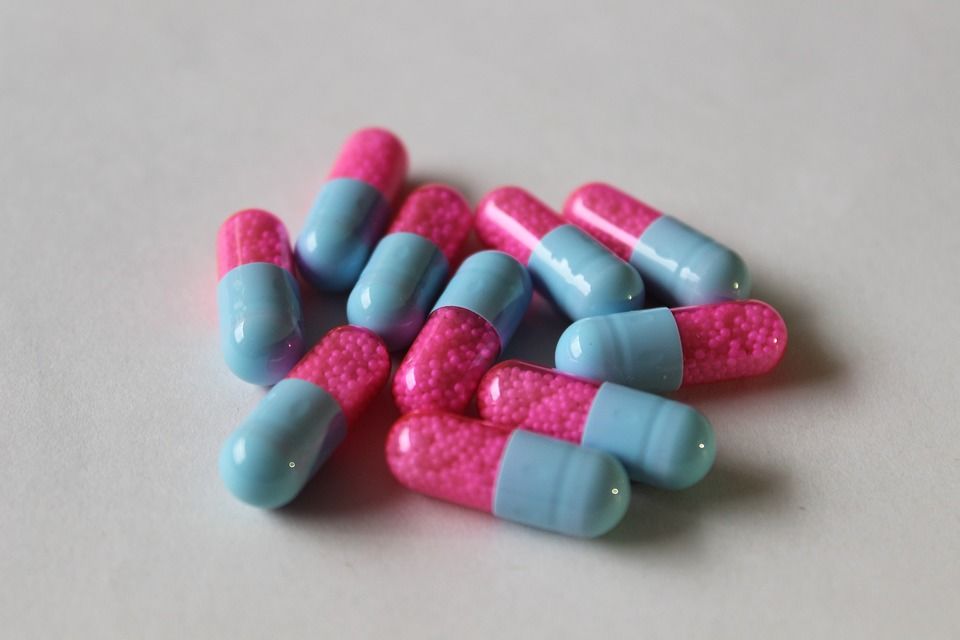
Example: Batch processes are often used to manufacture pharmaceuticals.
Page 2
Comparing Processes
Both batch and continuous manufacturing have advantages and disadvantages.
A comparison of the two processes is outlined in the table below.

Page 3
Chemicals from Plants
Raw materials for speciality chemicals such as pharmaceuticals can be either made synthetically or extracted from plants.
Chemicals are extracted from plants through:
Crushing - To break down the plant material
Boiling and dissolving in a suitable solvent
Chromatography - To separate the different chemicals in the plant
Page 4
Manufacturing Pharmaceuticals
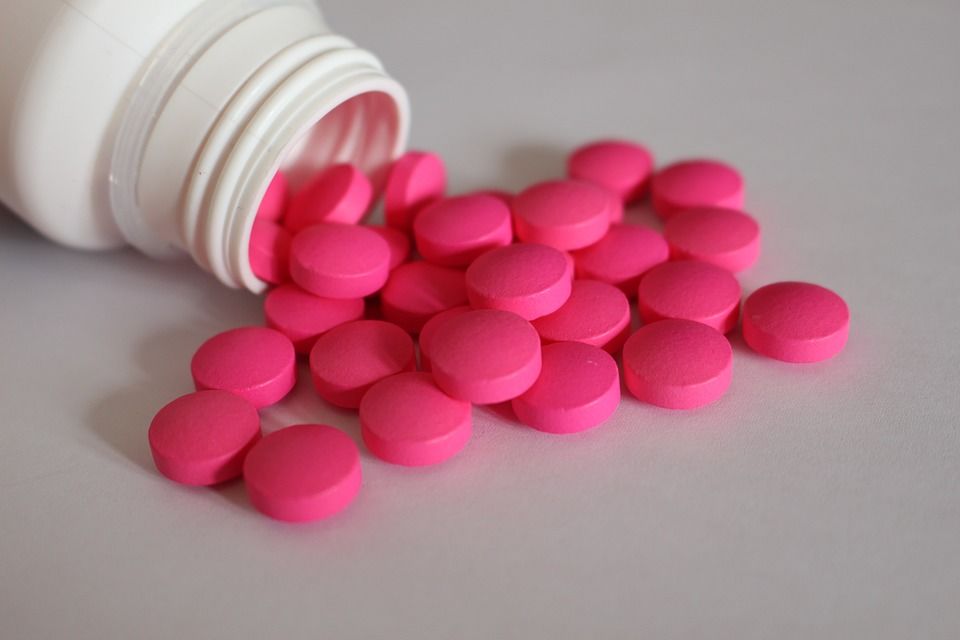
Several factors affect the cost of making and developing a pharmaceutical drug. These include:
Research and testing
Labour costs
Energy costs
Raw materials
Time taken for development
Marketing
Pharmaceutical drugs must be thoroughly tested before they can be licensed for use. They are tested in the laboratory to make sure they are not toxic, they are tested on animals and finally they are tested on humans in controlled clinical trials. These trials aim to show if the drug is effective and if there are any harmful side effects.
Most substances do not pass all the tests and trials, so pharmaceutical development is time-consuming and expensive.
Most human drug trials are safe, but they are not without risk. There have been a number of trials that uncovered dangerous and unexpected side effects.
Page 5
Purity
It is vital that pharmaceuticals are as pure as possible.
This reduces the chance of adverse side effects.
It also makes it easier to ensure that the patient has received the intended dose.
The purity of a compound can be established from its melting point, its boiling point or Thin Layer Chromatography.
If a sample has high purity, it will melt or boil close to the known melting/boiling point.
If a sample has low purity, it will melt or boil over a wide range of temperatures .
The presence of an impurity usually:
Lowers the melting point
Raises the boiling point
Thin layer chromatography is similar to paper chromatography, but instead of paper, a thin layer of powder is coated onto a glass or plastic plate. Different powders and solvents are used, depending on the type of substance being separated. The results for a pure substance should show that:
The substance produces just one spot on the plate
The distance travelled by the substance is identical to a known sample of that substance on the same plate
Information
- Description
- User has deleted their subject information Note on Batch and Continuous Processes, created by Deleted user on 02/08/2017.
- Created by
- Deleted user
- Views
- 118
- History
-
- Created by Niamh Ryan · Jul 31, 2017
- Copied by Niamh Ryan · Aug 2, 2017
- Rating