
Lenin: Economy and Society
Slides in this set (9)
-
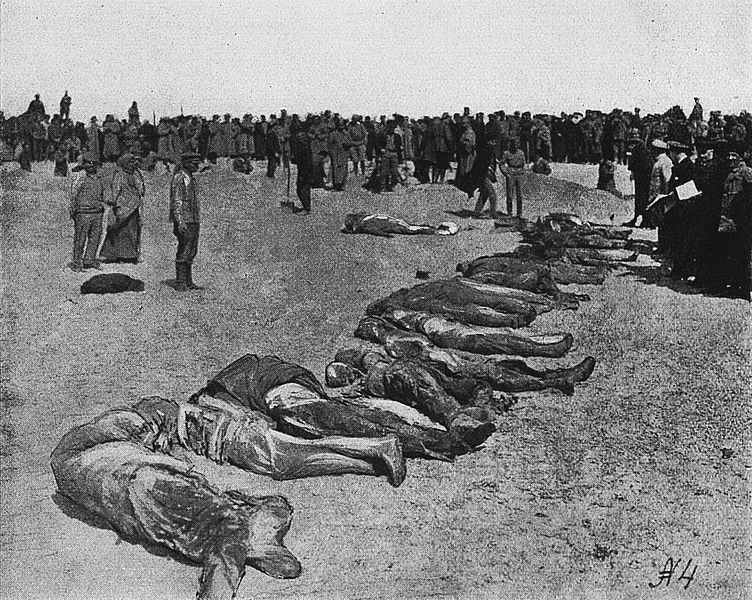
- The Cheka (secret police) led by Felix Dzerhinsky began a policy of rooting out any opposition to Lenin and Communism. The means of treating the opposition was violence. Moreover, anyone who cooperated with the White Army during the Civil War would be punished or executed.
- After Dora Kaplan made a failed assassination attempt on the life of Lenin in August 1918, the period of oppression became more severe. It was a period of systematic terror to ensure the continuation of Lenin's rule.
- Between 1918 and 1922, an estimated 140,000 people were executed by the Cheka. Many were executed directly, while the majority died working away in gulags (forced labour camps). This time of quashing opposition was known as the 'Red Terror'.
-
- The aim of the new Communist government was to organise a new system of industry and food supply under their control. They were met with dual aims in 1918:
- To keep the Red Army supplied with food and weapons
- Introduce a communist system to share wealth
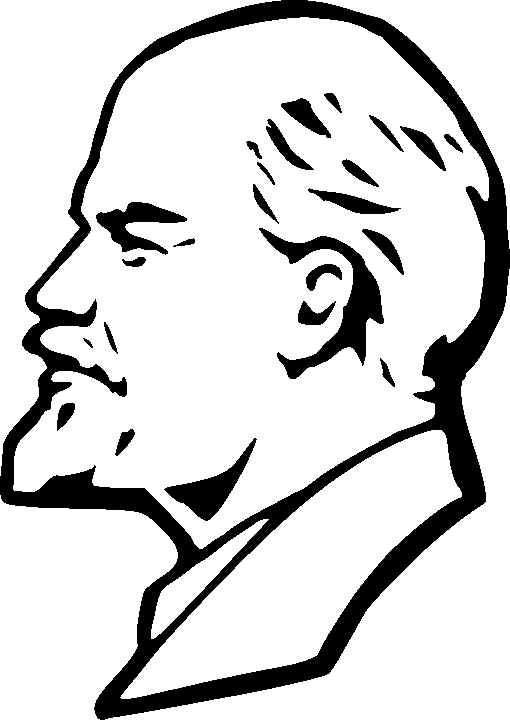
- These measures together were part of Lenin's policy of War Communism.
-
- All factories that contained more than ten workers were nationalised. Then, the government body known as the Vesenkha indicated how much each industry should produce.
- All workers came under the control of the government. Military discipline was introduced in factories.
- Private trading was barred. If peasants made any surplus food it went to the government. They were not allowed sell surplus for profit.
- Money lost its value through inflation - the government banned rent, railway fares and many services requiring monetary payments.
- Food was strictly rationed in cities
- War Communism succeeded in its aim of keeping the Red Army supplied. However, it failed to share the wealth of Russia equally. Where did the problem arise though?
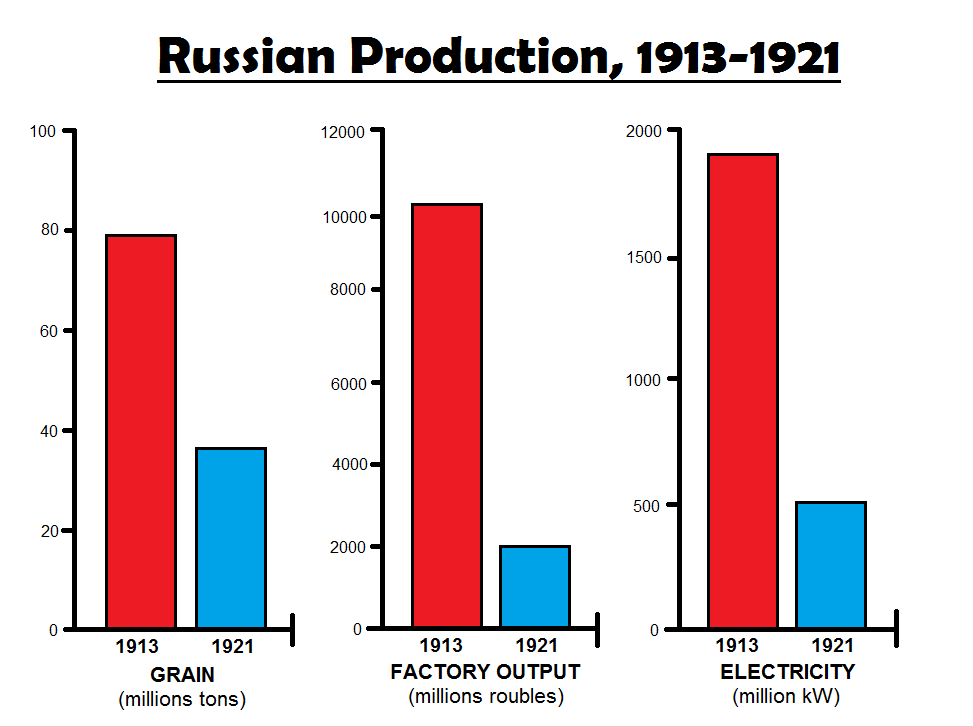
- Since the new system took away the opportunity to make profits, peasants began to grow less crops than what they needed for subsistence. So a result of this was a food shortage in 1920 and a devastating famine in 1921.
-
- “…War Communism was not just a response to the civil war; it was also a means of making civil war…the policies of War Communism were seen by the Bolsheviks as an instrument of struggle against their social or ‘internal’ enemies”. - Orlando Figes
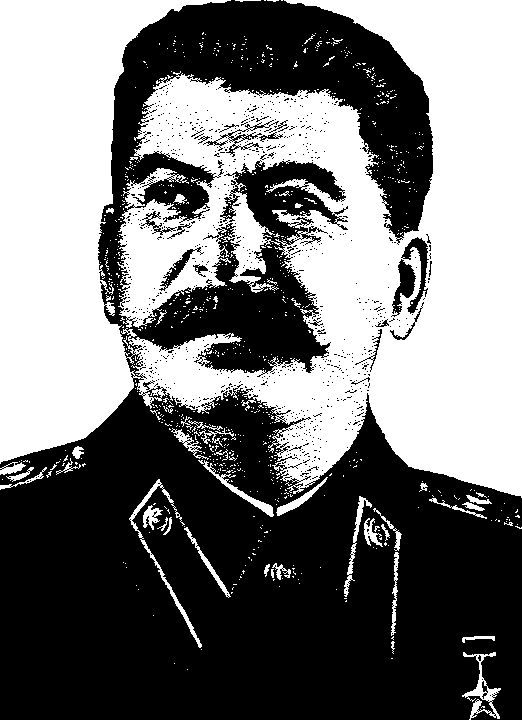
- "The best times then were considered to be the days on which we could distribute to the workers of Leningrad and Moscow one-eighth of a pound of black beard, and even that was half bran. And this continued... for two years" - Joseph Stalin
- Caption: Joseph Stalin
-
-
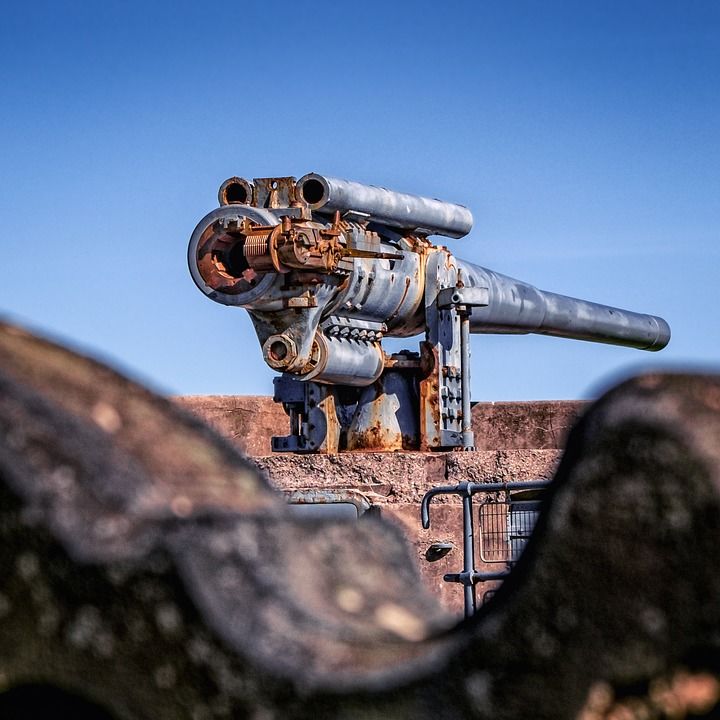
- In March 1921, a revolt of 10,000 sailors at Kronstadt occurred. This was a naval base located near Petrograd. Kronstadt was continually loyal to the Bolsheviks since the October Revolution. However, the sailors believed that War Communism was not what was promised by the Bolsheviks when they seized power. Therefore, they decided upon plans to attack Petrograd.
- Trotsky and his Red Army surrounded the naval base with 60,000 troops. They bombed the base and attacked the headquarters of the sailors. Many of the died, the rest were captured and executed by the Cheka.
- The Kronstadt revolt may have been dealt with, certainly in a very bloody manner, but Lenin believed that he needed to change policies in order to prevent any more uprisings from occurring. In 1921, Lenin abandoned his policy of War Communism in favour of his New Economic Policy (NEP).
-
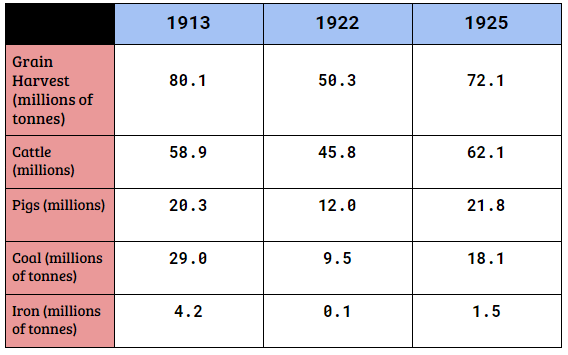
- Caption: Results of the New Economic Policy
- In March 1921, the NEP was introduced:
- Peasants were allowed to sell their surplus for profit once again
- Peasants who produced greater amounts of food would pay less taxes
- Factories with less than 20 workers would be given back to their owners
- People were allowed use money once again
- These changes shocked many Bolsheviks. Many claimed that Lenin had sold out for capitalism and was taking steps backwards from a communist state. Lenin believed that taking this step back was necessary for communism to strive forward in the country.
- The figures on the left demonstrate that the NEP was successful at bringing growth back into Lenin's communist state.
-
- After winning the Civil War in 1921, Lenin had established a Communist dictatorship in Russia:
- Communist party membership rose to 700,000 in 1921
- All government power was in the hands of party members
- All opposition had been purged out of sight
- March 1921: Lenin announced an end to factionalism within the party
- Further, when the Civil War was over the Bolsheviks took control of many parts of the former Russian Empire. These were then organised into socialist republics, with the main body of governance from Moscow.
- 1923: Lenin organises the four republics; Russia, Byelorussia, Transcaucasia and the Ukraine into a united state
- This state was called the Union of Soviet Socialist Republics (USSR)
- 1924: The USSR agreed on a ruling constitution
- One party was permitted in this united state - the Communist Party
-
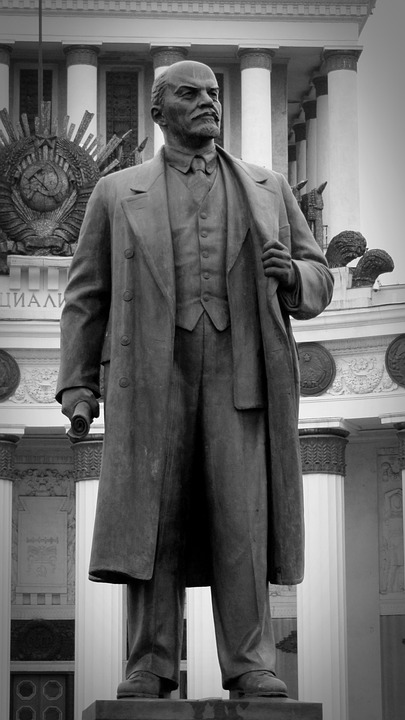
- After suffering a series of strokes, Lenin's daily involvement in USSR political life ended. In December 1923, he penned his 'Last Testament', he reflected on his achievements and detailed the future of the Soviet Union. He criticised all his potential successors:
- Grigori Zinoviev and Lev Kamenev were condemned for opposing the October Revolution 1917
- Nikolai Bukharin was too young and too academic
- He admired Trostsky, yet claimed he was selfish, arrogant and incapable of working with others
- Recommended that Joseph Stalin be removed from is post in the party
- Lenin was one of the most famous figures in Russian history. Various figures have interpreted his rule differently. One famous British Prime Minister, Winston Churchill, argued "Their (Russian people) worst misfortune was his birth and their next worst was his death".
Information
- Description
- User has deleted their subject information Slide Set on Lenin: Economy and Society, created by Deleted user on 30/08/2017.
- Created by
- Deleted user · Aug 2017
- Updated
- Aug 30, 2017
- Views
- 91
- History
-
- Created by Andrew Burke · Aug 25, 2017
- Copied by Andrew Burke · Aug 30, 2017
- Rating