
Development of the Cold War 3
Slides in this set (5)
-
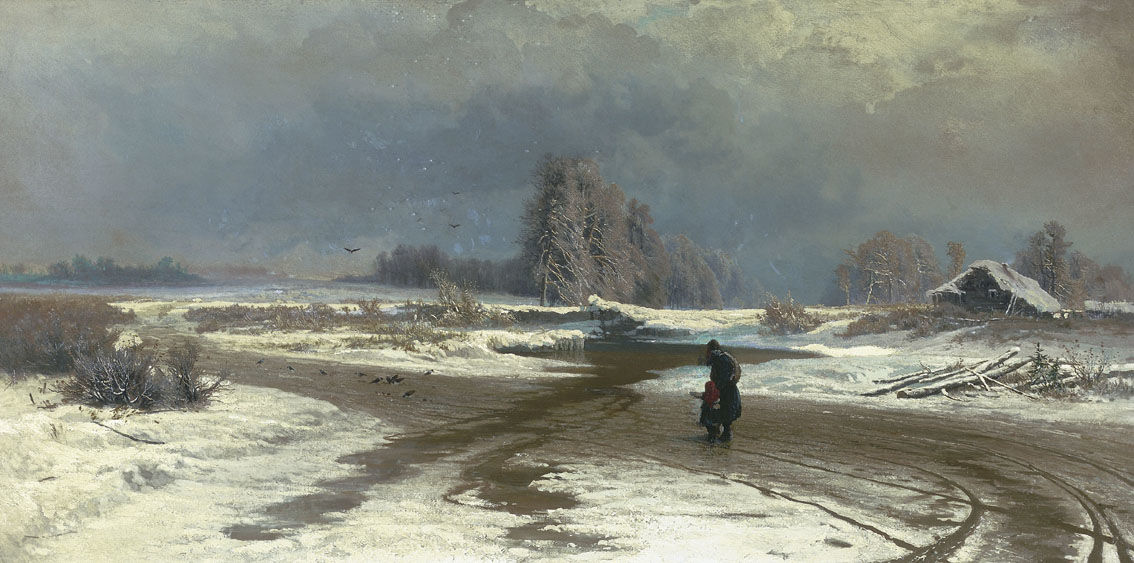
- The Thaw refers to the period of history that followed the death of Stalin from 1953 to 1964.
- The notion of ‘thaw’ connected with Nikita Khrushchev being the first secretary of the Central Committee of the Communist Party of the Soviet Union.
- During this period, positive changes occurred with fewer repressions and rehabilitation of those sentenced to gulags (slave labour camps) during the Stalin era. With a slight weakening of the totalitarian regime.
- As Khrushchev grew in power, the ‘thaw’ was associated with the denouncement of the personality cult and repressions of Josef Stalin.
-
- After massive anti-communist uprisings in 1953 in the German Democratic Republic (GDR), in Poland in 1956 and after suppression of the Hungarian uprising in 1956, party administration of the USSR, scared of the possible liberalization of political regime, started active resistance to the processes of destalinization.
- Khrushchev began another wave of destalinization in 1961, but the central regime remained unchanged.
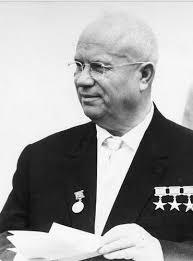
- Caption: Nikita Khrushchev
-
- The Hungarian revolution began on October 23, 1956, as a peaceful student protest, which grew into a workers revolt
- The peaceful demonstration was a support gesture to the anti-communist protests taking place in Poland at the time
- The protest movement moved towards a radio building, where protesters wanted to address the nation and make their demands public
- The radio headquarters was guarded by the AVH (Secret Police), who opened fire on the protesters trying to force their way into the building
- In retaliation, people all over Budapest began destroying symbols of Communism
- During the night, Gero, general secretary of the Communist Party, called Soviet authorities to help with military intervention
- While the Khrushchev was making a decisions about what to do - a new government was formed and former Prime Minister Imre Nagy took control
- The new national government lasted 10 days
- The new government drew up new policies:
- The secret police were dissolved
- Nagy announced his intention to withdraw from the Warsaw Pact
- Many political prisoners were released from jail and old political parties resurfaced
- The Soviet Union entered Hungary on November 4th, and the revolution is crushed by 11th
- 13,000 were sent to prison and several hundred, including Nagy, were executed
-
- With increasing tensions between the two powers (US & USSR) - a summit was arranged in Paris for peace negotiations. Shortly before the summit, an American spy plane was shot down over Russia and the summit collapsed.
- 1 May 1960 - thirteen days before the summit - an American U2 spy plane was shot down over Russia and the pilot, Gary Powers, was captured
- The US tried to claim it was a weather plane, but were forced to admit it was a spy plane
- The summit was meant to happen on the 14 May, beforehand Khrushchev demanded an apology from Eisenhower
- Eisenhower refused and Khrushchev went home
- This created substantially more dangerous relations for the Cold War
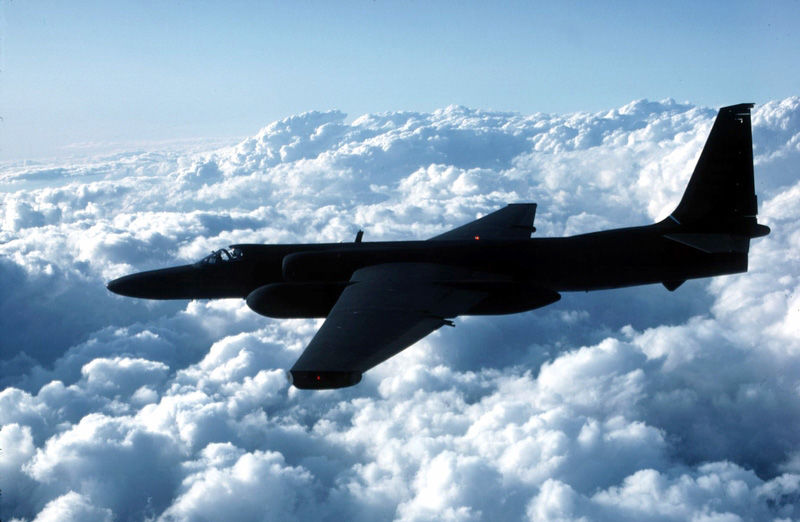
- Caption: U2 Spy Plane
-
U2 Crisis and the Peace Process
- How did the U2 Crisis affect the peace process?
- The Paris meeting collapsed and so there was no Test Ban Treaty on nuclear weapons
- No discussion over Berlin, which paved the path for the Berlin Wall
- The incident was seen as a defeat for the US, Kennedy promised to get tougher with the Soviets, compared to Eisenhower
Information
- Description
- User has deleted their subject information Slide Set on Development of the Cold War 3, created by Deleted user on 01/09/2017.
- Created by
- Deleted user · Sep 2017
- Updated
- Sep 1, 2017
- Views
- 31
- History
-
- Created by Andrew Burke · Jul 4, 2017
- Copied by Andrew Burke · Sep 1, 2017
- Rating