
Notes
Post-op
Content of the notes (6)
Page 1
Nursing diagnosis statements
Made up of
Nursing diagnosis
'Related to' factor
Evidence for this
E.g. Risk of dehydration as related to lack of fluid intake, evidenced by 500 ml intake only in last 24 hours according to FBC.
Page 2
Post-op obs
Following discharge from PACU to the ward, the ward nurse will perform a primary ABCDEFGHI assessment, as well as head to toe.
Observations (vital signs) will be recorded also, according to hospital policy/ surgeon guidelines
Generally (if a patient is stable these are):
Every 15 minutes for the first hour
Every 30 minutes for the next two hours
and then once an hour for the subsequent four hours
Page 3
Surgeon's post operative orders
These guide the nurse in the post-operative care of the patient
activity level
diet
medications including antibiotics
frequency of obs
any IVFs that need administering
laboratory tests to be conducted
Most institutions require a re-order since the person's condition has changed post-surgery
Page 4
Nursing care of common post-op complications
CARDIOVASCULAR
Shock
- provide emergency assistance as required.
Haemorrhage
An excessive loss of blood.
Nursing care:
Applying one or more gauze pads and a firm pressure dressing to the area
Applying pressure with gloved hands
Preparing person and their family for emergency surgery
DVT
Formation of a thrombus in association with inflammation in deep veins
Most common in lower extremities of post-op patient
Common assessment findings in those with DVT:
Pain/cramping in the involved calf or thigh
Redness, tenderness, warmth, discolouration of the skin and oedema of the entire extremity may occur with a slightly elevated temp
May have positive Homan's sign
Pain in the calf on dorsiflexion of the foot
Suspected DVT can be confirmed by duplex doppler scans however some can be asymptomatic
Nursing care:
Administer anticoagulants as charted
Monitor path results for clotting times
Compression stockings or devices to stimulate venous returns
Educate the patient to not massage or rub affected area
Record bilateral calf/thigh circumference every shift
Neurovasc obs for affected limb each shift
RESPIRATORY
Pneumonia
inflammation of the lung tissue
Caused by microbial infection or foreign substance that leads to an infection.
Nursing care:
Sputum culture collection
Elevate head of the bed
Encourage turning, coughing and deep breathing every two hours
Assist with incentive spirometry & neb treatments as ordered
Ambulate the person as is permitted and prescribed
Administer oxygen as ordered
Maintain hydration to help with expectoration
Administer medication as ordered
Prevent spread of infection by teaching proper disposal of tissues
Atelectasis
Collapsed lung/incomplete expansion
Results in inadequate ventilation and retention of secretions
Assessment findings:
Dyspnoea
hypoxia
diminished breath sounds over affected area
anxiety/restlessness
crackles
cyanosis
Nursing care:
administer oxygen as prescribed
elevate bed head
encourage coughing deep breathing and turning every two hours
ambulation
hydration
analgesia
WOUND COMPLICATIONS
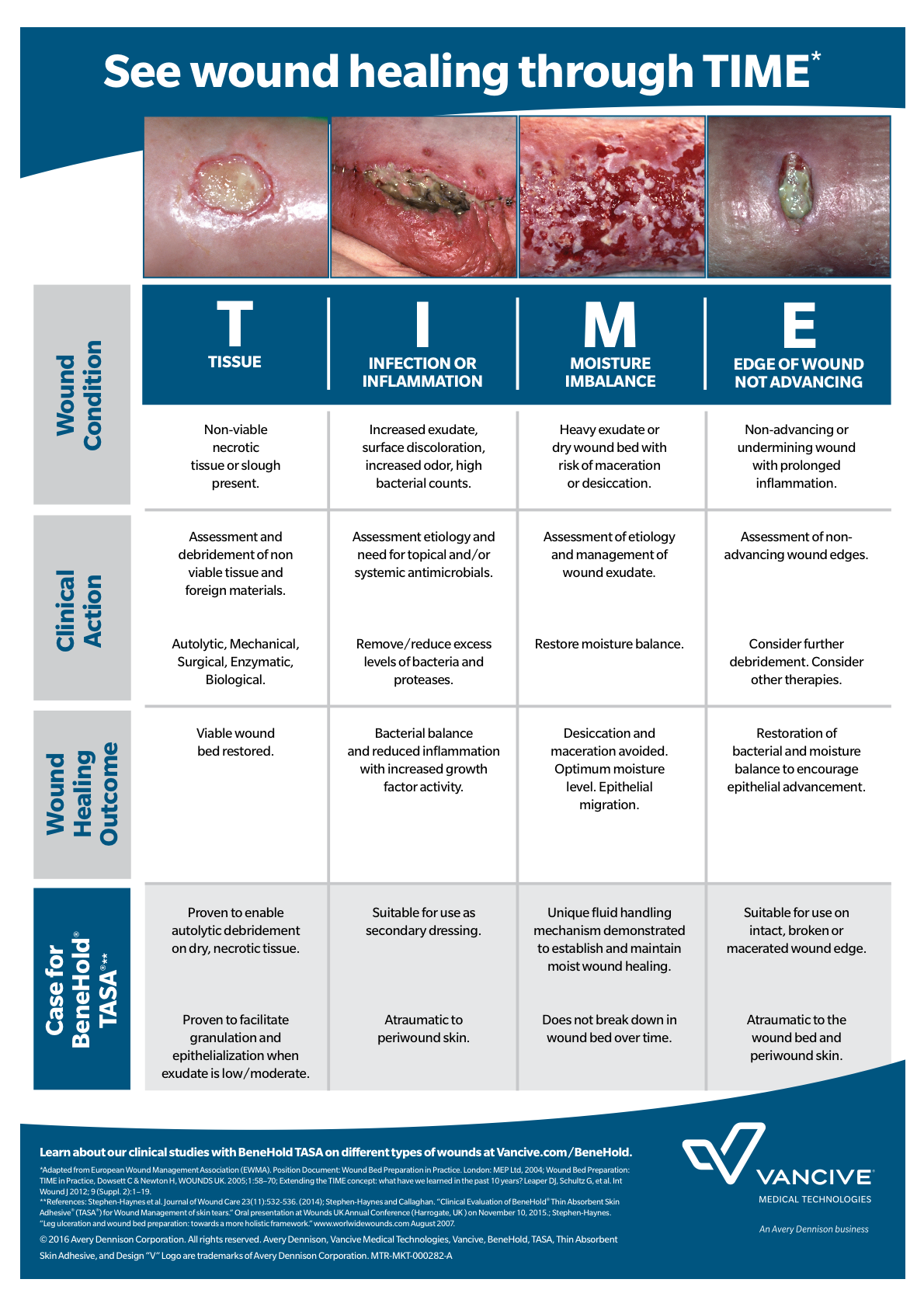
Wound healing intention
Primary intention
uncomplicated wounds that sustain little tissue loss. The edges are well-approximated with stitches or staples. Heals quickly with little scarring
Secondary intention
Large, gaping and irregular.
Tissue loss stops wound edges from approximating
Takes longer to heal, more infection prone and larger scarring.
Tertiary intention
If lots of time passes before a wound is sutured, tertiary intention will take place. The wound edges will not have taken place and the scar will be large. This can also occur if stitches are not well approximated or burst/ wound becomes dehisced.
Page 5
Wound healing
Stages
Stage 1
From surgery to day 2
Inflammatory process prepares tissue for healing.
Blood vessels constrict - clotting occurs
Plasma, WBCs and fibroplastin arrive at the wound site.
Mild temp ^ is normal
Stage 2
Day 3 - day 14
Fewer WBCs
Collagen tissue forms in the wound
Granulation tissues are established - red with a rich blood supply.
Wound exudate
Serous drainage
Contains mostly the clear serous portion of the blood. Appears clear or slightly yellow and thin in consistency.
Sanguineous drainage
combination of serum and RBCs and has a thick, reddish appearance. Most common drainage from non-complicated wound.
Purulent drainage
composed of WBCs, tissue debris and bacteria.
Result of infection
Thicker constency
Various colours -> specific to organism
Unpleasant odour
Other wound complications
Dehiscence is the separation of the layers in the incisional wound.
May require resuturing if deemed necessary.
Evisceration
Protusion of bodily organs from the wound dehiscence.

Page 6
Information
- Description
- User has deleted their subject information Note on Post-op, created by Deleted user on 06/06/2018.
- Created by
- Deleted user · Jun 2018
- Updated
- Jun 6, 2018
- Views
- 16
- History
-
- Created by Em J · Jun 6, 2018
- Copied by Em J · Jun 6, 2018
- Rating