
Notes
Ecosystems in the UK
Content of the notes (5)
Page 1
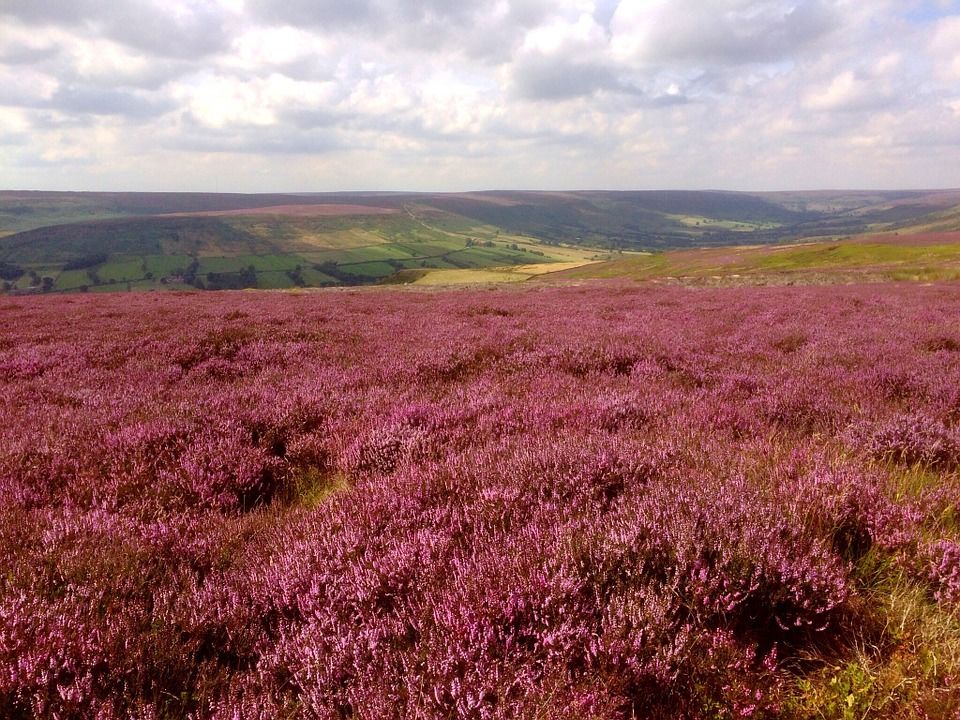
Moorlands
Moorlands are areas of land that are not intensively farmed.
They are generally upland areas with acidic, peaty soils and heavy rainfall.
There are very few trees; the main plants are small shrubs.
These ecosystems have been developed by people. Where land was once covered in trees, it was developed as an area to graze sheep.
In many areas, moors are burned to control the growth of plants.
Typical animals: red deer and foxes
Typical birds: buzzards and grouse
Typical plants: bell heather and bracken
Example: North Yorkshire
Page 2
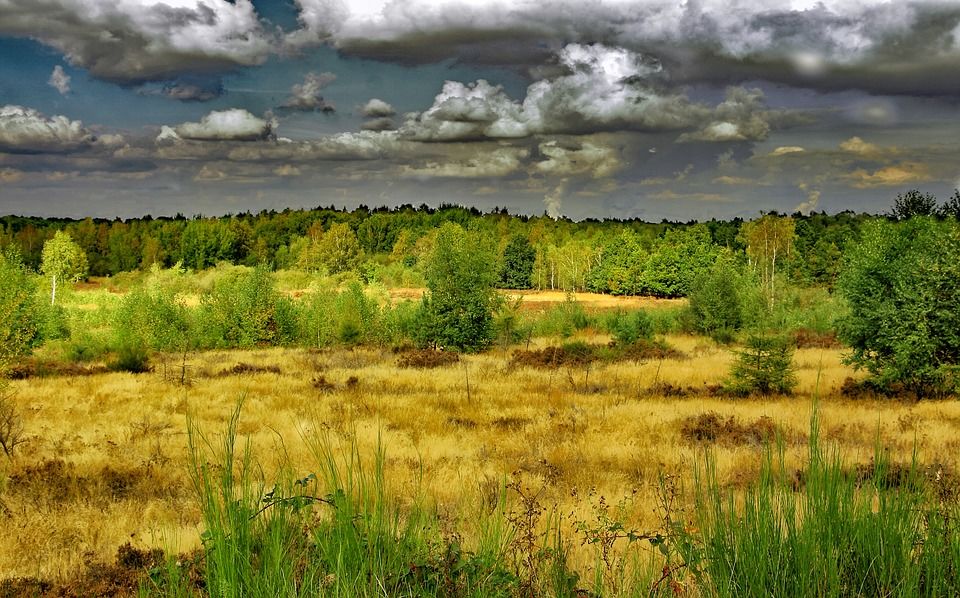
Heathland
Heathlands tend to be open countryside in lowland areas.
Soils are dry and sandy with depressions that can be peaty and boggy.
Sandy soil aids with draining but is often acidic.
Used for sheep grazing and building materials.
Small shrubs dominate, but there are also silver birch trees which will dominate if not controlled.
Typical animals: rabbits and hares
Typical birds: nightjar and skylark
Typical plants: heather and gorse
Example: Cornwall
Page 3
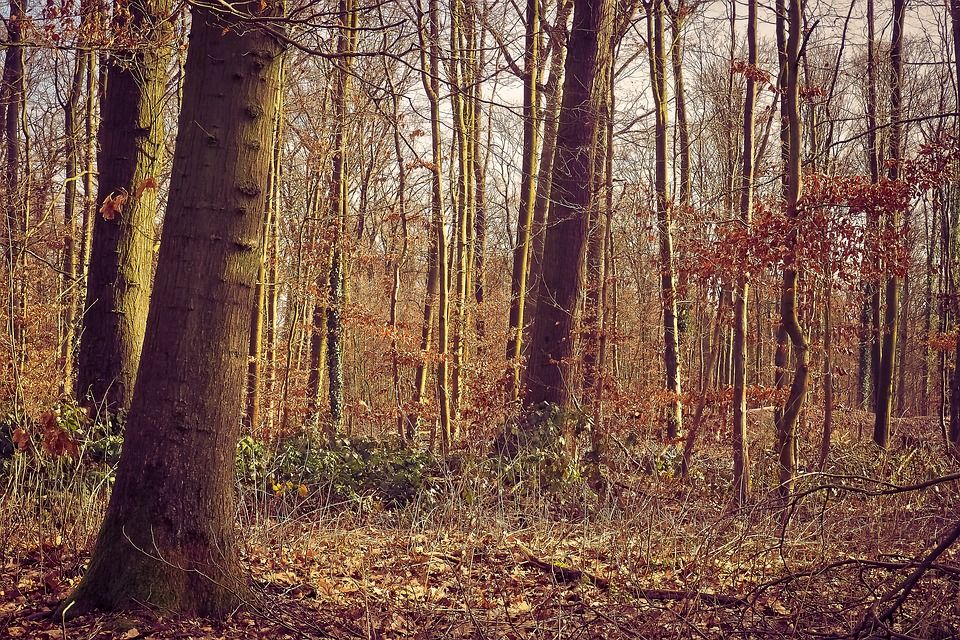
Mixed Woodland
Made up of deciduous and coniferous woodlands.
Trees are the dominant plant.
Deciduous trees provide plant litter and humus for soils.
Typical animals: roe deer and badger
Typical birds: sparrow hawk and tawny owl
Typical plants: trees, mosses and lichens, bluebells, and ferns
Example: The Lake District
Page 4
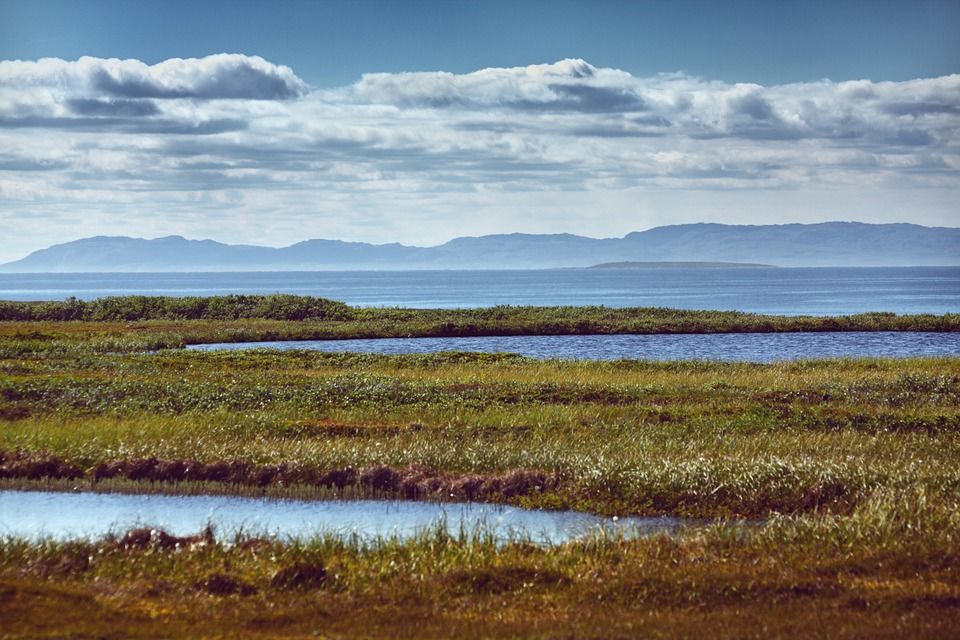
Wetland
Wetlands are low-lying land that is wet and boggy.
Some wetland areas are drained for agriculture, such as fens.
Fens have fertile soils that are sometimes waterlogged.
They support lush vegetation.
Typical animals: otters
Typical birds: mallard and teal
Typical plants: reeds and bulrush
Example: The East Anglian Fens
Page 5
Human modification of UK ecosystems
Humans regularly modify and exploit ecosystems for resources.
Agriculture requires the clearing of land for food production. Areas of farming are often closed off, interfering with the animals in the ecosystem. Pesticides and fertilisers can kill local species and affect local rivers, which in turn affects other ecosystems. The mechanisation of farming also has a huge impact on ecosystems.
The fishing industry degrades marine ecosystems. Pressure is put on supplies of resources through overfishing. It is important to care for marine ecosystems due to the high amount of value they provide; oil and natural gas, sand for construction, seafood, ports, and recreation.
Harnessing energy from wind farms, while significantly better than the use of fossil fuels, can damage local ecosystems. Spinning turbines can kill birds and bats and building turbines requires the clearing of vegetation. Noise pollution may also drive away certain species.
Information
- Description
- User has deleted their subject information Note on Ecosystems in the UK, created by Deleted user on 28/08/2018.
- Created by
- Deleted user · Aug 2018
- Updated
- Aug 28, 2018
- Views
- 43
- History
-
- Created by Antonia Blankenberg · Jun 20, 2017
- Copied by Antonia Blankenberg · Aug 28, 2018
- Rating