
Volcanic Landforms
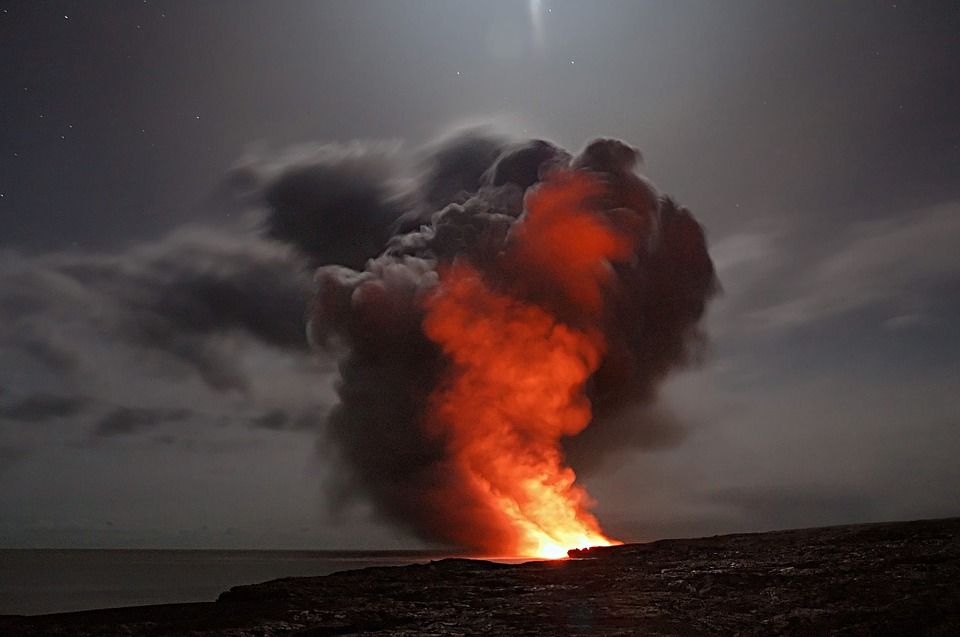
Slides in this set (10)
-
- What is a volcano?
- Where do volcanoes occur?
- Positives and Negatives of Volcanoes
- Types and Examples of Volcanic Landform
-
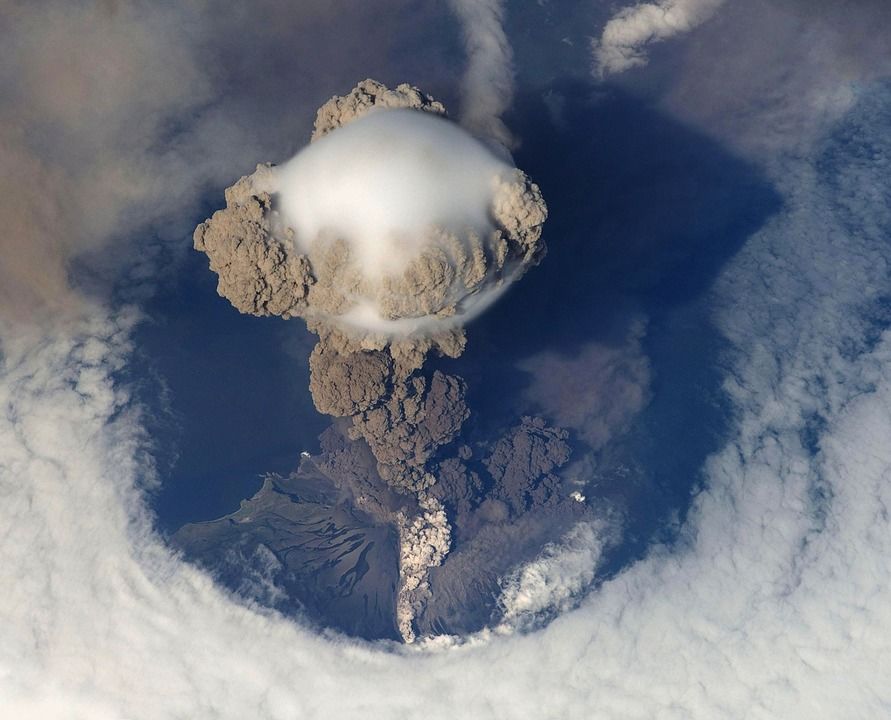
- A volcano is an opening in the crust of the Earth which allows molten rock to build up forming a variety of structures, most commonly a mountainous landform.
-
- Volcanoes form at 3 different locations:
- Destructive plate margins - where subducted crust melts and rises to the surface.
- Constructive plate margins - where magma rises through gaps between plates.
- Hotspots - where the mantle is unusually hot, causing chains of volcanoes to form.
- The Pacific Ring of Fire in particular is home to many volcanoes.

-
Positives and Negatives of Volcanoes
- Positives
- Geothermal Energy
- Tourism
- Fertile Soils
- New Land
- Minerals
- Negatives
- Destruction
- Poisonous/Burning Gasses
- Ash Clouds
- Lahars (mudflow)
-
- A cinder cone is the simplest form of volcano.
- Cinder cones are typically round in shape and are composed of layers of cooled lava.
- Cinder cone eruptions are usually more violent in nature and there is often gas built up in the vent.
- Example: Paricutin, Mexico
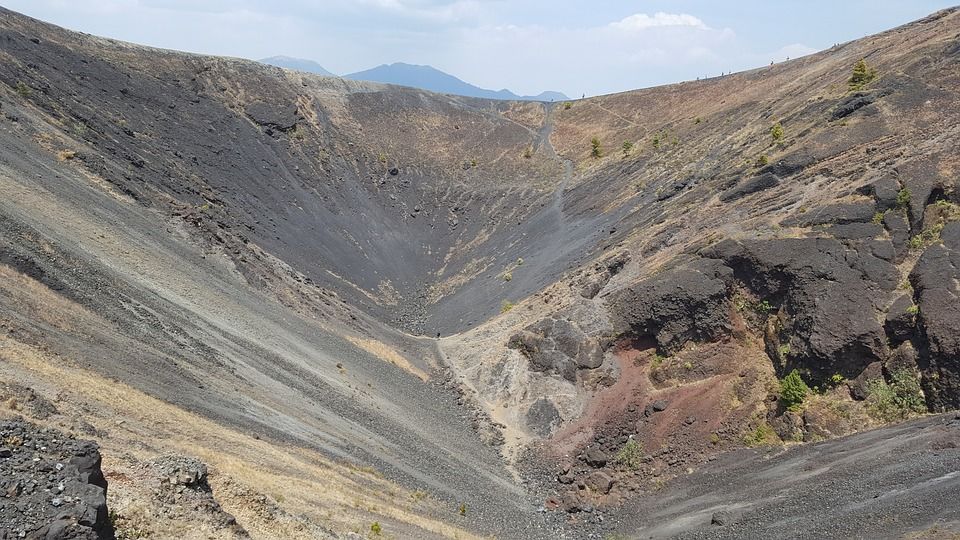
- Caption: Crater of Paricutin, Mexico
-
Types of Volcano: Shield Volcano
- Shield volcanoes form from basic lava which has a low silica content and is quite runny in nature.
- Because the lava is runny, it spreads out before solidifying.
- Shield volcanoes typically have a wide base and gentle slopes to their peak.
- Example: Mauna Loa, Hawaii
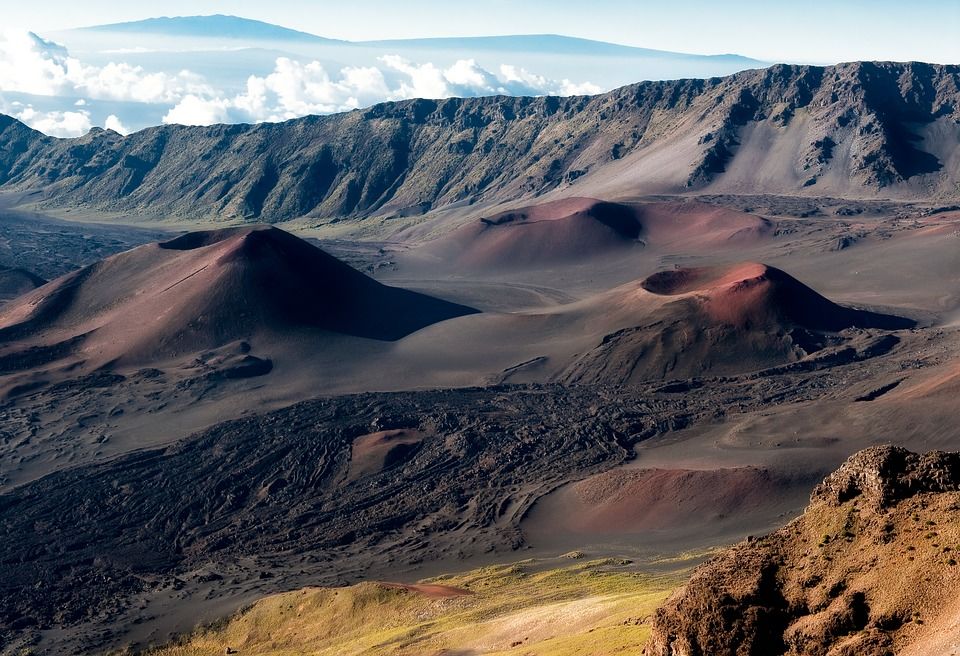
- Caption: Haleakala, Hawaii
-
Types of Volcano: Stratovolcano
- A stratovolcano is a large volcano which is composed of layers of cooled and hardened lava, ash, and tephra (rock fragments).
- Stratovolcanoes usually have steep sides, unlike shield volcanoes and have very explosive eruptions.
- Example: Mount St. Helen's USA
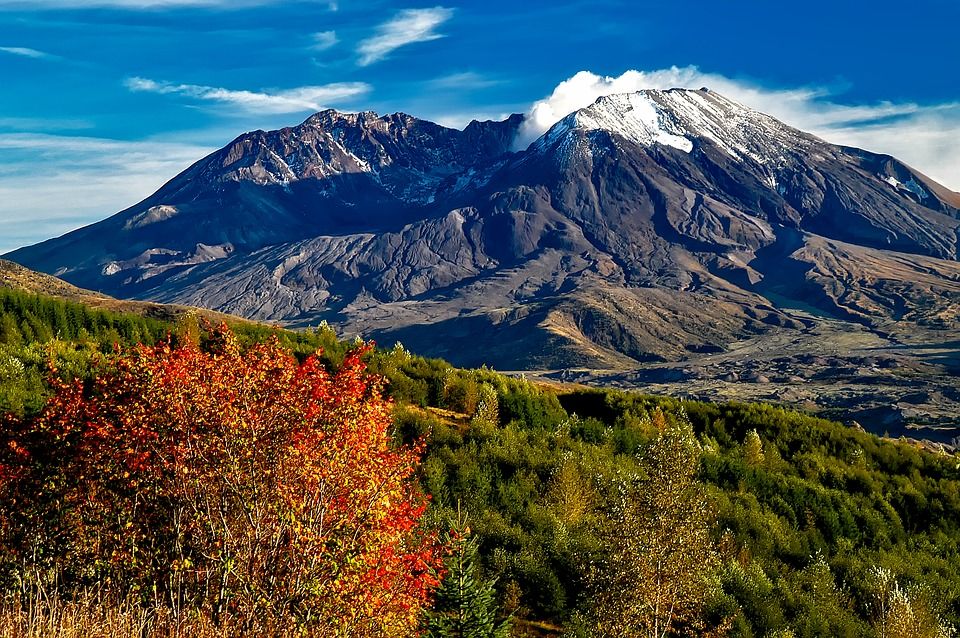
- Caption: Mount St. Helen's USA
-
- A caldera is a volcano which has collapsed in on itself, this usually happens when the magma chamber of the volcano is emptied. This can also occur when there is a particularly violent eruption which causes the volcano to lose support.
- Calderas, particularly older ones, quite often contain lakes in their depressions.
- Example: Crater Lake, Oregon, USA.
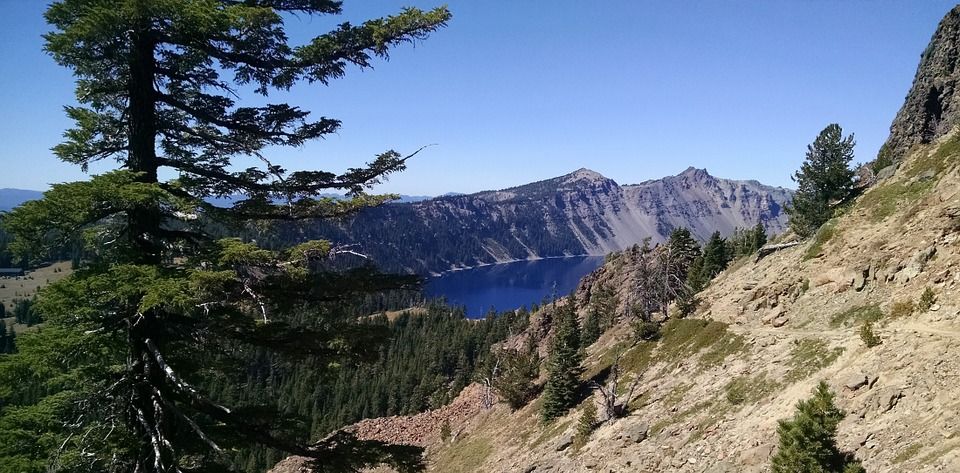
- Caption: Crater Lake, Oregon, USA
-
Types of Volcanic Landform: Lava Tubes
- Lava tubes typically form from pahoehoe (basic) lava, which is runny.
- Runny lava tends to cool very quickly in comparison to acidic lava; when there is a flow of this lava under the surface, its edges can cool and harden while the lava is still flowing.
- This process creates a straw-like cave, some of which are large in nature.
- Lava tubes are only found under the surface of the Earth as when basic lava runs on the surface, it typically moves in a fanned out pattern.
- Example: Valentine Cave in Lava Beds National Monument, California.
-
Types of Volcanic Landform: Geysers
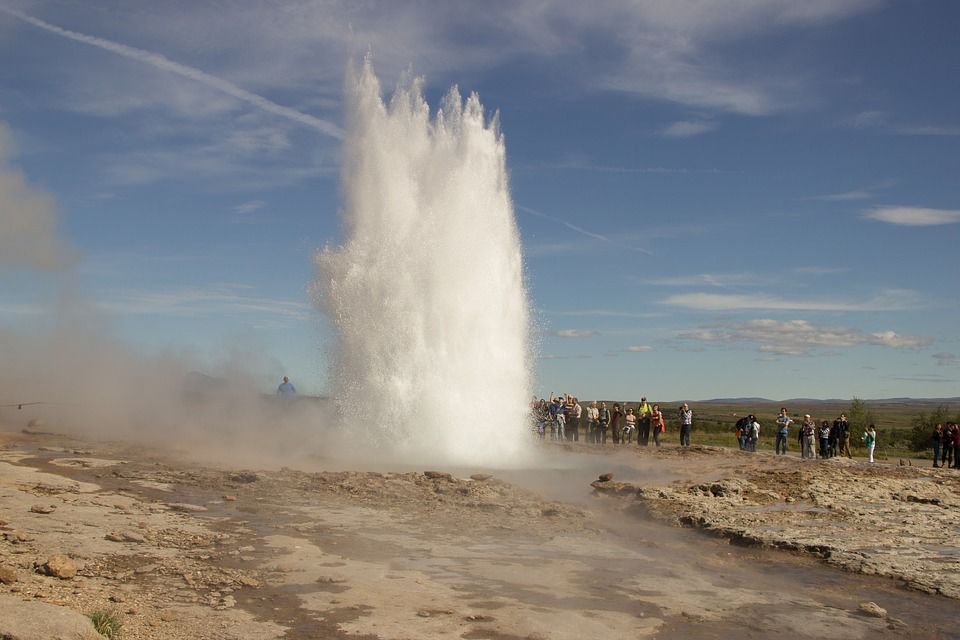
- A geyser is a hot spring heated by geothermal energy.
- Geysers are typically found in volcanic areas and are often tourist attractions.
- As water is heated, it expands and pressure builds under the surface. The eruption of a geyser acts as a release of pressure for this water.
- Example: Old Faithful, USA.
Information
- Description
- User has deleted their subject information Slide Set on Volcanic Landforms, created by Deleted user on 28/08/2018.
- Created by
- Deleted user · Aug 2018
- Updated
- Aug 28, 2018
- Views
- 109
- History
-
- Created by Antonia Blankenberg · Jun 14, 2017
- Copied by Antonia Blankenberg · Aug 28, 2018
- Rating