
Pathogens - Overview
Slides in this set (5)
-
- Pathogens:
- Pathogens are micro organisms that cause disease.
- There are four types of pathogens you'll need to know:
- - Bacteria
- - Viruses
- - Protists
- - Fungi
-
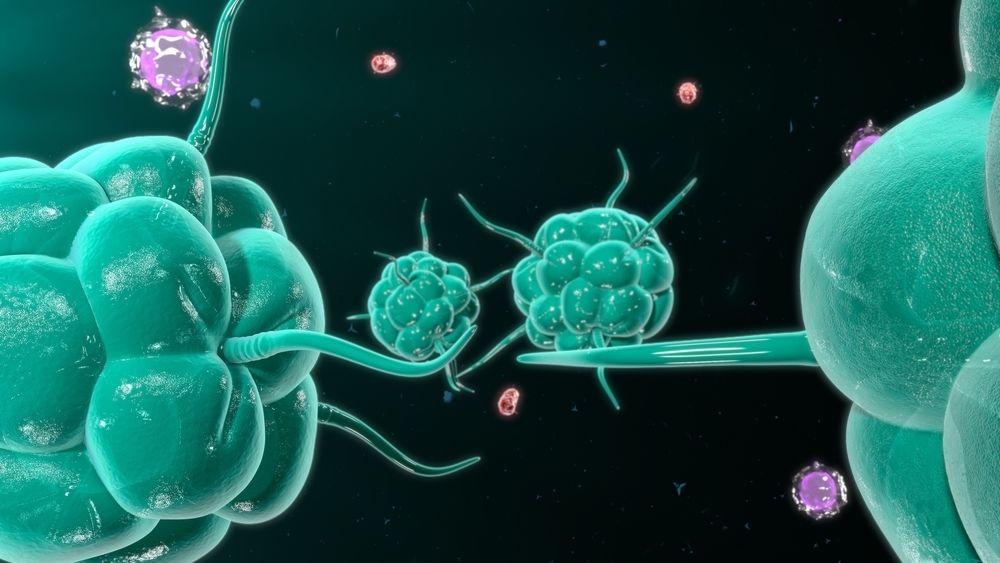
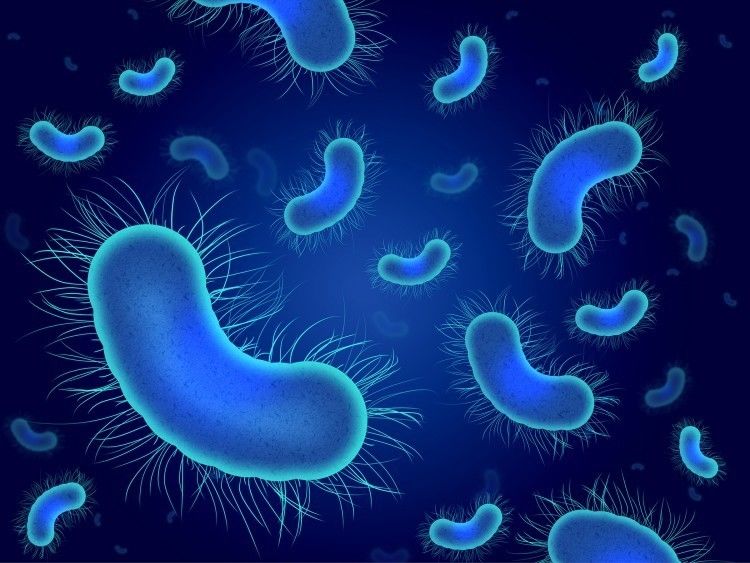
- Bacteria are small, prokaryotic cells that make you feel ill by reproducing rapidly inside your body, and producing harmful toxins that damage cells and tissues.
- Common examples of bacterial diseases or illnesses are:
- - Cholera
- - Typhoid
- - Food poisoning
- - Gonorrhoea
-
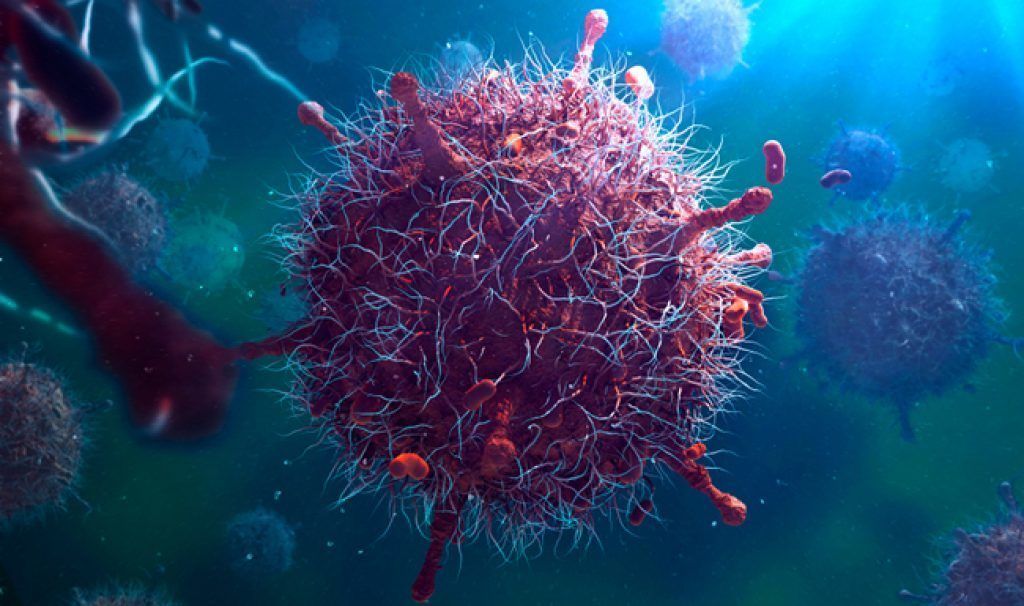
- Viruses are not cells. They live inside cells and reproduce rapidly, until the cell bursts. Viruses escape through the airways and bloodstream and can spread through populations. The cell damage is what causes you to feel ill.
- Common examples of illnesses caused by viruses are:
- - Flu
- - Measles
- - Mumps
- - Common cold
- - AIDs
-
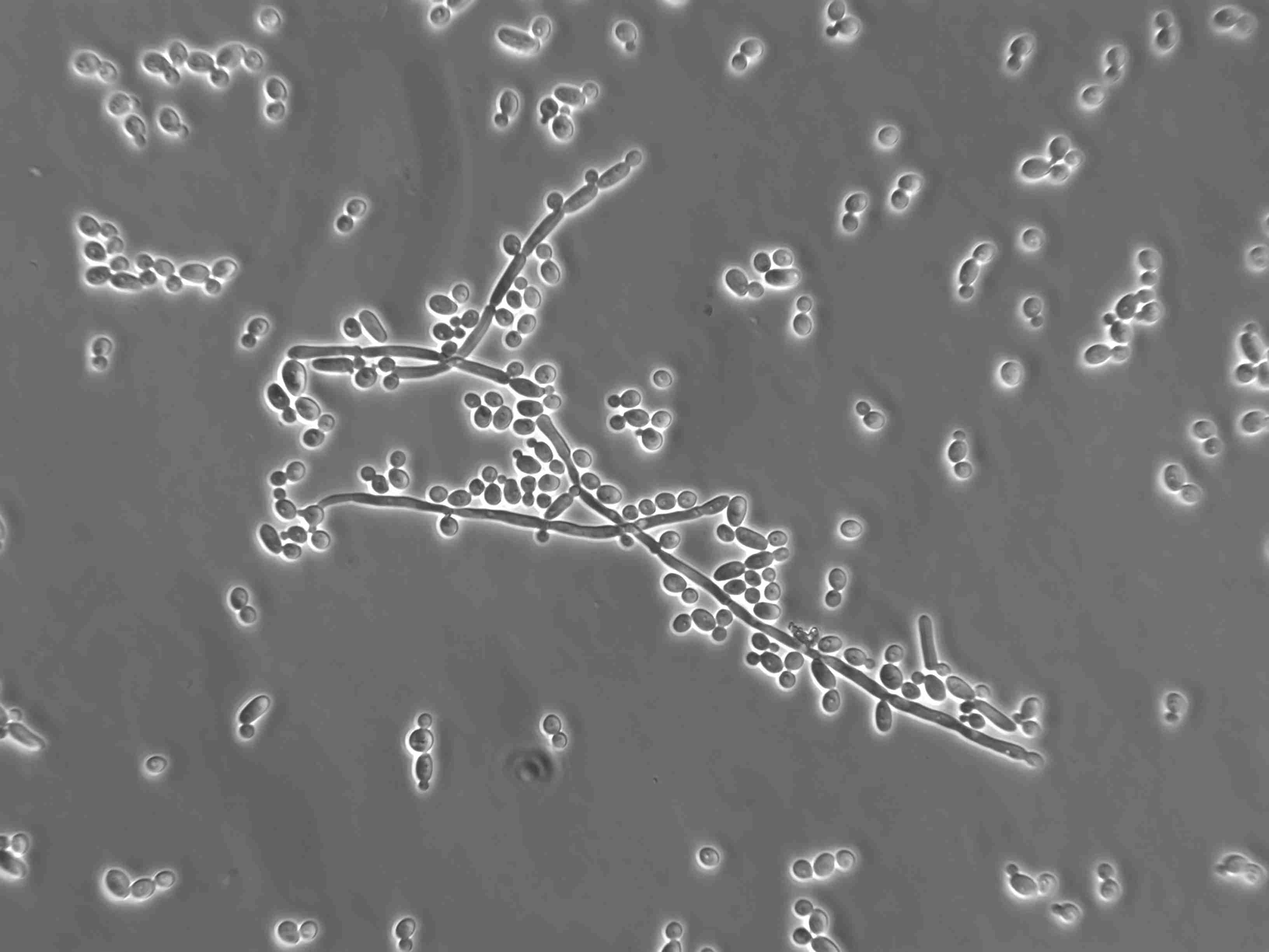
- Some fungi are single celled while others have a body made up of hyphae (thread like structures).
- Hyphae can grow and penetrate human skin and the surface of plants, causing diseases. The hyphae can produce spores which can be spread to other plants and animals.
- The most common fungal infection a human can get is athletes foot.
-
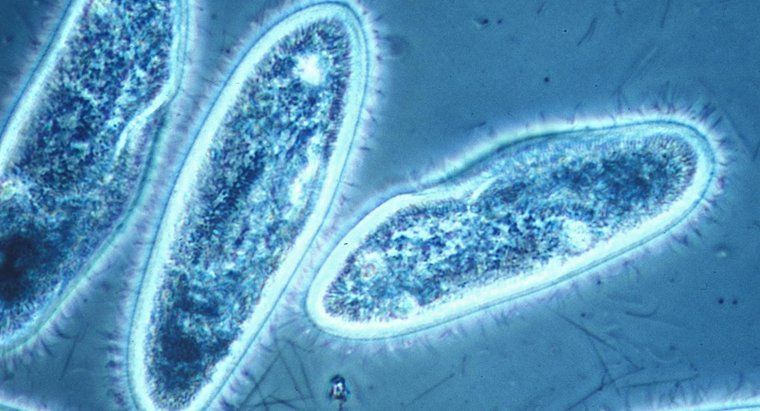
- Protists are single celled eukaryotics. Some protists are parisites.
- Parasites live on or inside other organisms and can cause them damage. They are often transferred to the organism by a vector e.g. an instect that carries the protist. An emaple of this is malaria. The protist lives in the bloodstream and is tranferred by mosquitos.
Information
- Description
- Pathogens - Viruses, Bacteria, Funghi and Protists. Prepare not to feel hungry.
- Created by
- Deleted user · Jan 2019
- Updated
- Jan 22, 2019
- Views
- 51
- Tags
- History
-
- Created by bill fingleton · Jan 22, 2019
- Copied by bill fingleton · Jan 22, 2019
- Rating