
Flashcards
World Caecilian Diversity
Cards in this deck (10)
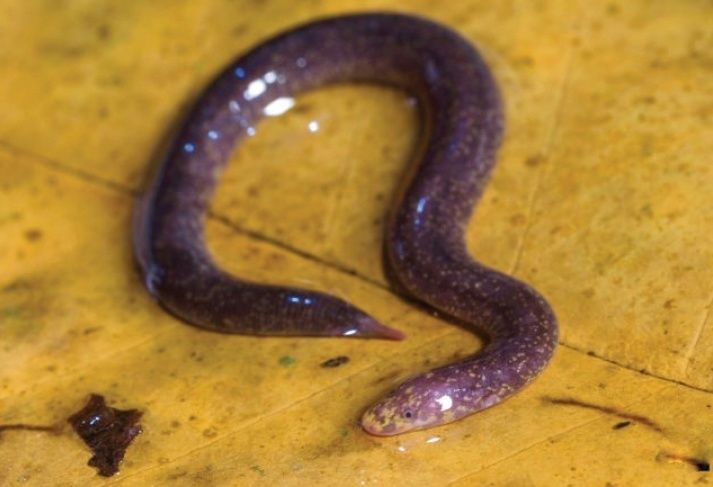
- 1Family: N SA, E of Andes Fossorial, some terrestrial True short tails Secondary and tertiary annuli Dermal scales present Mouth at tip of snout Not hight specialized for burrowing Jaw adducting muscle made of one bundle Biphasic repro cycle (larvae hatch from eggs)Rhinatrematidae
Tailed Caecilians - 2Family: Have true tails Secondary and tertiary annuli Dermal scales Stegokrotaphic skulls Oviparious Gilled larvaeIchthyophiidae
Asian Caecilians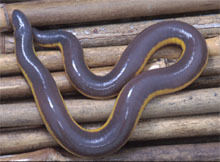
- 3Family: Zygokrotaphic, but lacks several bony elements Counter-sunk lower jaws Eyes connected to tentacle and protruded Lack secondary and tertiary annuli & lack dermal scales Viviparous No true tailScolecomorphidae
Buried-eyed Caecilians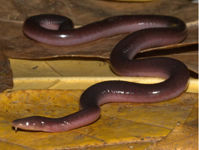
- 4Family: Disjunct Africa Young have unique teeth with hook-like processes to peel mothers skin Eyes concealed under boneHerpelidae
African Caecilians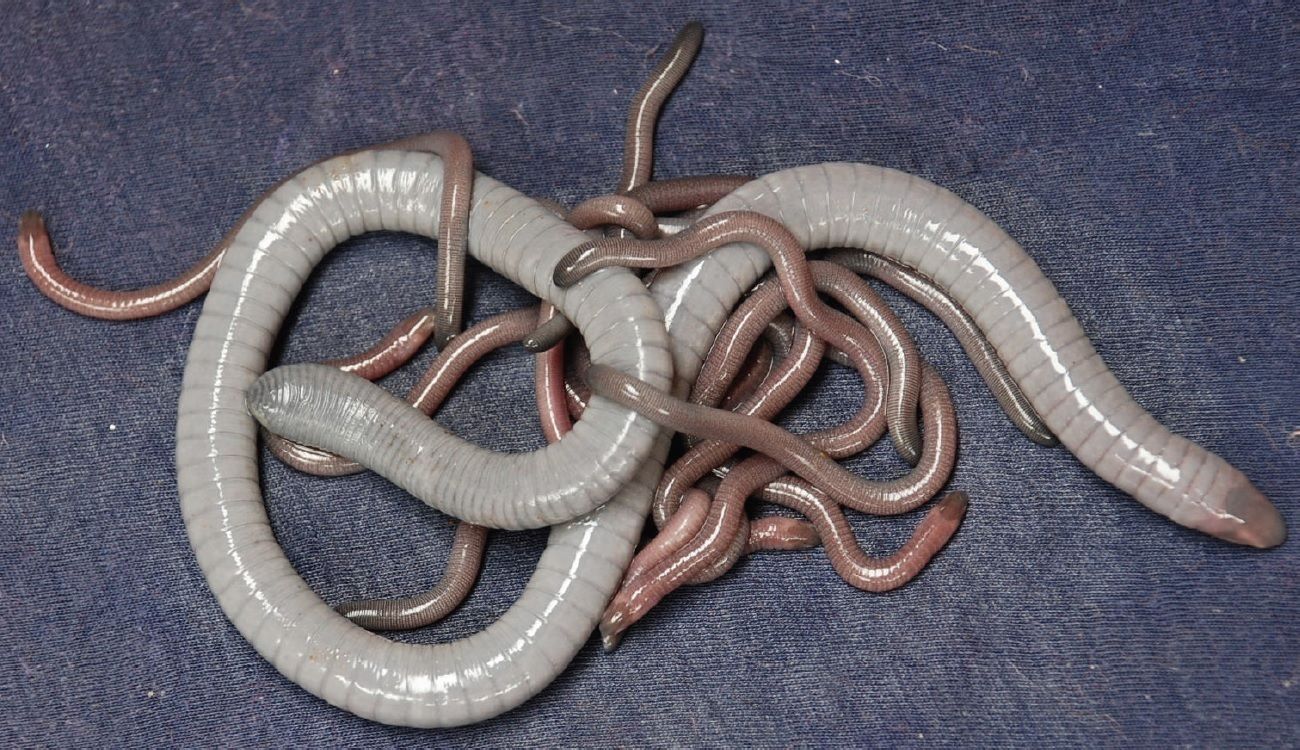
- 5Family: S Asia Fossorial, evergreen tropical forests Oviparous, direct development Secondary annuliChikilidae
Northeast Indian Caecilians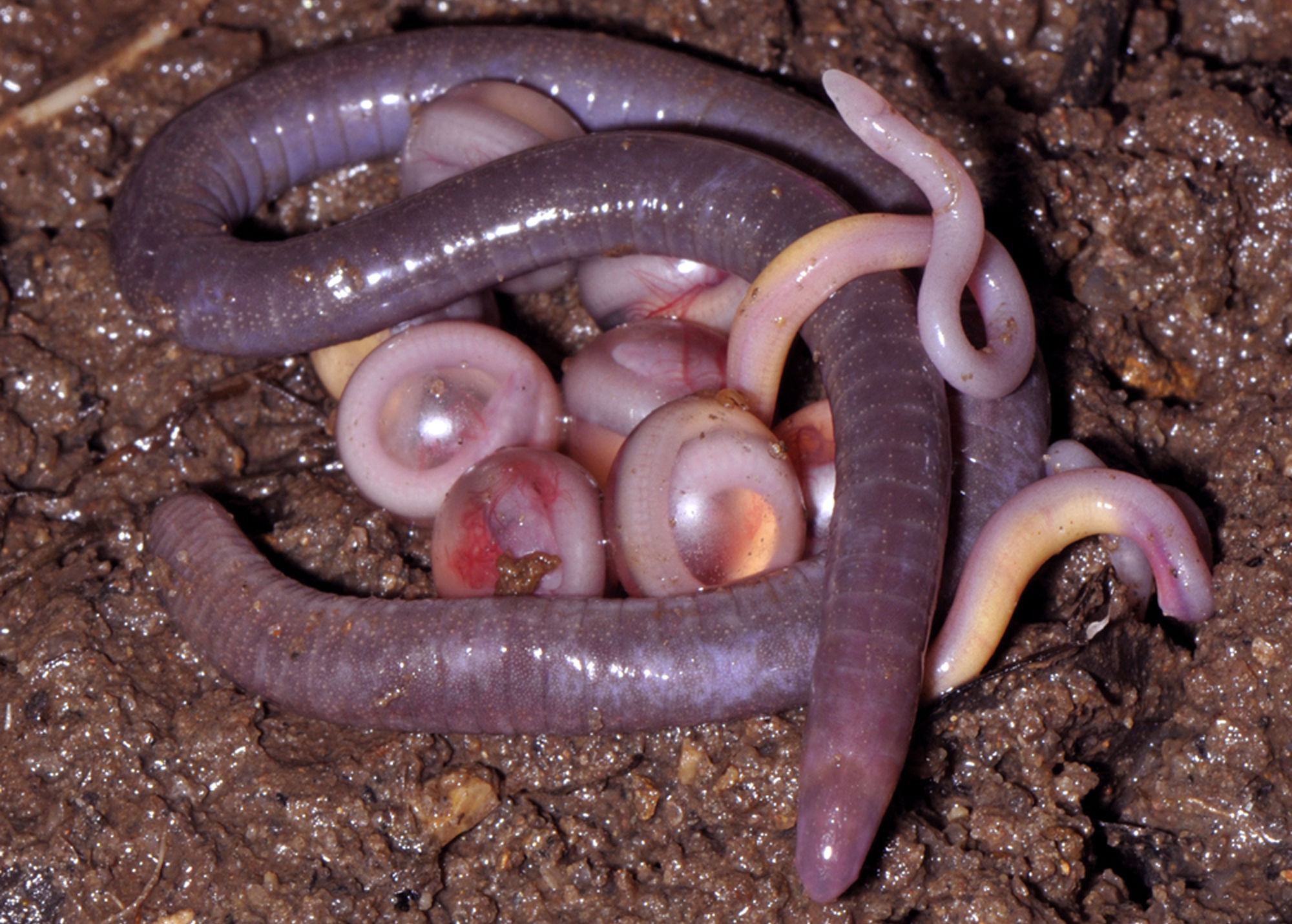
- 6Family: C/S America Direct development Viviparous Few to no secondary annuli Lack dermal scales Lack true tail Prob paraphyletic Monocusped teethCaecilidae
Common Caecilians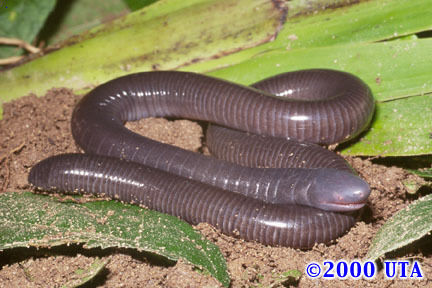
- 7Family: SA, E of Andes Secondarily aquatic (some semi aquatic Viviparous, juveniles shed gills Burrow Zygokrotaphic skulls Lack annular scales and secondary annuli Include the largest extant lungless tetrapodTyphlonectidae
Aquatic Caecilians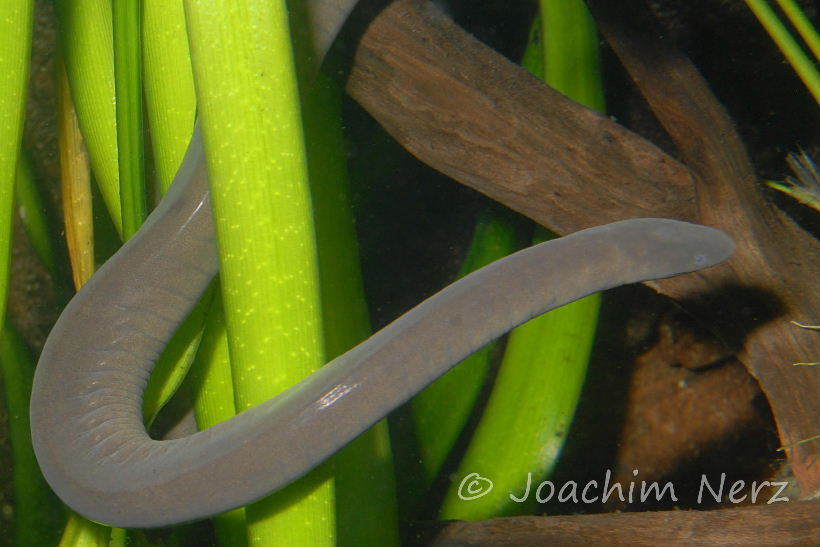
- 8Family: India, Seychelles, NE Africa (disjunct) Rainforests Fossorial Have secondary annuli Varied repro Parental careIndotyphlidae
Indo-African Caecilians
- 9Family: N/C America, tropical Africa Fossorial Viviparious Secondary annuli and annular scales Eat earthwormsDermophiiidae
Tropical Caecilians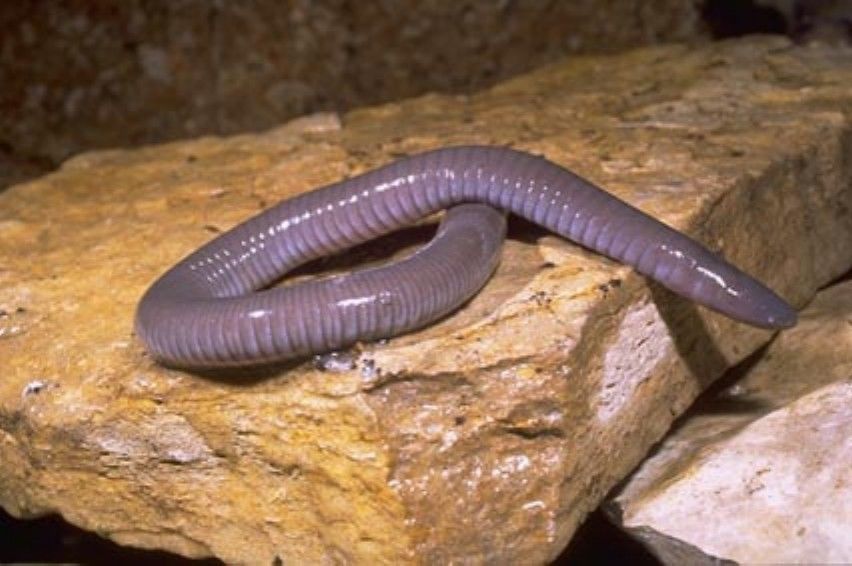
- 10Family: SA Oviparous Imperforate stapes Lacks inner mandibular teeth Maternal dermatophagy (young eats dead skin from mother)Siphonopidae
SA Caecilians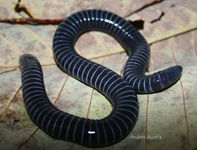
Information
- Description
- User has deleted their subject information Flashcards on World Caecilian Diversity, created by Deleted user on 04/02/2020.
- Created by
- Deleted user · Feb 2020
- Updated
- Feb 4, 2020
- Views
- 8
- History
-
- Created by Emilie Broussard · Feb 1, 2020
- Copied by Emilie Broussard · Feb 4, 2020
- Rating