
Notes
Market Structures - Perfect Competition and Monopoly
Content of the notes (1)
Page 1

One of the quickest ways of determining what kind of market structure exists in a particular industry is to use concentration ratios
CONCENTRATION RATIO'S a measure of the extent to which a market is in the hands of a given/particular number of firms
CHARACTERISTICS OF PERFECT COMPETITION:-
INFINITE NUMBER OF SMALL FIRMS each firm has no influence over market price
GOODS ARE HOMOGENEOUS identical output from all firms
ALL FIRMS ARE PRICE TAKERS there is consumer sovereignty
PERFECT KNOWLEDGE consumers are aware of which firm charges the lowest price/transparency
ALL FIRMS SEEK MAXIMISE PROFITS MC=MR
PERFECT FACTOR MOBILITY factors of production can easily switch rules - perfect substitutes
ABNORMAL PROFITS IN THE SHORT RUN average revenue > average cost
NO BARRIERS TO ENTRY AND/OR EXIT
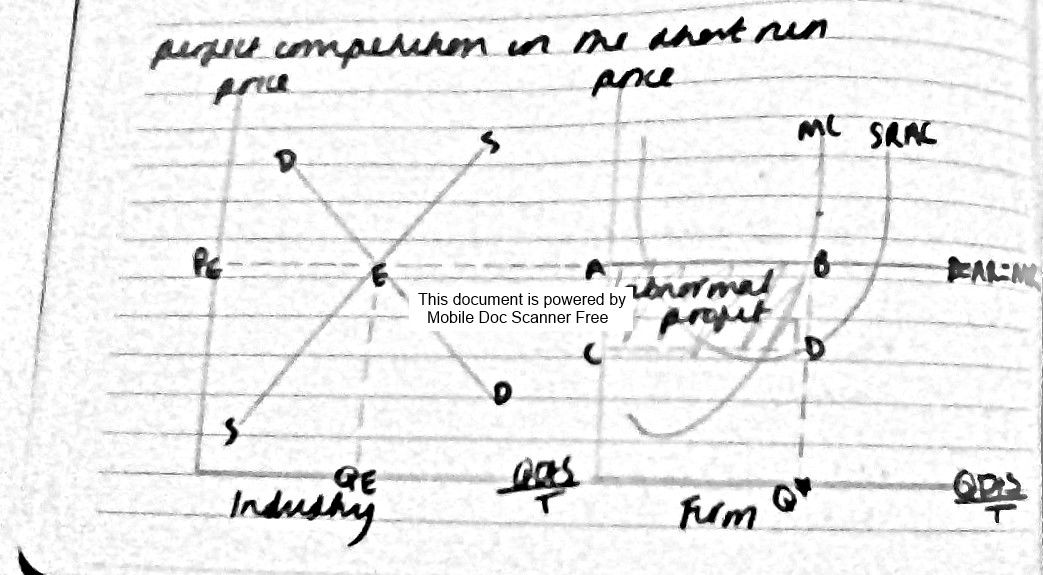
Abnormal profit is AR>AC
Profit max is MC=MR
As abnormal profit is being earned this would encourage other firms to enter the industry. As they do market price decreases and abnormal profit is competed away until firms in the industry make only normal profit
NORMAL PROFIT the minimum level of profit required to keep a firm operating within an industry
ABNORMAL PROFIT any level of profit over and above normal profit
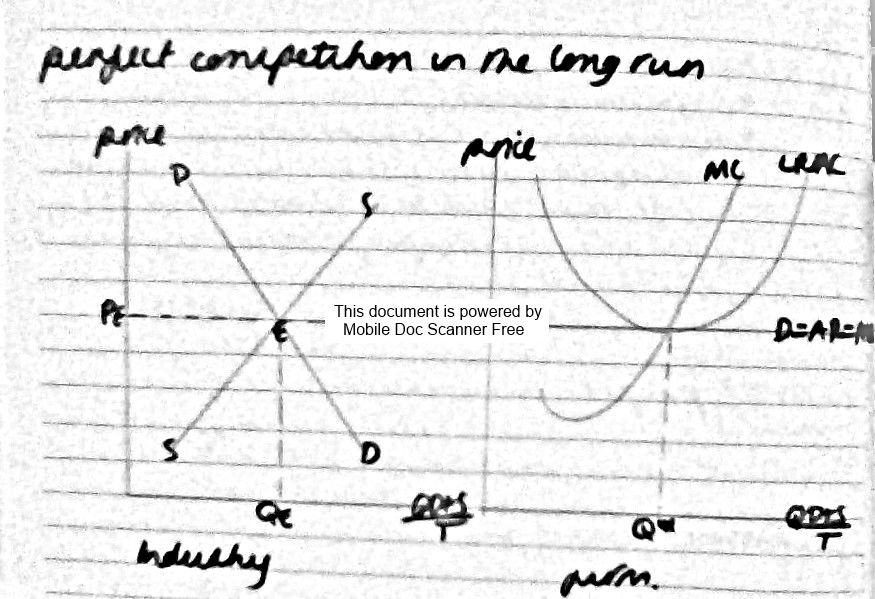
Normal profit is AC=AR
MC=MR
Profit max - MC=MR
Short run to long run:-
Abnormal profits act as a signal
New firms enter the industry and increase supply
Price falls and abnormal profits are "competed away"
BARRIERS TO ENTRY
BARRIERS TO ENTRY anything that stops new firms entering a particular market; they tend to be more prevalent as the degree of competition in the market decreases
The main barriers to entry include:-
HIGH SUNK COSTS costs that a firm cant recover when leaving a market eg advertising, licencing fee
HIGH INITIAL COSTS includes capital investment eg equipment, buildings
CONTROL OF RETAIL OUTLETS eg Tesco buying plots of land and old premises
CONTROL OF THE SUPPLY OF RAW MATERIALS eg Tesco buying farms to produce raw materials
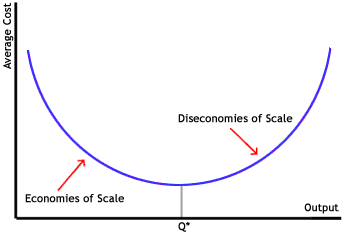
ECONOMIES OF SCALE incumbent firms (already in the market) may have grown and experienced decreases in LRAC (meaning they charge lower prices and can protect their profit margins)
EXISTENCE OF BRAND LOYALTY incumbents reputation may mean new entrants face higher costs of persuasive advertising
Where barriers to entry are low the market is sometimes described as being contestable. In this situation there are potential competitors even if few actually appear
CONTESTABILITY AND BARRIERS TO ENTRY AND EXIT
CONTESTABILITY the extent to which barriers to entry and exit in a market are free and costless
INCUMBENT FIRM a firm that is already operating in a market
Most argue its the degree of contestability that determines the level of competition rather than the number of firms
A contestable market occurd when the behaviour of incumbent firms is influenced by both existing and potential competitors , who can enter the industry at:-
Relatively low cost
Take advantage of abnormal profit while available
Leave the industry at low cost (hit and run)
The existence of barriers to entry and/or exit therefore influences the level of contestability within an industry
A perfectly contestable market exists where:-
All firms are subject to the same regulations and the same state of technology
Mechanisms are in place which prevent entry, limit pricing by incumbent firms
Incumbent firms are vulnerable to "hit and run" competition
Contestability is more likely to be found in a perfectly competitive market than any other
Incumbent firms in a perfectly contestable market may moderate their behaviour in an attempt to discourage potential entrants eg just making normal profit even if abnormal profit is obtainable
Incumbent firms may also seek to erect artificial barriers to entry such as increasing levels of consumer loyalty which deter potential entrants when incumbent firms change their strategy and seek to maximise profits in the short run
THE OBJECTIVES OF FIRMS: PROFIT MAXIMISATION
The break even point is usually whether a profit or loss is made
Abnormal profit is the reward for risk taking and managing resources
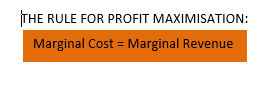
At this point the difference between TR and TC will be greatest (profit is maximised)
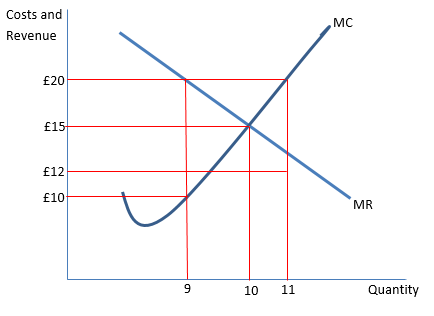
There is profit for unit 9 - MR is £20 but the MC is only £10
There is a loss for unit 11 - MR is £12 and MC is £20
For unit 10 MC = MR ar £15
Any output below MC=MR, MR>MC and the firm sacrificing potential profit which could be earned by increasing output to the point where MC=MR
Any output above MC=MR, MR
MARGINAL REVENUE addition to TR from selling an additional unit of output
MARGINAL COST addition to cost from producing an additional unit of output an is therefore a variable cost
CHARACTERISTICS OF MONOPOLY:-
One large firm dominates the industry - pure monopoly is one firm with 100% market share (firm with 25% market share can exert monopoly power)
Dominant firm is the price maker (consumers may experience a decrease in consumer surplus due to increases in price)
Abnormal profits in the short and long run - AC
High barriers to entry and/or exit
Profit maximiser where MC=MR
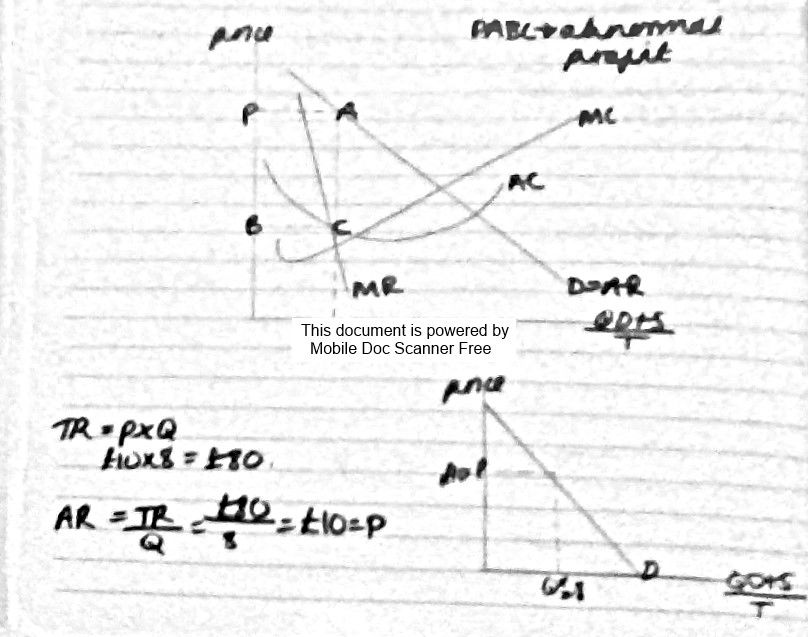
The main case against a monopoly is that abnormal profits at the expense of economic efficiency. The monopolist can extract a price from consumers increasing the cost of resources used in making the product leading to decreased amounts of consumer surplus
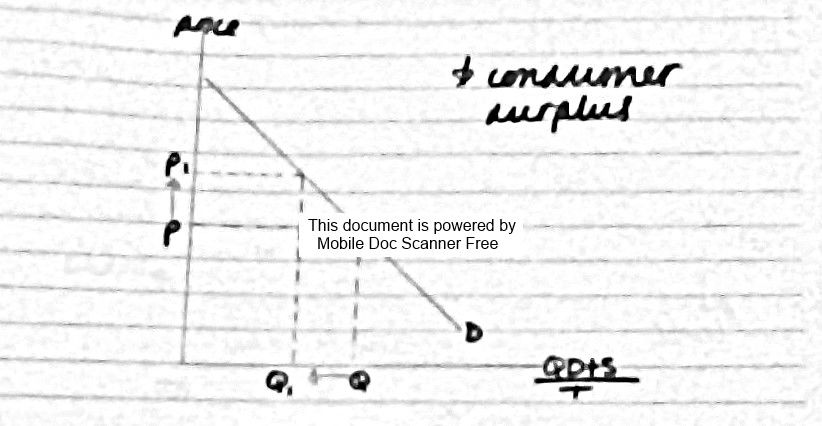
Consumers needs and wants aren't being satisfied as the product is being under-consumed because the price is above the cost, leading to what is known as market failure - allocative efficiency (P=MC) - this only exists in perfect competition (not in the real world)
Little pressure for a firm with monopoly power to maximise their efficiency/ minimise costs of production - limited incentives to adopt cost reducing process innovations
THE CASE FOR COMPETITION (F581 - THE BASIC ECONOMIC PROBLEM)
Competitive markets provide the best means of ensuring that the economy's resources are put to their best use by encouraging enterprise and efficiency and widening choice
Where workers work well, they provide strong incentives for good performance - encouraging firms to improve productivity to reduce prices and to innovate; whilst rewarding consumers with lower prices, higher quality and wider choice - increasing consumer surplus
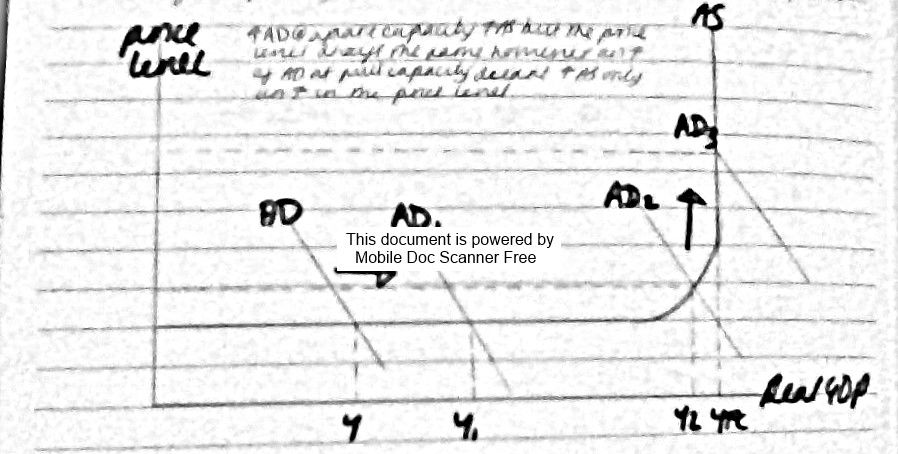
Increasing AD at spare capacity increases AS but the price level remains the same however an increase in AD at YFC doesn't increase AS just the price level
By encouraging efficiency, competition in the domestic market - whether between domestic firms alone or between those and overseas firms - also contributes to out international competitiveness
THE POTENTIAL ADVANTAGES OF MONOPOLY
R+D spending - profits can find investment and R+D projects. Also the positive spill-over effects of research can be seen through increased innovation
The exploitation of economies of scale - monopolies can exploit economies of scale. Also gains in productive efficiency may lead to lower prices and improvements in economic welfare - lowest point of LRAC (MES - Q*)
Monopolies and international competitiveness - British economy needs multi-national companies operating on a sclae large enough to compete effectively in global markets
International competition and market contestability - a firm may enjoy domestic monopoly power in the home economy but face intense competition in overseas markets
Social welfare contributions - some monopolists invest in "good works" such as sponsoring arts, museums, research eg Sainsburys, Welcome Trust, Leverhulme
Information
- Description
- A Level A2 Economics Note on Market Structures - Perfect Competition and Monopoly, created by samyajahangir on 30/03/2015.
- Created by
- samyajahangir · Mar 2015
- Updated
- Sep 26, 2016
- Views
- 137
- Rating