
Mind map
Photosynthesis & Respiration
Map content
Photosynthesis & Respiration
Photosynthesis
- Carbon dioxide + water (+ light energy) → glucose + oxygen
- Green plants contain chlorophyll which makes them green-they absorb light for photosynthesis
- The glucose is used in respiration, or converted into starch and stored. Oxygen is produced as a by-product.
- Temperature, carbon dioxide concentration and light intensity are factors that can limit the rate of photosynthesis.
- Chemical change
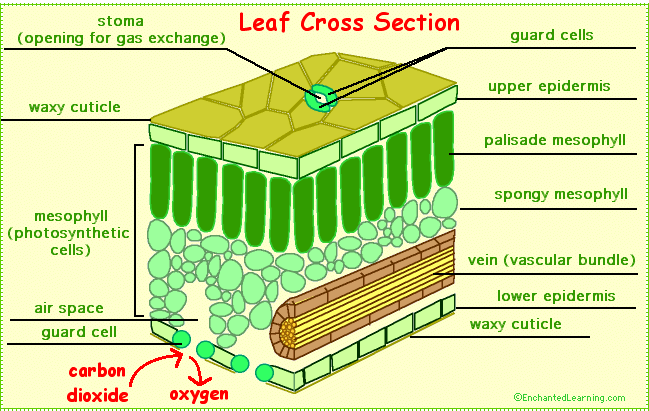
- Photosynthesis takes place in leaf cells. These contain chloroplasts, which are tiny objects containing chlorophyll.
- Plants need to take in a number of elements to stay alive. The most important are: carbon, hydrogen, oxygen
- Sometimes photosynthesis is limited by the concentration of carbon dioxide in the air. Even if there is plenty of light, a plant cannot photosynthesise if there is insufficient carbon dioxide.
- Carbon dioxide + water (+ light energy) → glucose + oxygen
Glucose + oxygen → carbon dioxide + water (+ energy)
- Respiration releases energy for cells from glucose. This can be aerobic respiration, which needs oxygen, or anaerobic respiration, which does not. During exercise, the breathing rate and heart rate increase. During hard exercise an oxygen lack may build up.
- Aerobic respiration happens all the time in the cells of animals and plants. Most of the reactions involved happen inside mitochondria, tiny objects inside the cytoplasm of the cell. The reactions are controlled by enzymes.
- Plants make amino acids from sugars, nitrates and other nutrients. Glucose is a sugar.These amino acids are then compacted into larger molecules - proteins
- Respiration needs to be high speed in exercise to maintain oxygen
Images and files in the map
Information
- Description
- Photosynthesis and Respiration
- Created by
- Deleted user · Jan 2017
- Updated
- Jan 4, 2017
- Views
- 12
- Tags
- History
-
- Created by Shubh Malde · Aug 10, 2015
- Copied by victoria sayer · Jan 3, 2017
- Rating