
Notes
Global History Regents Review Notes (Europe)
Content of the notes (1)
Page 1
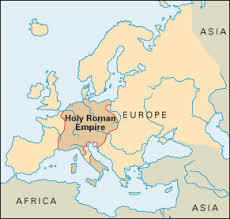
Holy Roman Empire
In the early middle ages, Charlemagne brought France & Germany under his rule
Charlemagne death --> empire dissolved into separate states
936 Duke Otto I of Saxony took title of King of Germany
Successors of Otto took title of “Holy Roman Emperor”
worked closely with the church
Emperors would have conflicts with the Pope over appointment of church officials
Roman because they saw selves as heirs to emperors of ancient Rome
Holy because crowned by pope
HREmperors often decided who became bishops & abbots within their realm
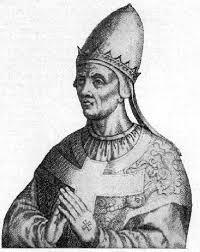
Pope Gregory VII
As Cluny reforms strengthened, however the Pope wants to end this
Determined to make Ch. Independent of secular rulers
Banned practice of lay investiture: where a emperor or lay person (nonmember of clergy) presented bishops with ring & staff that symbolized their office
Claimed only pope had that right
Catholic Church
Monarchs tried centralizing power; government bureaucracy; developed system of taxes; built a standing army
Had their own courts, collected their own taxes and fielded their own armies
Had as much, or more power than monarchs
Loosely organized system of government in which local lords governed their own lands but owed military service and other support to a greater lord
Fedualism
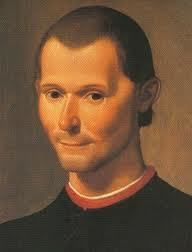
Niccolo Machiavelli
Renaissance writer - wrote The Prince (1513)
Combined personal experience of politics w/ his knowledge of the past to offer a guide to rulers on how to gain and maintain power
Urged rulers to do whatever necessary methods to achieve goals
Crusades
Saw himself as an enemy of oppression and corruption; others said influenced by devil
Intent: to free the Holy Land
Motives of Crusade:
On and off for 200 years
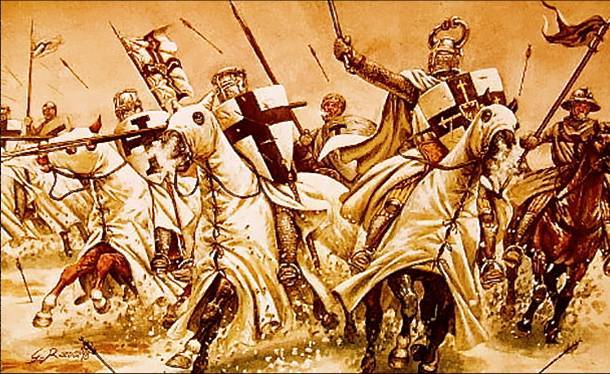
First Crusade: Christian knights captured Jerusalem (1099)
Muslims sought to destroy Christian kingdoms
Hope to win wealth & land
Escape troubles at home
Adventure
Pope Urban II hoped to increase power in Euro & heal schism (split) between Roman & Byzantine churches
Result of the Crusades
Encouraged the growth of a money economy
Increased trade
Increased power of feudal monarchs (e.g.: rulers won rights to levy taxes to support crusades)
Brought papal power to greatest height though short lived
1456 - printed first complete edition of the Bible using the first printing press and printing inks in the West
Johann Gutenberg (Mainz, Germany)
China for paper making methods and Chinese & Koreans for movable metal type
Printing Revolution begun
More books caused more pepople to learn how to read , and increased the access to a broad range of knowledge from medicine to astrology to mining
Knights - Code of Chivalry
Code of conduct
Knights
required to be brave, loyal & true to their word
Agreed
not to ask another knight before opponent has had a chance to put on armor
Dictated
to treat captured knights will or release captured if captured promise to pay
his ransom
Applied
to nobles only
Placed
women on pedestal, women to be protected and cherished
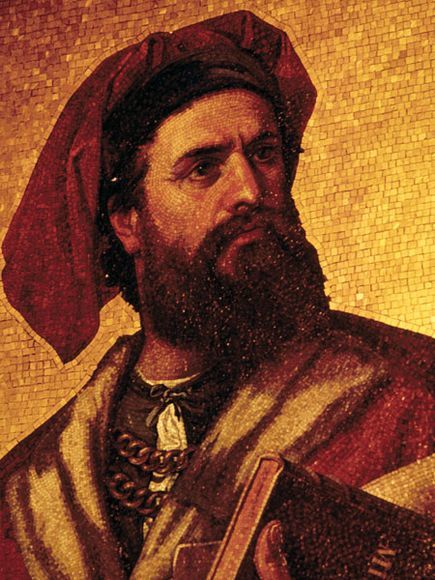
Marco Polo
Venetian - called the "Price of Liars"
1271 - set out for China with father & uncle
told stories about the wonders of Chinese civilization
Reconquists
Campaign
to drive Muslims from Spain
Christian
warriors 1085 recaptured city of Toledo
1300 - controlled entire Iberian Peninsula except Grenada
1469 - Isabella of Castile married Ferdinand of Aragon; combined forces of the rulers
opened way for unified state
1492 -
Reconquista complete
Isabella & Ferdinand tried imposing unity on diverse people, they joined forces with the towns people against
powerful nobles
Was
religious tolerated under Muslim Rule, Isabella ended it b/c wanted rel. unity
Isabella
launched against Jews & Muslims and wanted people to convert to Christianity
Thirty Year War
Rel
& pol causes
Sparked
when rebellious nobles threw two royal officials out a window
Ferdinand
elected as HREmperor
With
Spain, Poland & other Cath States, Ferdinand tried to roll back Reformation
Defeated
Bohemians & their Protestant allies
Alarmed,
prot powers sent troops into Germany
Fighting caused villages to be burned, crops were destroyed and people were killed without mercy (depopulation)
1648 - signed Peace of Westphalia - aimed to create general Euro peace & an attempt to settle other
international problems
Europe
Information
- Description
- Review notes for the European part of what you need to know for the Global History & Geography Regents!
- Created by
- Jen Molte · May 2014
- Updated
- Oct 3, 2018
- Views
- 1,901
- Tags
- Rating