
Notes
Urbanisation in the UK
Content of the notes (2)
Page 1
Urban Areas of the UK
The UK is one of the most urbanised areas of the world, with 82% of the population living in urban areas.
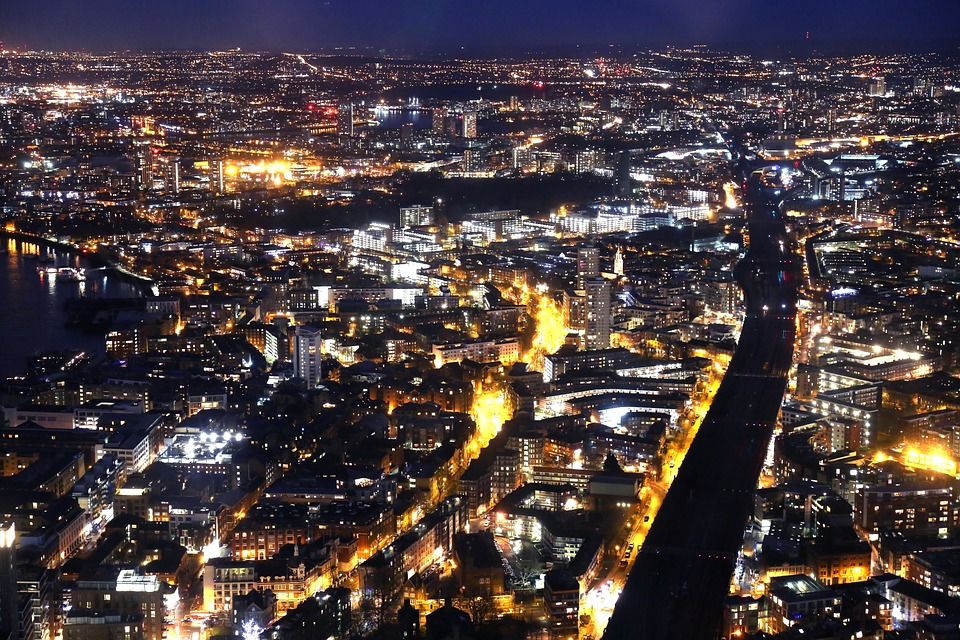
London is the UK's largest city. London was mostly developed during the 19th Century.
The population density of the UK is 260 per \(km^2\) .
Densely populated areas of the UK are generally flat and low lying, near coasts and rivers for farming and trade.
The fastest growing UK cities are found in South East England.
Page 2
Factors affecting the rate of UK urbanisation
Up until the mid-eighteenth century, urbanisation took place at a similar rate to today.
The Enclosure Acts during the late 18th century forced people off their land to move to cities during the Industrial Revolution.
Cities in the North of England developed quickly during this time.
Growth also took place in regions that have natural resources, such as Cardiff and Swansea.
Cities located on rivers became large ports for trade.
Moving into the 20th century, development grew in new areas.
North Sea oil deposits caused the growth of Aberdeen.
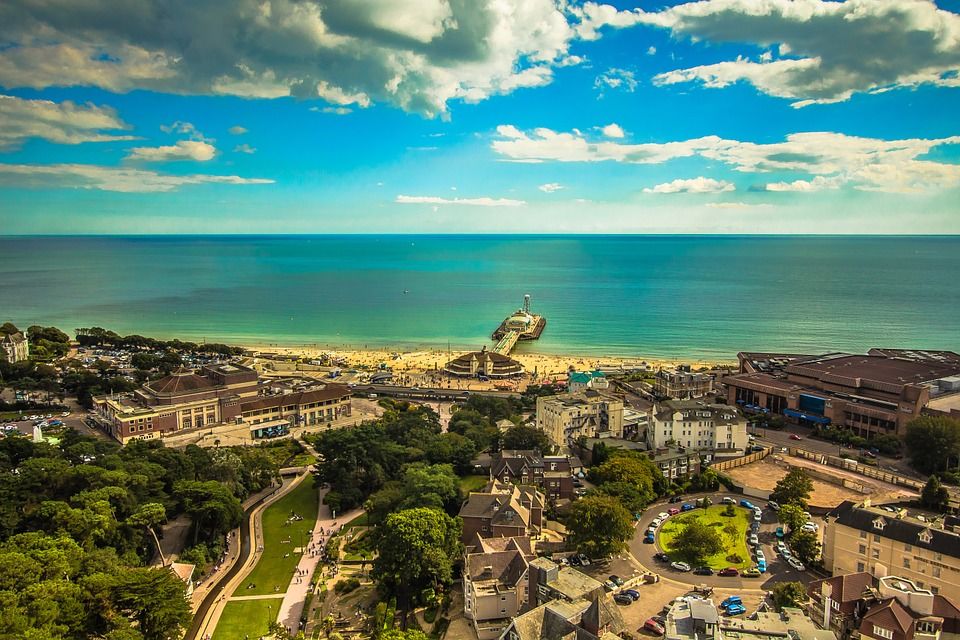
Growth of coastal towns occurred due to tourism.
South coast towns became popular retirement locations, for example, Bournemouth (shown below).
Information
- Description
- User has deleted their subject information Note on Urbanisation in the UK, created by Deleted user on 29/06/2017.
- Created by
- Deleted user · Jun 2017
- Updated
- Jun 29, 2017
- Views
- 30
- History
-
- Created by Antonia Blankenberg · Jun 26, 2017
- Copied by Antonia Blankenberg · Jun 29, 2017
- Rating