
Notes
Linking Rural and Urban Landscapes
Content of the notes (5)
Page 1
The Urban-Rural Continuum
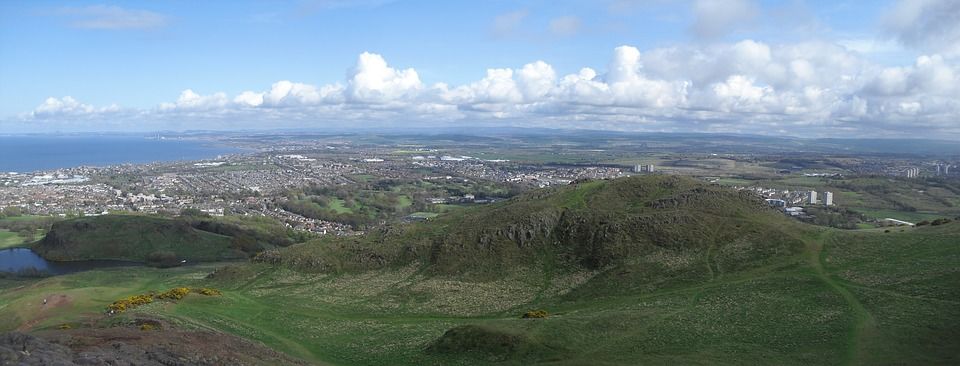
The urban-rural continuum is the mixing of rural and urban areas.
It is rare that there is a clear boundary between urban and rural areas, there is often a "grey area" between the two.
Rapid urbanisation has begun to blur the line between urban and rural environments.
Better transport links means that people can work in the city and live in rural environments. Migration has been thought to be the biggest factor contributing to rural-urban continuum.
Page 2
Counter-Urbanisation
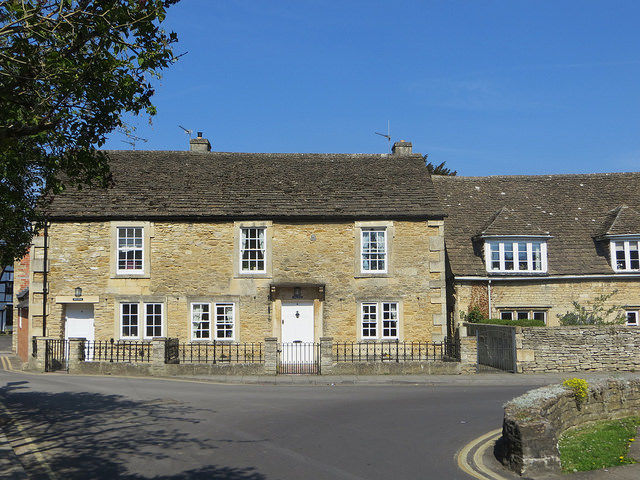
Counter-urbanisation is when people begin to move from the city to rural environments.
This occurs when the push factors are greater than the pull factors in the city.
Push factors in the city could include poor housing quality, high cost of living, and pollution, among others.
Quality of life can be better in rural areas.
This causes an increase in house prices in rural towns, pushing away local business.
Counter-urbanisation can cause large supermarkets to be brought to rural areas due to the higher population density. This has an effect on the landscape.
Public transport goes into decline because the new residents are car owners. This can be a major problem for village residents without their own transport, particularly the elderly.
Traffic congestion increases with the increase of cars driving to work in the city.
Inner city areas that were once densely populated can fall into decline.
Page 3
Suburbanisation
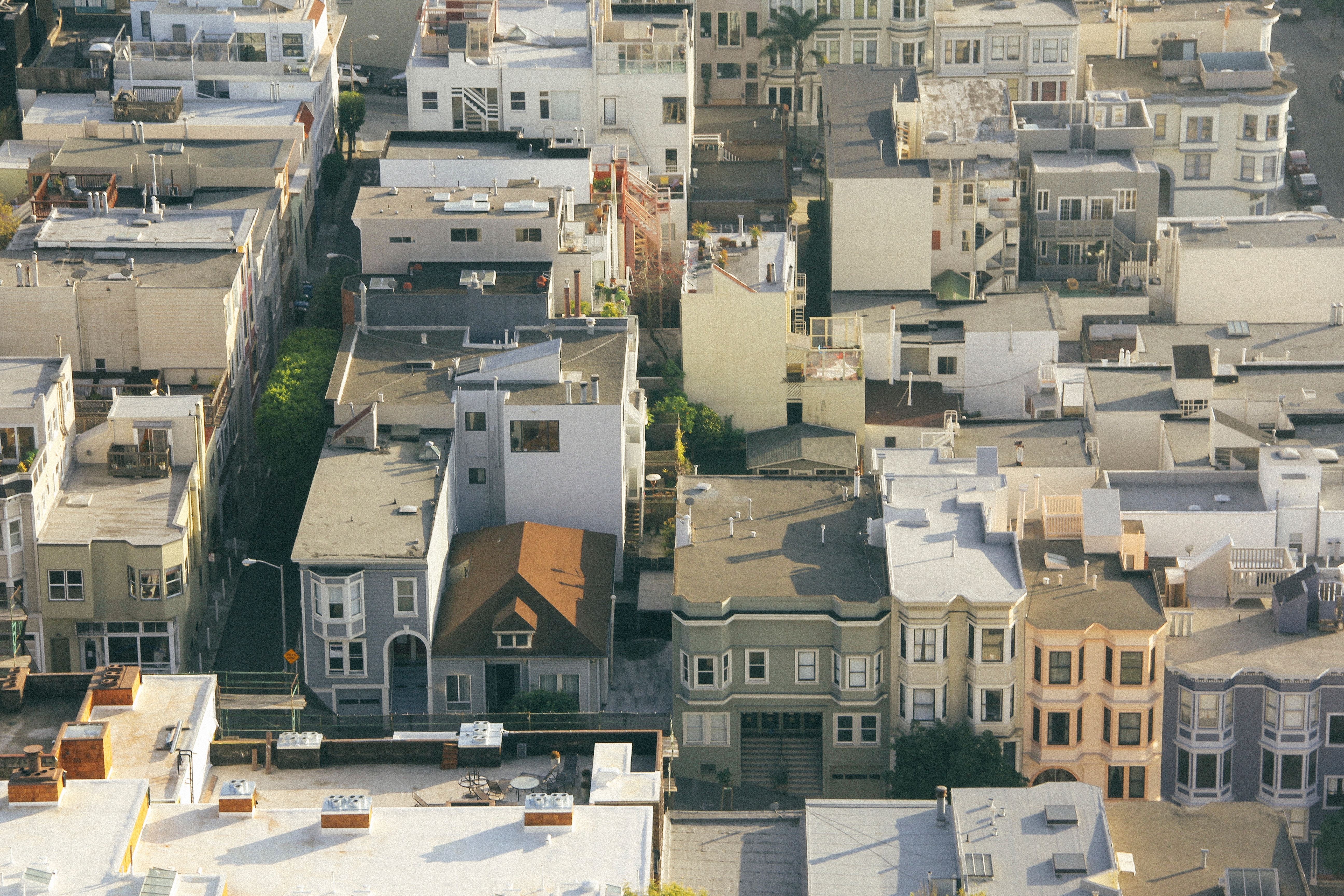
Suburbanisation can be defined as the outward growth of urban development which may engulf surrounding villages and towns into a larger urban agglomeration.
Suburbs are the outlying areas of a city which are close enough to the city center to be accessible by commuters.
Suburbanisation decreases the population density in the city and reduces the need for high-rise apartment blocks. This creates space in the city for green spaces or increased transport links. Suburbanisation can also lead to inner city decline, however.
The tax base in the suburbs increases, giving councils funds to provide new facilities.
The cost of land increases on the fringe of cities, putting pressure on the green belt.
An increased amount of commuters causes increased pollution.
Page 4
Re-Urbanisation
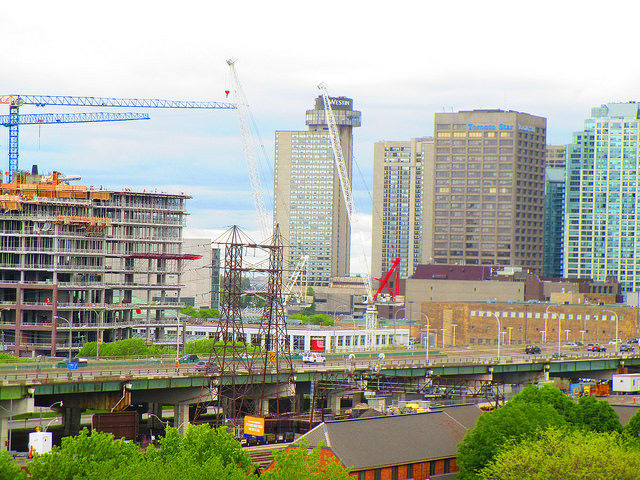
Re-urbanisation aims to counter the effects of inner city decline to protect the CBD of the city.
Creating enterprise zones is one way of doing this. They offered lower taxes to businesses and companies and eased planning restrictions to attract employment and development.
Urban development corporations aim to completely redevelop areas of deindustrialisation in the UK. These schemes aim to redevelop housing, increase employment, and ensure buildings are put to correct use.
Page 5
Rural Poverty
There are several consequences to urbanisation and population increase that put rural areas into decline:
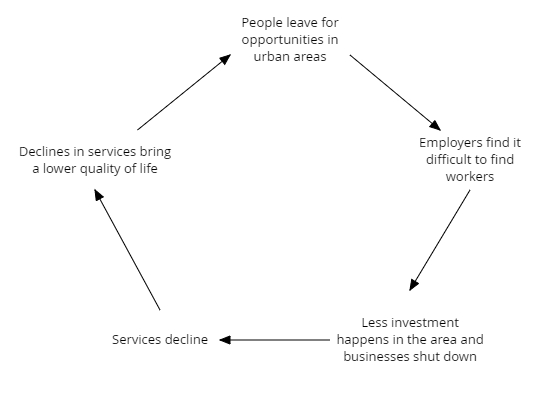
Out-migration from rural areas leads to a decline in employment. Without people to work, businesses can shut down, increasing unemployment further.
New homes being built in rural areas due to counter-urbanisation causes house prices to increase.
Rural depopulation is being caused by the lack of services and employment in rural areas.
Information
- Description
- User has deleted their subject information Note on Linking Rural and Urban Landscapes, created by Deleted user on 29/06/2017.
- Created by
- Deleted user · Jun 2017
- Updated
- Jun 29, 2017
- Views
- 63
- History
-
- Created by Antonia Blankenberg · Jun 27, 2017
- Copied by Antonia Blankenberg · Jun 29, 2017
- Rating