
Consequences of Uneven Development
Slides in this set (6)
-
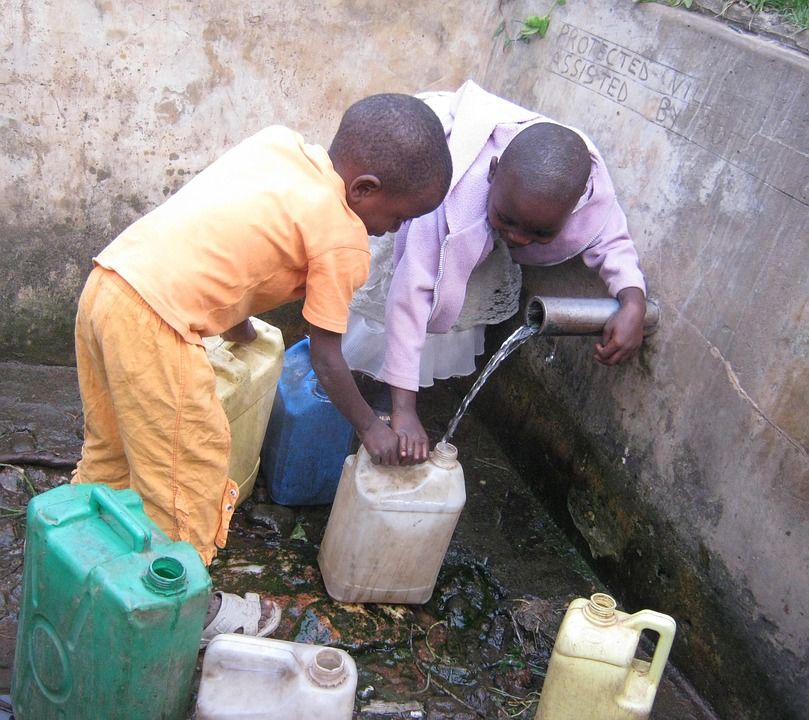
- As a country develops, the risk of food and water scarcity decreases.
- Technology improvements can help with irrigation and running water schemes.
- Developed countries that do not have enough food can afford to import food from elsewhere.
-
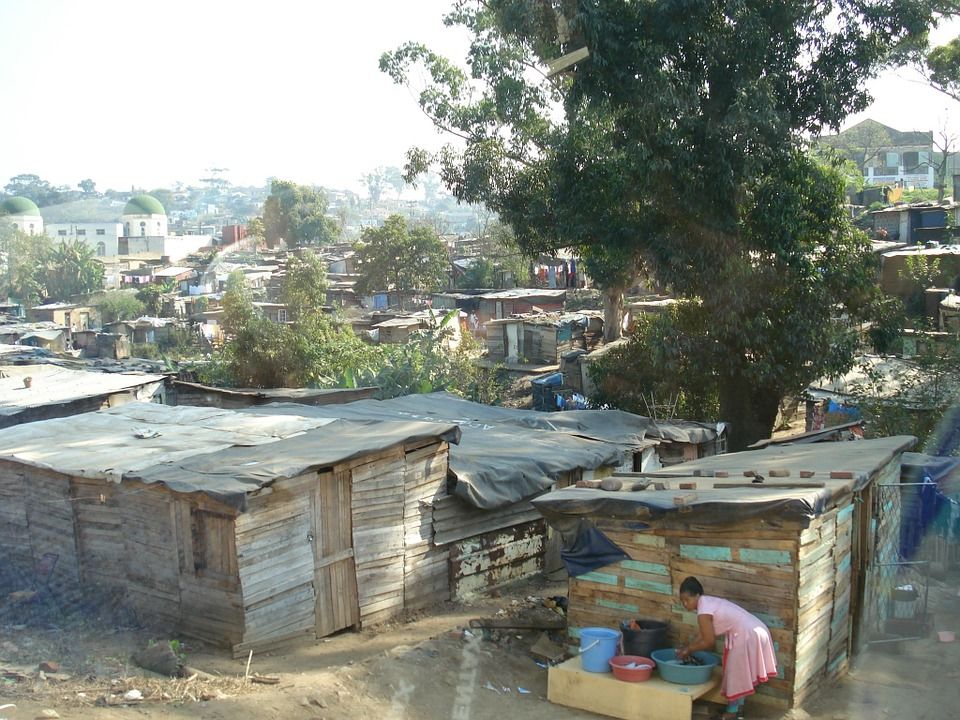
- In undeveloped area, houses are usually poor-quality and without sanitation and water.
- In developed areas, houses have a fresh water supply and sanitation.
-

- The higher the level of development in an area, the smaller the ratio between people and doctors.
- Education increases the amount of doctors in a country.
- Areas with higher levels of development have more hospitals and infrastructure to research new medicines and treatments.
-

- Literacy levels relate directly to development.
- Higher GDP means that more people can afford to go to school and university.
-

- Those working in developing countries tend to work in the primary sector.
- As a country develops, people move into different sectors of work.
- In developed countries the majority of the working population work in tertiary or quaternary industry.
- Education yields more and better jobs.
-

- As a country develops, it has more money to invest into technology and infrastructure.
- One of the ways to look at development is to look at the amount of people connected to the internet in a country.
Information
- Description
- User has deleted their subject information Slide Set on Consequences of Uneven Development, created by Deleted user on 29/06/2017.
- Created by
- Deleted user · Jun 2017
- Updated
- Jun 29, 2017
- Views
- 22
- History
-
- Created by Antonia Blankenberg · Jun 27, 2017
- Copied by Antonia Blankenberg · Jun 29, 2017
- Rating