
Notes
Historical Context: The Plague
Content of the notes (4)
Page 1
What was the plague?
Plague was a common disease in medieval and early modern times; the disease had no known cure and the death rate was high among those who contracted it. There were two different types of plague and they were spread by different means.
Bubonic plague:
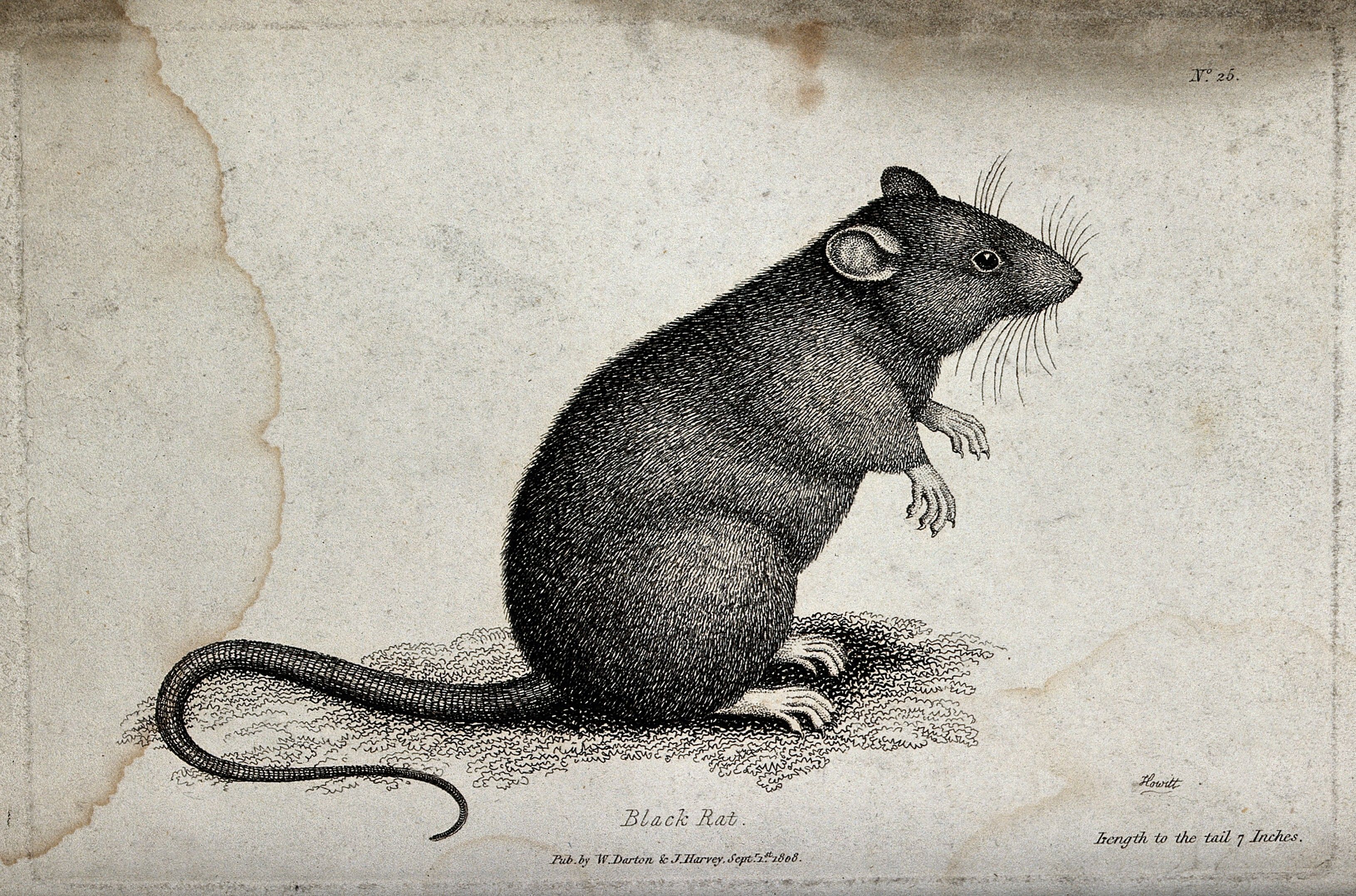
Spread from fleas from black rats
After being bit by a flea carrying the bacilli germ, large swelling developed called buboes
These appeared in the armpits and the groin
Fever and severe headache followed, before boils developed all over the body
Death occurred in a few days
Pneumonic plague:
This plague spread by people breathing and coughing germs onto each other
Breathing problems occurred as the disease attacked the lungs
People coughed up blood and death occurred rapidly
This plague was more dangerous as it circulated by direct contact with other humans
Page 2
Plague Outbreaks
Medieval Period:
The most devastating singular episode for the bubonic plague was the Black Death
This devastated Europe from 1346-1353
The origins of the outbreak came from the plains of Central Asia
Between one third and two thirds of the British population died from the plague from 1348-1349
Further outbreaks occurred over the next 300 years:
1471: 10-20% of the population died
1479-1480: an estimated 20% of the population died
Sixteenth and Seventeenth Centuries:
Outbreaks of the bubonic plague occurred four times in the 16th century
The 17th century witnessed a further outbreak in 1603, 1625 and 1636
There were 75,000 recorded deaths from these three outbreaks
The worse outbreak came to London in 1665-1666
Over 100,000 people died and London's population was reduced by over one quarter
The cause of the disease was 'Yersinia pestis bacterium'; transmitted through the bite of an infected rat flea
These flies lived on black rats
Page 3
The Great Plague in London 1665
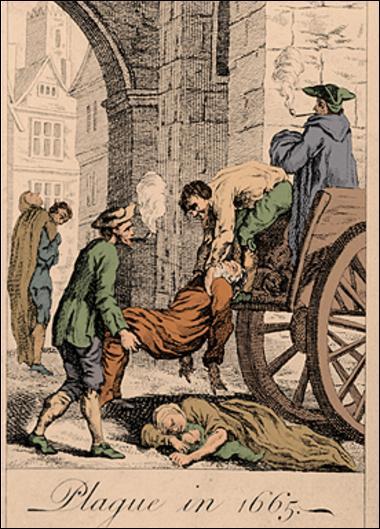
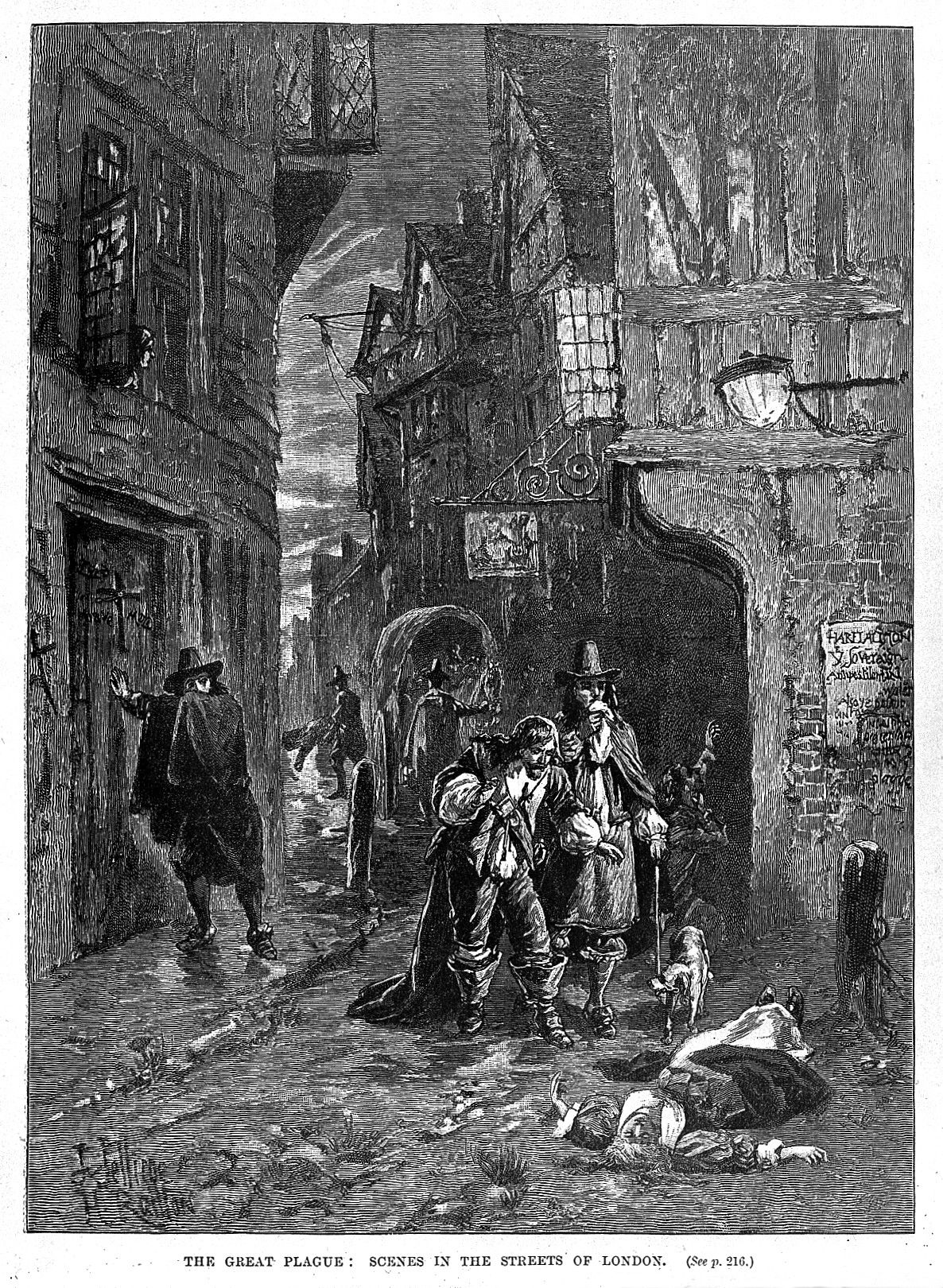
This was the largest populated town in Britain and plague deaths were first reported in April and May 1665. By July, the plague was widespread in London. Many who had the option, fled from the city into their countryside estates. For the poor people of London, there was no option but to stay and brave the epidemic.
The authorities made every effort to contain the epidemic:
Orders to restrict the movement of people in and out of the capital were made but it was difficult to enforce this
Theatres and other places of large public gatherings were closed
A house containing someone suffering from the plague had to be sealed for 40 days with a red cross and words 'Lord have mercy upon us' marked on the door
Dogs and cats were to be caught and killed; people believed they were spreading the disease
All bodies were to be buried at night to reduce the spread of the disease
These measures failed and the disease spread like wildfire during the heat of summer. By the end of 1665, the worst of the plague had occurred. An estimated 70,000-100,000 had died. It was the Great Fire of 1666 that helped cleanse the city of the disease.
Page 4
The Great Plague in London 1665
Beliefs about the causes:
It was a punishment from God for the sins of man. People sought forgiveness through prayer and repentance hoping this would spare them of the plague
It was caused by bad air ('miasma')
It was spread by dogs and cats
Medical treatment:
Primitive treatment that relied on herbal remedies, nostrums and charms
Some carried sweet-smelling flowers to get rid of the smell of bad air
Some men began smoking a pipe of tobacco in the hope the smoke would kill off the plague
People believed the bad air spread the infection; doors and windows were shut and people burned rosemary and incense to counteract the bad air
Some took possets, a mixture of boiled milk, ale and bread
Information
- Description
- User has deleted their subject information Note on Historical Context: The Plague, created by Deleted user on 14/07/2017.
- Created by
- Deleted user · Jul 2017
- Updated
- Jul 14, 2017
- Views
- 32
- History
-
- Created by Andrew Burke · Jul 12, 2017
- Copied by Andrew Burke · Jul 14, 2017
- Rating